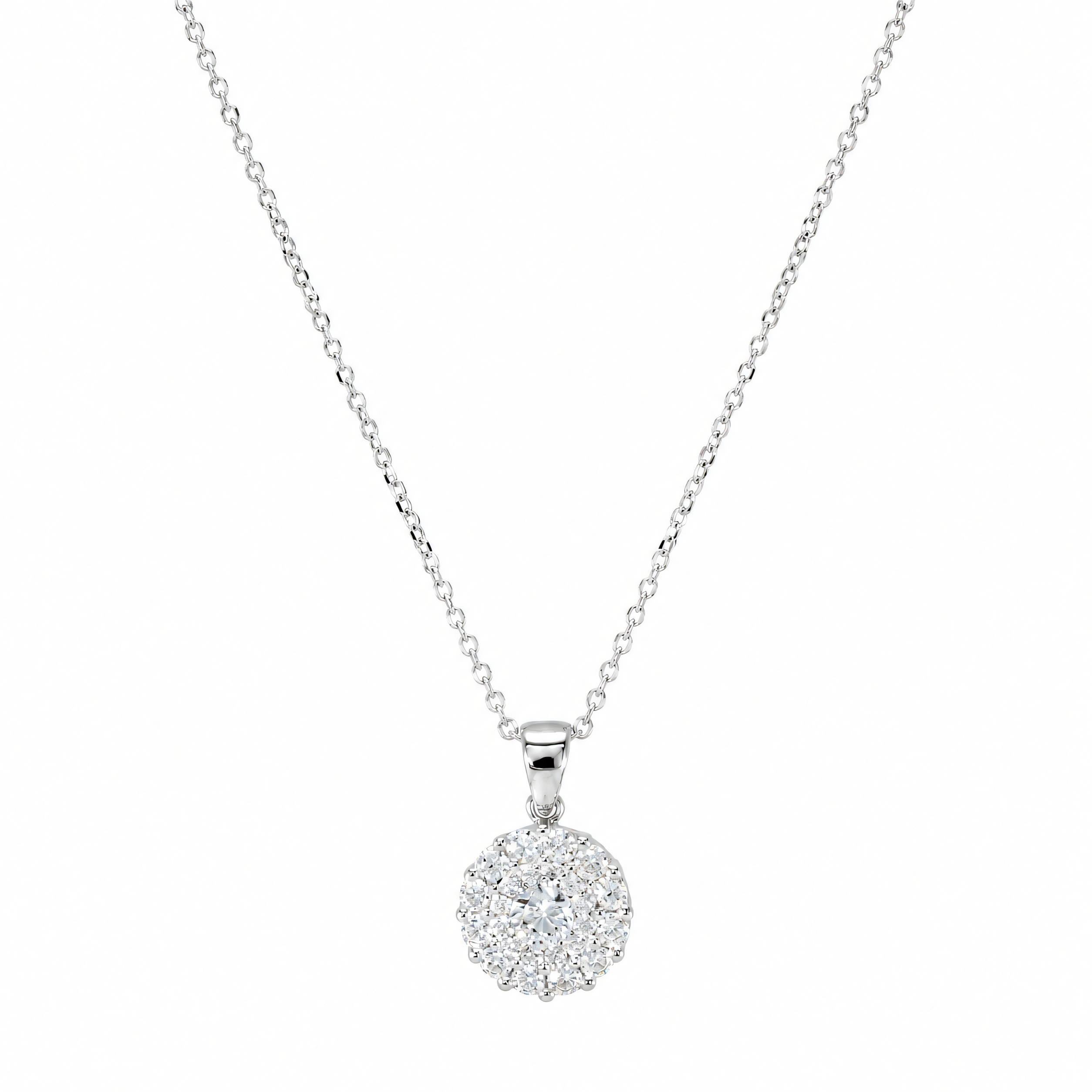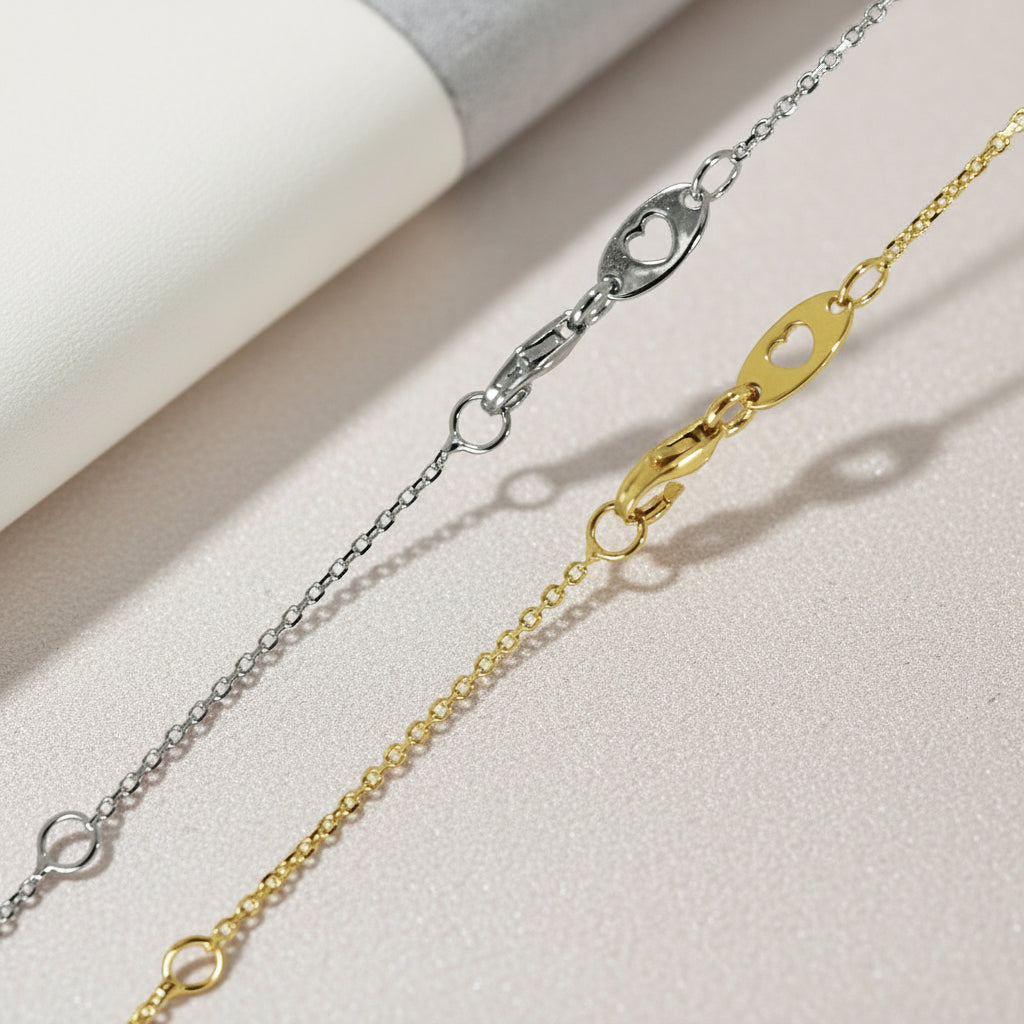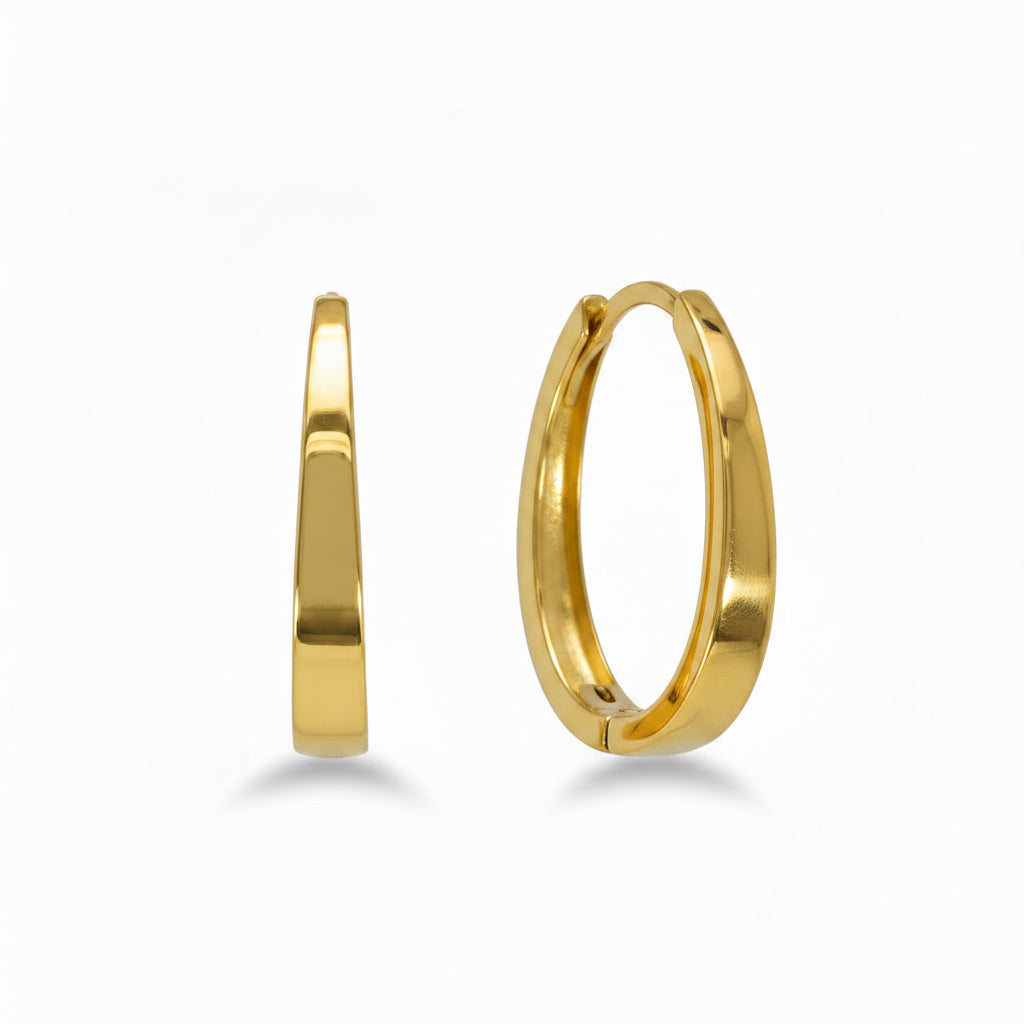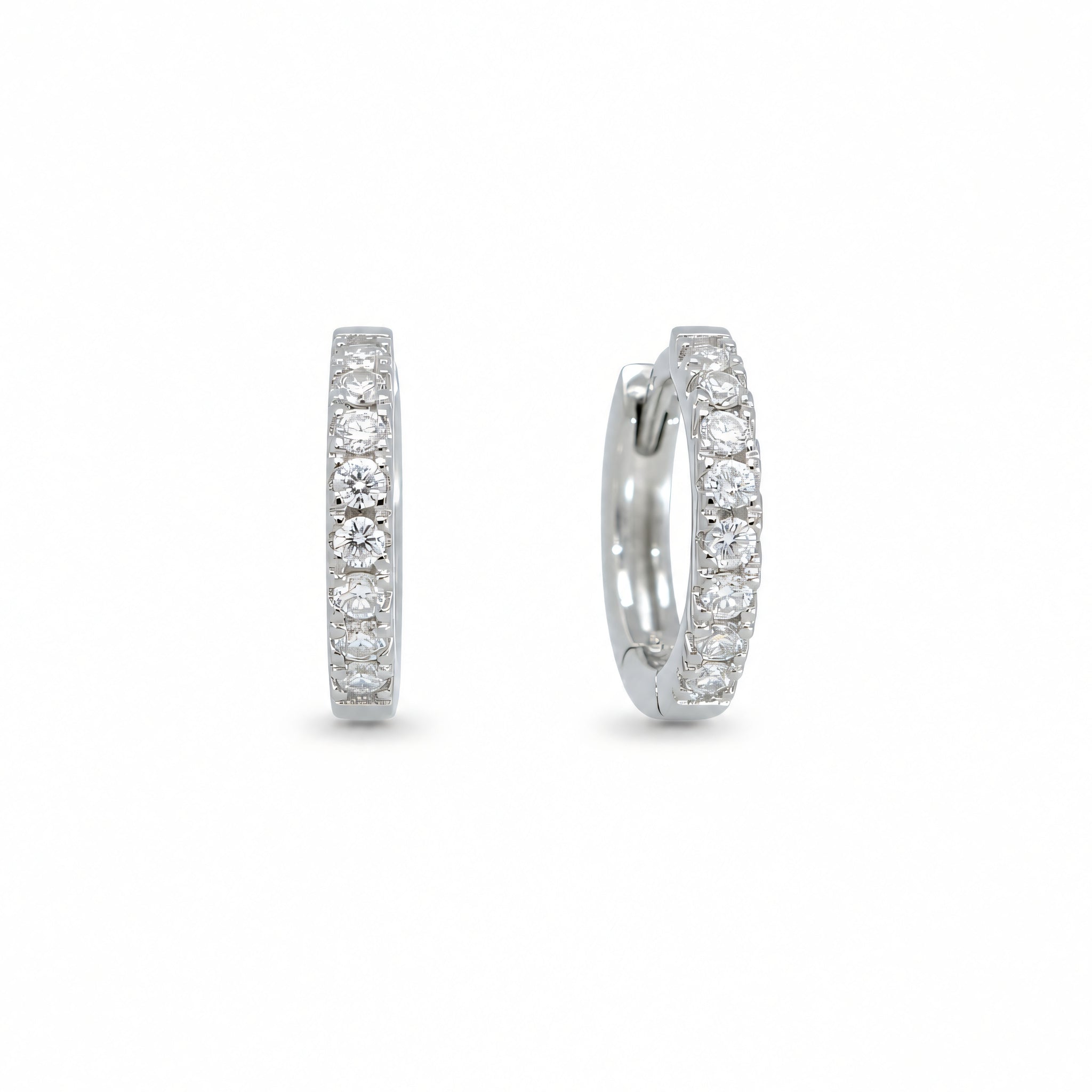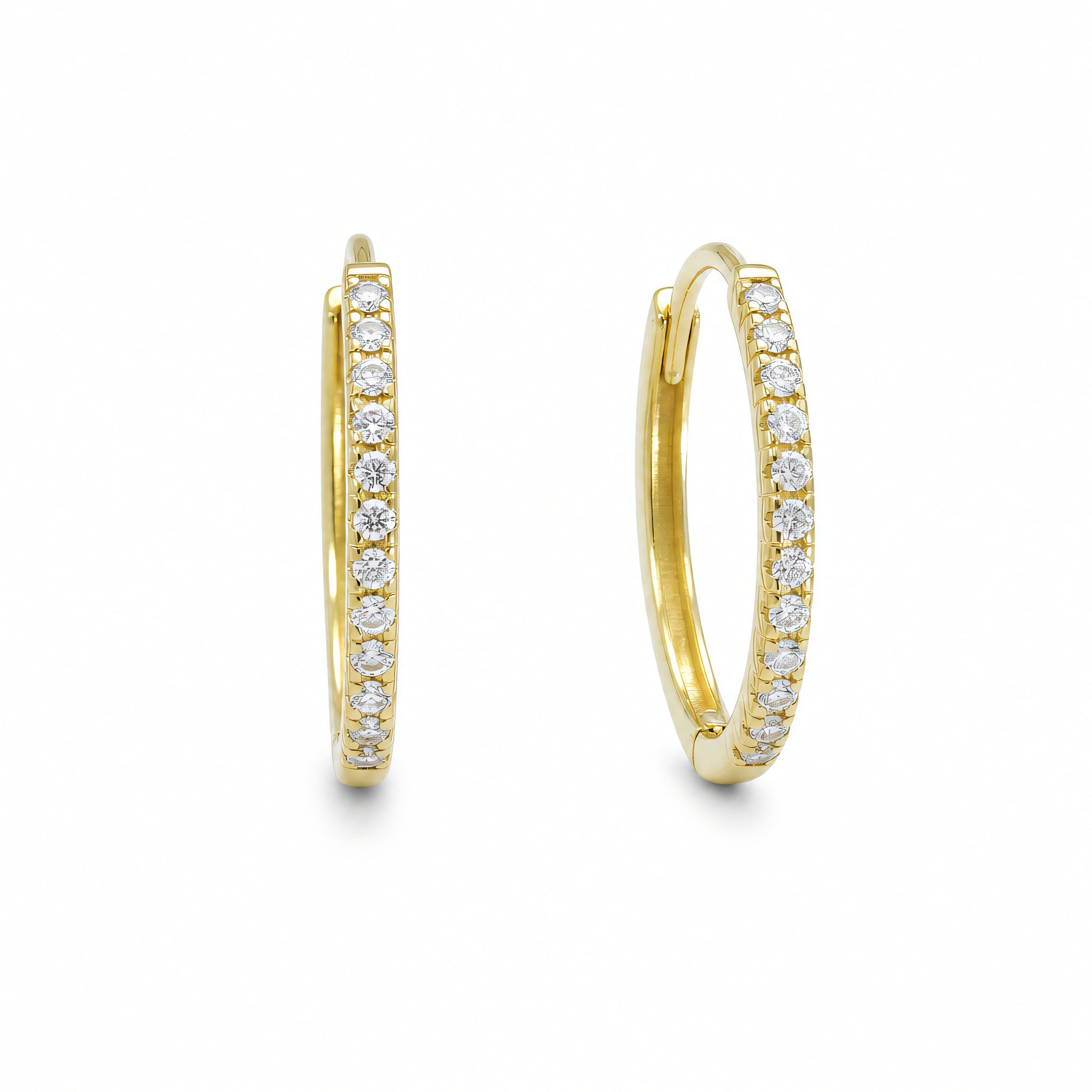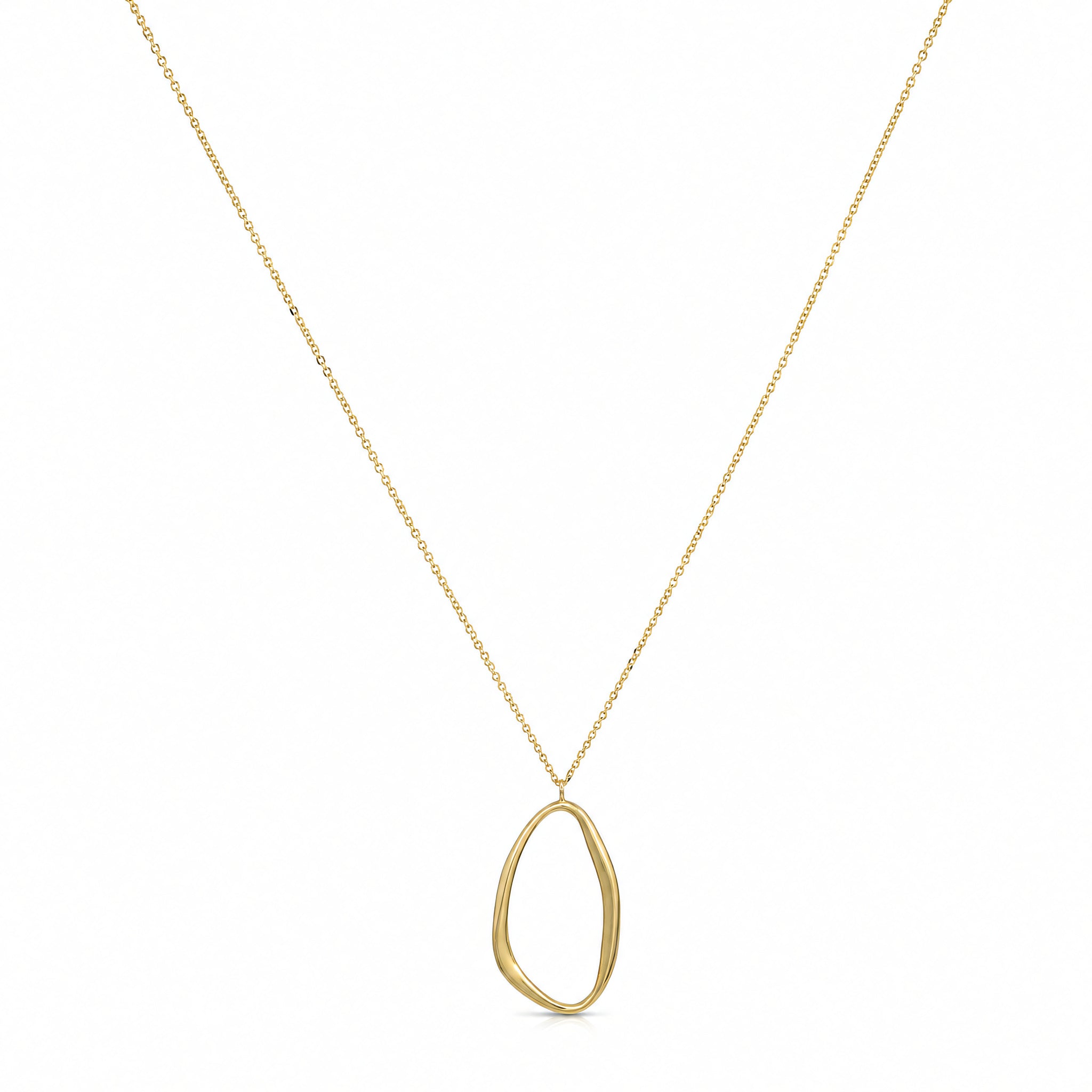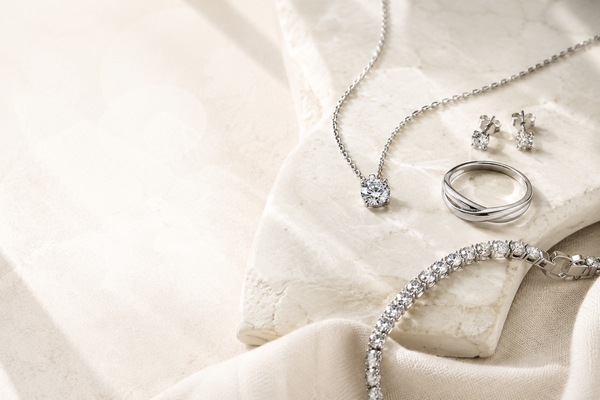




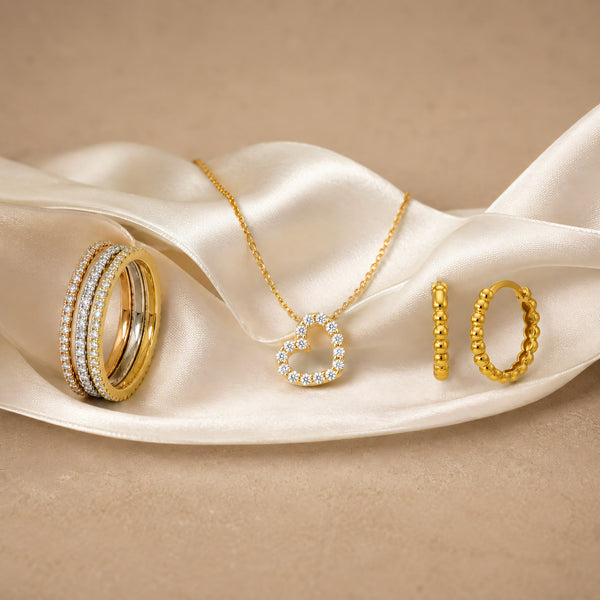


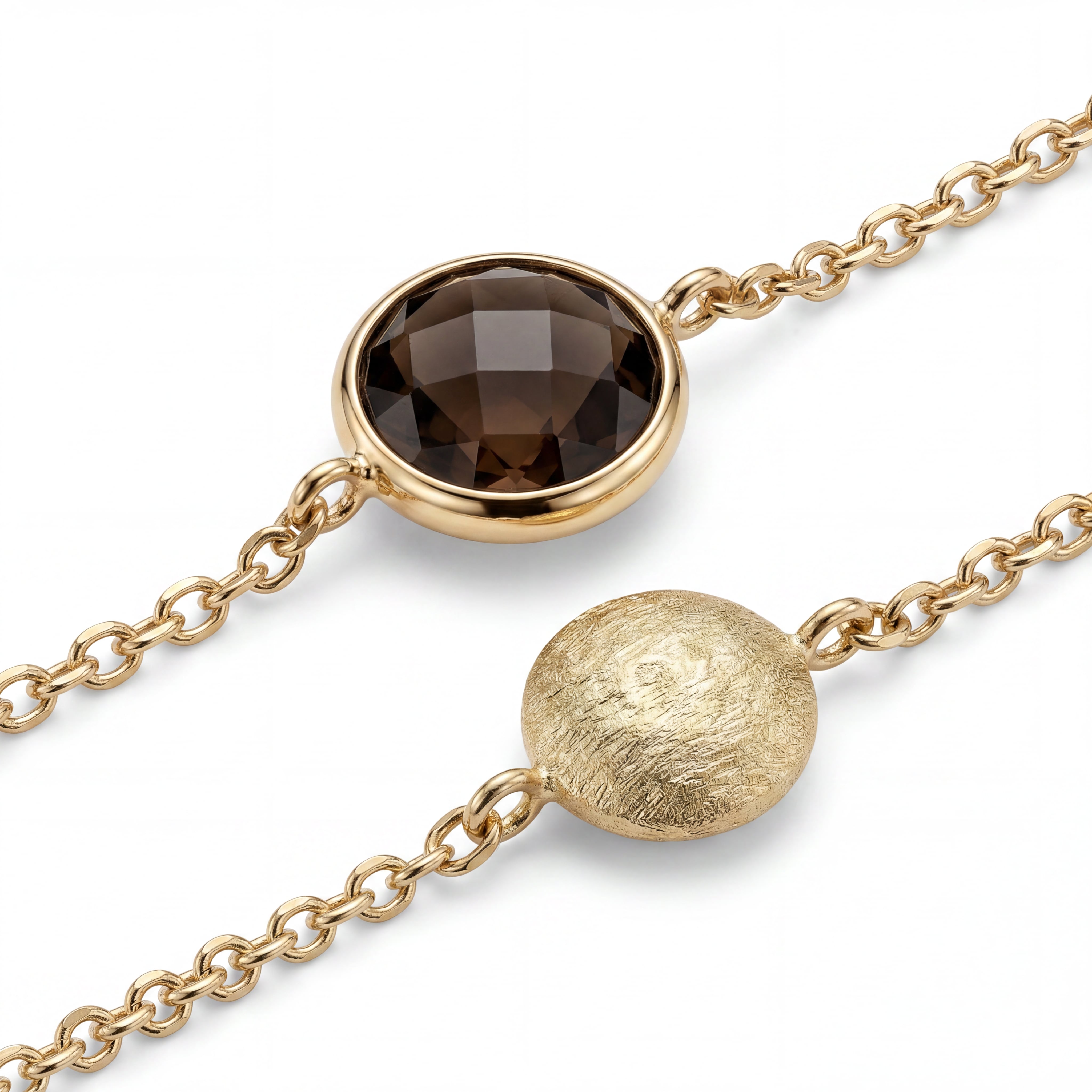

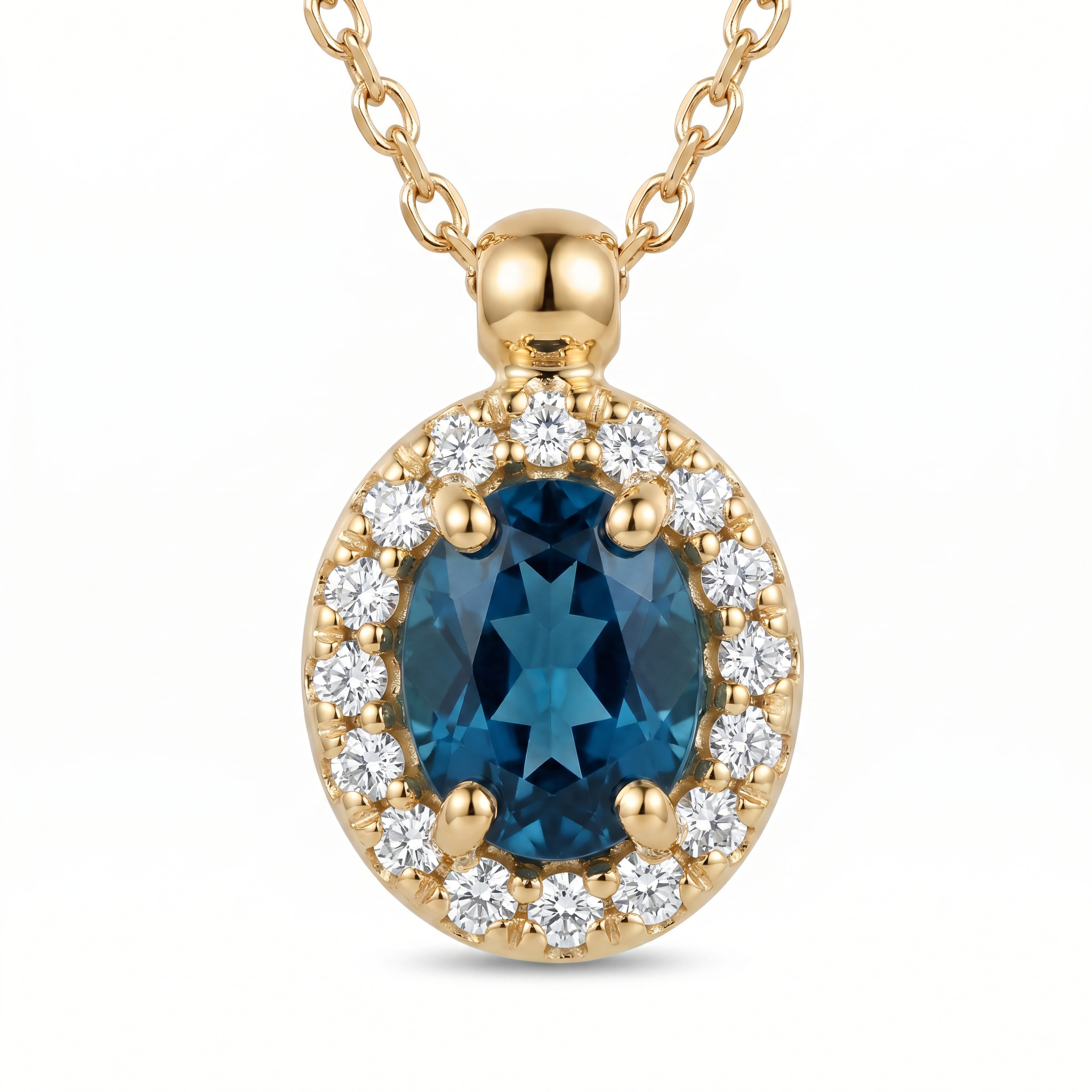


The gentlest way to clean jewelry is with lukewarm water, a drop of mild dish soap and a soft cloth. That works for almost every material. Silver tarnishes over time, 585 gold does not. Home remedies such as aluminum foil and baking soda do work, but they are not suitable for every piece. With rhodium-plated 925 silver, the rule is simple: the gentler, the better.
Silver tarnishes: why does silver turn dark?
Silver turns dark because it reacts with sulfur. 925 silver is 92.5% fine silver and 7.5% another metal, usually copper. Both metals react with sulfur compounds from the air, from cosmetics or from sweat. A very thin dark layer of silver sulfide then forms on the surface, and that is what we call tarnish. Moisture and heat speed it up, and so do chlorinated water, perfume and hairspray. It isn't a defect; silver simply behaves this way.
At Splendido Jewelry, 925 silver is rhodium-plated. A fine layer of rhodium, a bright precious metal from the platinum group, slows tarnishing considerably and keeps the shine longer. Rhodium itself does not tarnish, and as long as the layer is intact, sulfur can barely reach the silver. If a rhodium-plated piece still looks dull or slightly gray, the cause is usually a film of skin oil, lotion or soap residue that comes off in lukewarm water. Only where the layer has worn away after years of heavy use, such as on the inside of a ring, can the silver underneath tarnish again.
Cleaning silver: the gentle standard method
The best way to clean silver is in lukewarm water with a little dish soap. It is easy on the material and works for almost all silver pieces:
- Mix lukewarm water with a drop of mild dish soap.
- Soak the piece briefly, then rub it gently with a soft cloth or a soft brush.
- Rinse with clean water and pat dry right away with a soft, lint-free cloth.
For uncoated silver, a silver polishing cloth quickly brings back the shine between cleanings. Rhodium-plated silver has its own rules, which the next section explains.
Cleaning rhodium-plated 925 silver: why different rules apply
Rhodium-plated silver needs different care because the rhodium layer is only a few thousandths of a millimeter thick. Anything abrasive, or anything that works chemically against tarnish, hits this layer first and the silver beneath it second. Many guides recommend a silver dip, baking soda, toothpaste or a polishing cloth for silver. That may work on uncoated sterling silver, but it doesn't on rhodium-plated silver.
- Silver dip: These acidic solutions are made for uncoated silver. On rhodium-plated jewelry they have nothing to dissolve, and they can attack the layer at thin spots and edges.
- Baking soda and aluminum foil: When the rhodium plating is intact, this method does nothing, and it puts needless strain on areas that are already worn.
- Toothpaste and scouring products: Their abrasive particles wear down the rhodium layer over time.
- Treated silver polishing cloths: They contain fine polishing compounds. They do a good job on uncoated silver, but on rhodium-plated silver they gradually rub the layer away.
Here is how to clean rhodium-plated 925 silver: add a drop of mild, pH-neutral dish soap to lukewarm water and soak the piece briefly. Clean it gently with your fingers or a very soft brush, rinse it in clean water and pat it dry with a soft, untreated cotton or microfiber cloth. That is all it needs, because the shine comes from the rhodium itself and doesn't have to be polished out. How long rhodium plating lasts and when it makes sense to have it refreshed by a jeweler is covered in our article Rhodium-plated: the meaning explained simply.
How to clean blackened or tarnished silver
Tarnished, uncoated silver comes clean with a silver polishing cloth or the mild water method; it just takes a little more patience. Rub with slow, steady strokes until the shine returns. Leave out toothpaste and scratchy sponges, because they leave fine scratches. For rhodium-plated silver, stick to water, mild dish soap and an untreated cloth. If a dark spot remains there, the rhodium plating has usually worn off. In stubborn cases, a jeweler can refresh the rhodium plating on the piece.
Cleaning silver with baking soda, baking powder and aluminum foil: how it works
For this well-known home remedy, line a bowl with aluminum foil, add hot water, baking soda and a little salt, and place the silver in it so that it touches the foil. After a few minutes the dark layer is gone.
The science behind it is electrochemistry. In the baking soda or salt solution, aluminum and silver form a kind of tiny battery. The aluminum gives up electrons, and the dark silver sulfide turns back into silver. The sulfur separates from the jewelry in the process. The faint smell of rotten eggs comes from hydrogen sulfide, so keep the room well ventilated. Unlike polishing, this method removes no silver. Baking powder also contains baking soda and works in a similar way. The method is suitable for plain, uncoated sterling silver without stones.
For rhodium-plated silver and for jewelry with gemstones or pearls, it is better to skip the aluminum foil, baking soda and salt. The reaction can attack the rhodium plating and damage soft stones or pearls. Because the silver at Splendido Jewelry is rhodium-plated, we recommend the gentle standard method with lukewarm water.
What should not go into a silver bath?
Only uncoated silver belongs in a silver bath, whether you use a store-bought dip or aluminum foil with baking soda. Keep these pieces out:
- Rhodium-plated silver and rhodium-plated white gold: The protective layer does not tarnish and does not need harsh chemicals.
- Pearls and mother-of-pearl: Acids and alkaline solutions attack the surface, and the typical luster is lost.
- Soft, porous or opaque stones such as opal, turquoise, coral, amber, malachite or lapis lazuli: they can absorb liquid, change color or turn dull.
- Glued stones and pearls: The solution can weaken the adhesive.
- Intentionally blackened (oxidized) silver: The bath also removes the dark patina that is meant to sit in recesses and ornaments.
- Gold-plated silver: The thin gold layer can be damaged.
If you are unsure whether a piece can go in the bath, leave it out or ask us. We reply within 24 hours.
Ultrasonic cleaners for jewelry: yes or no?
For most jewelry, we advise against an ultrasonic cleaner. The device creates tiny bubbles in the water that collapse in a fraction of a second. That loosens dirt from tight gaps, but the fine vibrations also act on settings and stones.
Solid yellow or rose gold jewelry with no stones at all usually comes through an ultrasonic bath fine. With these pieces, it is better not to:
- Stones in prong or pavé settings: The vibration can loosen prongs. A stone that wobbles without anyone noticing is easily lost later.
- Glued stones and cubic zirconia in glued settings: The glued joints can come loose.
- Stones with inclusions or treatments: Fine cracks can widen, and fillings, for example in oiled emeralds, can wash out.
- Pearls, opal and other soft stones: Their delicate surface can lose its luster or crack.
- Rhodium-plated silver: The rhodium layer is very thin. Where wear has already thinned it, vibration and some cleaning additives can damage it further.
For everyday cleaning, an ultrasonic device offers almost no advantage over lukewarm soapy water and a soft brush, but it does carry a risk. The Gemological Institute of America (GIA) also recommends leaving ultrasonic cleaning of jewelry with stones to professionals.
Cleaning gold jewelry: how to make a gold ring shine again
To clean gold jewelry, use lukewarm water, a drop of mild dish soap and a soft brush, then rinse and pat dry. That is all it takes, because 585 gold does not tarnish or rust. This also gets fine gaps and settings clean again.
How do I make a gold ring shine again?
A soak in soapy water and a soft toothbrush will make a gold ring shine again. A dull look usually comes from a film of soap, hand cream and skin oil, especially on the inside and under the stone. The metal is rarely the cause. Here is what to do (for rings with pearls or soft stones, follow the advice in the next section):
- Soak the ring for 10 to 15 minutes in lukewarm water with a drop of mild dish soap.
- Clean it gently with a soft toothbrush, including the inside and, for securely set hard stones such as diamond or sapphire, the underside of the setting.
- Rinse it in a bowl of clean water, not over an open drain.
- Pat it dry with a soft, lint-free cloth and buff with light pressure.
If the ring still looks dull afterward, the surface has fine signs of wear. You can't clean those away at home, but a polish at a jeweler brings back the high shine. Treat rhodium-plated white gold like rhodium-plated silver: only water, mild dish soap and an untreated cloth.
Can you clean gold with toothpaste?
Better not. Toothpaste contains abrasive particles designed to scrub teeth. 585 gold is fairly soft, so the particles leave fine scratches and the ring tends to look duller afterward. On rhodium-plated white gold they wear away the protective layer, soft stones can get scratched, and residue settles in the settings. Keep the soft toothbrush and use mild soapy water in place of the toothpaste.
Jewelry with gemstones & pearls: extra gentle care
Clean jewelry with gemstones, and especially with pearls, only with a slightly damp, soft cloth. Baths, home remedies and ultrasonic devices are not suitable for these pieces. Pearls react badly to acids and perfume, so always put on pearl jewelry after your makeup. You can read more about caring for them in our guide to pearls and pearl jewelry.
Proper storage: how to prevent tarnish
The best way to prevent tarnish is to store jewelry dry and separately. Every cleaning you can skip spares the material. These habits keep jewelry looking good longer:
- Store pieces dry and separately, preferably in a pouch or jewelry case, so they don't scratch each other.
- Take jewelry off before exercising, bathing and going to bed.
- Remove it before the pool, the sauna or the ocean: chlorine, salt water and heat are especially hard on silver.
- Put jewelry on after perfume, lotion and hairspray.
- Don't keep it in the bathroom, because moisture and warmth encourage tarnish.
- Store silver you rarely wear airtight, for example in a resealable bag. That slows tarnishing.
- After wearing, wipe it briefly with a soft cloth so skin oil and cosmetics don't stay on the metal.
Silver that you wear regularly and wipe afterward usually stays bright longer than silver that sits in a drawer for months.
Rhodium-plated silver needs nothing more than lukewarm water, mild dish soap and an untreated cloth: the shine comes from the rhodium itself.
Splendido JewelryEasy-care jewelry from Splendido Jewelry
At Splendido Jewelry you'll find carefully selected pieces in genuine 585 gold and rhodium-plated 925 silver, most of them from Italy. Both need little care: gold does not tarnish, and the rhodium layer slows tarnishing on the silver considerably. Browse our silver jewelry and our gold jewelry. To learn more about the materials, read our guides to 925 silver and 585 gold. Shipping and returns are free at Splendido Jewelry, and you have 30 days to return an item.