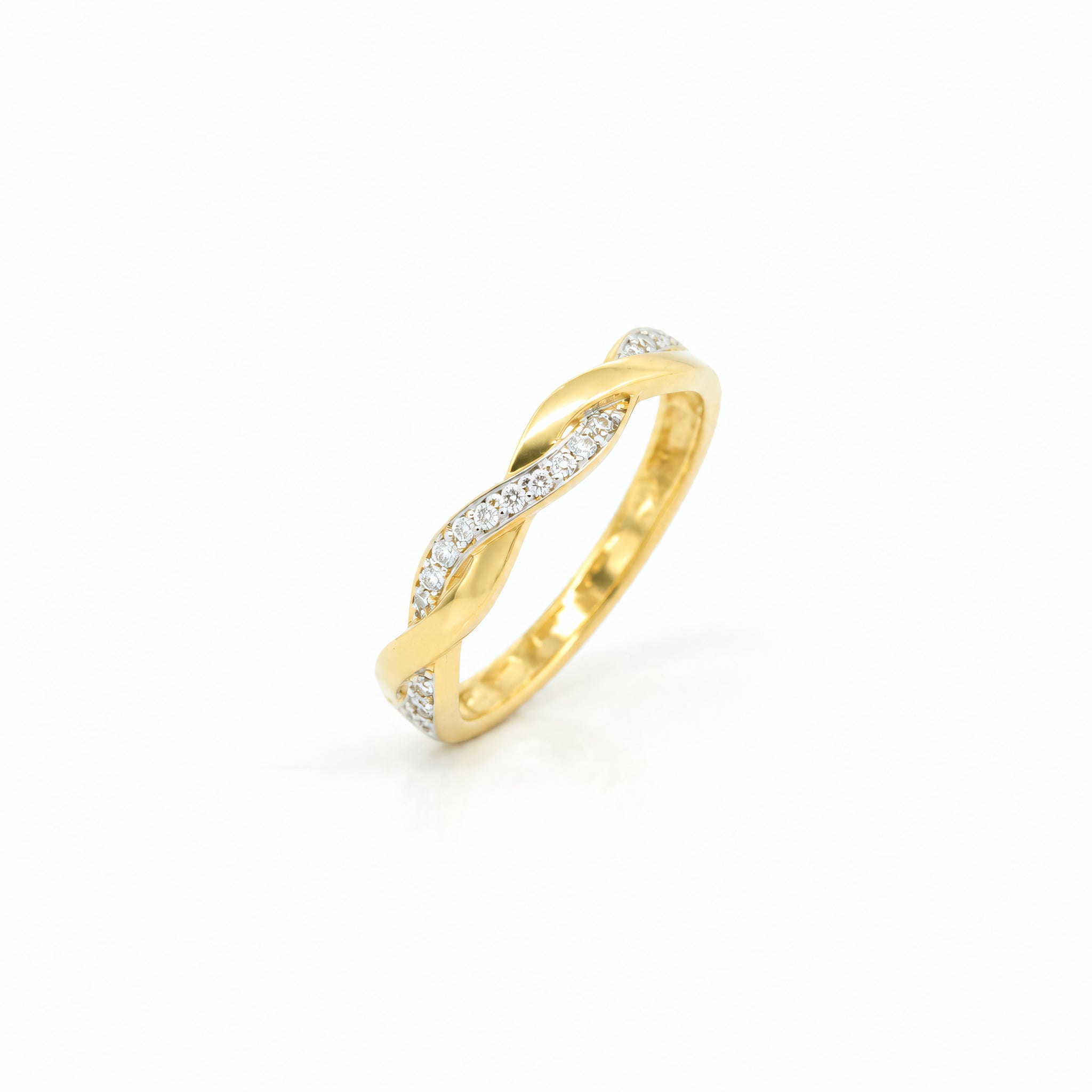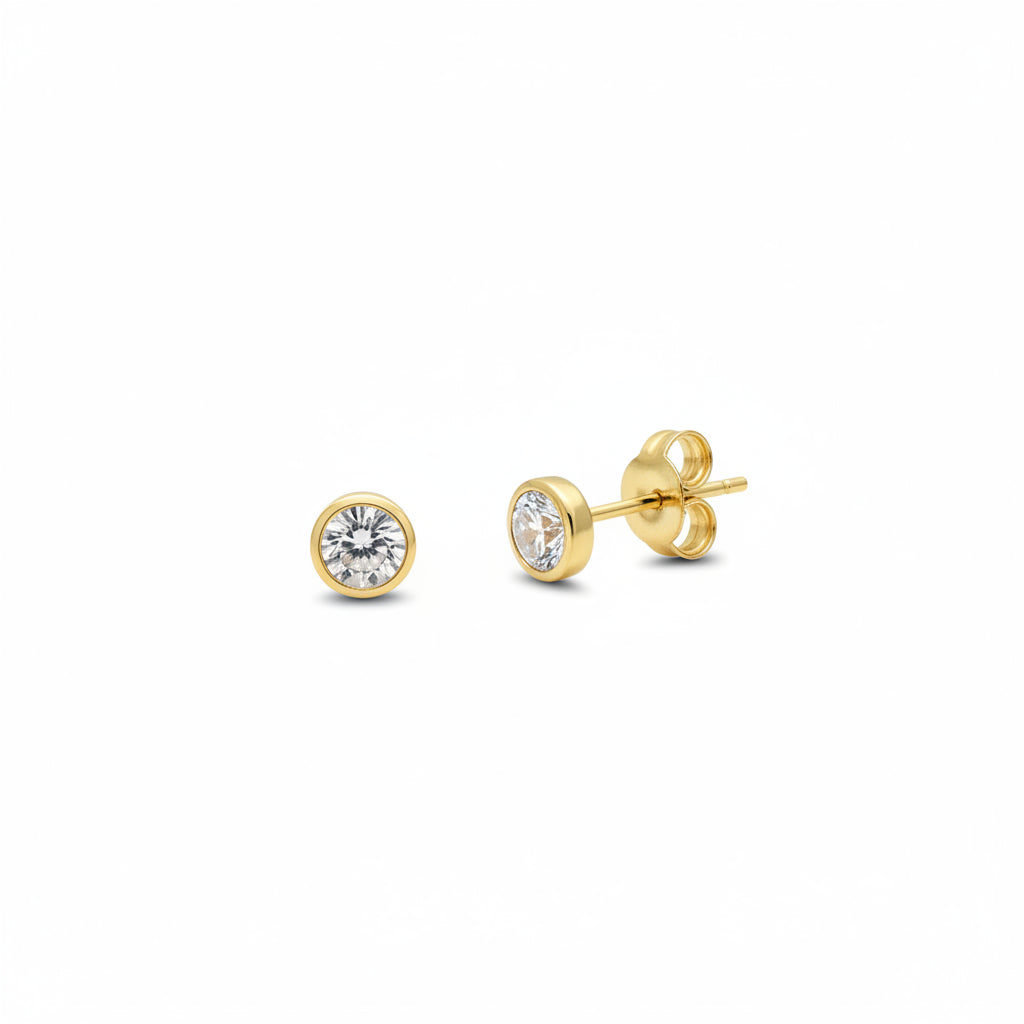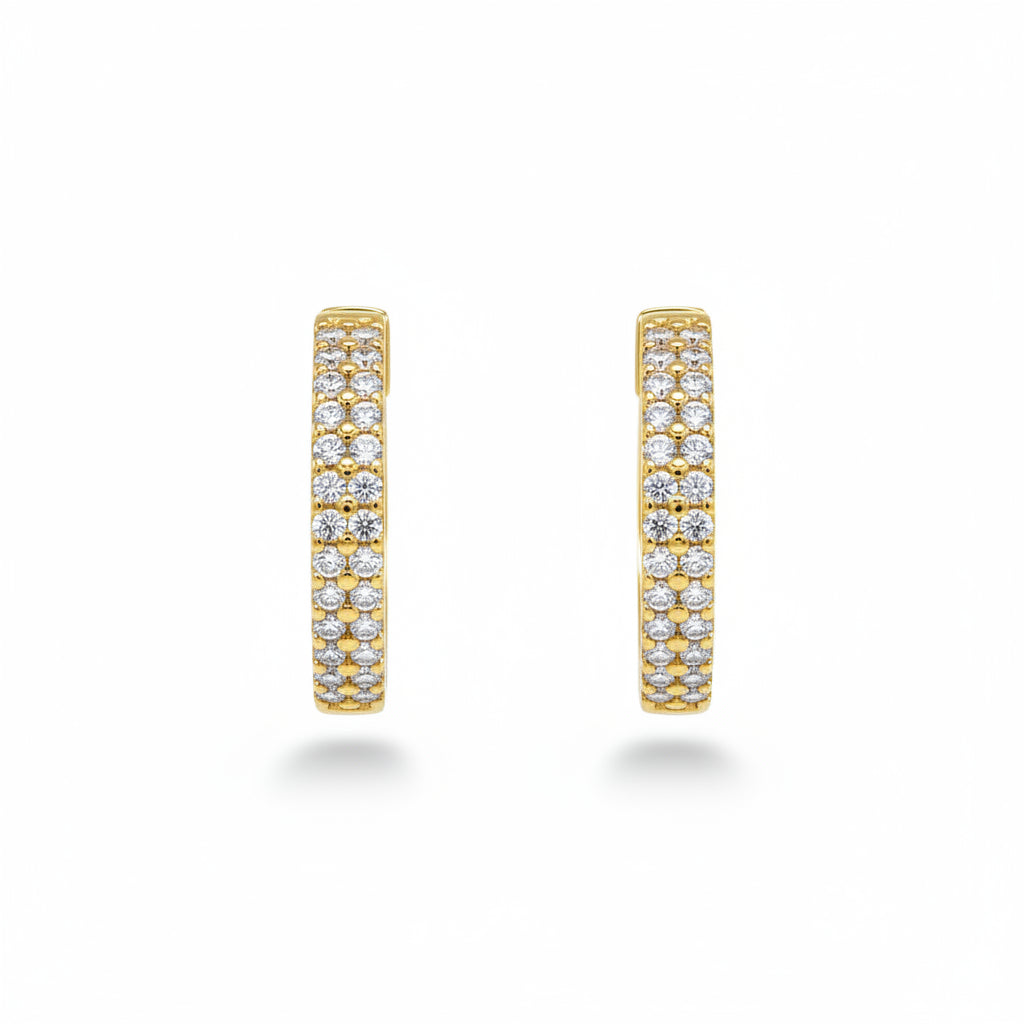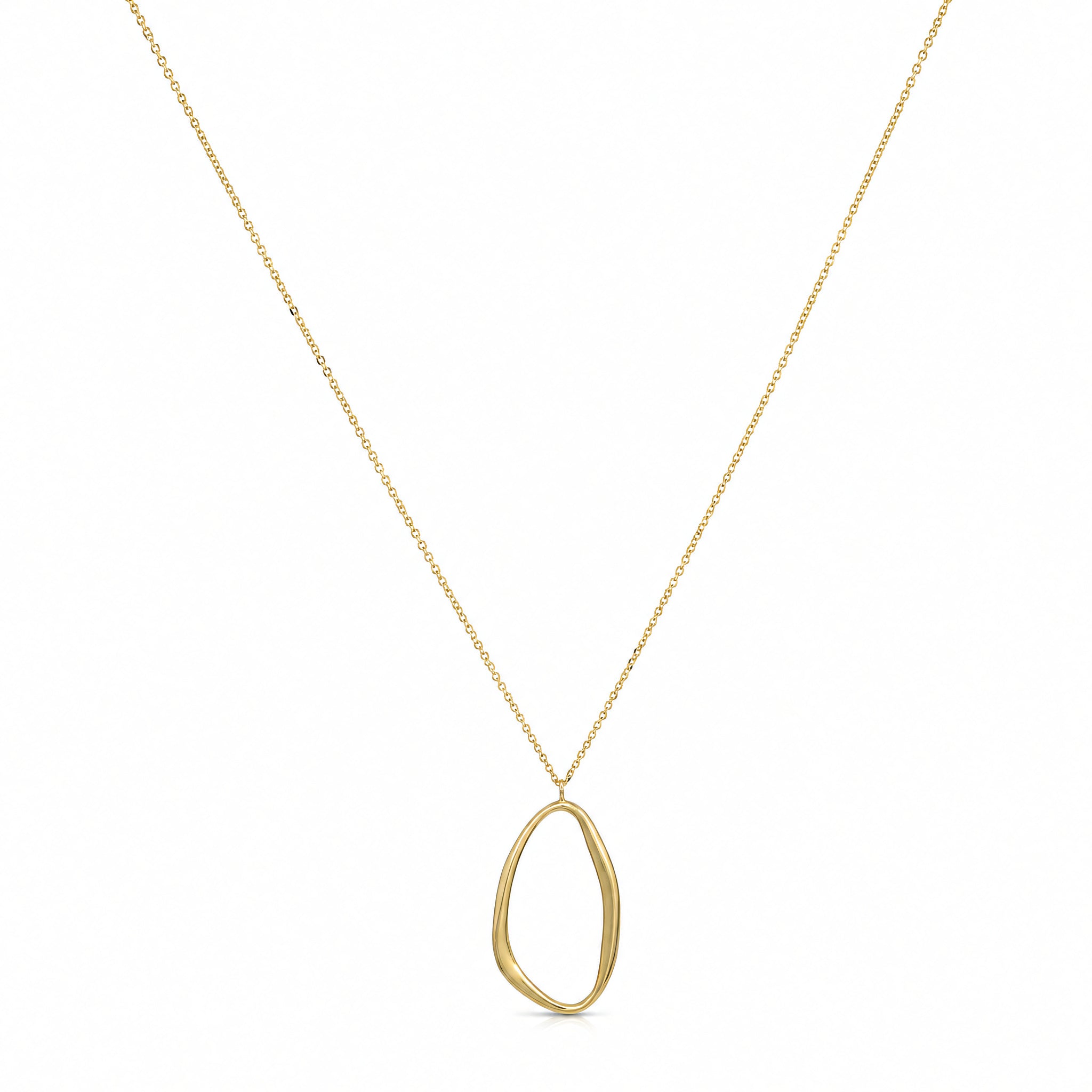






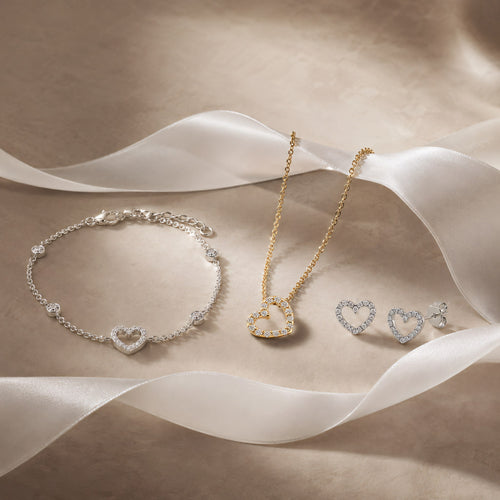
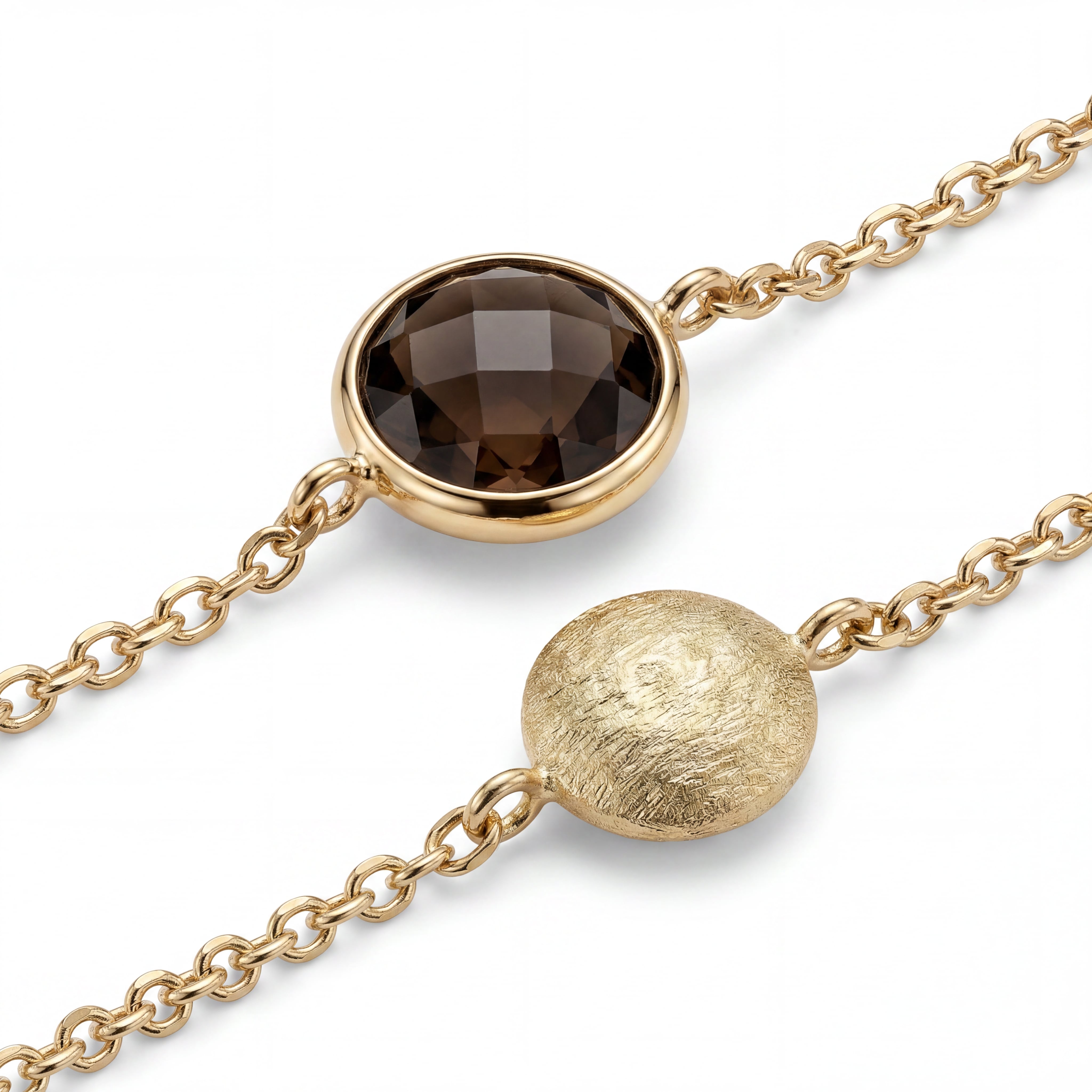

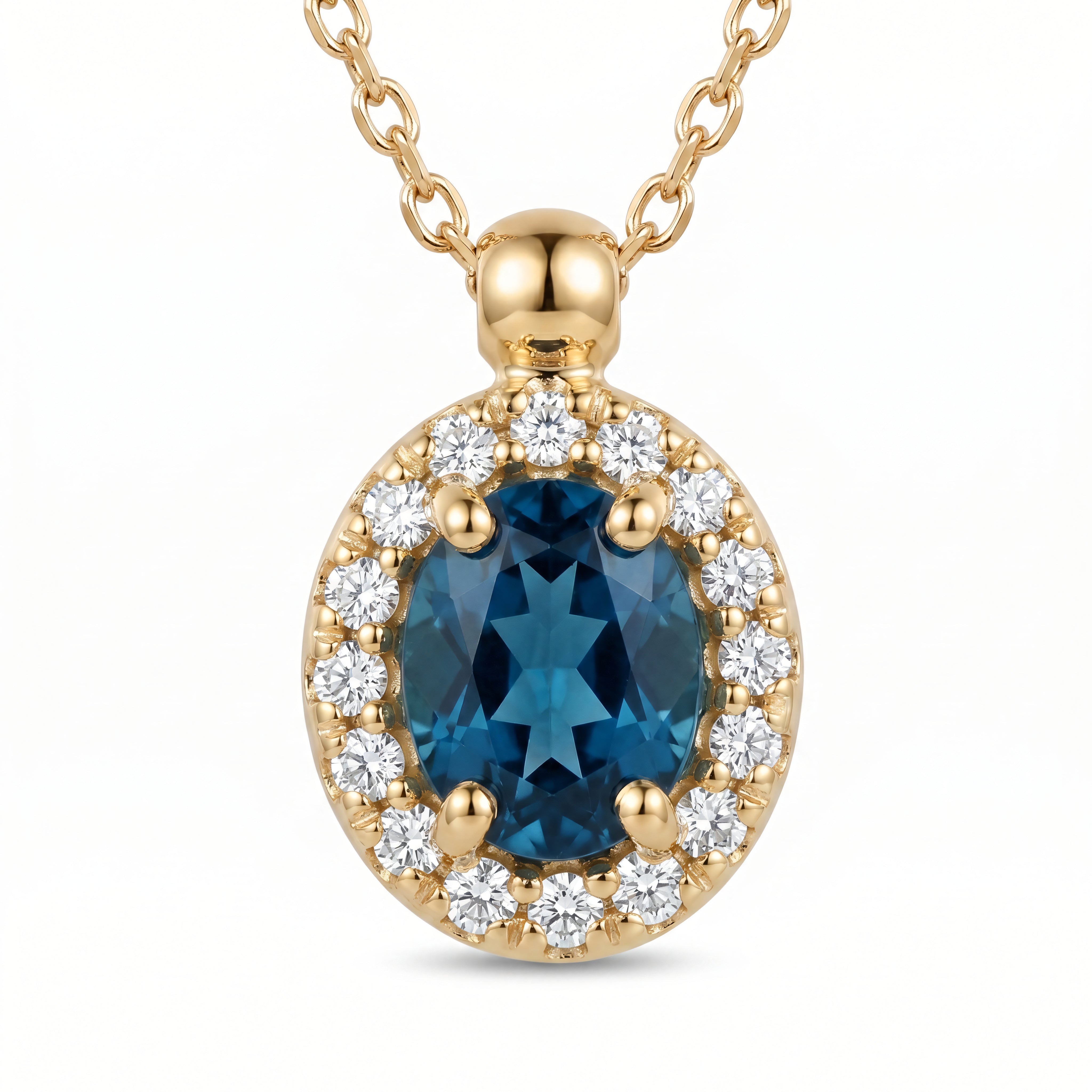


Smaragd is the green variety of the mineral beryl and, alongside diamond, ruby, and sapphire, is one of the four classic gemstones. Its color ranges from fresh green to deep forest green — traces of chromium and vanadium are responsible for this. Fine inclusions are characteristic and are affectionately called “Jardin” by connoisseurs. Since ancient times, emerald has been regarded as a stone of hope and renewal.
What is an emerald?
Emerald is green beryl — a mineral made of beryllium aluminum silicate. Only the incorporation of chromium and sometimes vanadium gives it its unmistakable green color. Pure beryl would be colorless; an emerald is therefore, in a sense, a happy accident of nature. It reaches 7.5 to 8 on the Mohs scale of hardness and is therefore hard, but its inclusions make it more susceptible to impact than a diamond. The best-known sources are in Colombia, Zambia, and Brazil, with Colombian stones often considered particularly intense in color.
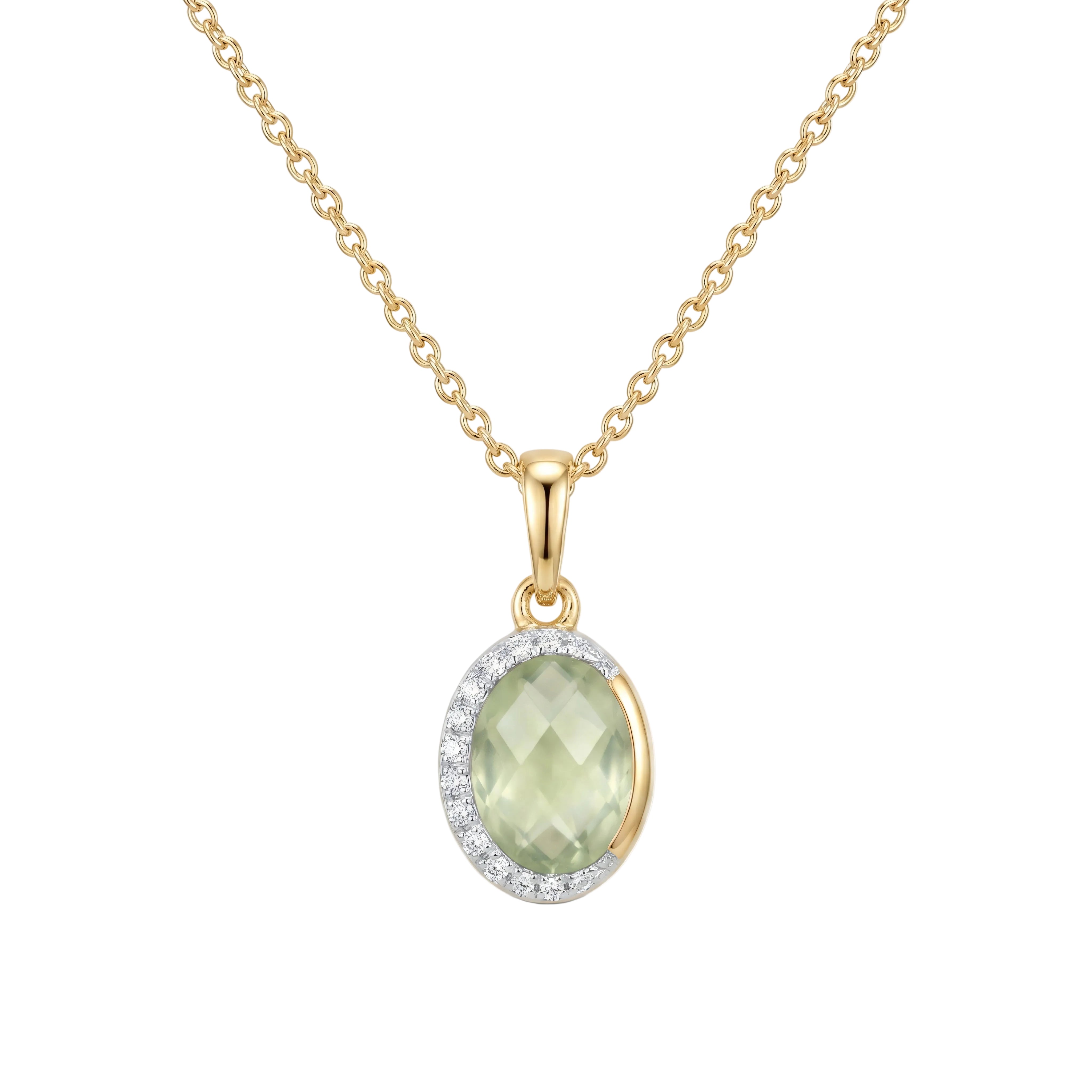
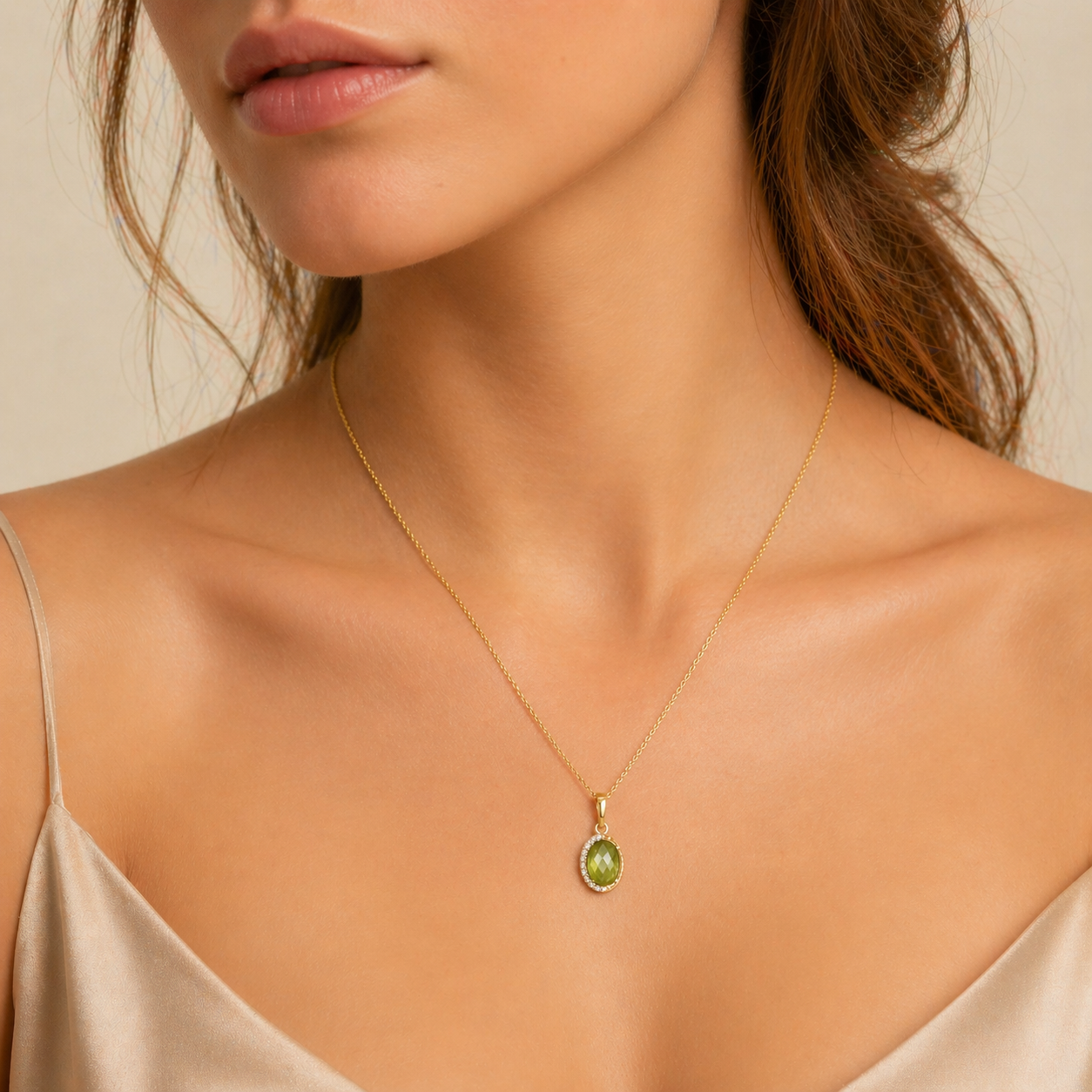
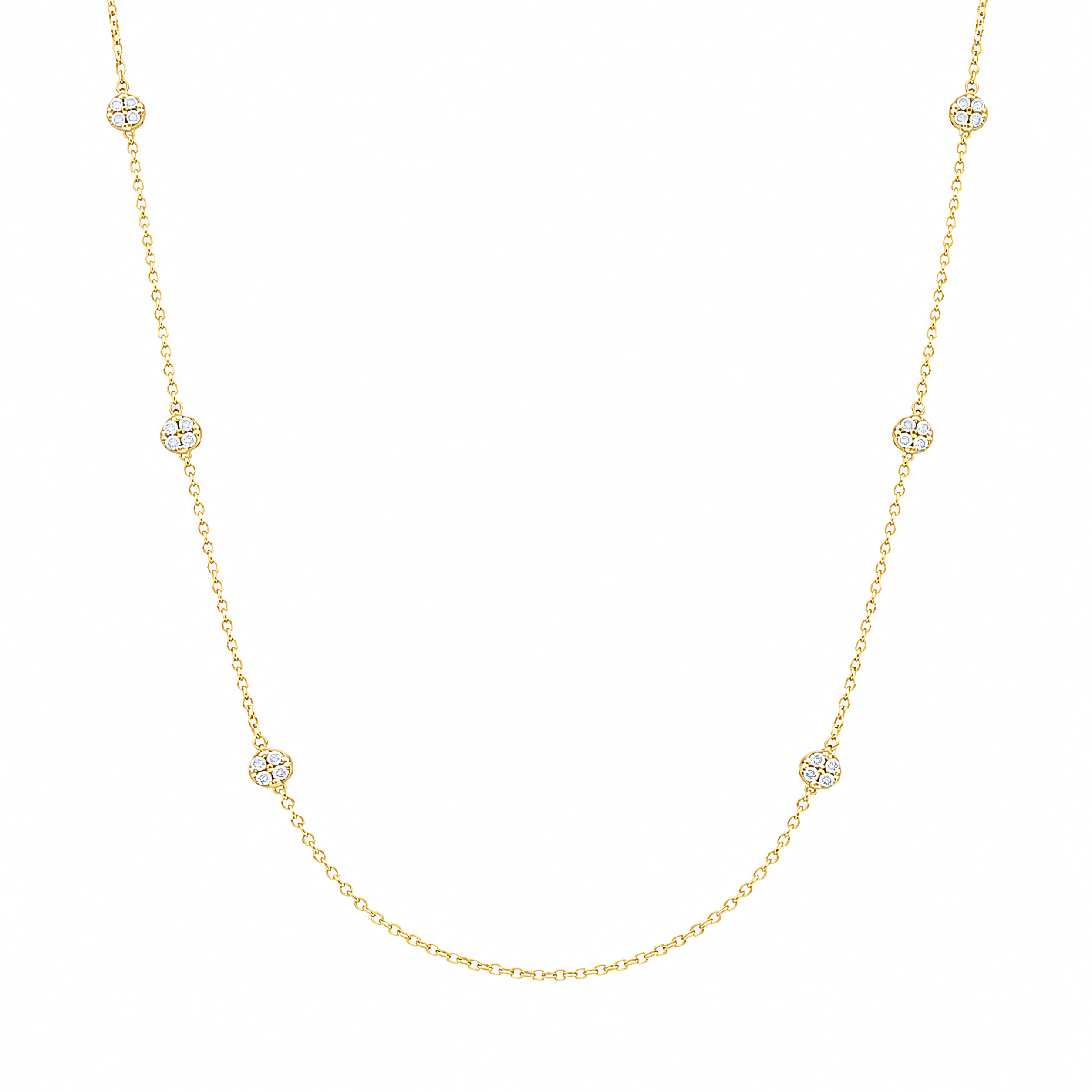
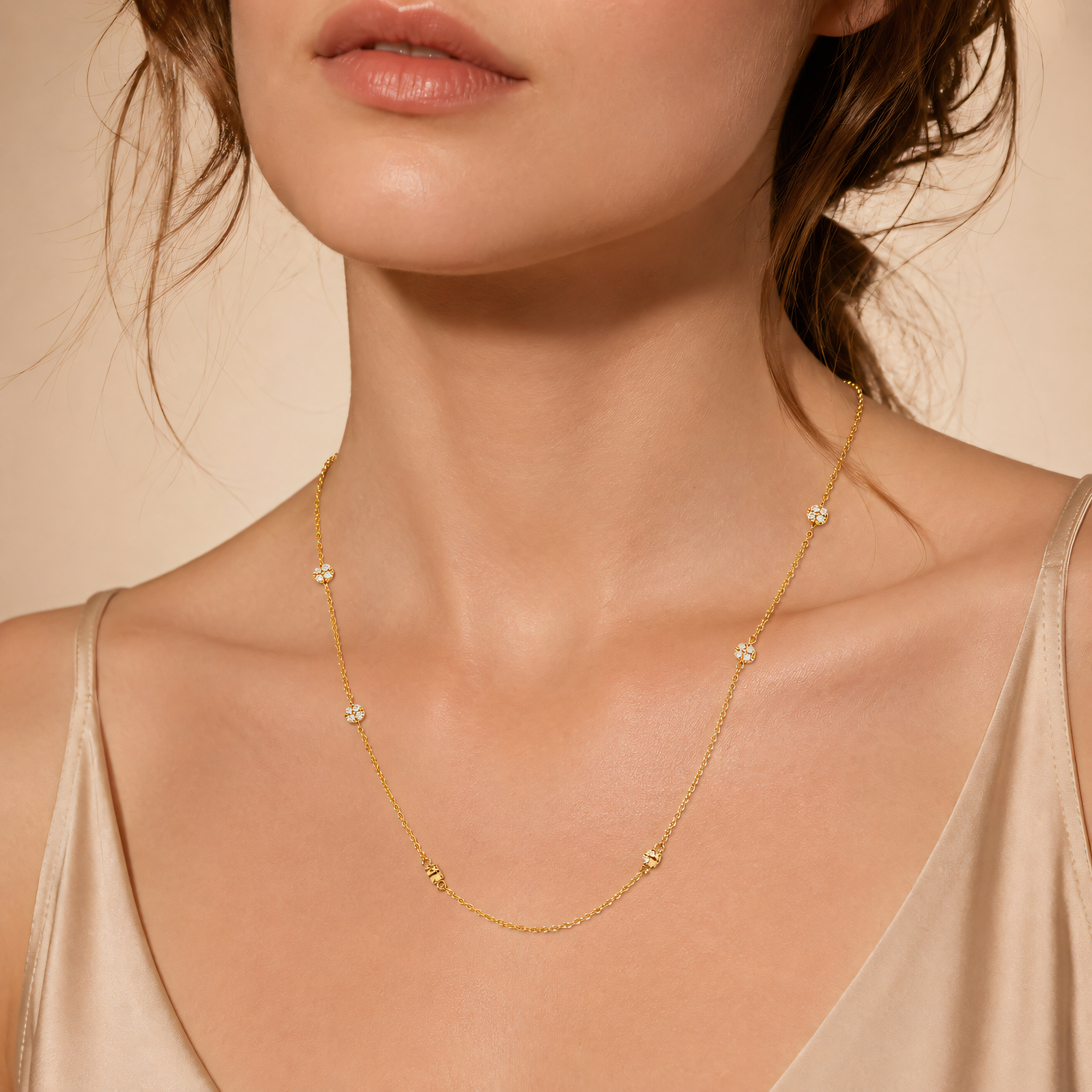
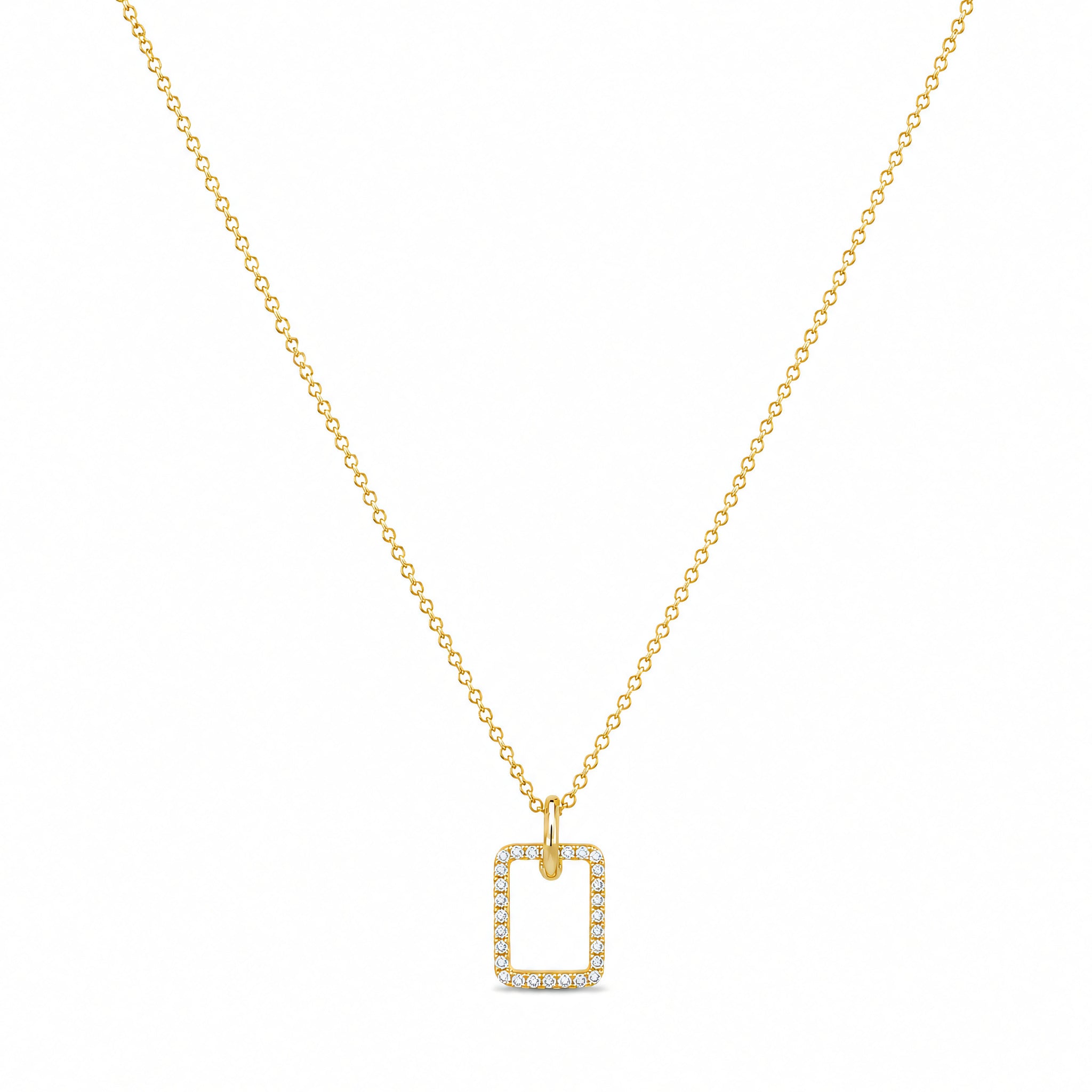
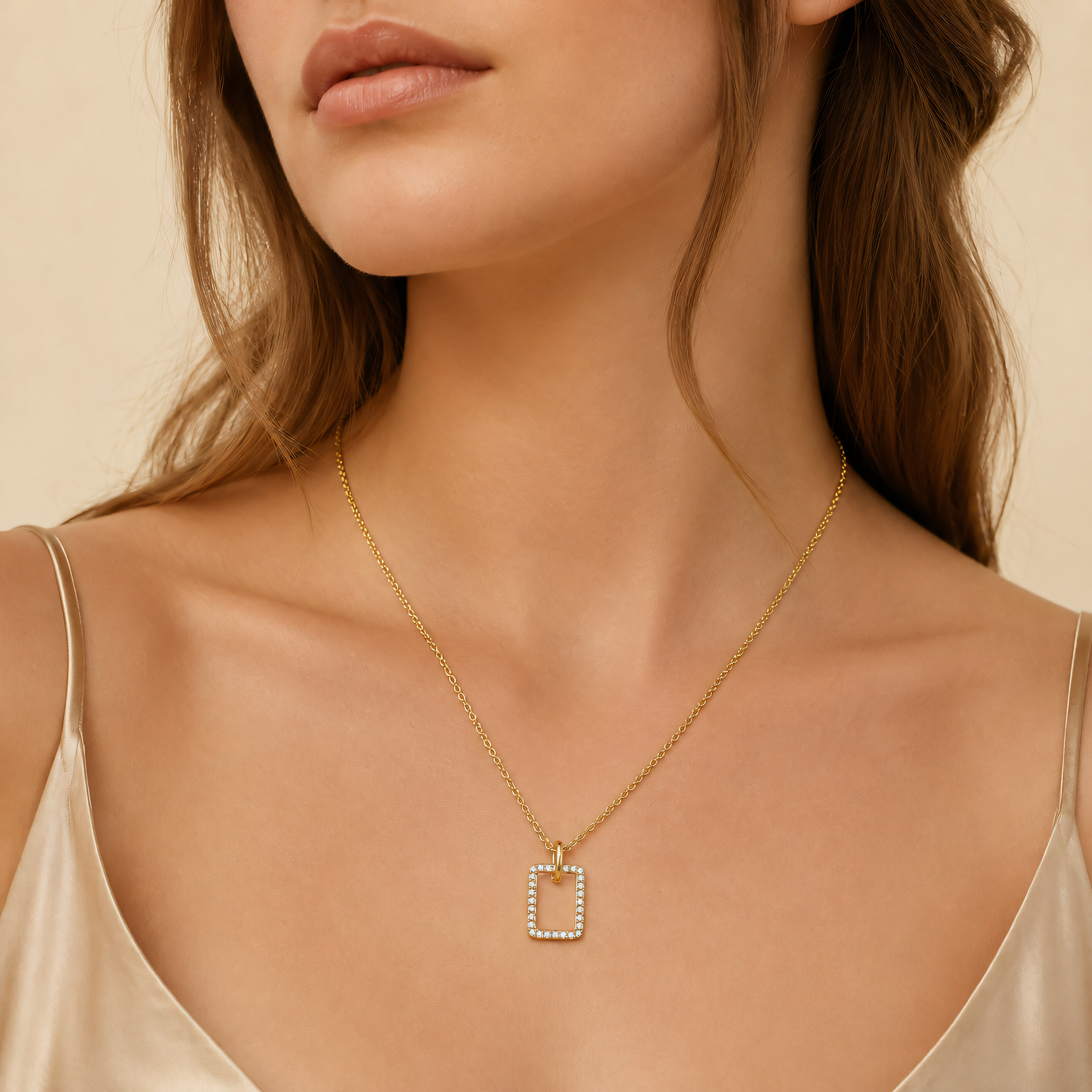
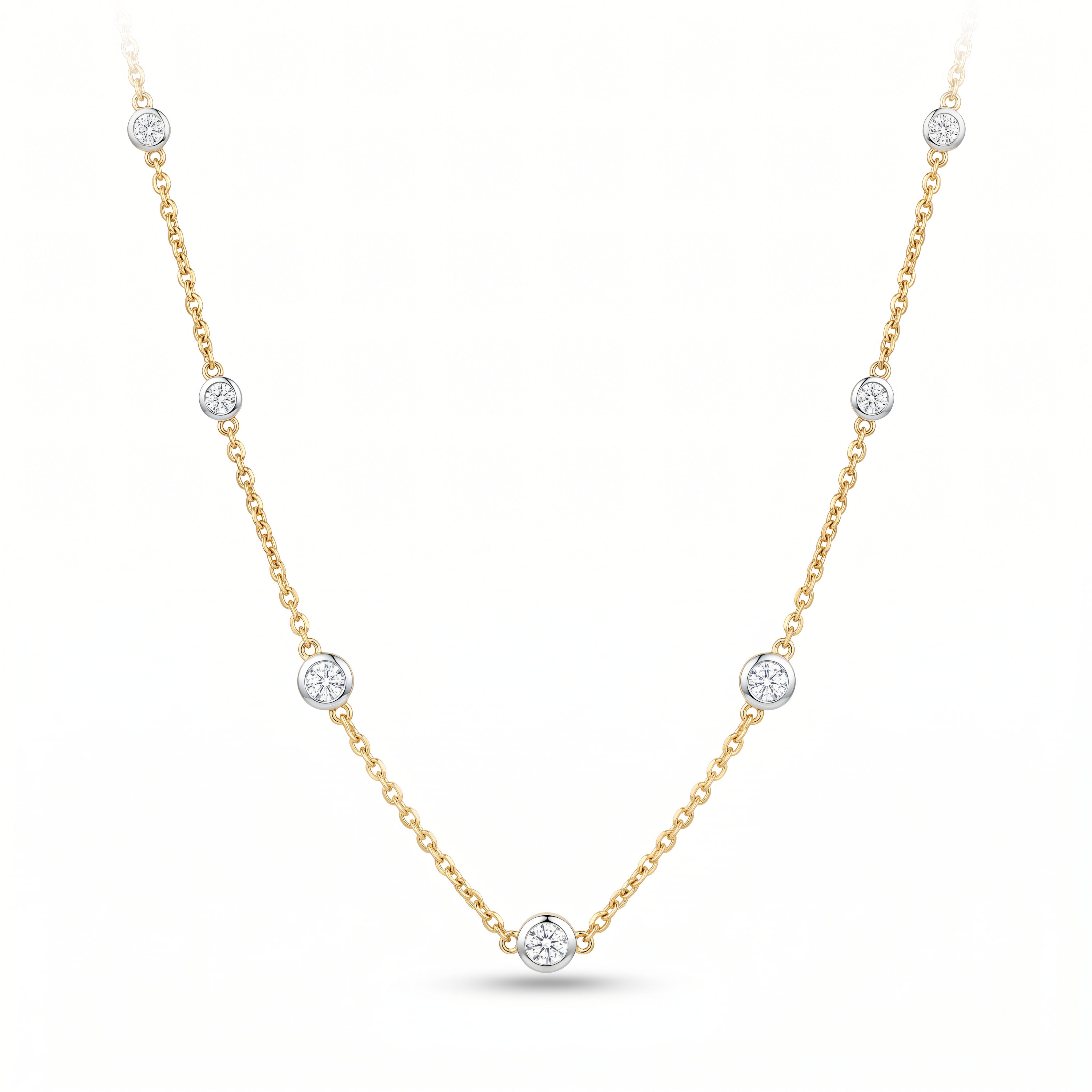
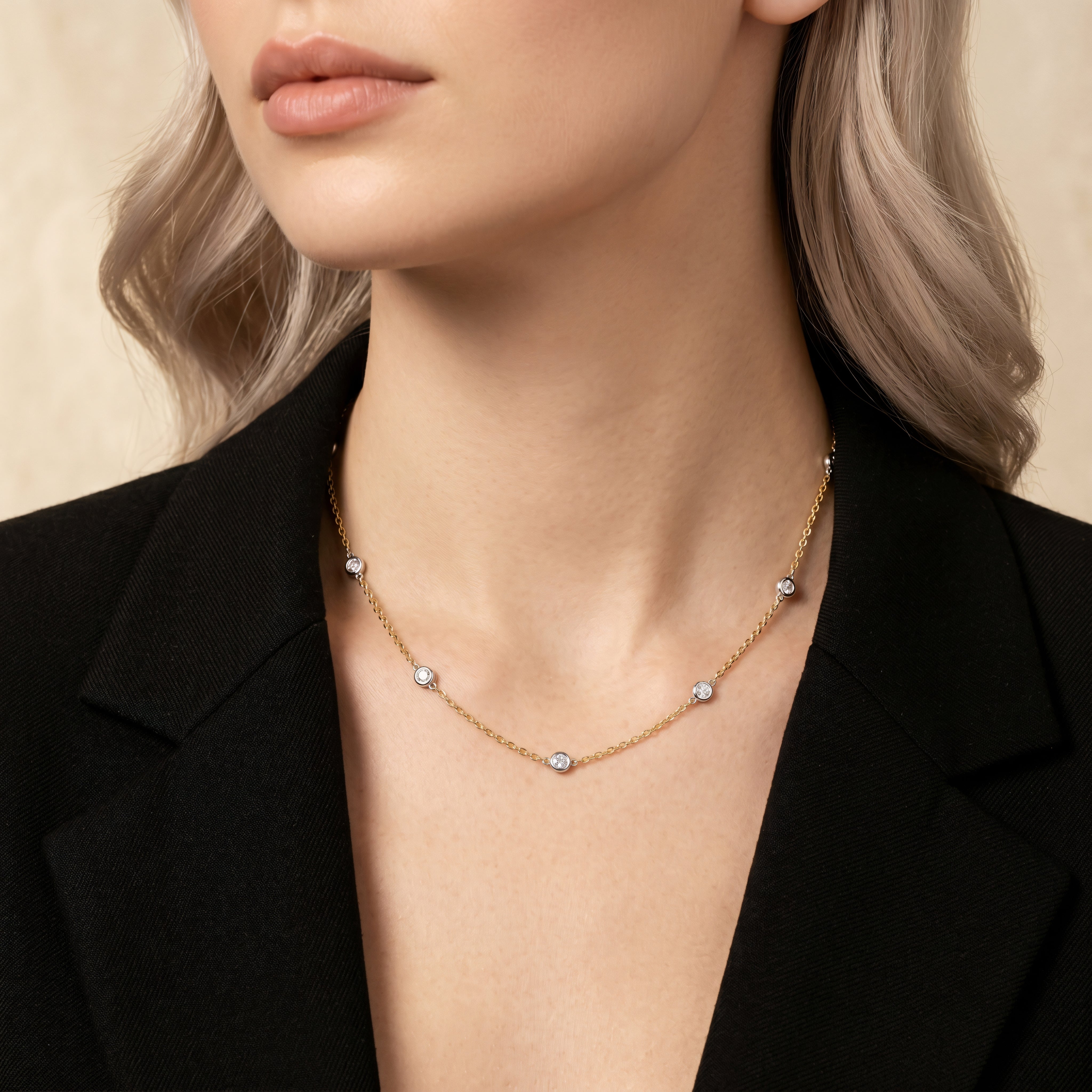
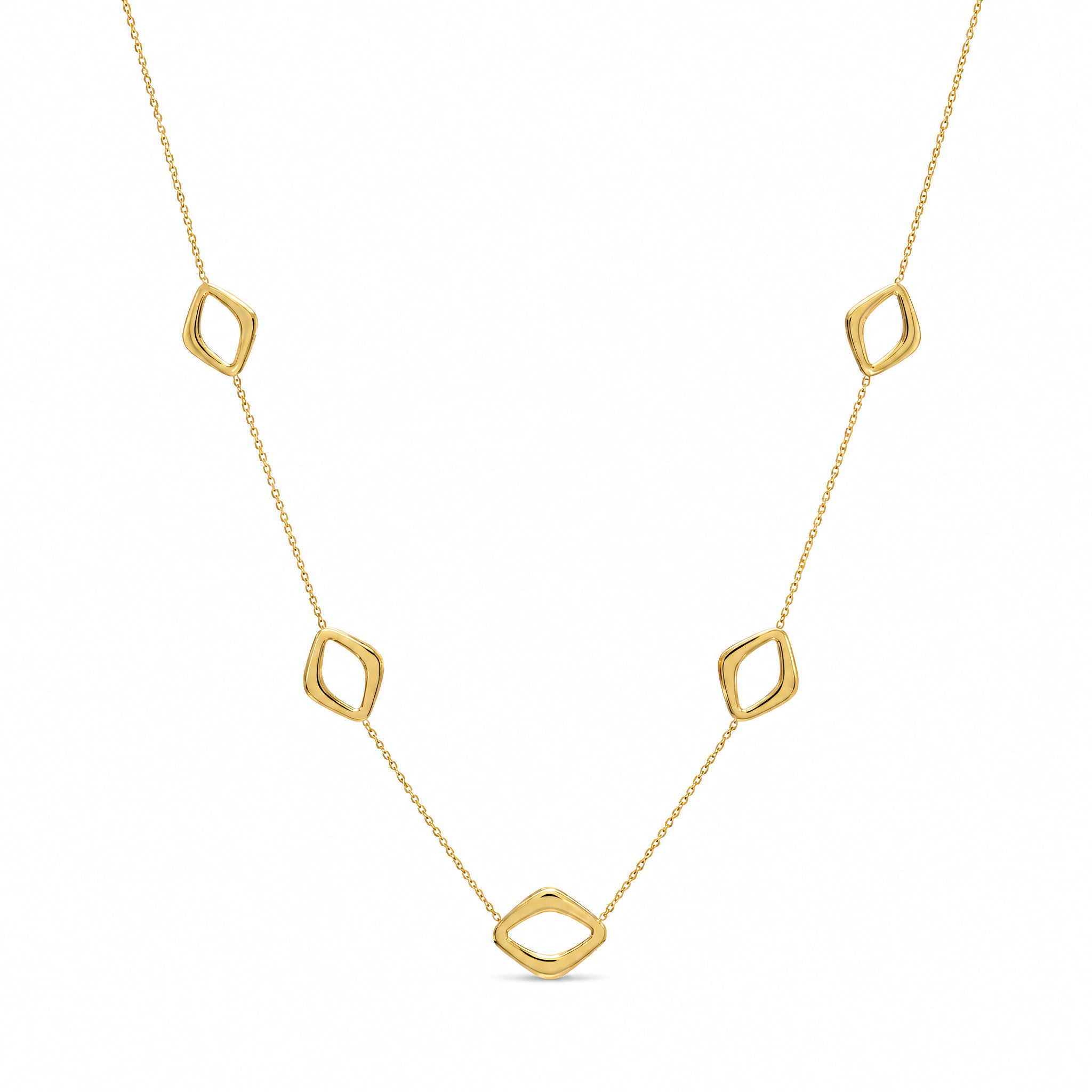
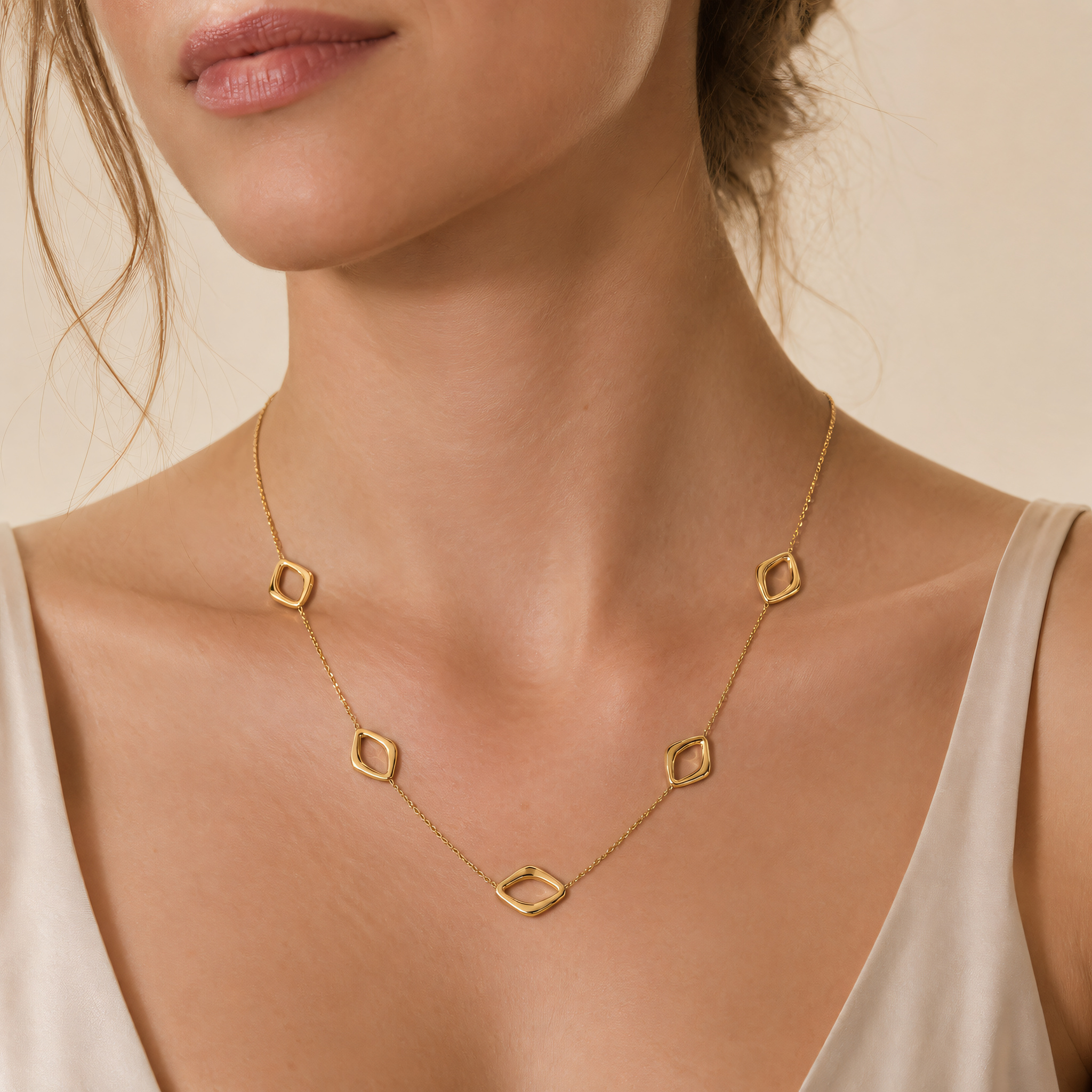
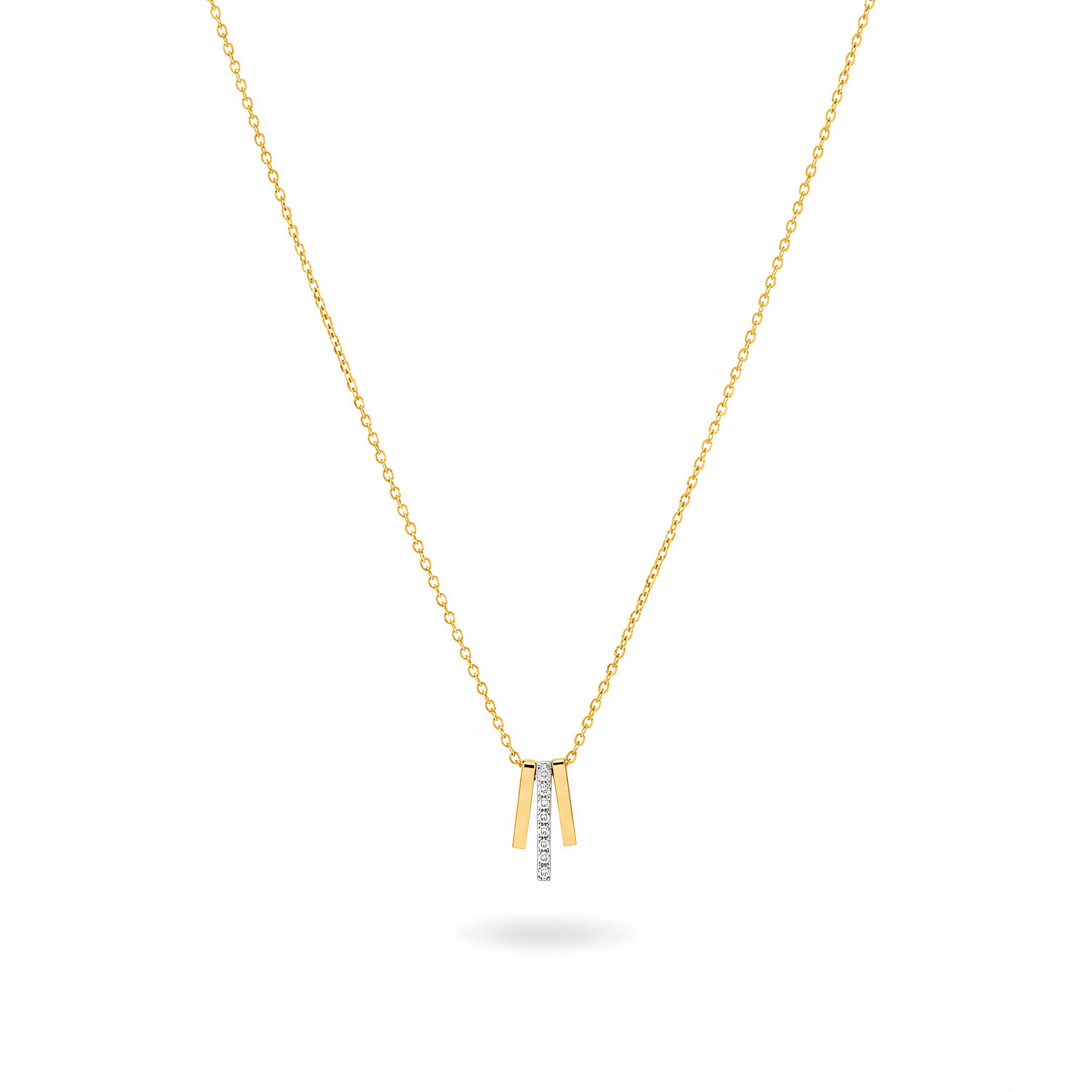
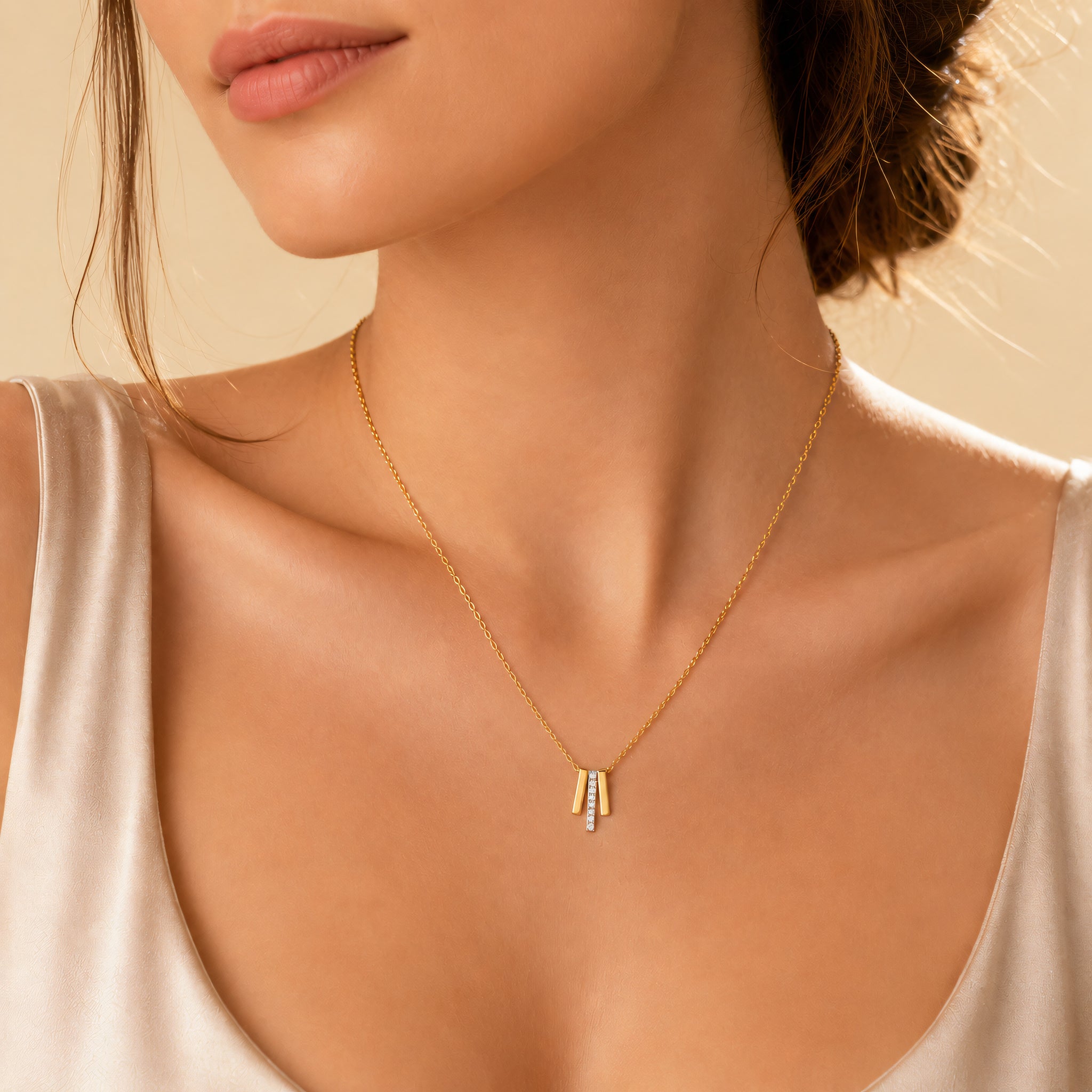
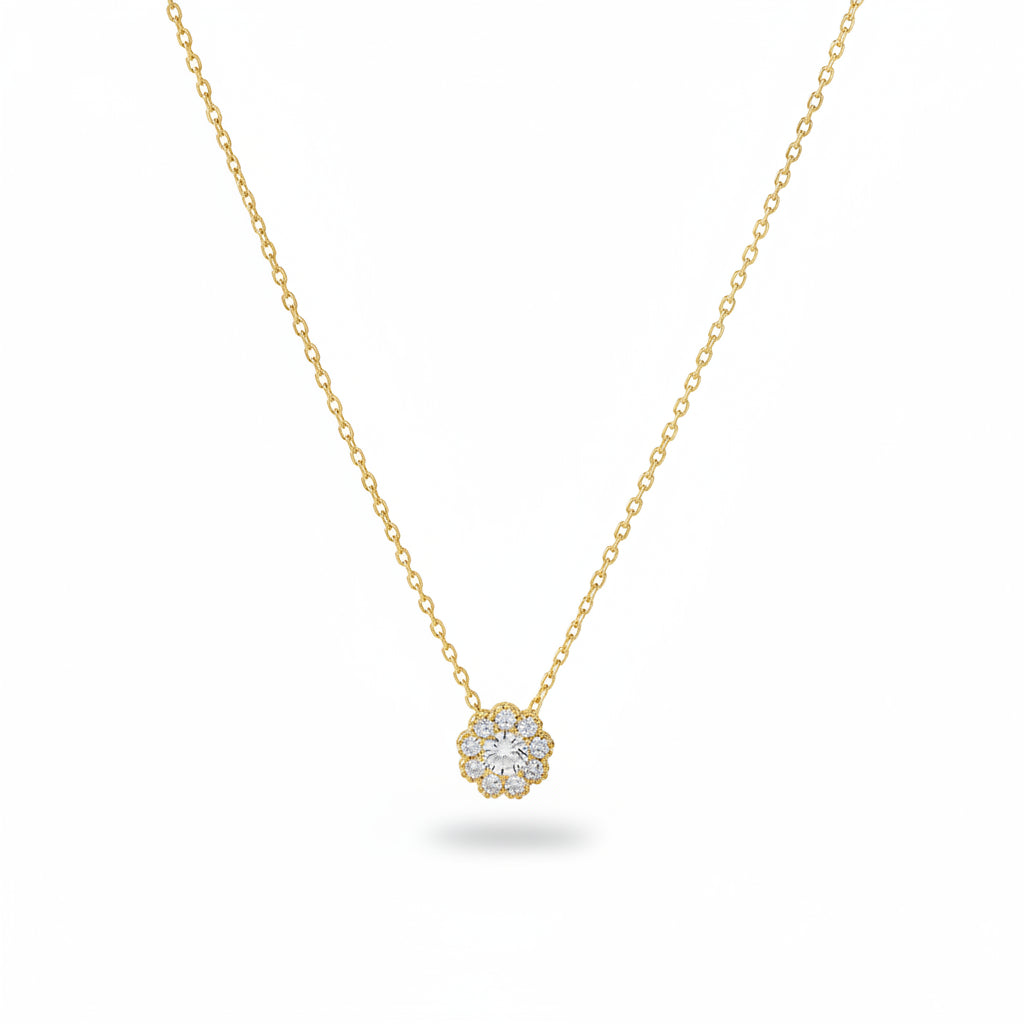
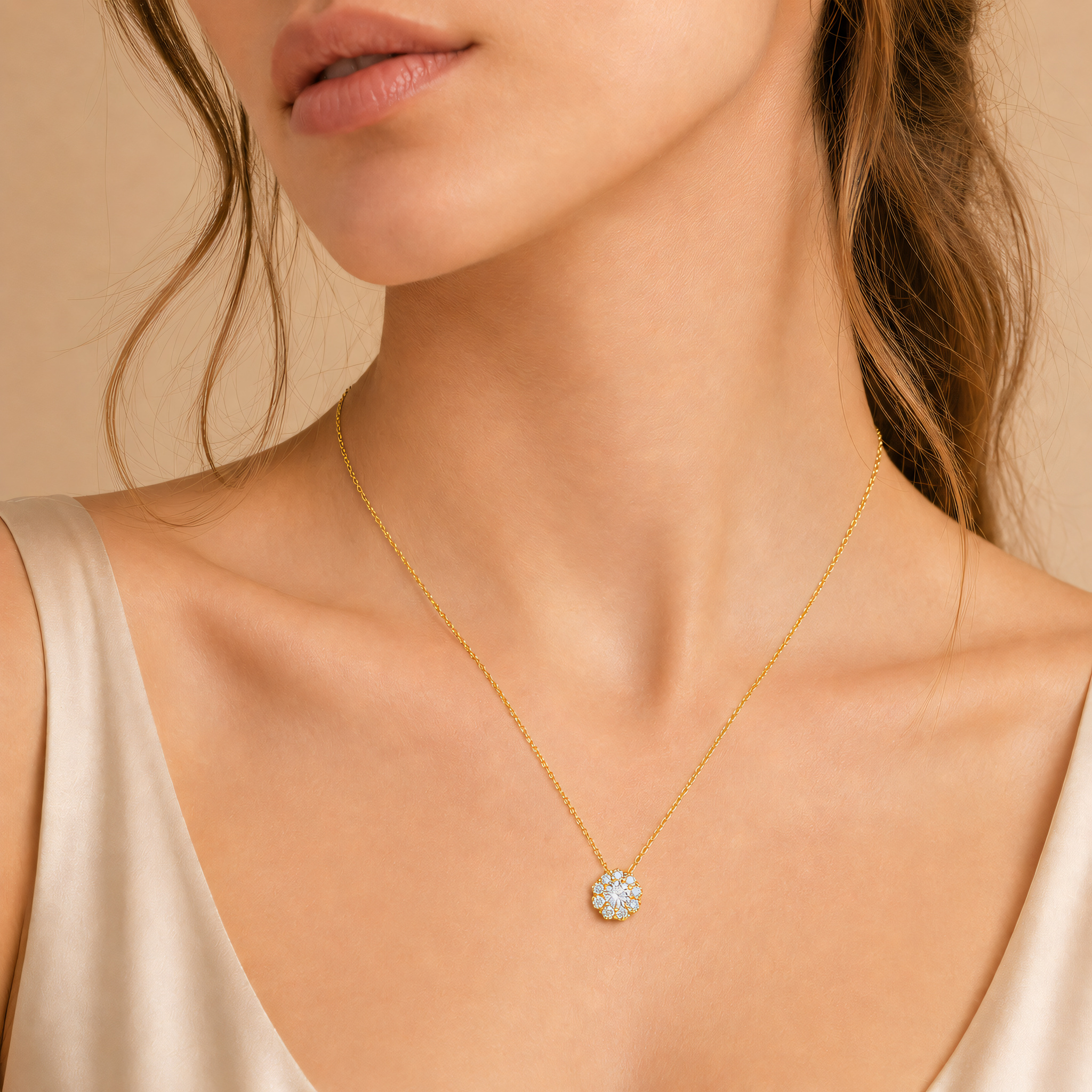
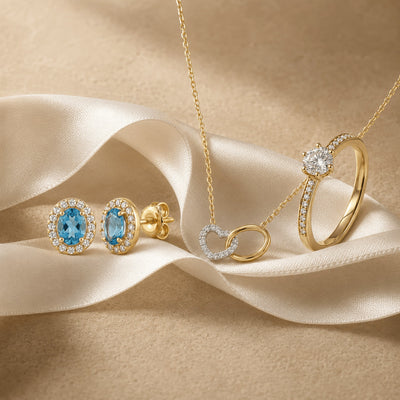
Those looking for colored gemstones in 585 gold will find a handpicked selection of gold necklaces with gemstones and gold rings with gemstones at Splendido Jewelry.

Emerald green: What matters about its color
With hardly any other gemstone is color as decisive for value as it is with emerald. Three criteria are particularly important:
- Hue: The most desirable green is vivid and rich, neither too light nor leaning toward blue or yellow.
- Saturation: Strong, even saturation makes the stone appear to glow from within.
- Brightness: Medium to deep green is considered ideal — a stone that is too dark appears dull.
Unlike with diamond, flawless clarity is neither the norm nor the goal for emeralds: Color takes center stage, and small inclusions are part of the stone.
Inclusions — the “Jardin” within the stone
Almost every natural emerald displays fine internal structures: tiny crystals, small fissures, and veils. In technical jargon, this network is called “Jardin,” French for garden — because under magnification it looks like an overgrown little garden. What would be considered a flaw in other stones is a sign of authenticity and part of an emerald’s character. A completely “clean” emerald is rare and correspondingly valuable — or it may be a synthetically grown stone.
These very inclusions make every emerald one of a kind: no two stones are ever exactly alike. Wearing an emerald therefore means wearing a piece of nature that exists in this form only once — a thought that further enhances the emotional value of such a piece.
Most emeralds are treated with a colorless oil or resin to visually close fine fissures. This has been customary for centuries and is accepted in the trade. The only important thing to know is that this treatment makes the stone sensitive to heat and chemicals — both should be avoided when caring for it.
Emerald meaning: Symbolism & history
Few gemstones have a history as rich as the emerald. Cleopatra is said to have had a fondness for green emeralds, and in ancient Egypt the stone was regarded as a symbol of eternal life. Over the centuries, many qualities have been attributed to emerald — to this day, it symbolizes hope, loyalty, and new beginnings. In the language of gemstones, its green color stands for growth and harmony.
Emerald is also the traditional birthstone for May and is considered the gemstone for the 55th wedding anniversary. This symbolism makes it a popular gift with a personal message — for example, as a wedding gift or for a special anniversary.
An emerald visibly carries its history within it — no stone is like another.
Splendido JewelryNatural emerald, synthetic emerald & imitations
In the trade, you will encounter three groups that differ significantly. A good overview helps you assess a stone’s value:
- Natural emerald: grown in the earth, with a characteristic Jardin. The most valuable and sought-after stone — and the one with the richest history.
- Synthetic emerald: grown in a laboratory and chemically identical to the natural stone, but usually clearer and significantly less expensive.
- Imitations: green glass or other colored stones that merely imitate the color. They have nothing in common with a genuine emerald.
When you buy, a reputable supplier will always provide information about the stone’s origin and any treatment it has received. Splendido Jewelry focuses on genuine materials and fair prices and clearly states what you are purchasing.
Emerald jewelry: Engagement ring, ring & necklace
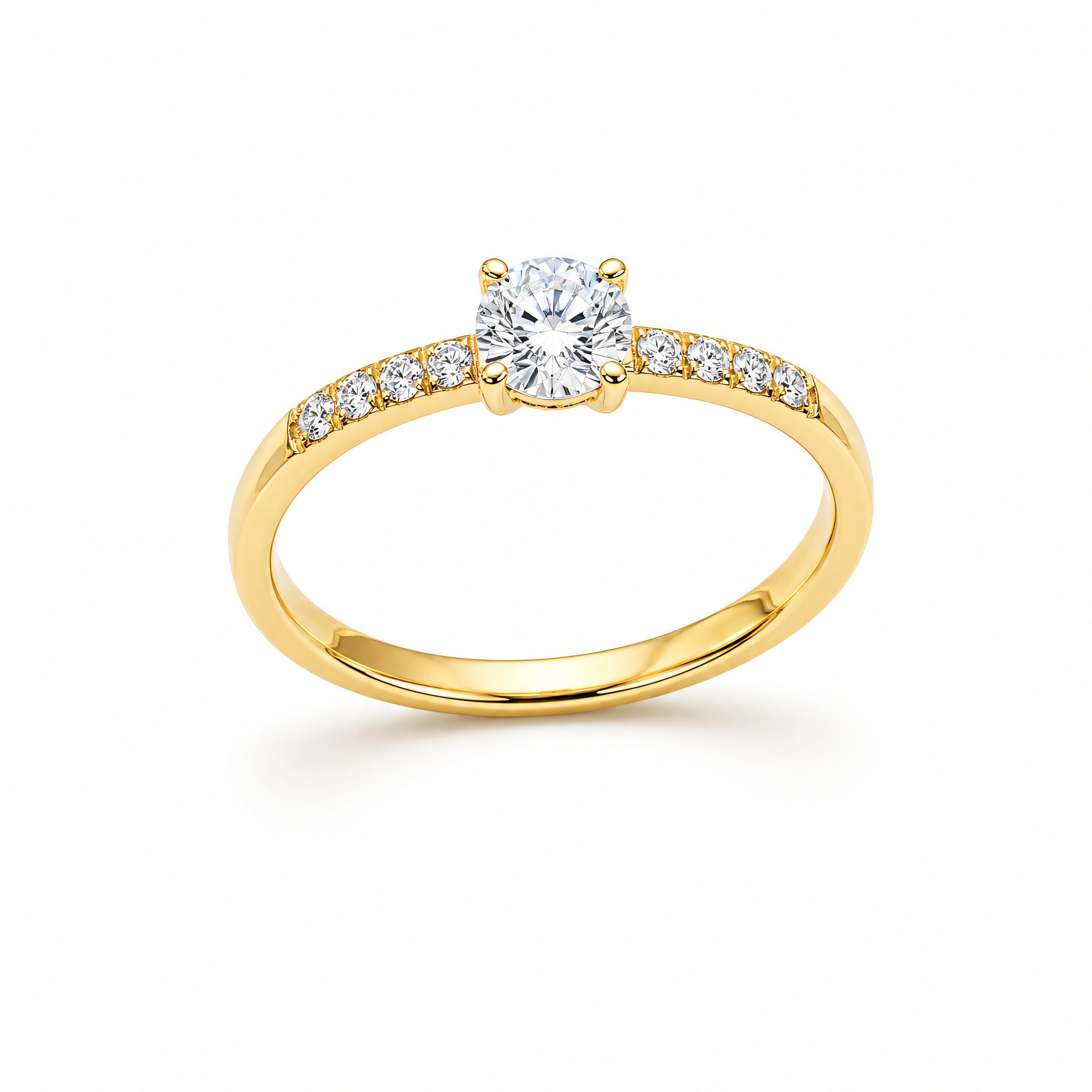
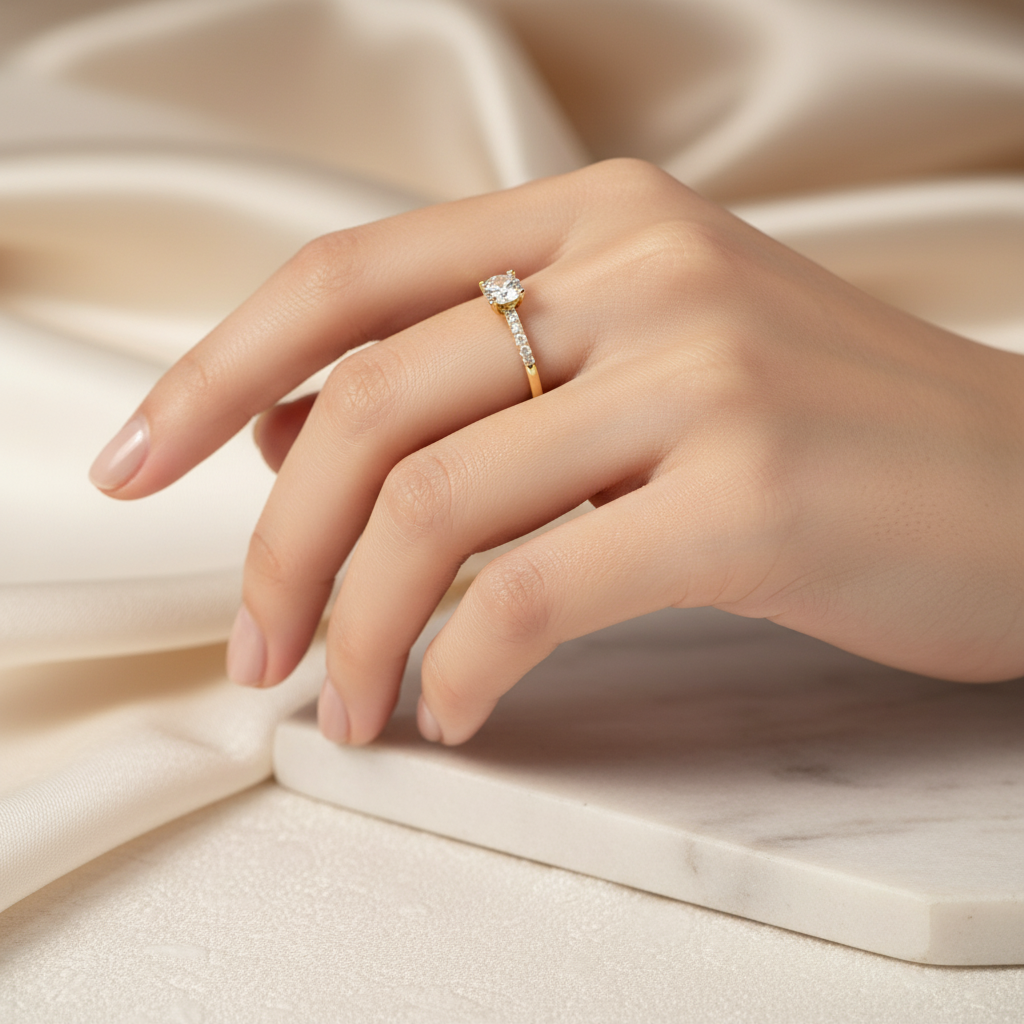
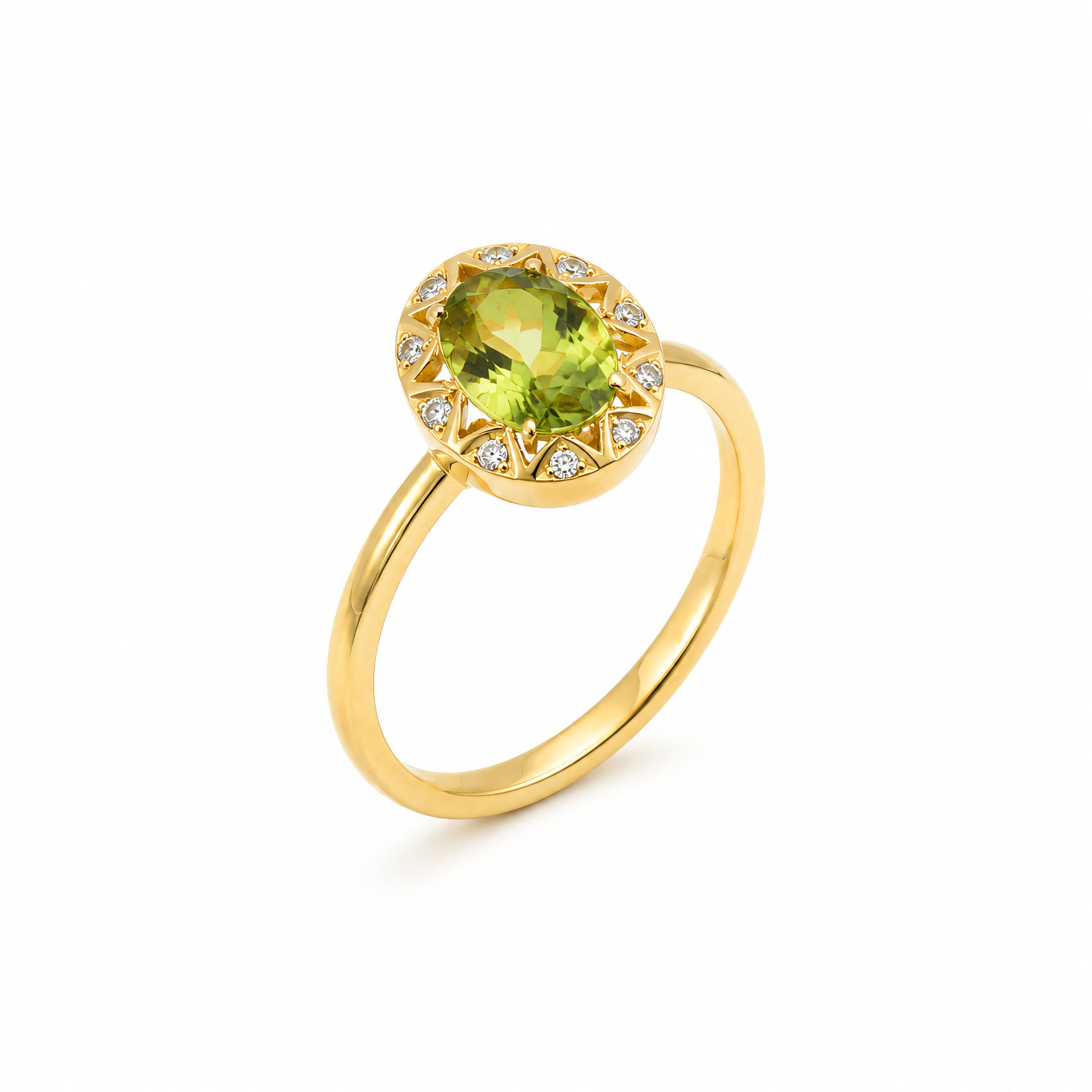
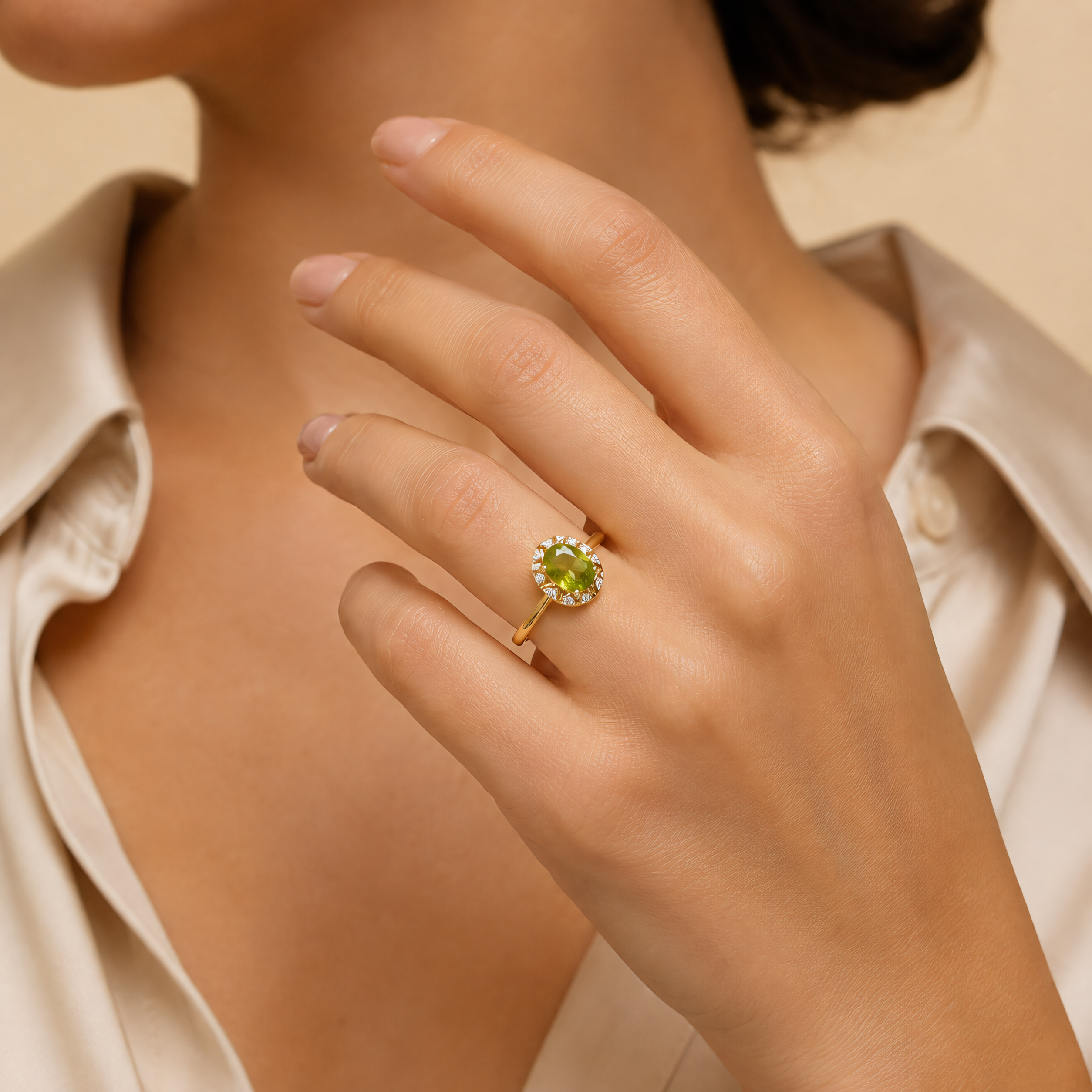
Its deep green color makes emerald an expressive centerpiece — especially in warm 585 yellow gold, which frames the color elegantly. As an emerald engagement ring, it is a distinctive alternative to the classic solitaire and symbolizes loyalty and a shared new beginning. A gold ring with an emerald is just as striking as a solitaire as it is surrounded by small brilliant-cut diamonds in a halo setting.
Because emerald is more sensitive than diamond, a protective setting that encloses the stone’s edges is worthwhile. At Splendido Jewelry, you will find colored gemstones in 585 gold rings and gold jewelry — handpicked and set in nickel-free 585 gold that does not tarnish.
How to care for an emerald properly
However hard an emerald may be, its inclusions and the customary oil treatment make it one of the more sensitive gemstones. With a little care, it can accompany you for a lifetime:
- Clean emerald jewelry only with lukewarm water, a drop of mild dish soap, and a soft cloth.
- Be sure to avoid ultrasonic and steam cleaners — heat and vibration can damage the stone.
- Keep the emerald away from perfume, hairspray, and harsh cleaning products; put the jewelry on only after applying cosmetics.
- Store it separately and in a padded place so that harder stones cannot scratch it.
Remove emerald jewelry before housework, sports, and bathing. This helps prevent impacts and contact with chemicals — the two most common causes of damage to this stone.
Colored gemstones from Splendido Jewelry
Whether you love the deep green of emerald or other vivid colored gemstones, at Splendido Jewelry you will find handpicked, carefully selected gemstone jewelry pieces in genuine 585 gold from Italian goldsmiths. Discover our gold necklaces with gemstones as well as suitable gift ideas for an engagement. At Splendido Jewelry, you enjoy free shipping and returns as well as a 30-day right of return.