








Sapphire is the blue variety of the mineral corundum — and, after diamond, one of the hardest gemstones of all. With a Mohs hardness of 9, sapphire is exceptionally scratch-resistant, making it ideal for jewelry worn every day. Its deep, velvety blue has been regarded for centuries as a symbol of loyalty, wisdom, and constancy. But sapphire is not always blue: the family ranges from pink and yellow to colorless.
What exactly is a sapphire?
Sapphire and ruby are essentially the same stone: both consist of the mineral corundum, a compound of aluminum and oxygen. Pure corundum is colorless. Tiny traces of other elements create the color — iron and titanium turn the stone blue, while chromium turns it red. Red corundum is called ruby; all other shades are called sapphire. The name derives from the Greek sappheiros, meaning “blue stone.”
This relationship also explains why sapphire is so robust. On the Mohs scale, which measures the scratch resistance of minerals, it reaches a value of 9 out of 10 — only diamond, at 10, is harder. In everyday life, this means a sapphire can withstand decades of wear without becoming dull or scratched.

Sapphire blue — and the other colors available
When people hear the word sapphire, most think of the classic, vivid blue. This very shade is what makes the stone famous. Yet its spectrum is much broader than many people realize:
- Blue: the classic — from light cornflower blue to deep, velvety royal blue. A pure, intense blue is considered especially desirable.
- Pink & rose: delicate to vivid pink shades, a modern and romantic alternative to blue.
- Yellow & orange: warm, sunny tones reminiscent of honey or amber.
- Colorless (white): a clear, diamond-like stone that is often used as an accent.
- Padparadscha: a rare blend of pink and orange — probably the most sought-after of all fancy sapphires.
All colored corundum except red bears the name sapphire — usually with a color designation, such as “pink sapphire.” Only red corundum is called ruby. A “white sapphire” is therefore not a dyed stone, but nearly pure corundum without coloring trace elements.
Sapphire meaning: what the blue stone represents
Few gemstones are associated with as much symbolism as sapphire. In many cultures, its deep blue has long been regarded as a symbol of loyalty, wisdom, and truth. In the Middle Ages, kings and clergy wore sapphires as signs of dignity and constancy; the stone was associated with heaven and inner peace.
To this day, sapphire symbolizes a faithful, lasting bond — one reason it is so popular as a stone for engagement rings. It also has an established meaning as the birthstone for September. These associations have developed culturally and historically; they say nothing about physical effects, but reflect the fascination the stone has inspired over the centuries.
Sapphire’s blue has always been regarded as the color of loyalty — a promise given lasting form in a stone.
Splendido JewelrySapphire jewelry: rings, necklaces & what to look for
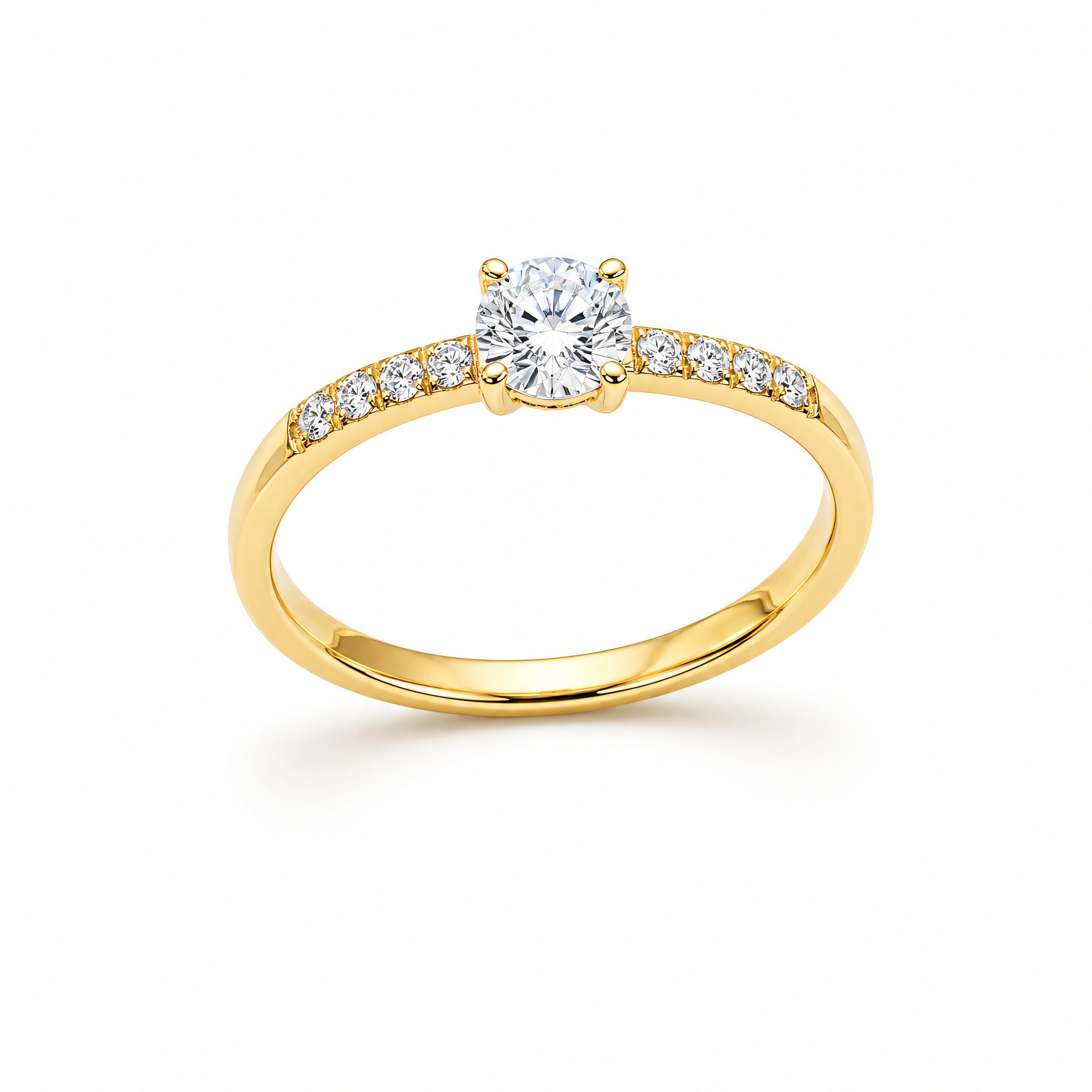
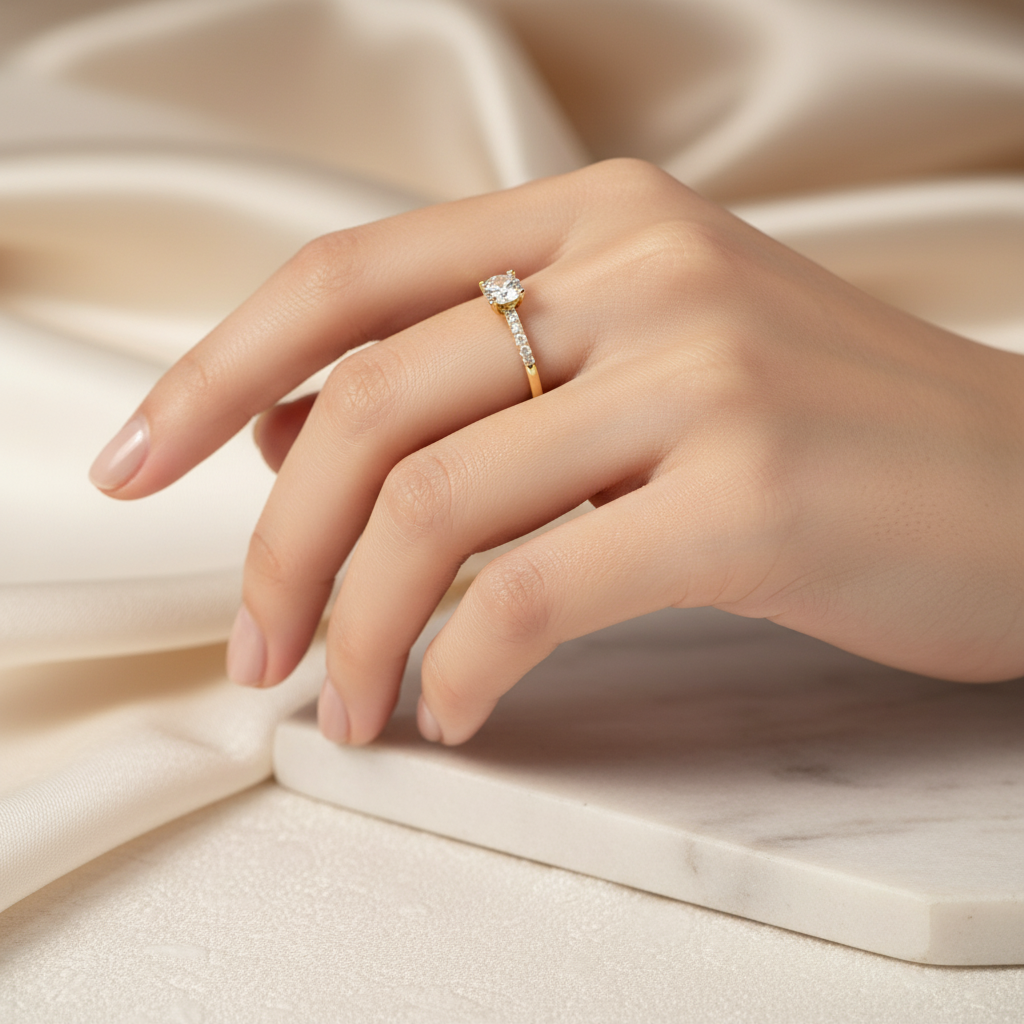
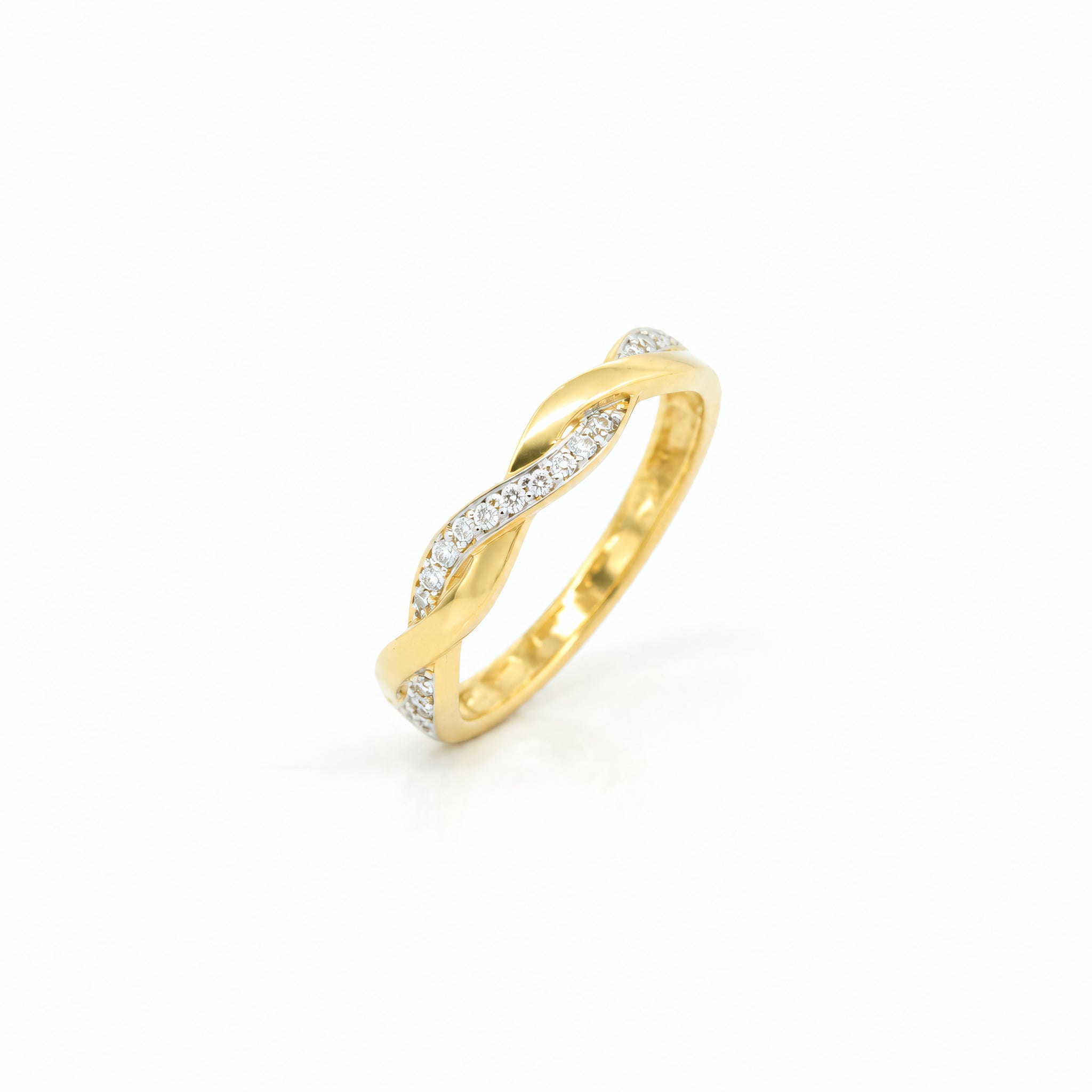
Thanks to its hardness, sapphire is suitable for almost every type of jewelry — especially pieces worn every day. In an engagement ring with sapphire, the symbolism of loyalty combines with excellent everyday durability: the stone remains radiant even after years of wear. When buying, it is worth considering four points:
- Color: An even, rich blue is considered the most valuable characteristic — but what matters most is that you like the color.
- Setting: Yellow, white, or rose gold each showcases the stone differently. White gold particularly complements the cool blue.
- Cut: A good cut gives the stone lively sparkle and brings out its depth of color.
- Setting material: At Splendido Jewelry, sapphires are set in 585 gold — nickel-free, skin-friendly, and resistant to tarnishing.
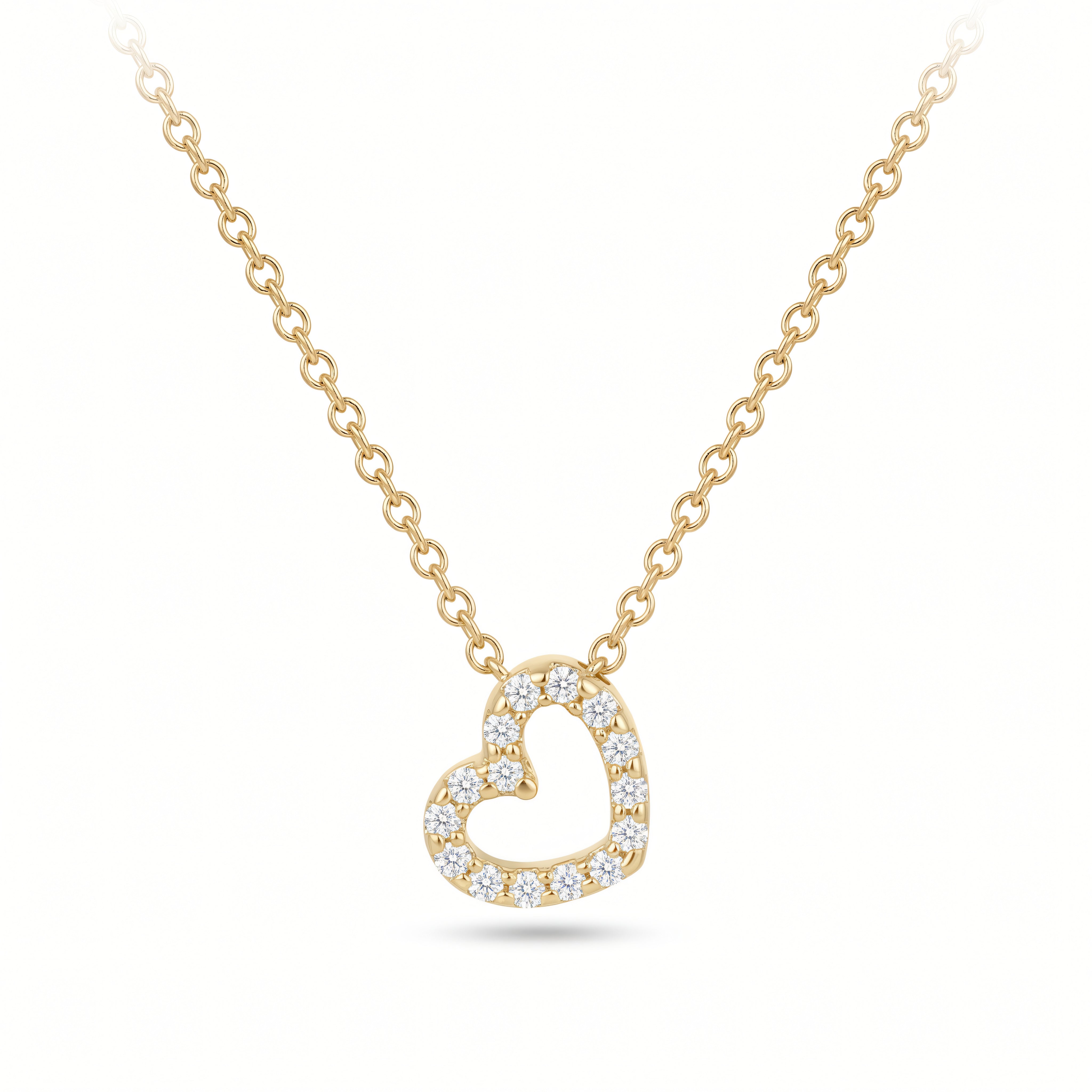
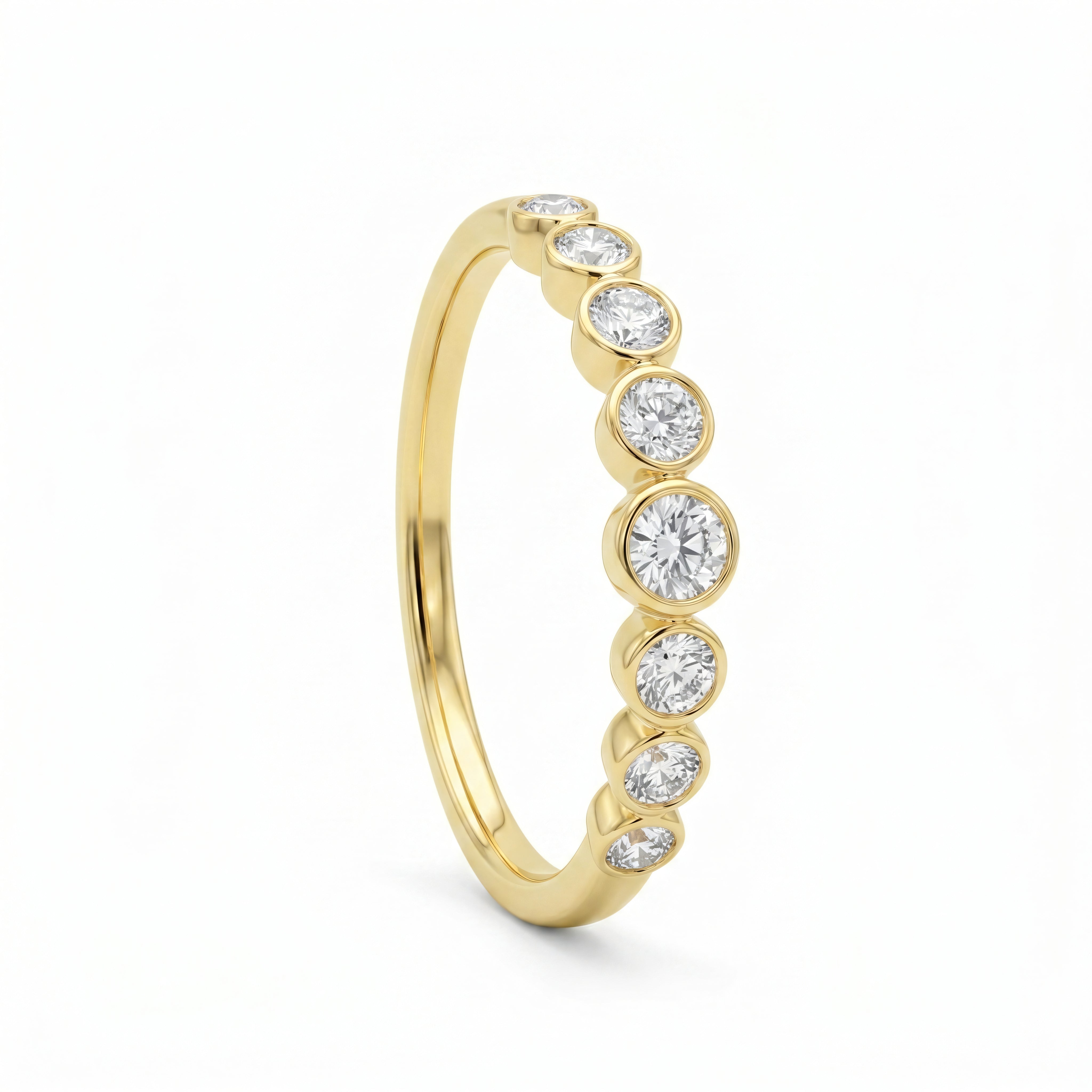
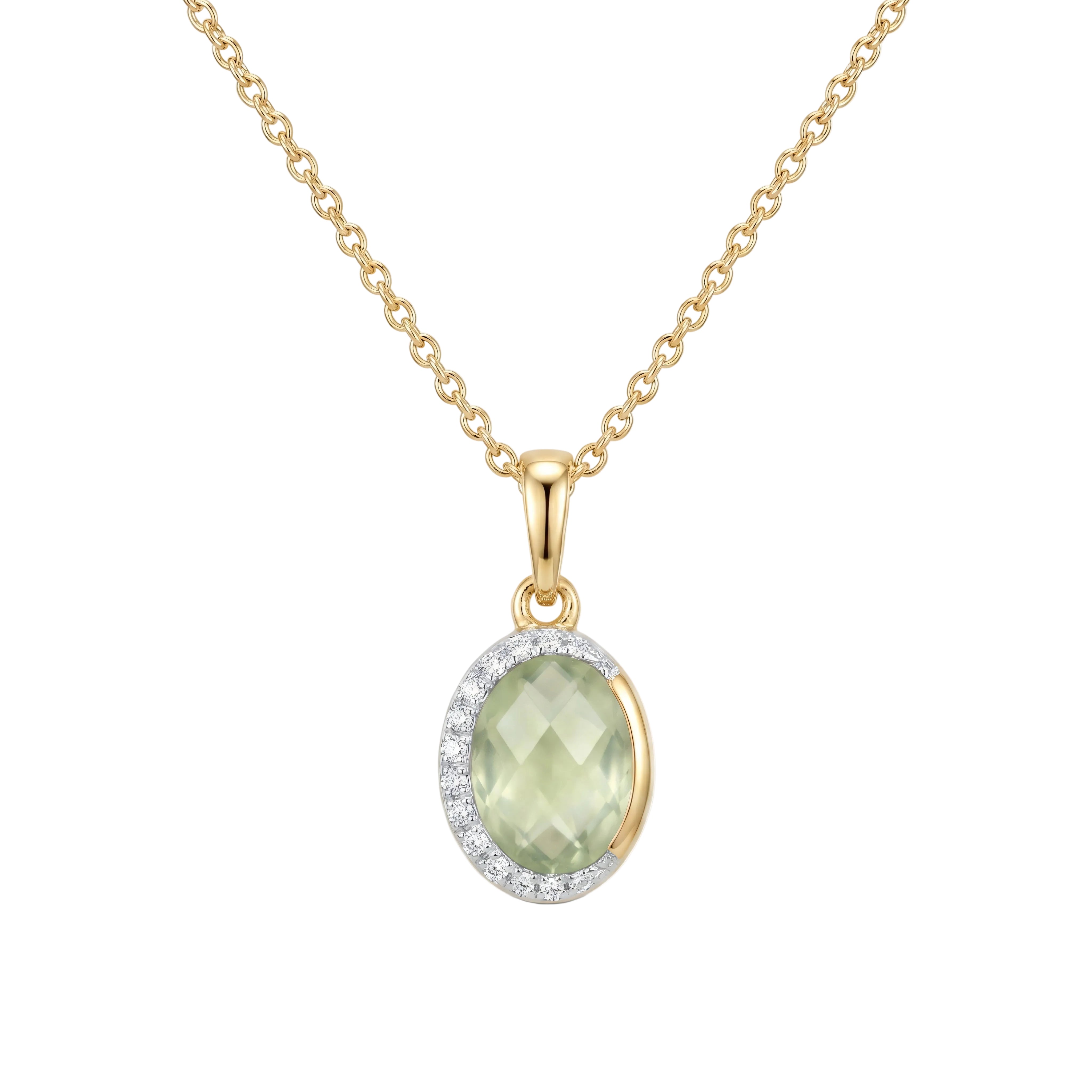
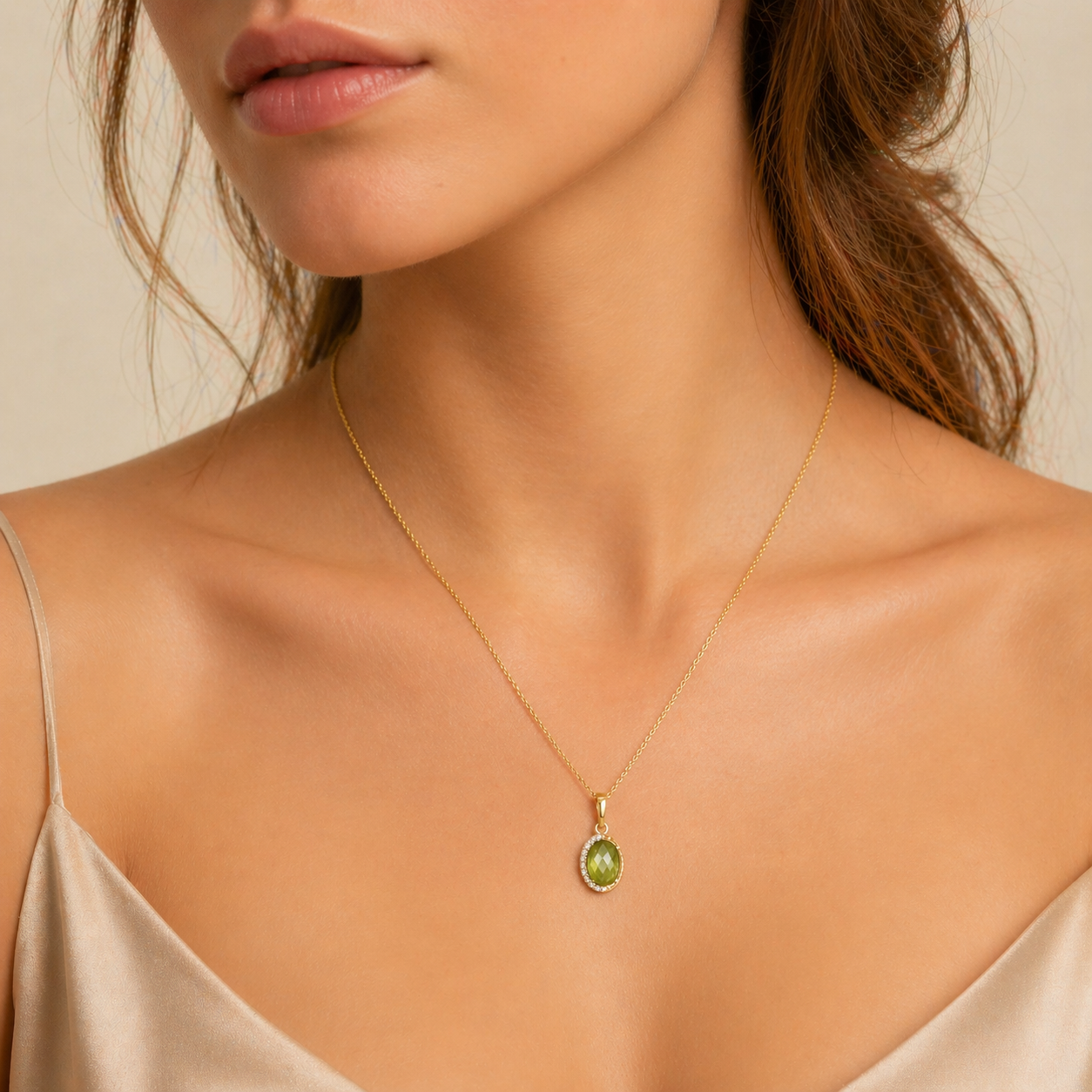
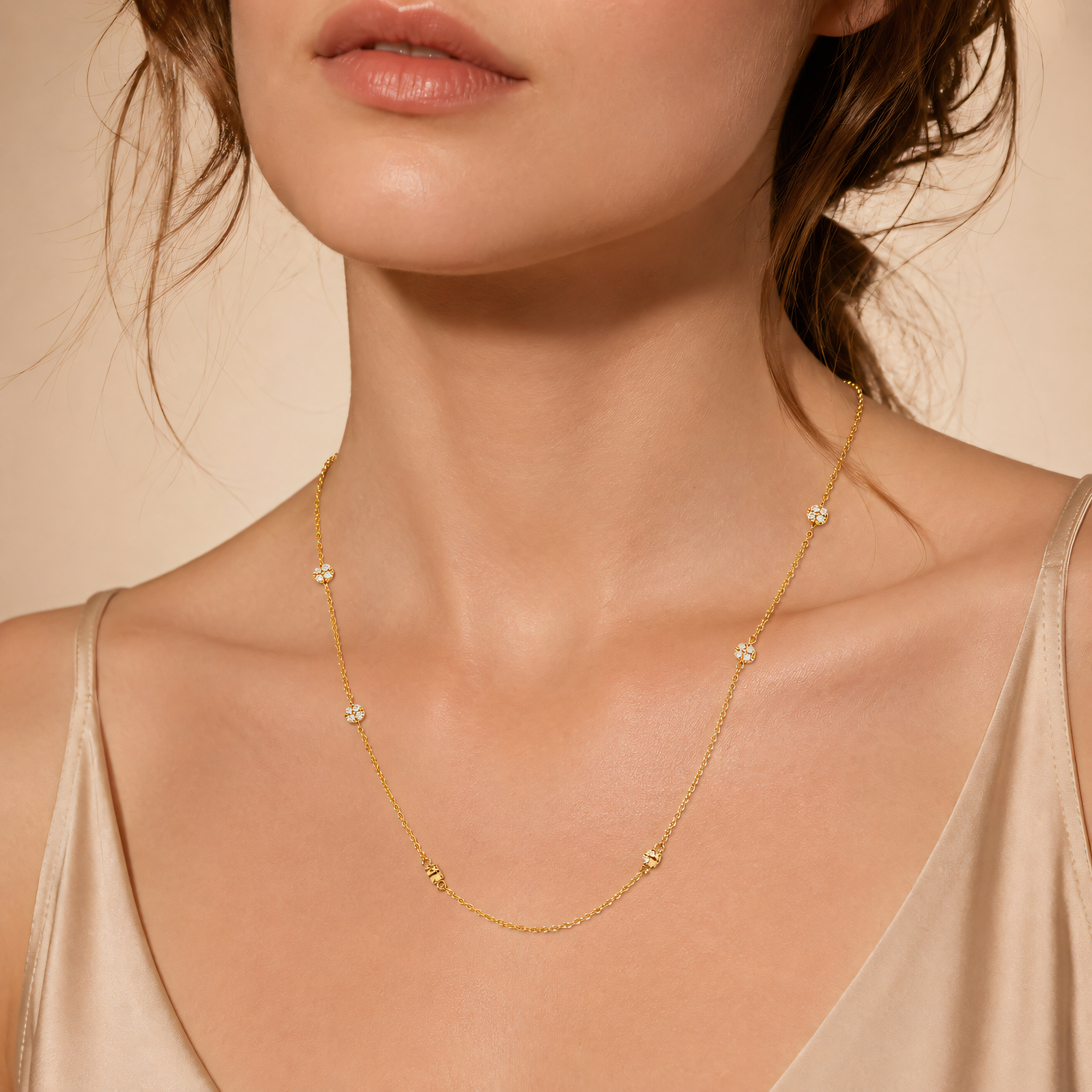
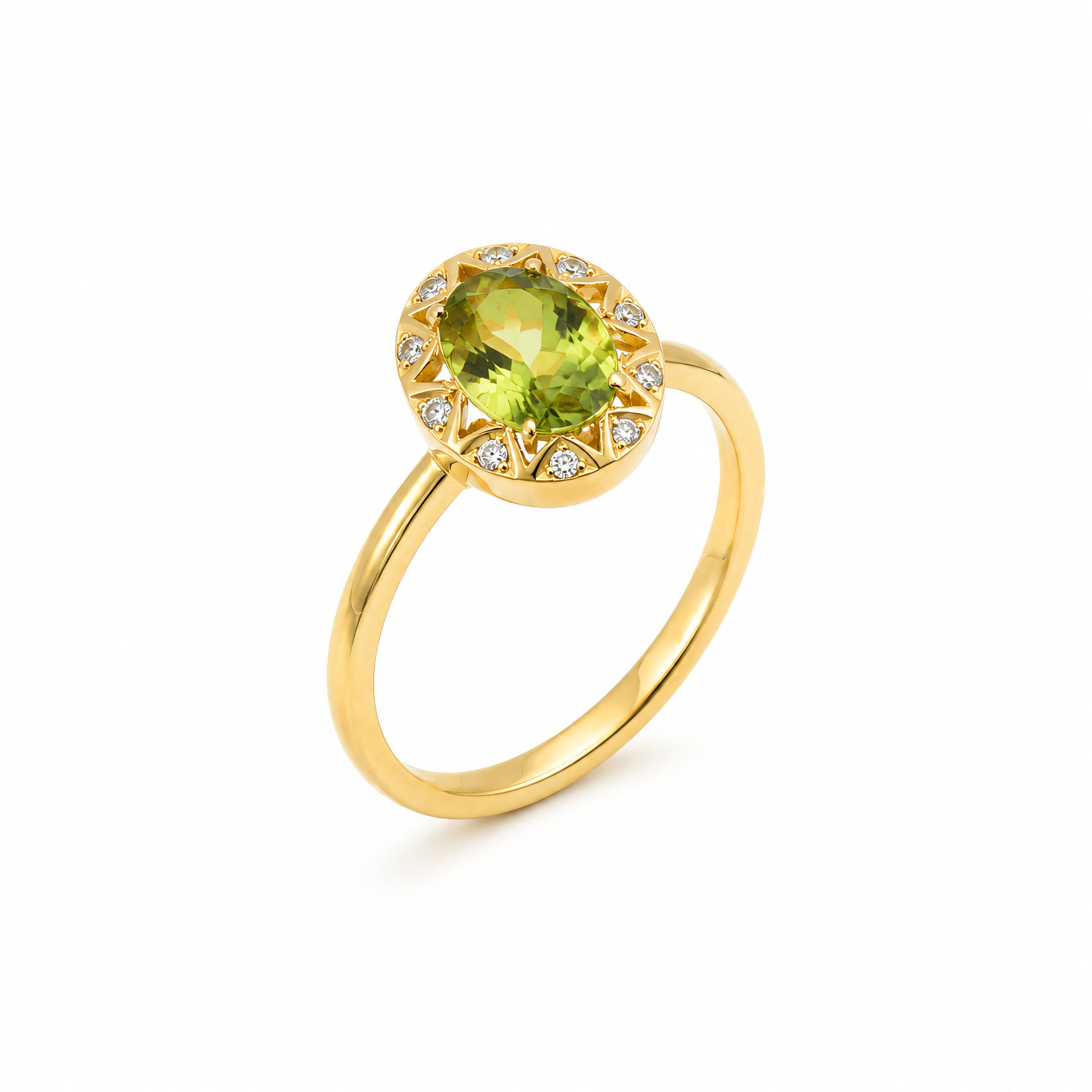
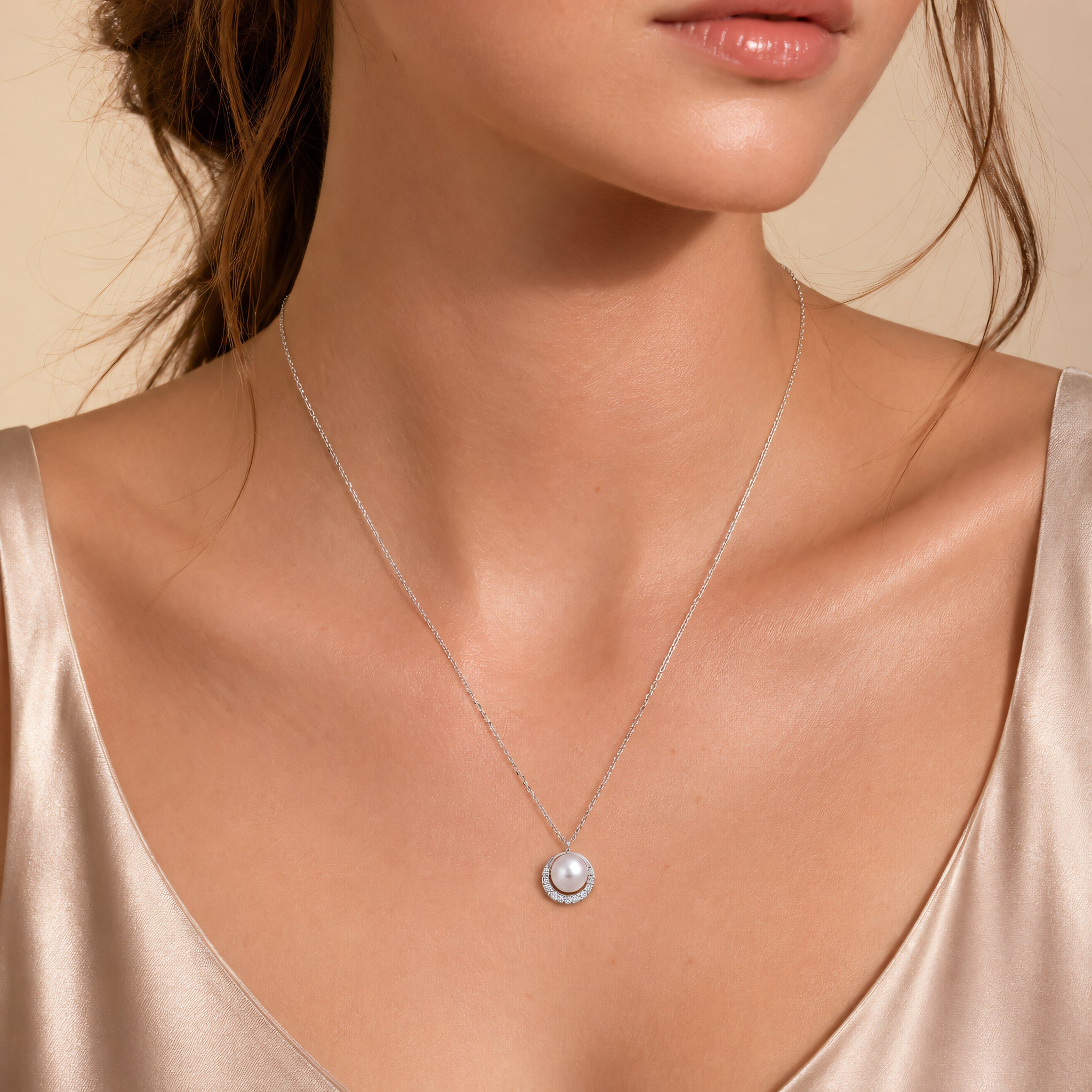
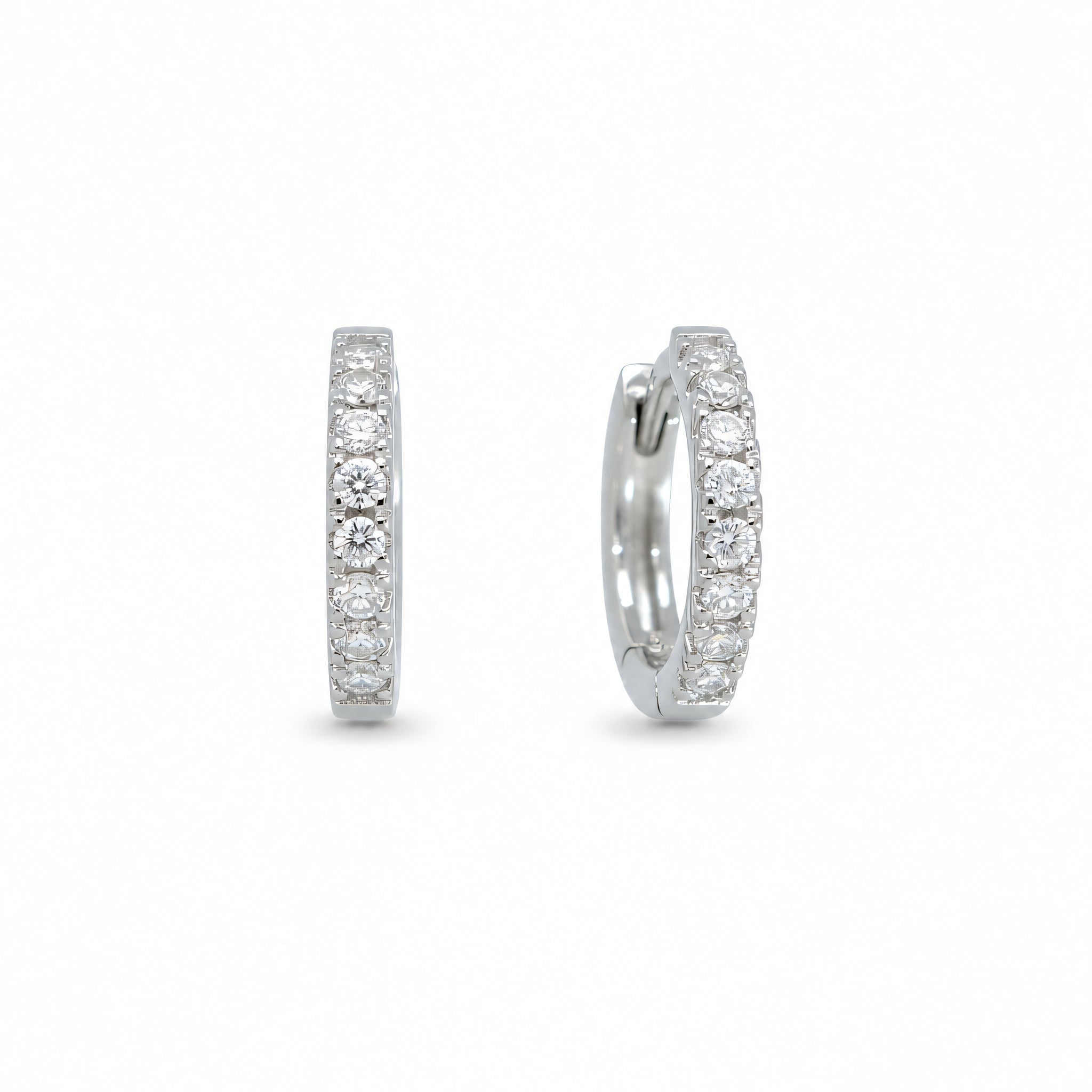
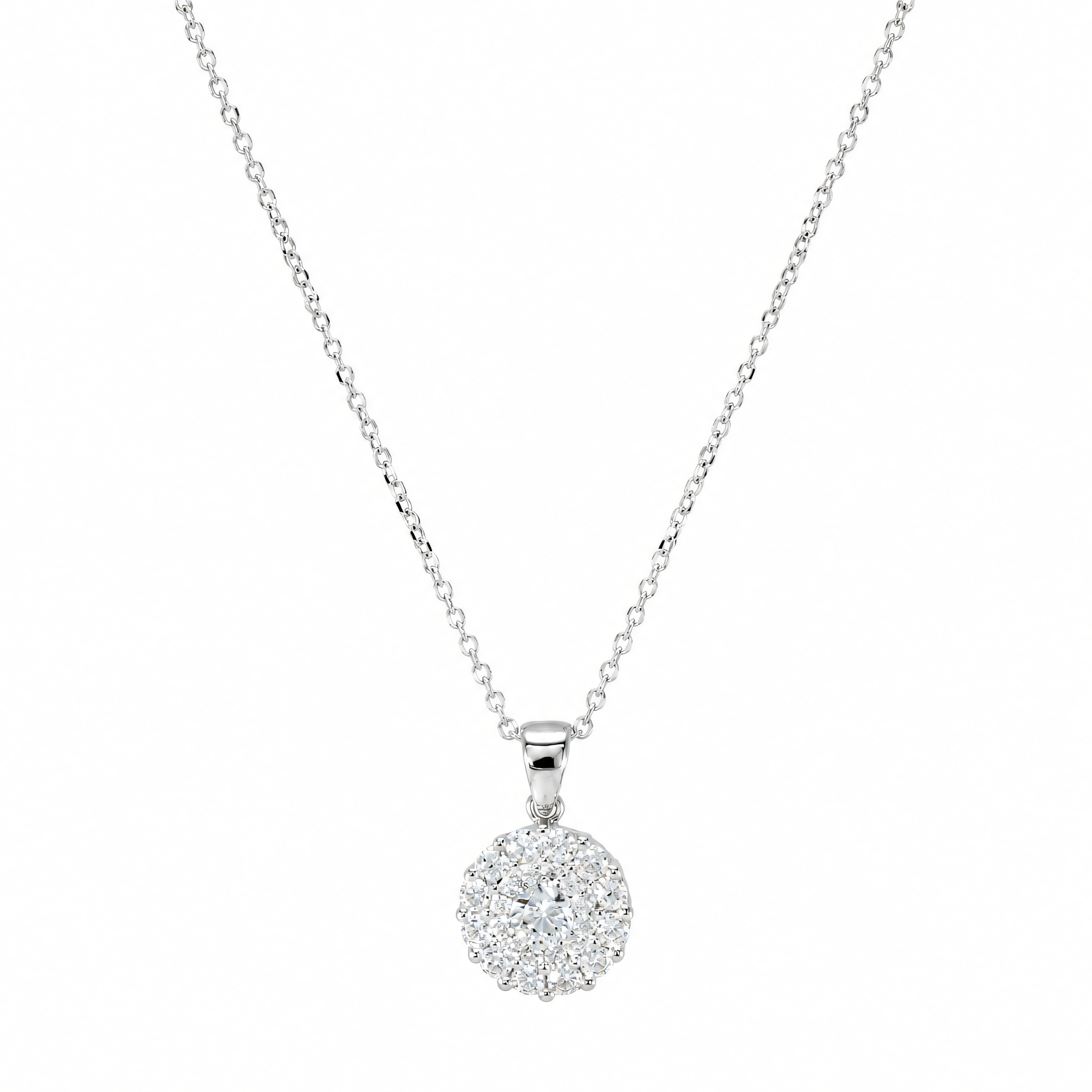
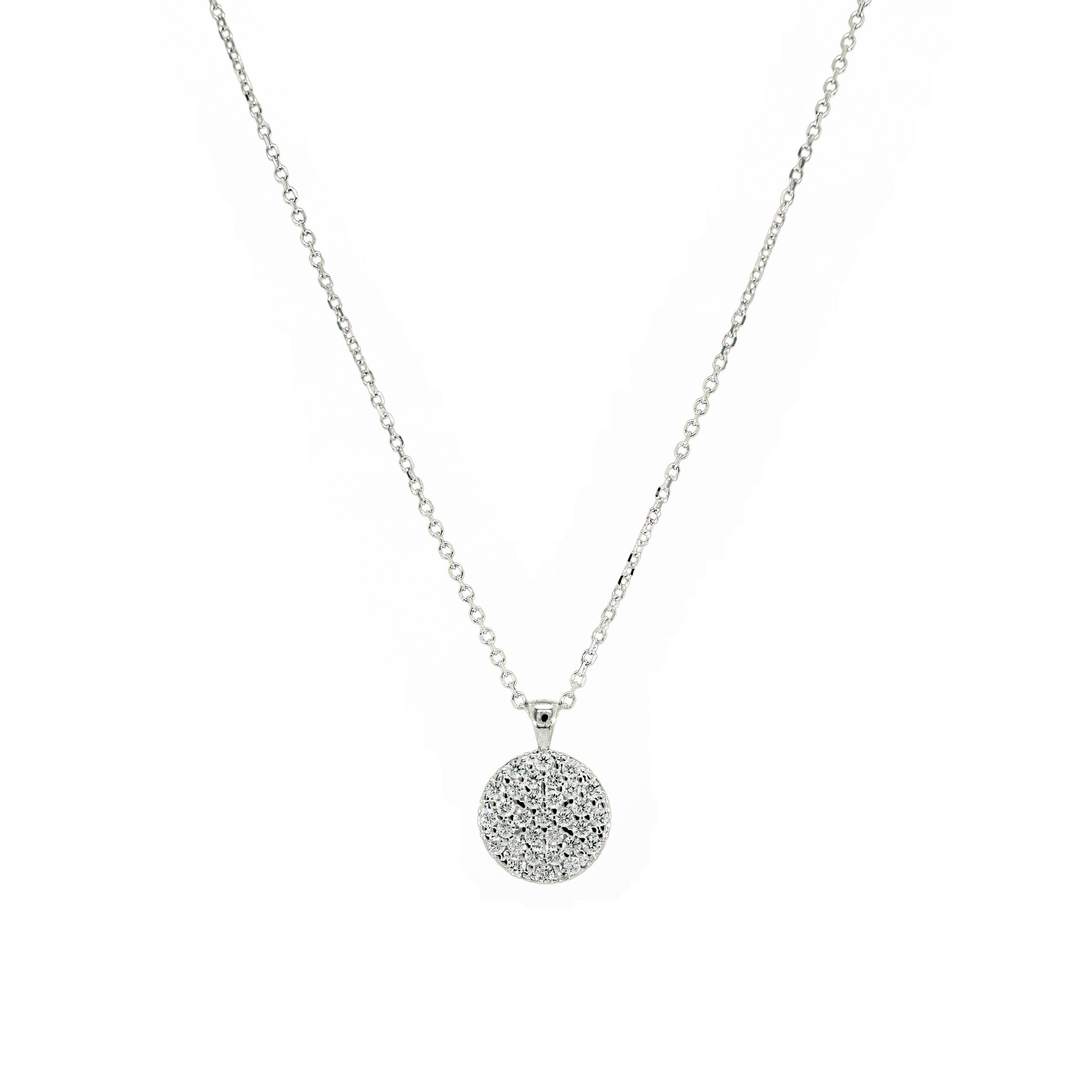
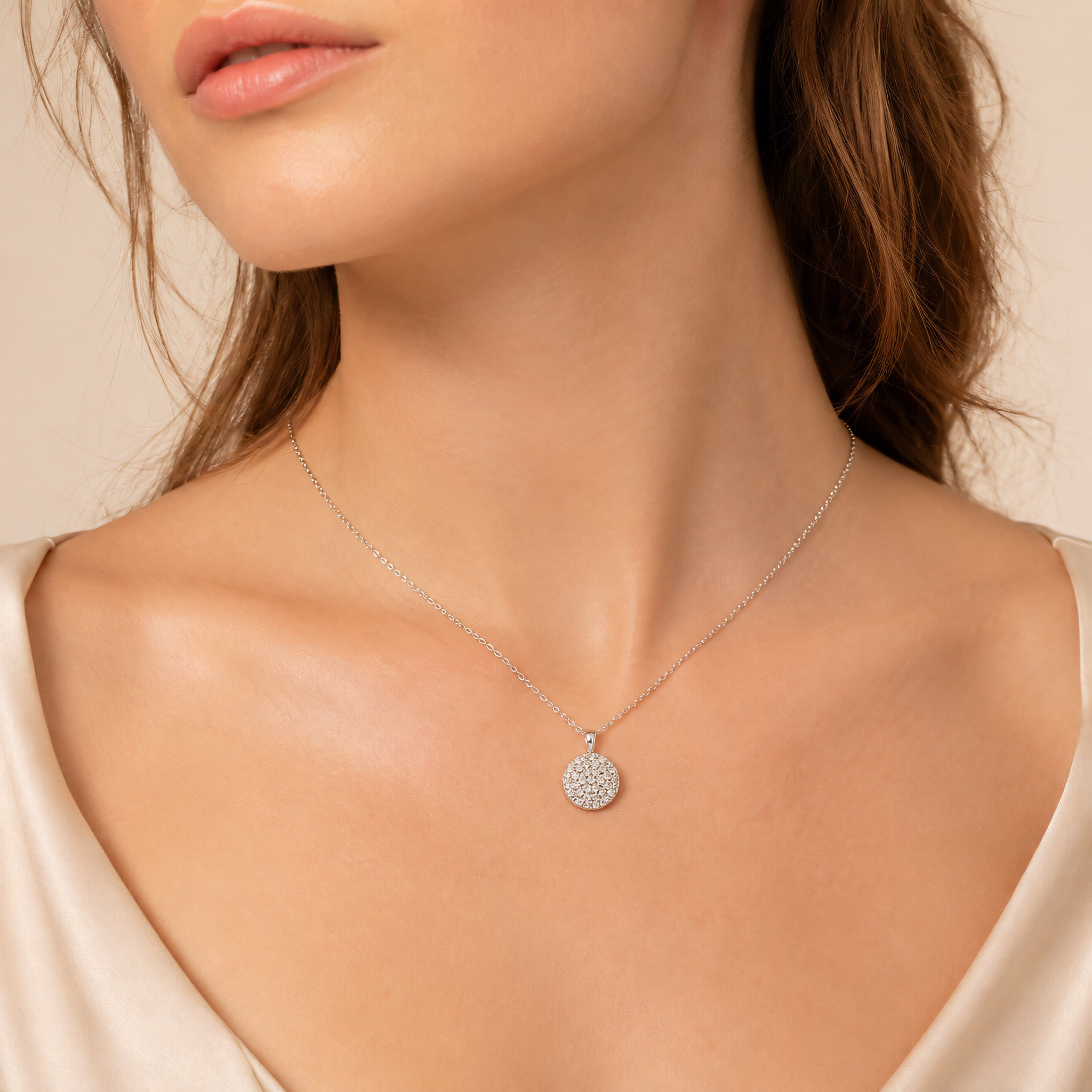
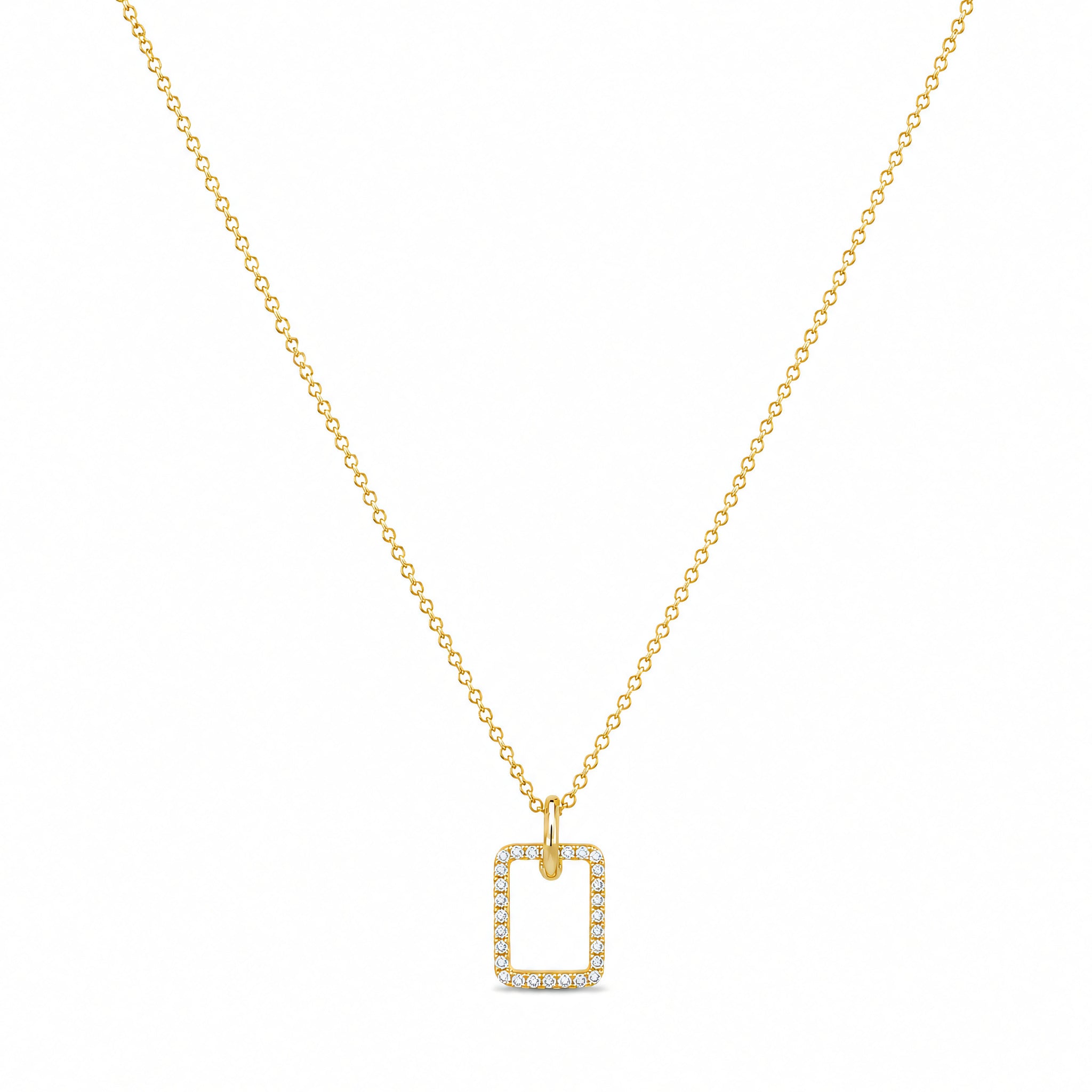
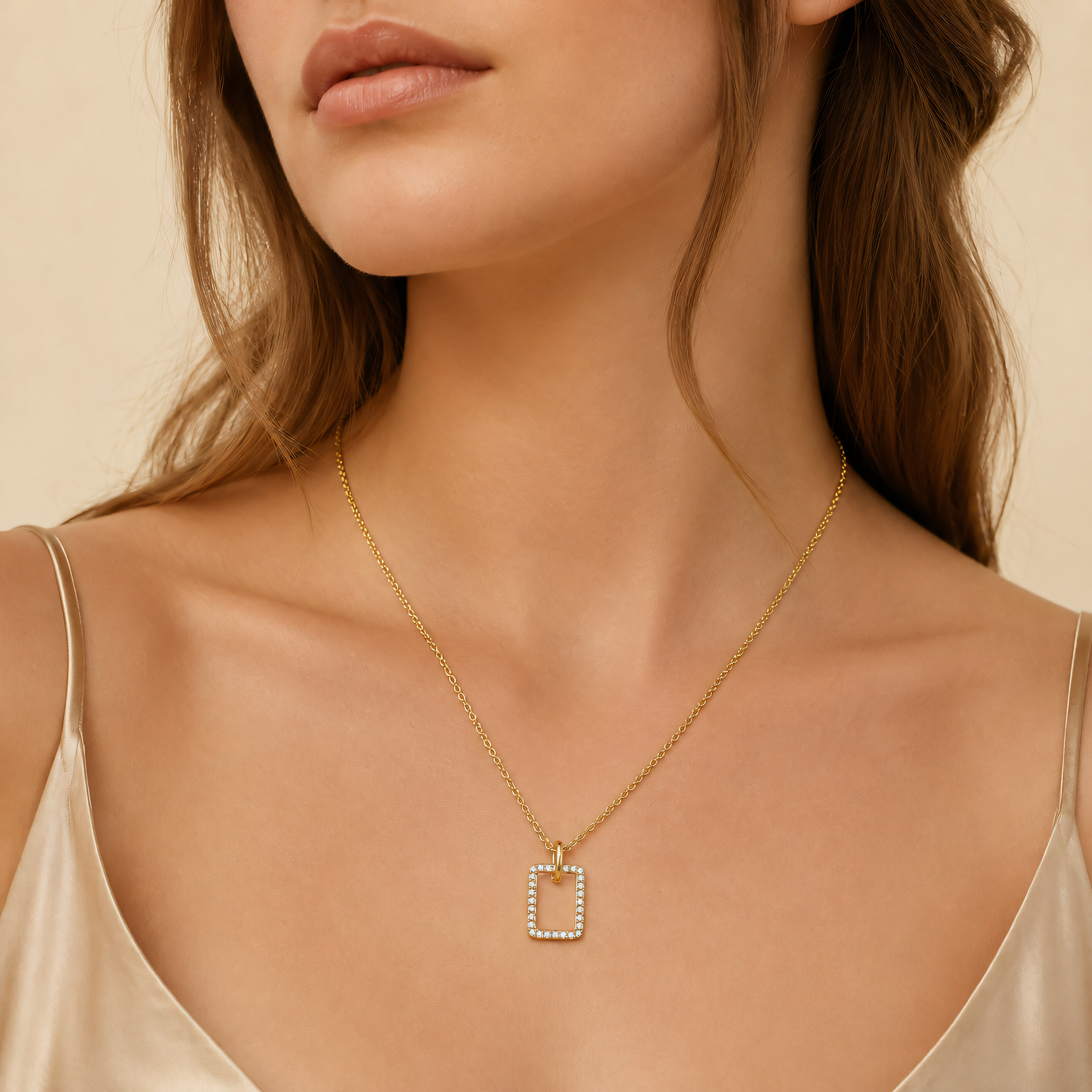
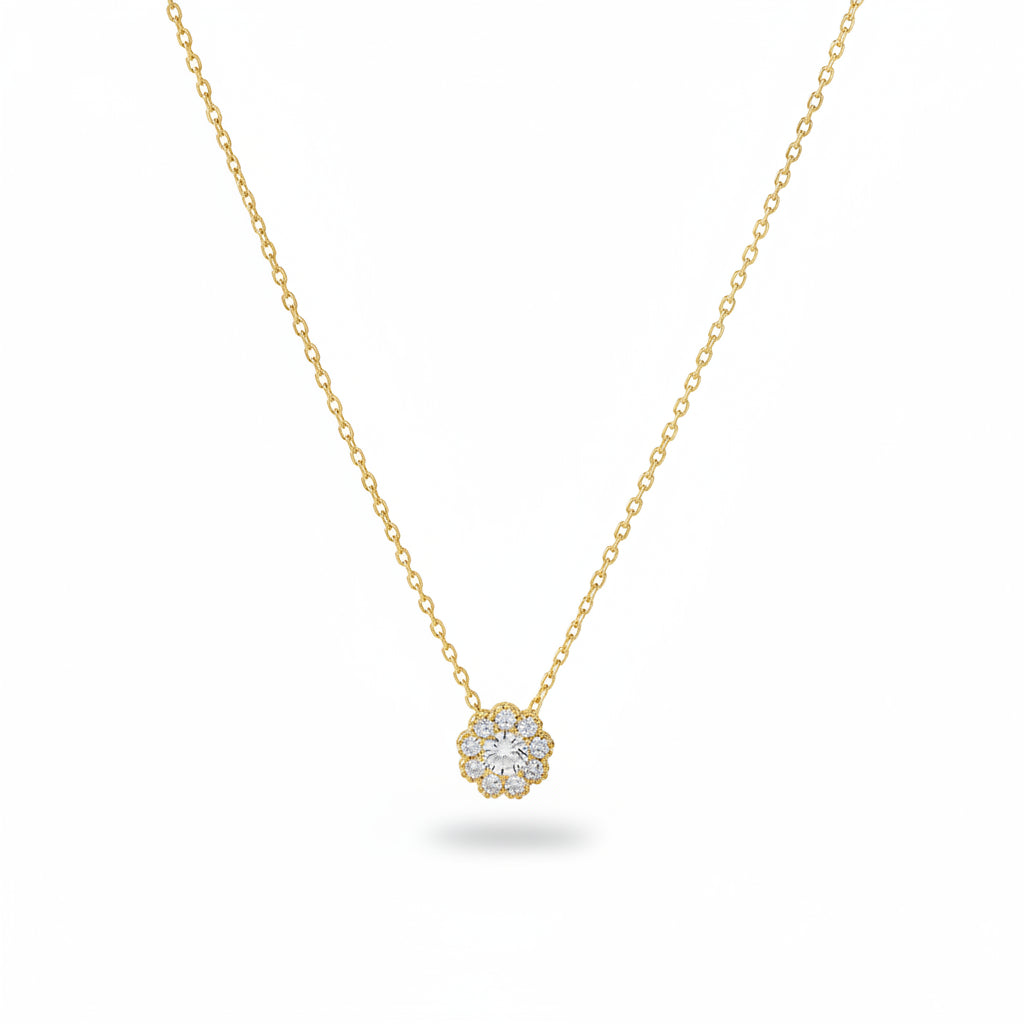
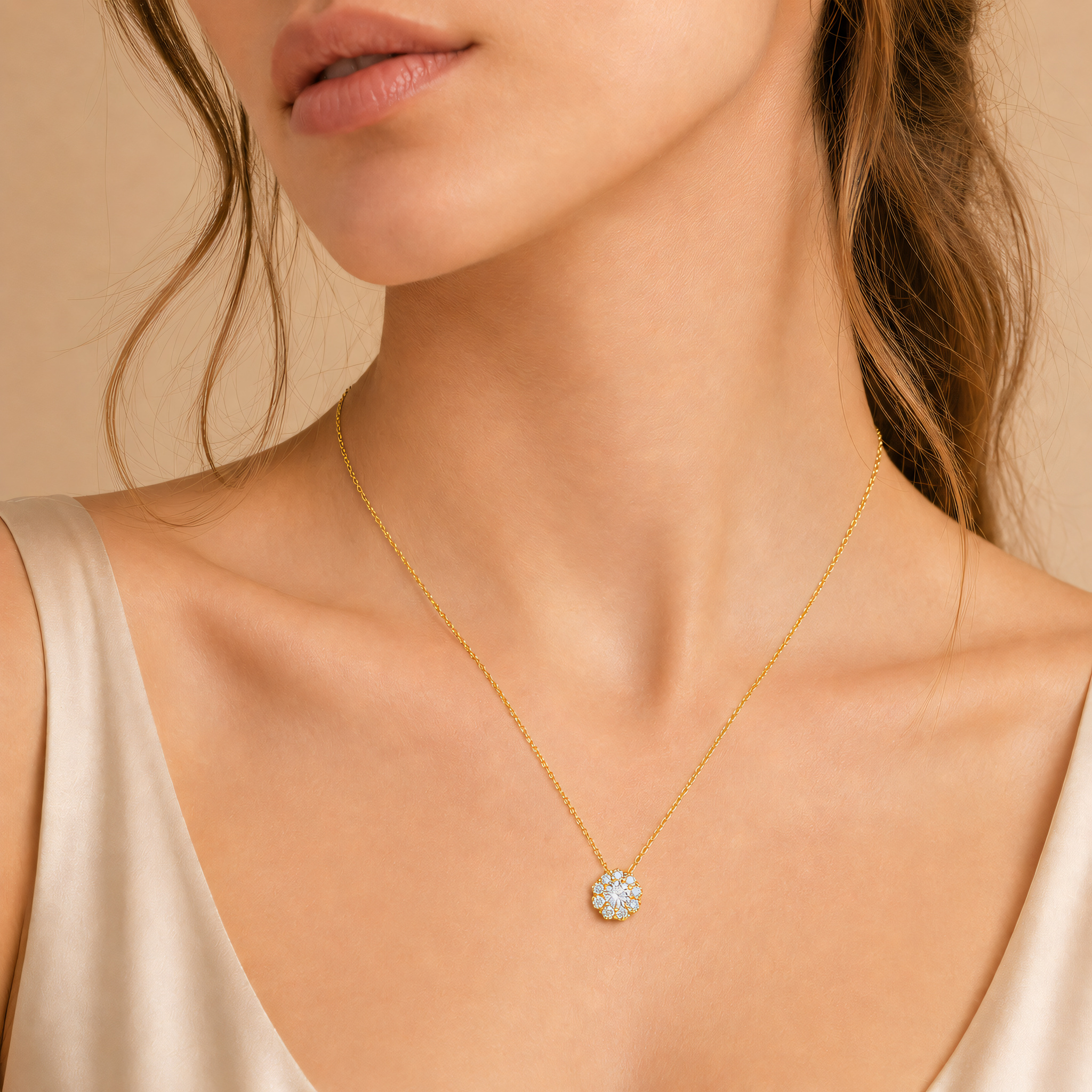
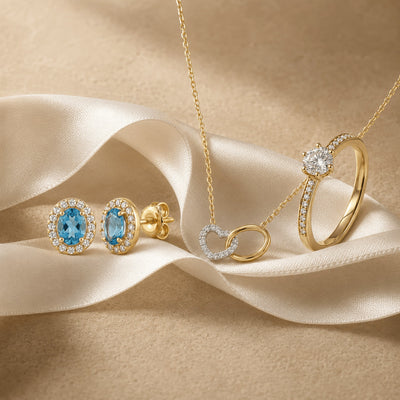
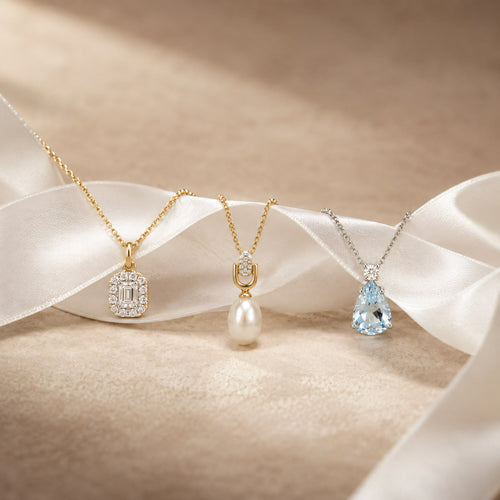
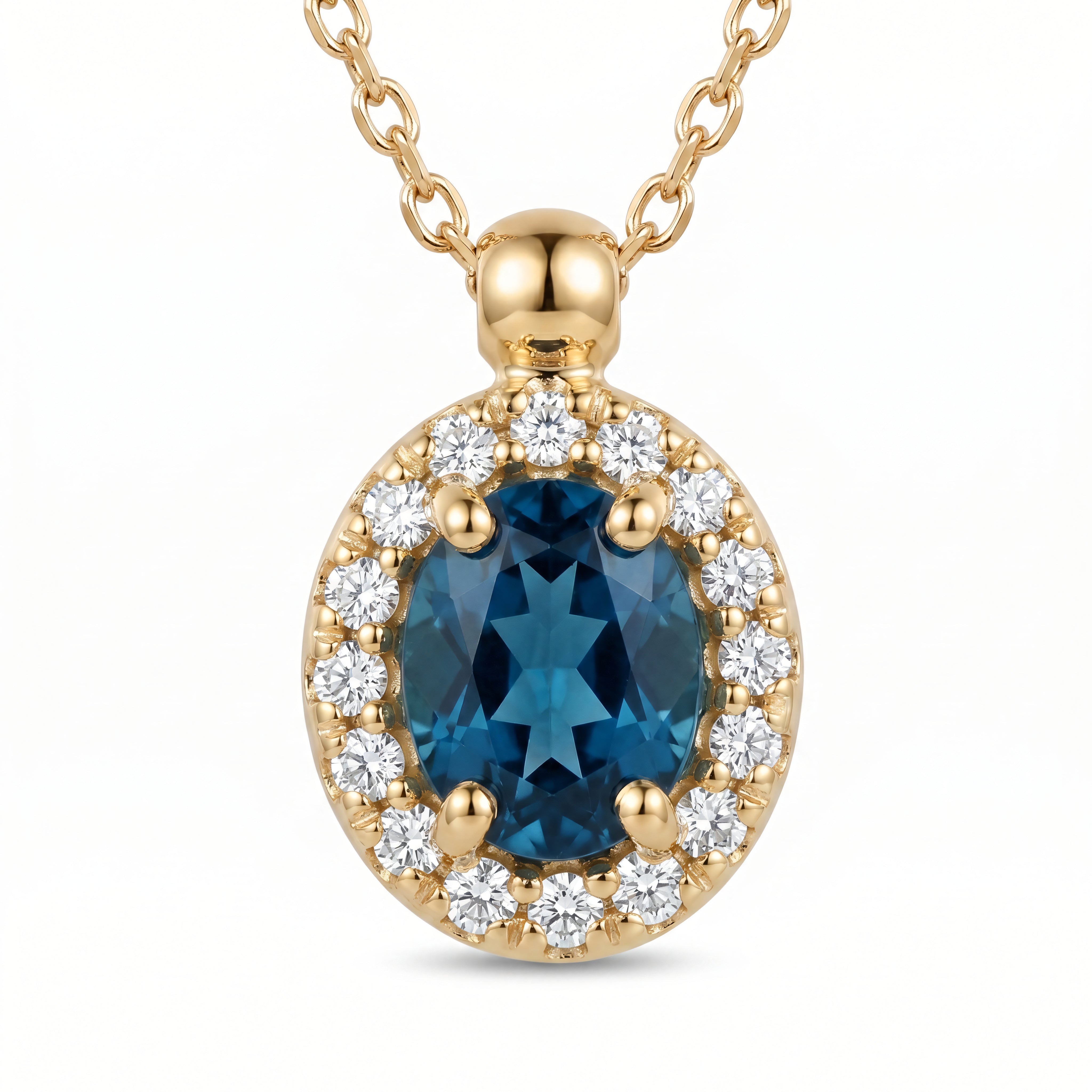
Our selection includes sapphire and other genuine gemstones, for example in the 585 white gold necklace with pink sapphire and diamond. If you are looking for classic blue, you will also find what you are looking for among related blue gemstones — explore our gold gemstone necklaces and gold gemstone rings.
Natural, treated, and synthetic sapphires
When buying sapphire jewelry, you may encounter three terms that are easy to confuse. It is worth distinguishing between them:
- Natural sapphire: genuine corundum that formed in the earth over millions of years. Small inclusions are not a flaw, but a typical sign of natural formation.
- Treated sapphire: a natural stone whose color has been intensified through heating. This heat treatment is widespread, recognized, and permanent in the jewelry industry.
- Synthetic sapphire: corundum grown in a laboratory with the same chemical composition as natural sapphire. It is genuine in the chemical sense, but not naturally formed — and usually considerably less expensive.
In practice, this means that a treated or synthetic sapphire is just as hard and durable as a natural one. The main difference lies in rarity and price. When buying, make sure the stone’s origin is clearly described.
How to care for sapphire properly
Sapphire is easy to care for. Because the stone is so hard, it handles everyday wear with ease — nevertheless, the setting deserves some attention:
- Clean sapphire jewelry with lukewarm water, a drop of mild dish soap, and a soft brush.
- Rinse thoroughly and pat dry with a soft, lint-free cloth.
- Store jewelry pieces separately — this prevents the hard sapphire from scratching softer stones.
- Put on jewelry only after applying perfume, cream, and hairspray.
Read more in our guide to cleaning and caring for jewelry. Our gold jewelry made of genuine 585 gold by Italian goldsmiths provides the perfect setting for fine gemstones.
At Splendido Jewelry, you receive free shipping and returns with every piece, along with a 30-day return policy. This gives you plenty of time to decide whether your sapphire jewelry is exactly right for you — and return it easily if needed.