





Moonstone is a gemstone with a light play all its own: A soft, bluish or silvery shimmer moves across its surface, seeming to shift with the viewing angle. This effect is called adularescence or iridescence—and it has made moonstone one of the most popular gemstones for centuries. In this guide, you will learn what makes moonstone special, which colors are available, what cultural meanings are associated with it, and how to care for moonstone jewelry properly.
What is moonstone? An overview of the stone
Moonstone belongs to the feldspar mineral group and is closely related to the mineral adularia—which is also where its mineralogical name comes from. Its popular name comes from the moonlike shimmer that glides across the stone. Its characteristic appearance is usually milky and translucent: The stone is not crystal clear but seems to glow from within. High-quality moonstones have a body that is as clear as possible, with a distinct blue-silvery reflection moving across the surface.
Moonstone is almost always cut as a cabochon—rounded and domed, without facets. Only this smooth curve allows the characteristic iridescence to fully emerge, which is why moonstone is rarely faceted. Moonstone is found in Sri Lanka, India, Madagascar, and Myanmar, among other places. As a gemstone, it has a long tradition and has enjoyed renewed popularity time and again since the Art Nouveau period.
Iridescence & adularescence: where does the glow come from?
Moonstone’s famous glow is not caused by the stone’s color but by its internal structure. Inside, extremely fine layers of two different types of feldspar are stacked on top of one another. When light strikes these wafer-thin layers, it is refracted, scattered, and reflected, creating the shifting, often bluish shimmer. Experts call this optical effect adularescence; in the jewelry trade, it is usually simply referred to as iridescence.
When the stone is moved in the light, the iridescence seems to flow across the surface and change position. This lively play is precisely what makes every moonstone unique: No two stones shimmer in exactly the same way. As a rule, the clearer the body and the more intense the blue reflection, the more valuable a moonstone is considered.

What colors does moonstone come in?
Moonstone comes in several shades—the range is greater than many people realize:
- White moonstone: the classic, milky-light variety with a silvery-blue iridescence.
- Blue moonstone: especially sought-after, with an intense blue light play on a transparent base.
- Peach moonstone: a warm, delicate apricot shade that pairs particularly beautifully with yellow gold.
- Gray & rainbow moonstone: with shimmering color reflections ranging from blue and violet to gold.
Which shade suits you is primarily a matter of taste—and a question of skin tone. Warm peach and champagne shades harmonize beautifully with yellow gold and flatter warm undertones. The warm peach tone looks particularly harmonious in a 585 yellow gold necklace with peach moonstone, while blue and white moonstone create a cooler, clearer impression and pair well with silvery tones.
Moonstone meaning: what is traditionally associated with the stone
As early as antiquity, moonstone was regarded as the stone of the moon—in India and ancient Rome, it was associated with nighttime light, and people believed that a piece of moonlight had been captured inside the stone. To this day, moonstone is culturally associated with femininity, intuition, and new beginnings, and is considered a symbol of gentleness and inner peace. In the language of jewelry during the Romantic era, it represented love and connection, which is why it is still often given as a gift for special occasions.
Because it is associated with new beginnings and security, moonstone is a popular gift for occasions such as a birth, a new chapter in life, or as a personal keepsake. It is important to note that these associations belong to the realm of tradition and symbolism.
The meanings attributed to moonstone should be understood culturally and symbolically—they reflect lore and tradition, not proven effects. The stone is beautiful in any case, regardless of the story one associates with it.
Moonstone, labradorite & opal: easily mistaken for one another
Moonstone is occasionally confused with other shimmering stones. Its most important relative is labradorite—also a feldspar, but one that flashes in more intense shades of blue, green, and gold. Opal also displays a play of color, but it forms through a completely different internal structure. Moonstone, by contrast, remains true to its soft, usually silvery-blue shimmer. Anyone looking for a calm, moonlike glow can recognize a genuine moonstone by this quiet, shifting light without bright flashes of color.
Caring for moonstone: delicate and best handled with care
Moonstone is a comparatively soft and delicate gemstone. On the Mohs scale of hardness, it measures around 6—significantly softer than a sapphire or diamond. This means moonstone can scratch more easily and is sensitive to impact, pressure, and harsh cleaners. This sensitivity is not a flaw but part of its character—with a little care, your moonstone jewelry will stay beautiful for a long time:
- Clean moonstone only with a soft, slightly damp cloth—no ultrasonic cleaners and no harsh cleaning agents.
- Always put on moonstone jewelry only after applying perfume, cream, and hairspray.
- Remove it before exercising, doing housework, and sleeping to prevent impacts and scratches.
- Store it separately in a soft, padded place so that harder stones cannot scratch it.
Moonstone lives through light—and repays every gentle touch with its quiet shimmer.
Splendido JewelryMoonstone jewelry at Splendido Jewelry
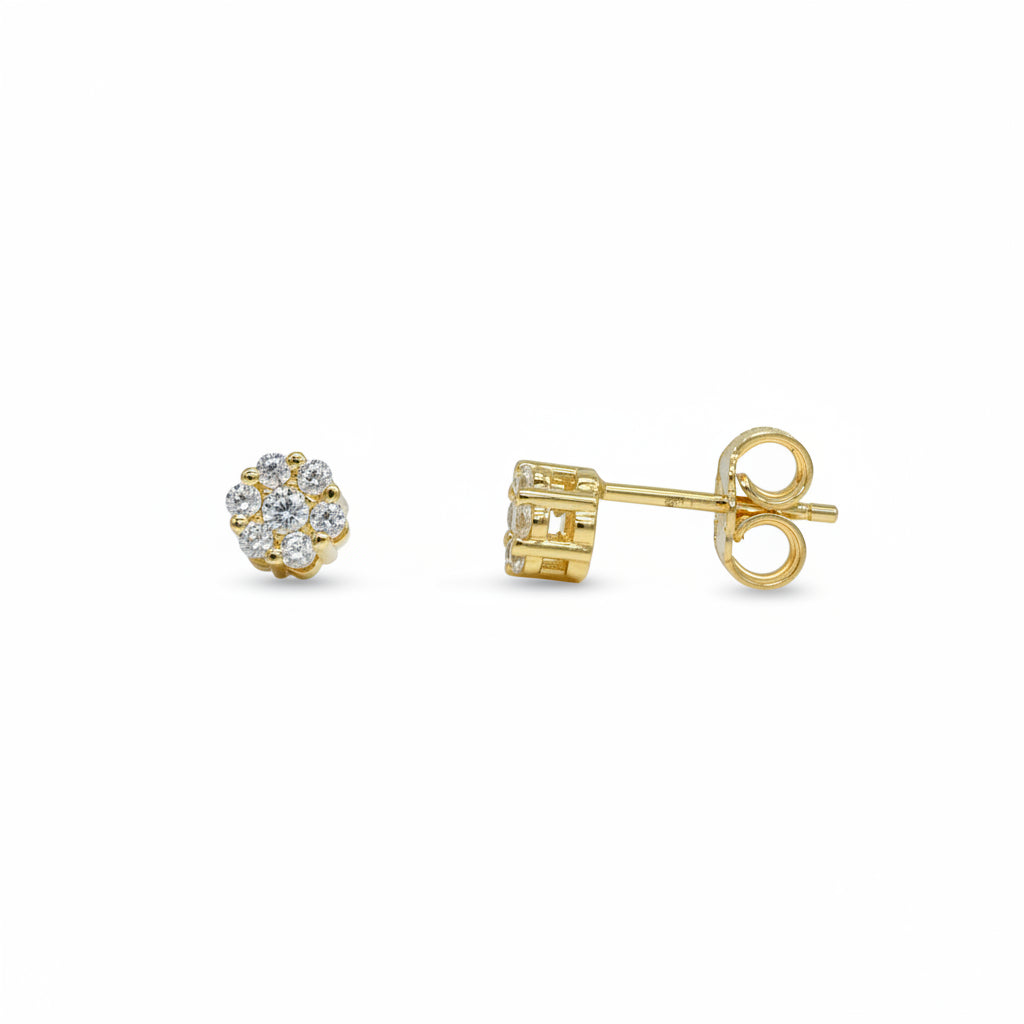
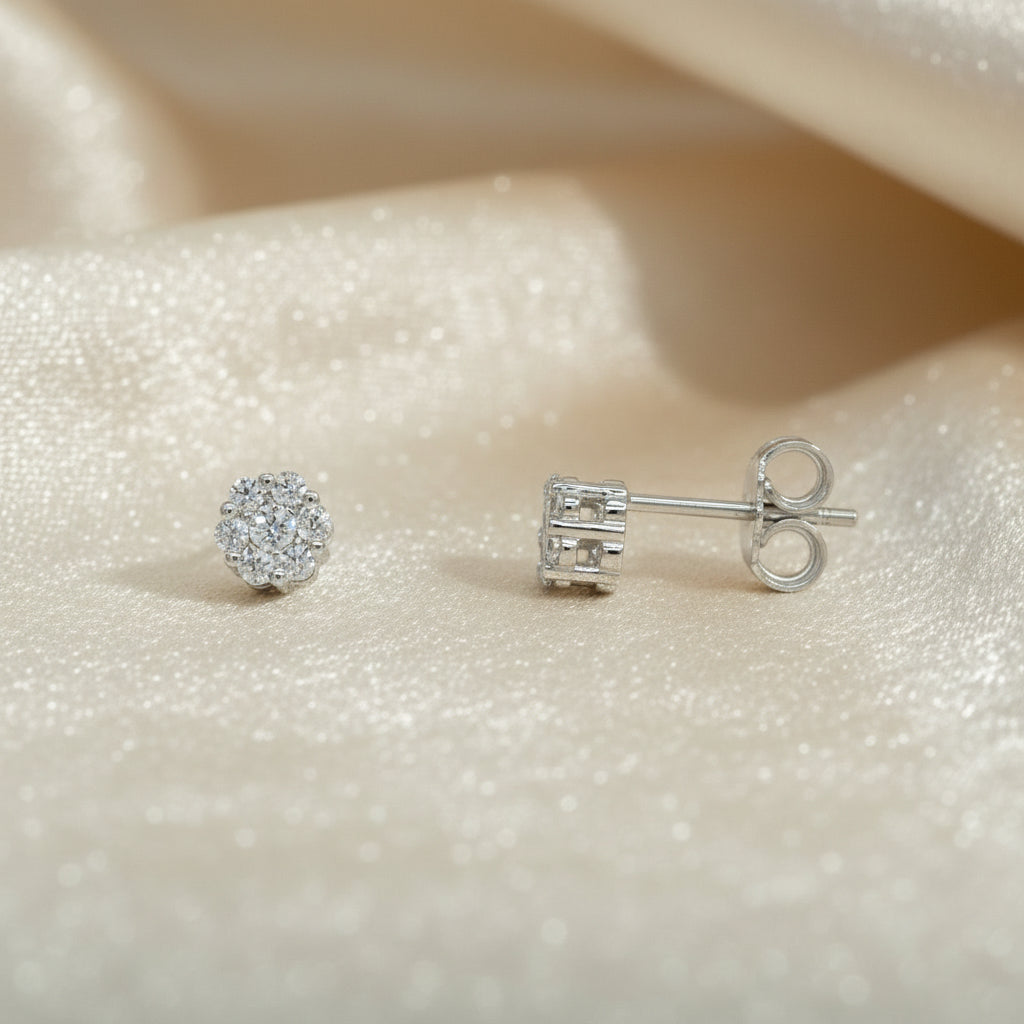
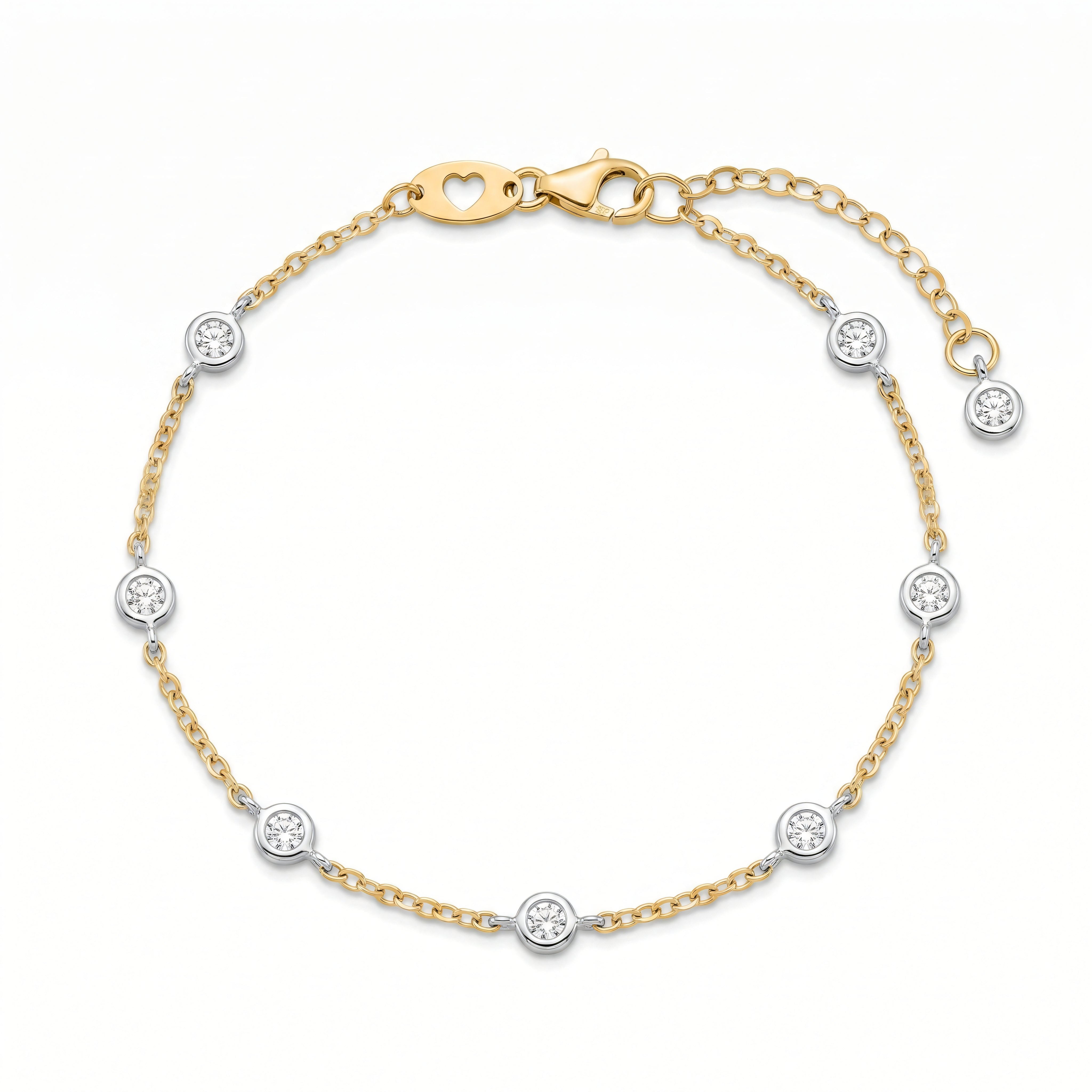
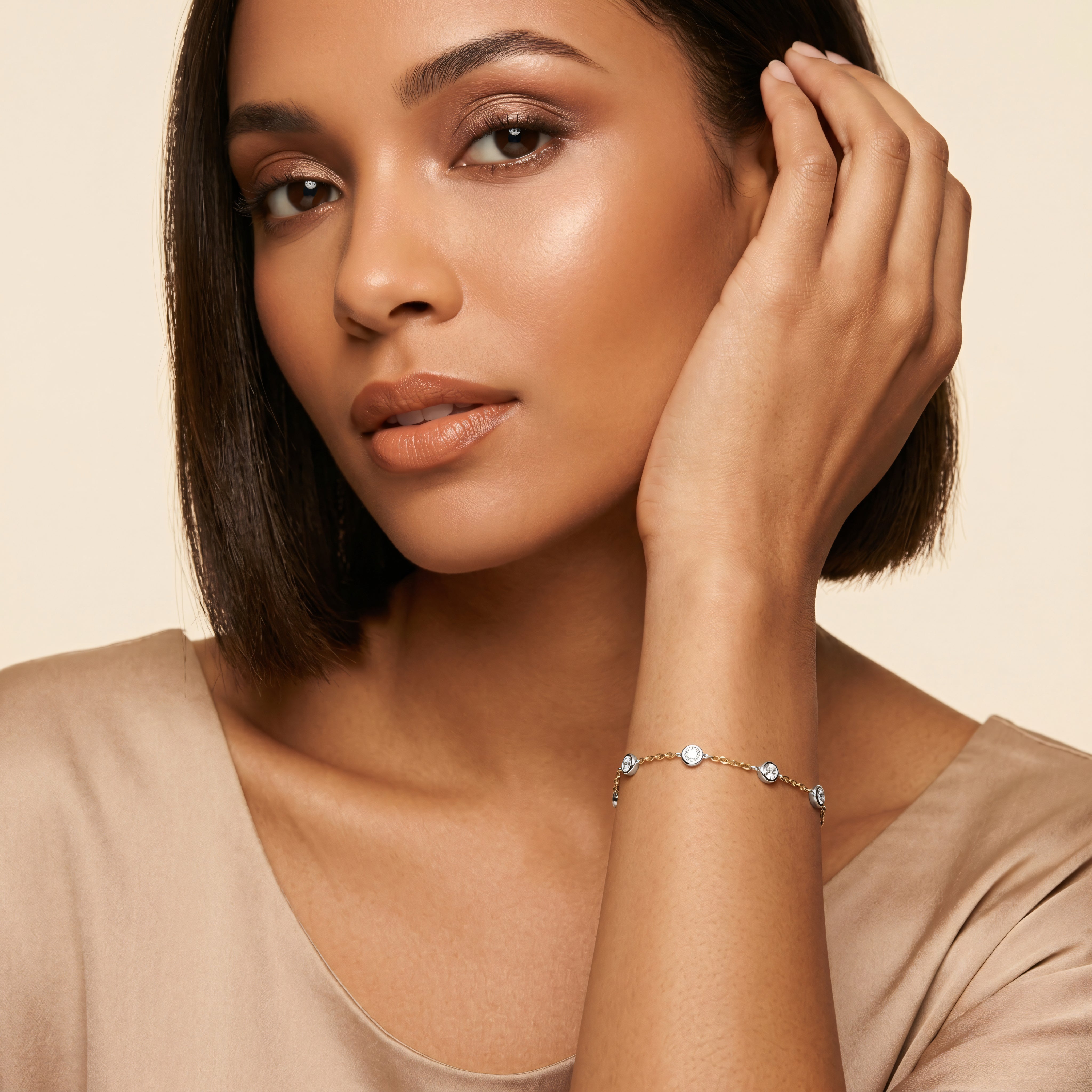
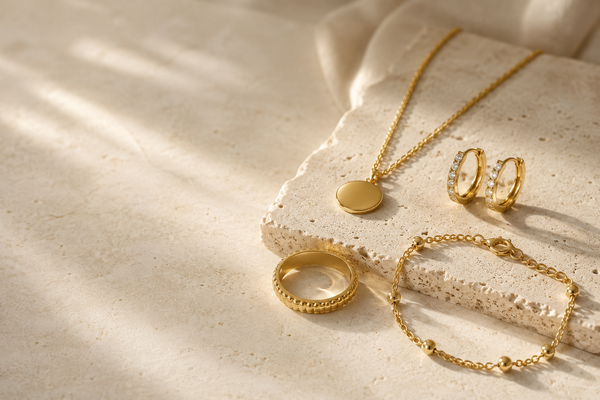
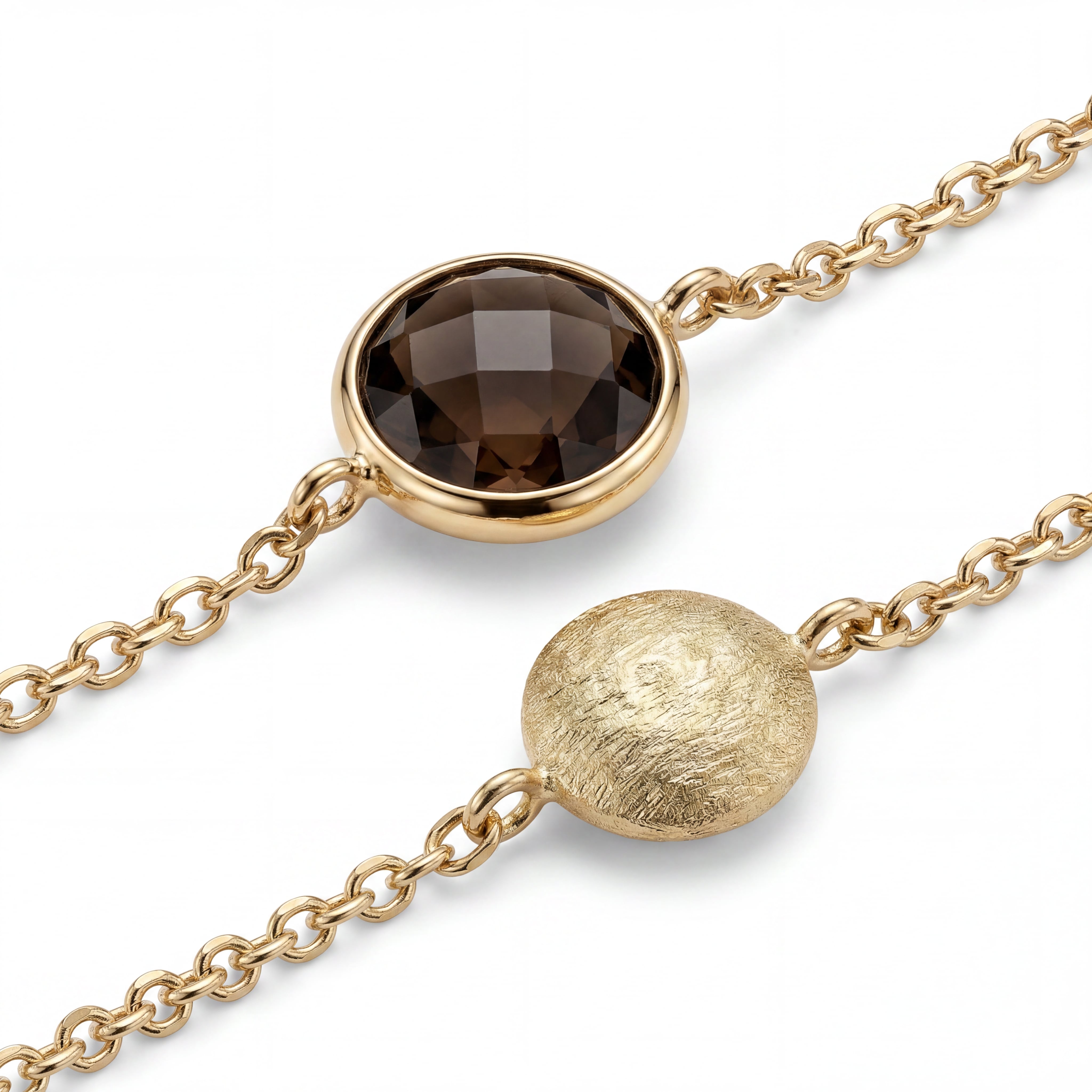
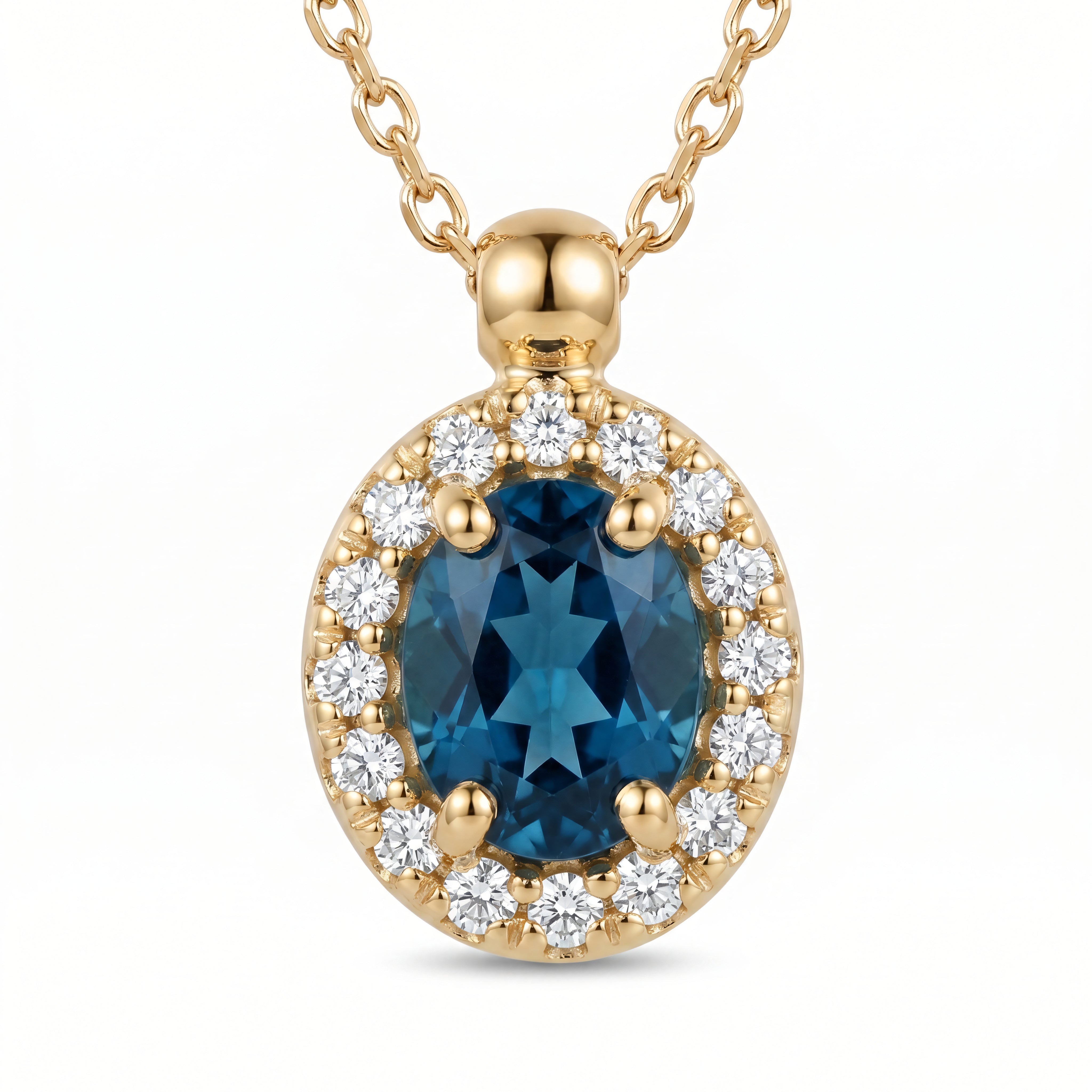
Moonstone’s soft iridescence looks especially beautiful in gold. At Splendido Jewelry, you will find hand-selected pieces with peach moonstone set in genuine 585 yellow gold—nickel-free, durable, and suitable for everyday wear. Our gold does not tarnish, allowing the stone to remain the center of attention over the years. Discover the matching 585 yellow gold bracelet with moonstone cabochon or the matching moonstone stud earrings in yellow gold. If you prefer other colored gemstones, take a look at our gold necklaces with gemstones and gold rings with gemstones, or browse the full selection of gold jewelry. At Splendido Jewelry, you enjoy free shipping and returns as well as a 30-day return policy.
Moonstone effects & meaning
Moonstone is traditionally associated with intuition, femininity, and new beginnings. Its shimmering play of color (adularescence) has made it popular throughout history. These effects have not been scientifically proven—as a gemstone, moonstone captivates with its gentle shimmer.