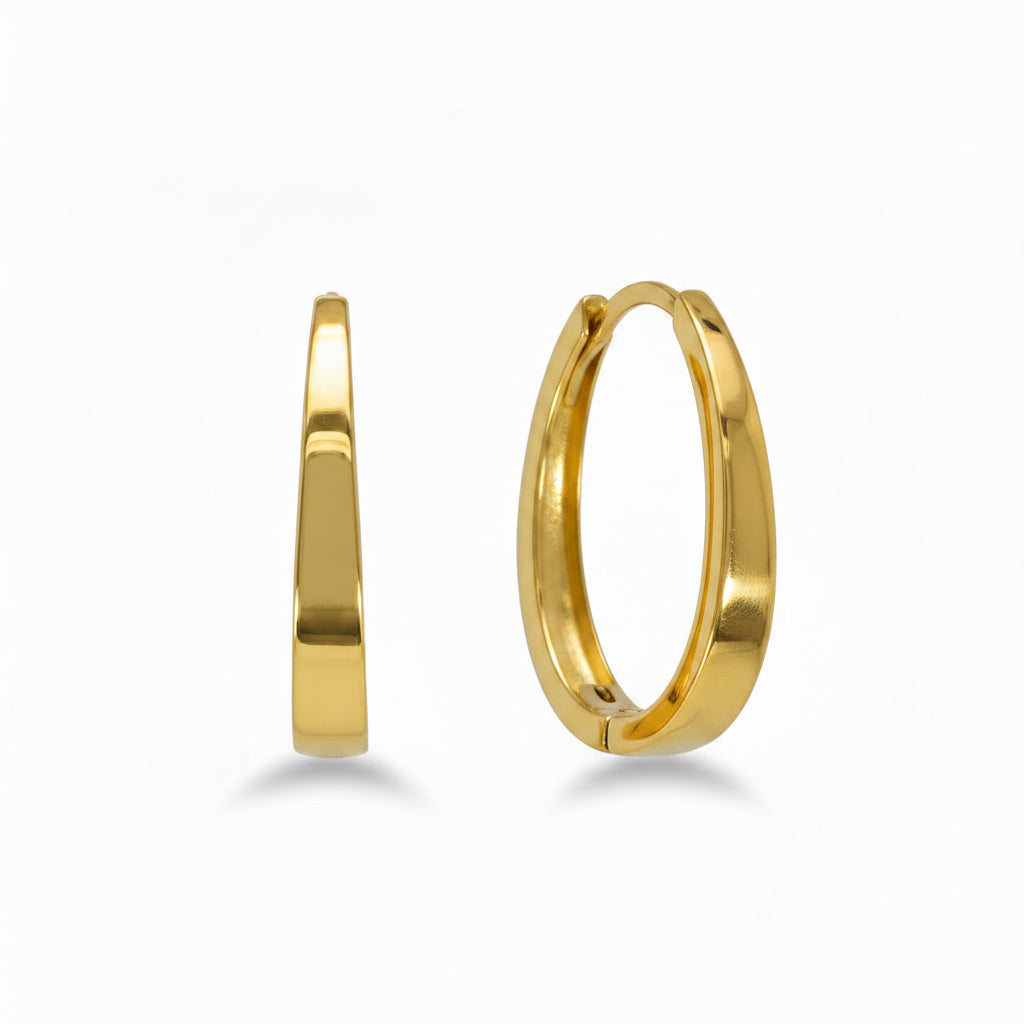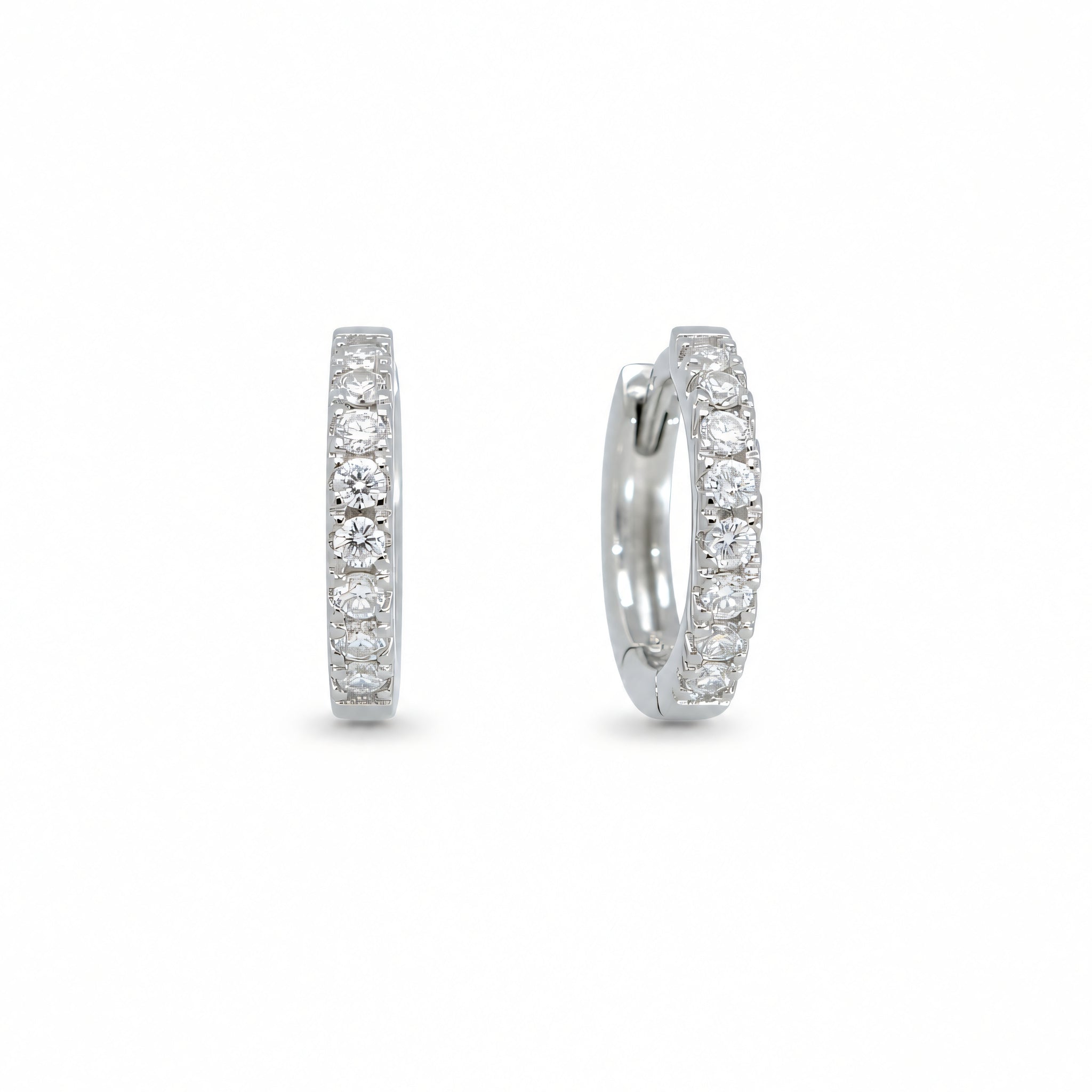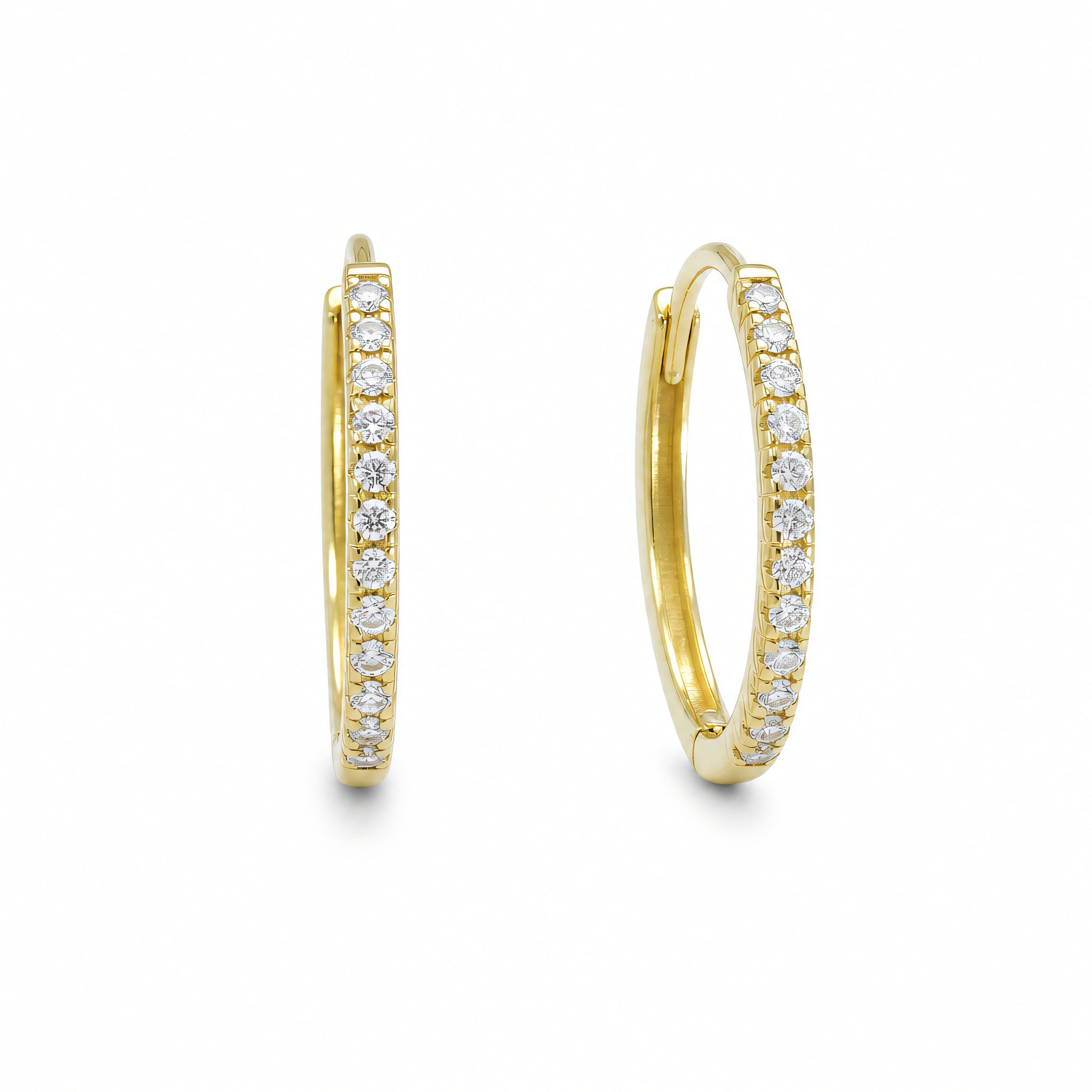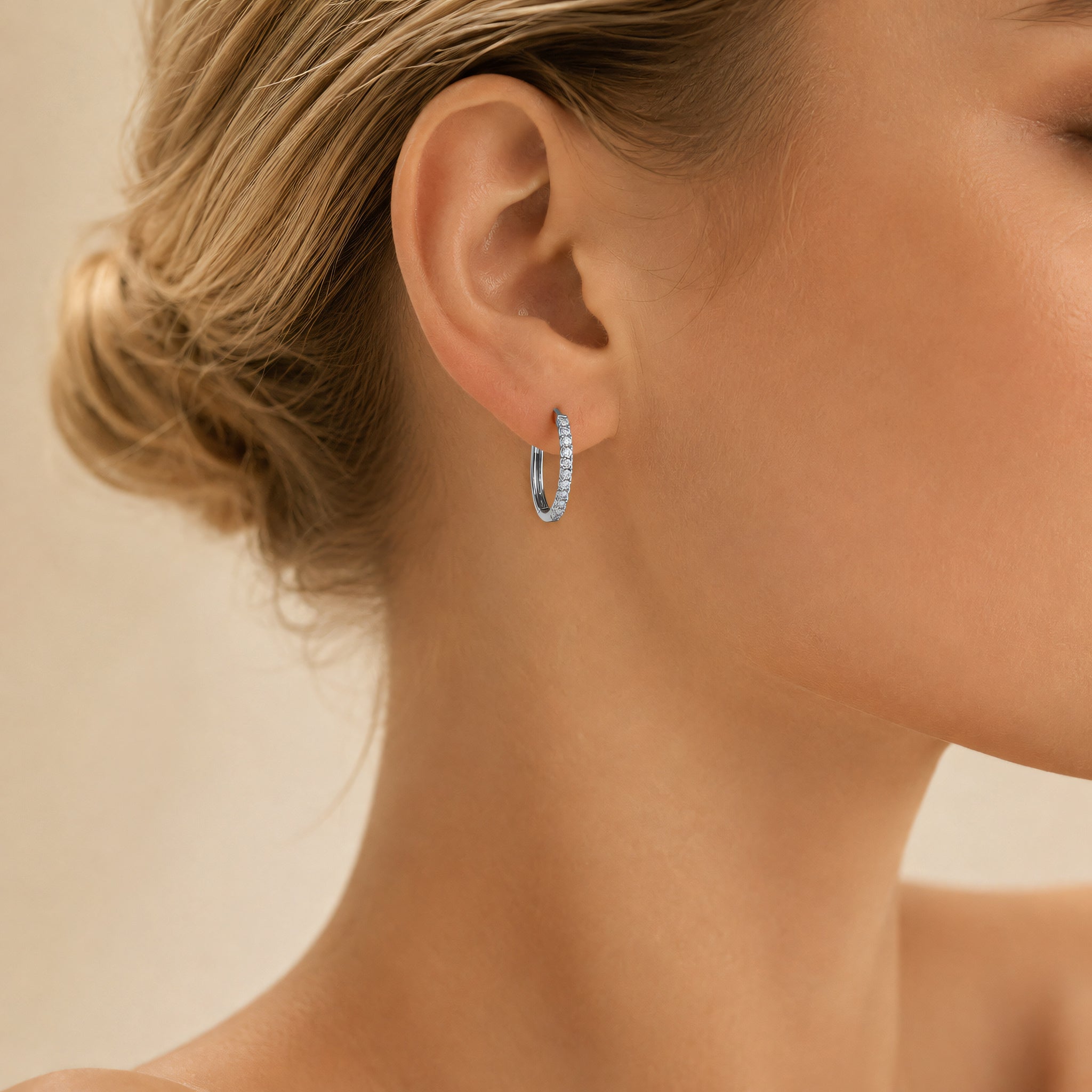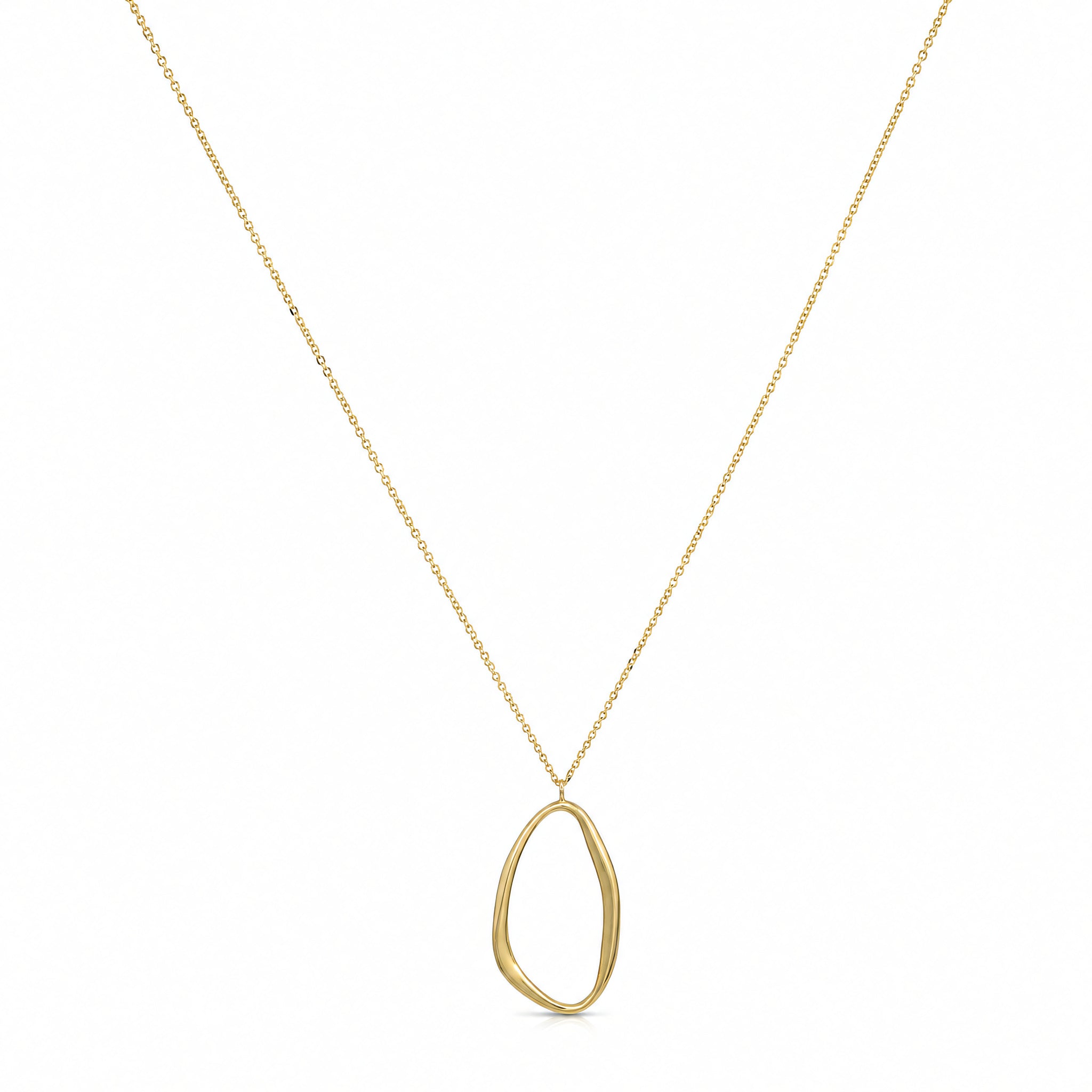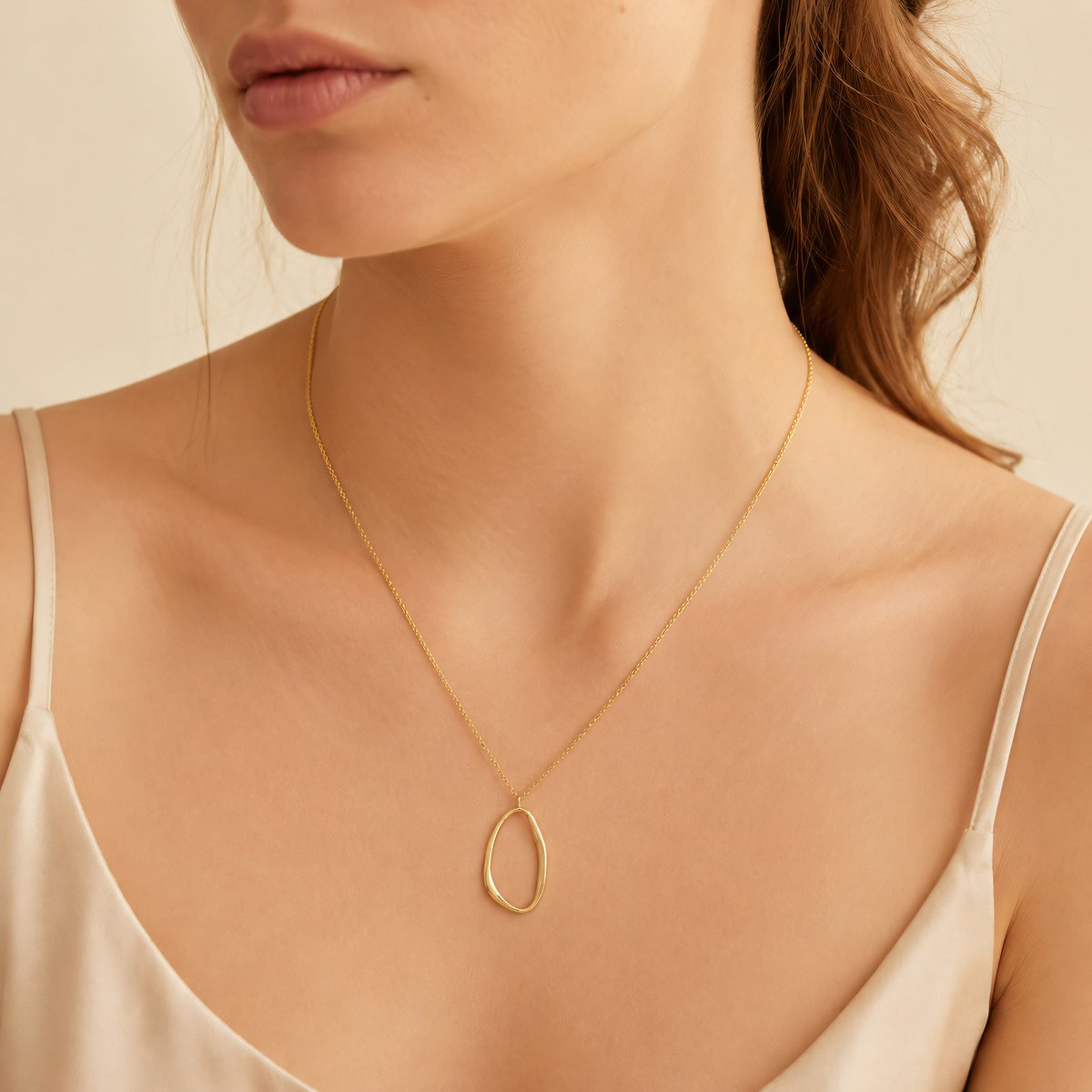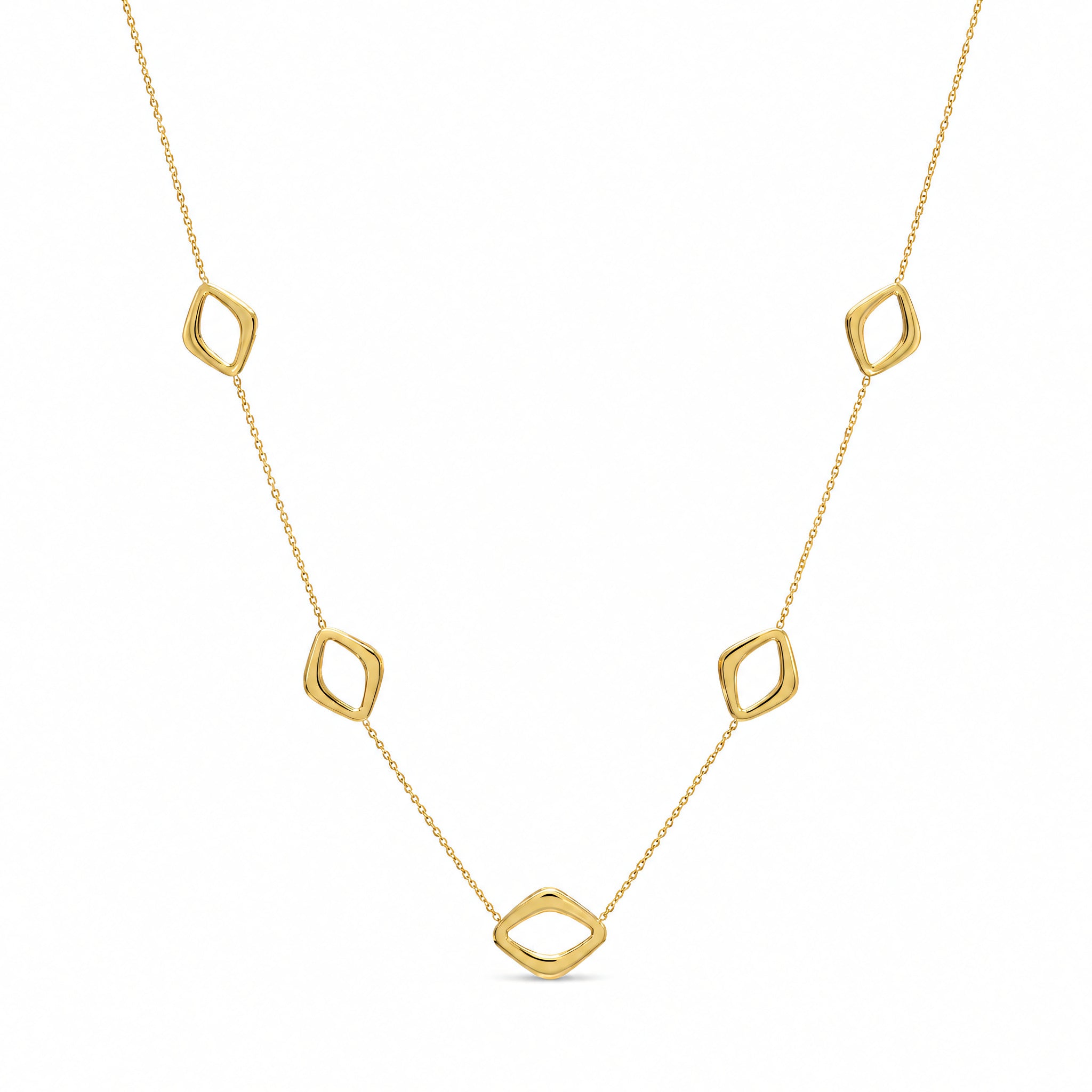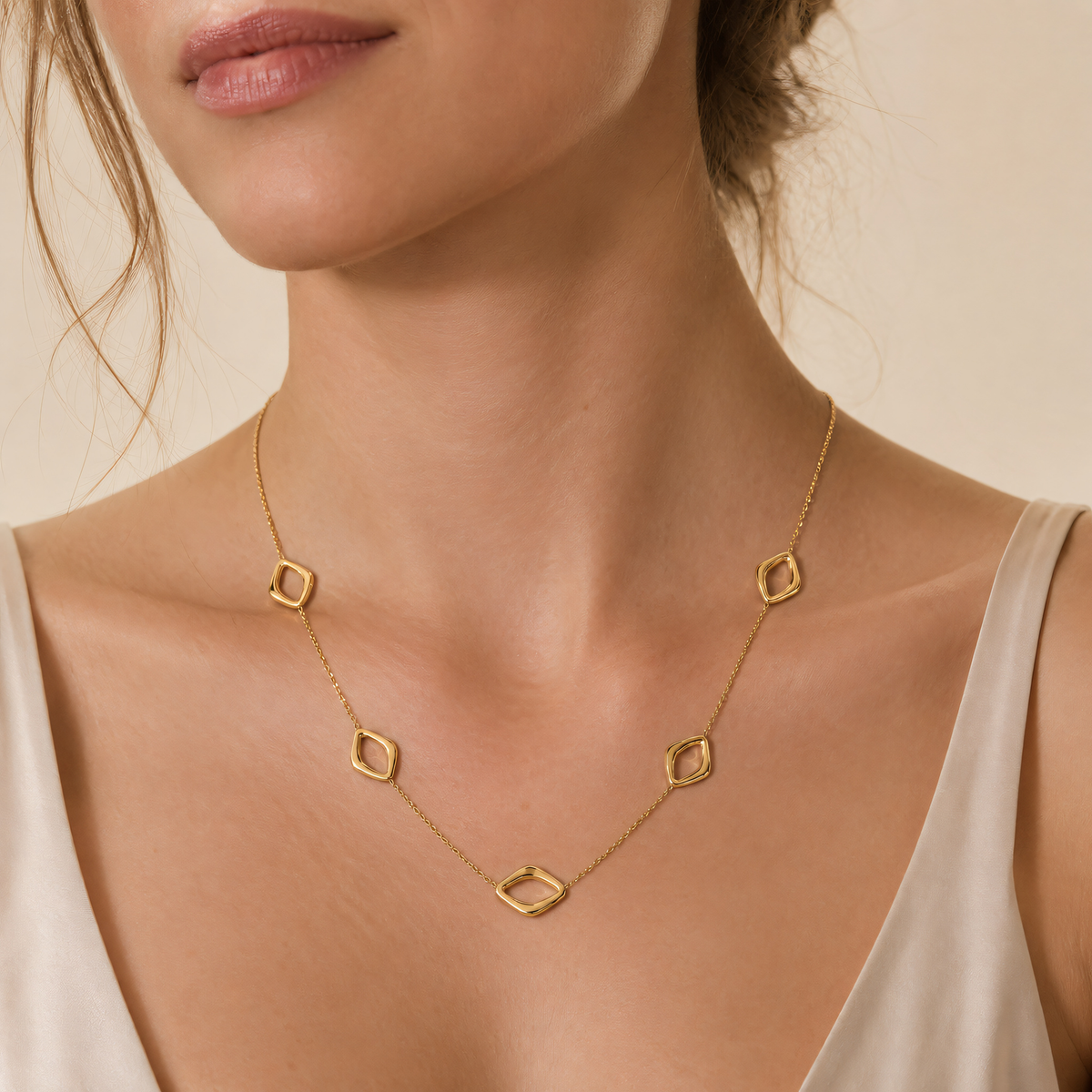




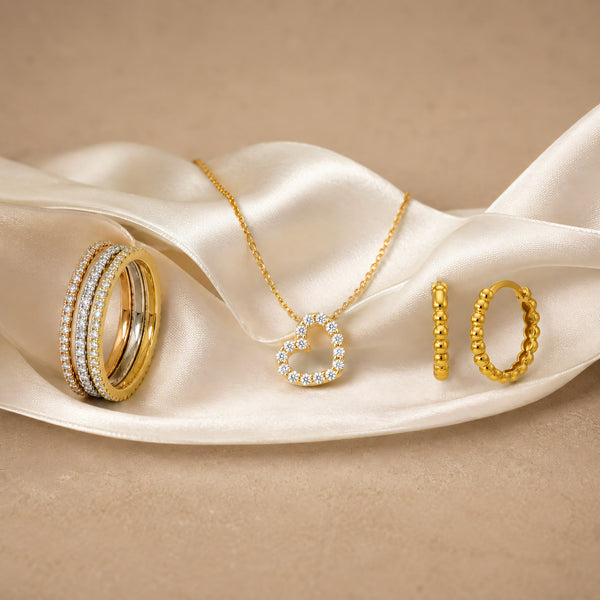


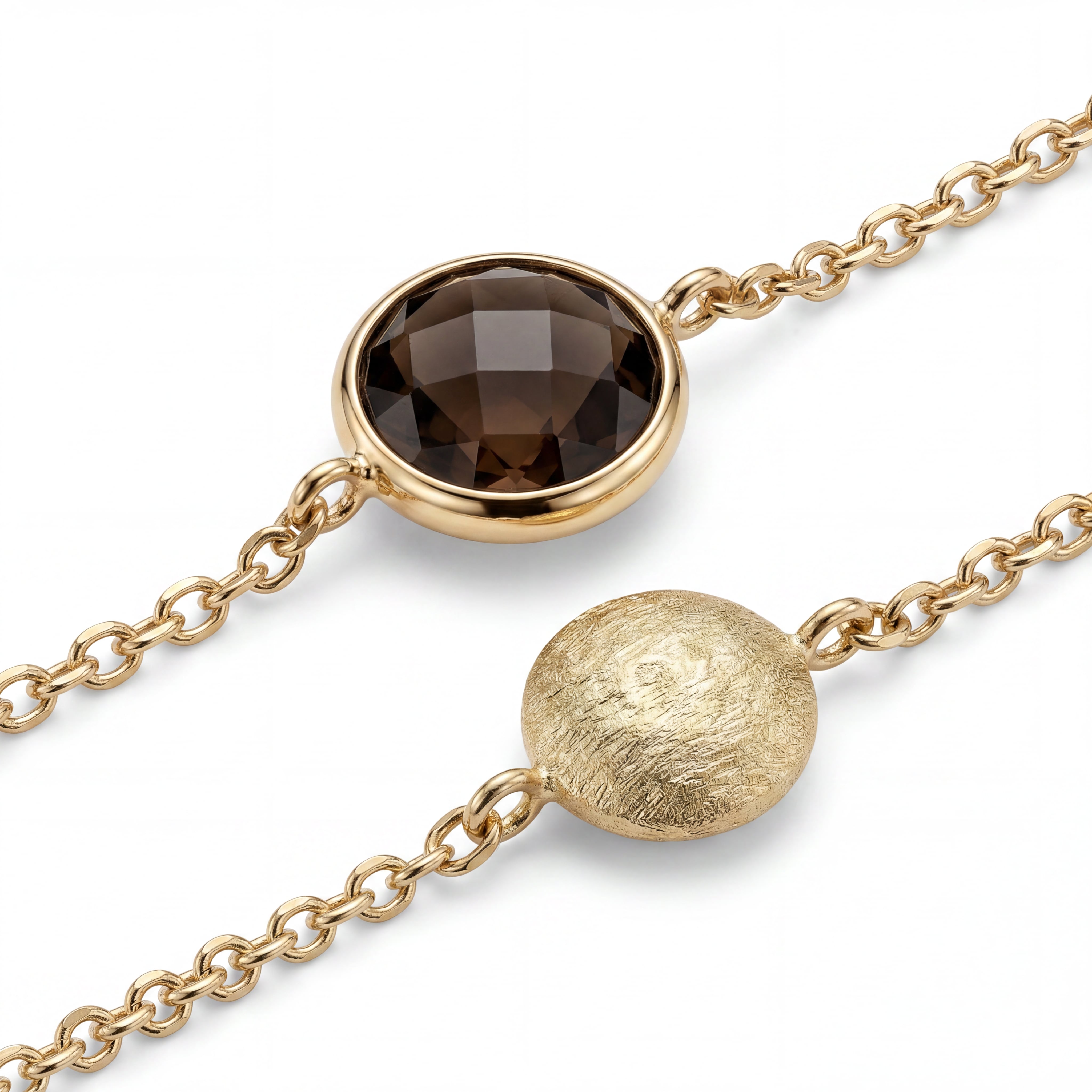

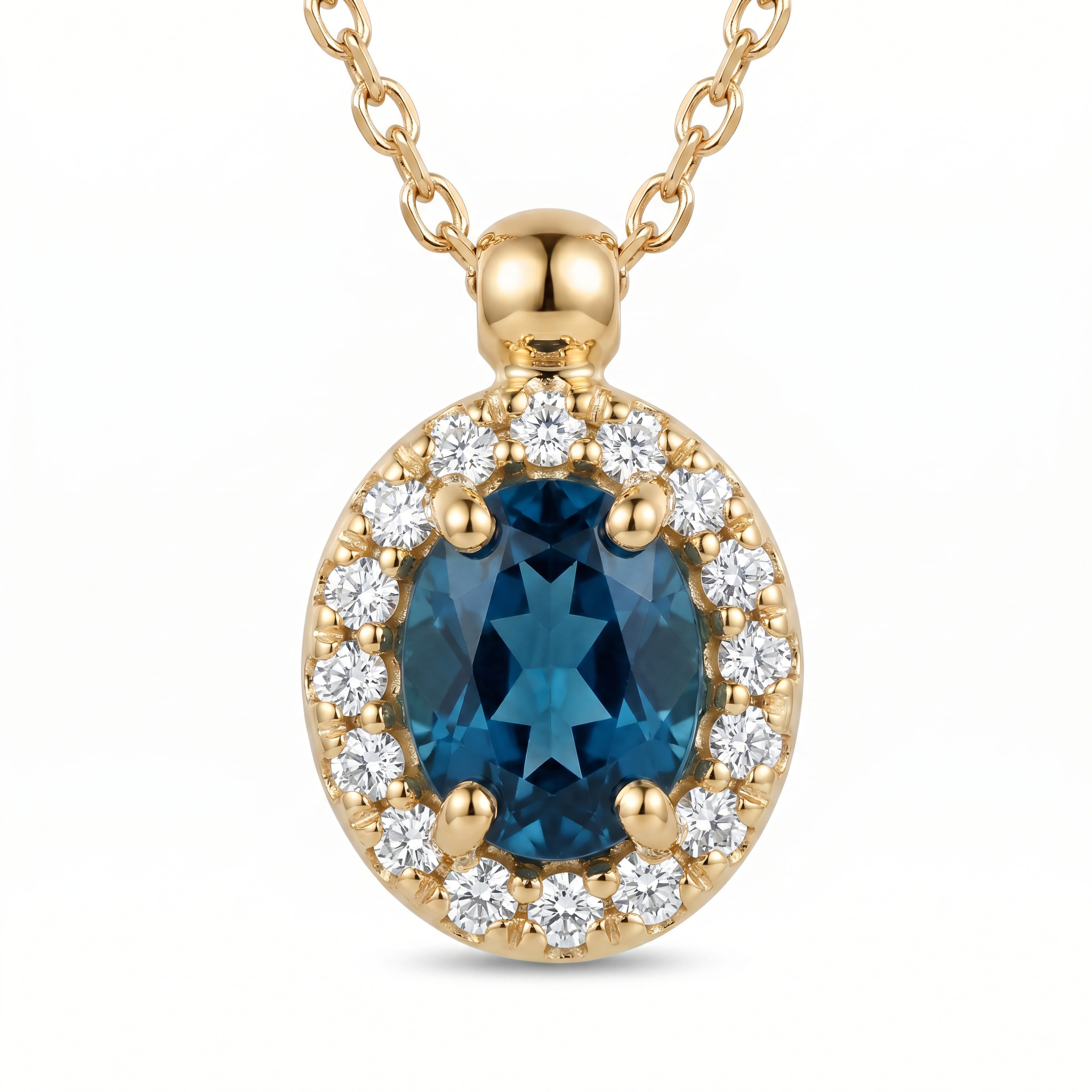


585 gold is 14 karat gold: 58.5% of it is pure gold. The small "585" hallmark on the inside of a piece of jewelry shows this fineness. Below you will find the 585 gold meaning on jewelry, how 585 gold compares with 750 gold and 925 silver, what it is worth, and how to care for it.
What does 585 gold mean?
The number 585 is a fineness hallmark that gives the gold content in parts per thousand: 585 of 1,000 parts are pure gold, which is 58.5%. That equals 14 karat. The remaining 41.5% is made up of other metals such as copper and silver, which make the gold harder and fit for everyday wear. In short, 585 gold means real gold. In Austria it is the usual fineness for jewelry.
Hallmarking in Austria: what do the stamps on jewelry mean?
In Austria, gold and silver jewelry must, as a rule, carry two hallmarks: the fineness mark, for example "585" for 14 karat gold or "925" for sterling silver, and a maker's or responsibility mark. This is set out in the Austrian Hallmarking Act (Punzierungsgesetz), which also allows exceptions for some items. Other countries have different rules: in Germany, for example, hallmarking is voluntary, but anyone who stamps a fineness must state it correctly. Splendido Jewelry is based in Graz, and our pieces carry the fineness mark (585 or 925).
| Mark | What it shows | Where you will find it |
|---|---|---|
| Fineness mark (e.g. 585, 925) | the share of gold or silver in parts per thousand | inside the ring, on the loop next to the clasp, on the back of the pendant |
| Maker's or responsibility mark | who is responsible for the stated fineness | usually right next to the fineness mark |
Source: Austrian Federal Office of Metrology and Surveying (BEV): FAQ on hallmarking (in German)
Gold karat chart: 333, 375, 585, 750, and 999 compared
Gold jewelry carries two figures: the fineness in parts per thousand (‰), stamped on the piece as a hallmark, and the karat number, which is more common in conversation and in international trade. The chart gives both figures for the five best-known gold alloys, including 585 gold in karat and in parts per thousand.
| Fineness (‰) | Karat | Gold content | Color & properties | Typical use |
|---|---|---|---|---|
| 333 | 8 karat | 33.3% | pale gold tone, can tarnish, low material value | low-priced gold jewelry, mainly in Germany |
| 375 | 9 karat | 37.5% | light gold tone, hard, can tarnish over time | entry-level jewelry, mainly in the United Kingdom |
| 585 | 14 karat | 58.5% | warm, rich gold tone, robust, does not tarnish | everyday jewelry, the usual standard in Austria |
| 750 | 18 karat | 75.0% | intense gold tone, softer and more prone to scratches | fine jewelry, common in Italy and France, for example |
| 999 | 24 karat | 99.9% | fine gold: deep yellow, very soft, easily bent out of shape | bars and bullion coins, hardly suitable for jewelry |
Karat and fineness describe the same thing in two ways. Karat divides the weight into 24 parts: 14 karat means 14 of 24 parts are gold. Fineness counts in parts per thousand. To convert, use a simple formula: fineness × 24 ÷ 1,000 = karat. For 585 that gives 14.04, which is why the 585 hallmark stands for 14 karat. The percentage column shows how much pure gold the alloy contains: one gram of 585 gold contains 0.585 grams of pure gold.
A higher gold content means more material value and a stronger color. For jewelry that is not always better: pure gold is so soft that it bends out of shape simply from being worn. Copper, silver, and other added metals are what make it hard-wearing. Below 585 the balance tips the other way. In 333 and 375 gold, most of the alloy is other metals, the color looks paler, and the metal can tarnish.
For jewelry you wear every day, 585 gold is therefore a good choice. More than half of it is pure gold, and it is hard enough for necklaces, rings, and clasps to look good even after years.
At Splendido Jewelry you will find only jewelry in 585 gold and in solid, rhodium-plated 925 silver. We explain the 333, 375, 750, and 999 alloys here for comparison only; we do not carry them. Our gold jewelry bears the 585 fineness hallmark.
585 or 750: which gold content is right for you?
The higher the number, the more pure gold the alloy contains and the softer it is. The gold karat chart above shows how the common finenesses compare.
750 gold is closer in material value to the price of pure gold, but it is softer and more delicate. For everyday wear, 585 gold is the usual choice because it is harder.
You notice the difference in daily life: rings and necklaces in 585 gold pick up fewer scratches and small dents when you wash your hands, work at a desk, or travel, and settings and clasps keep their shape. 750 gold is lovely for special occasions but needs more care from day to day.
Yellow gold, white gold, and rose gold in 585
The color depends on the alloy, meaning the metals mixed with the pure gold:
- Yellow gold: the classic warm gold tone, alloyed with copper and silver.
- White gold: a cool, bright white. Our white gold is rhodium-plated, which means it has a coating of rhodium. This makes the surface brighter and more resistant.
- Rose gold: a warm pink tone that comes from a higher copper content.

585 gold or 925 silver?
585 gold has a warm tone and the higher material value. Rhodium-plated 925 silver is bright and costs less. Which precious metal suits you is covered in detail in our article 585 or 925.
Where does our 585 gold come from?
Splendido Jewelry does not make jewelry itself. We choose every piece individually, mostly from Italy, and pay attention to a fine finish. Our gold jewelry is 585 gold throughout, with no base-metal core.
Does 585 gold retain its value?
The gold it contains keeps its material value. That value depends on the fine gold content and the current gold price; how the gold price has developed is covered in our article on gold price developments. What a piece of jewelry is worth later, however, also depends on its workmanship and stones.
How to care for and clean 585 gold
- Take your jewelry off before sports, bathing, and sleep, and keep it away from perfume and cream.
- Clean 585 gold with lukewarm water, mild dish soap, and a soft brush, then dry it with a soft cloth.
- Store each piece separately so it does not get scratched.
- For rhodium-plated white gold, new rhodium plating after a few years brings back the shine.
585 gold does not tarnish or rust.
Discover 585 gold jewelry
You will find pieces in 585 gold among our gold necklaces, gold rings, gold earrings, and gold bracelets, and rhodium-plated white gold among the white gold chains. The gold jewelry collection gives an overview. At Splendido Jewelry, shipping and returns are free, and you have a 30-day right of return and a 2-year statutory warranty.