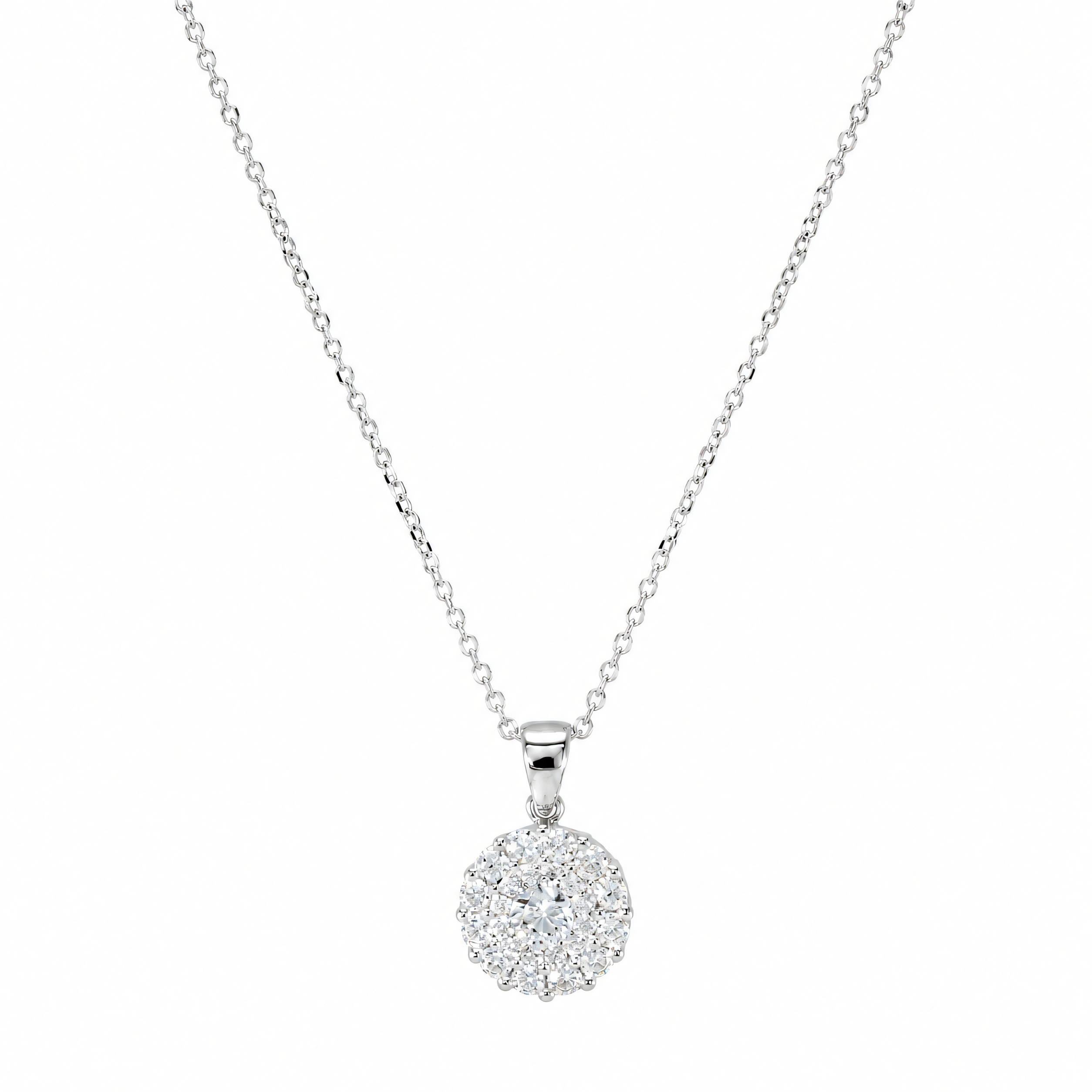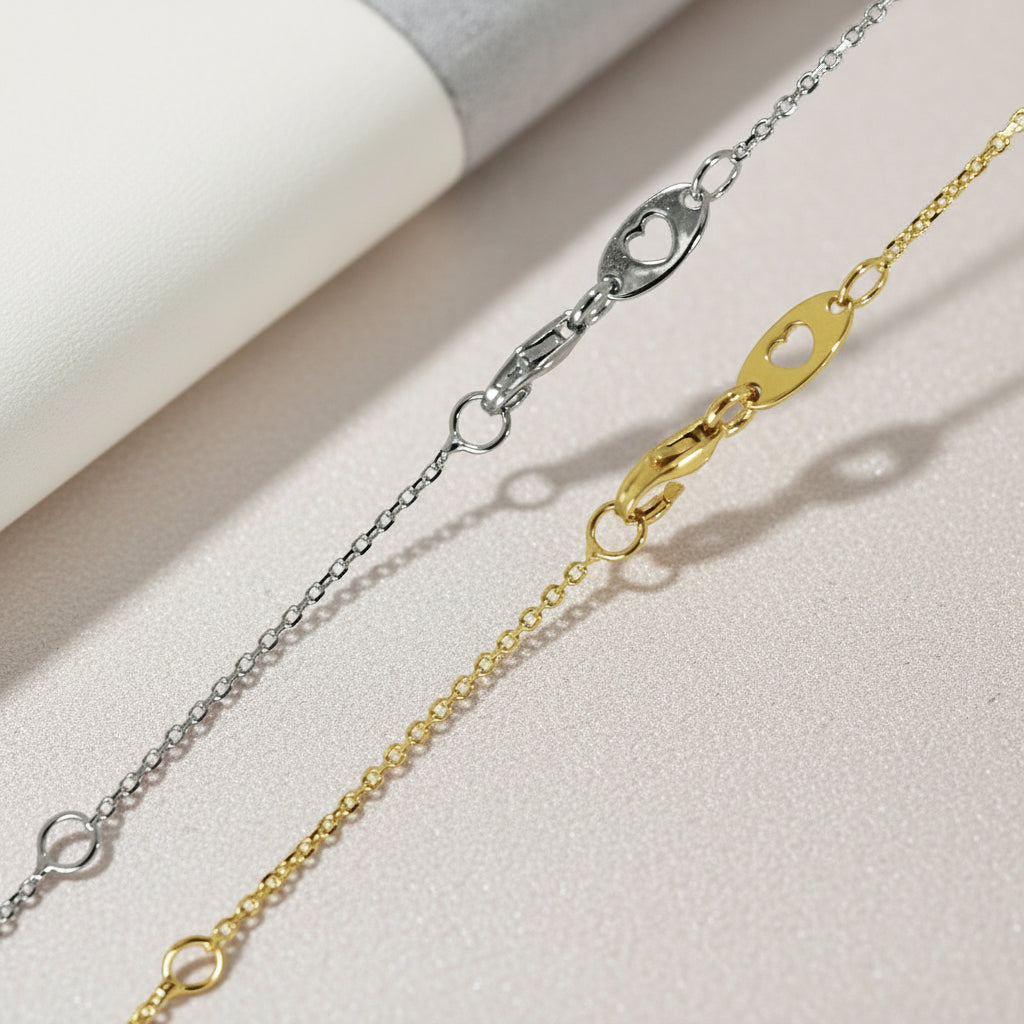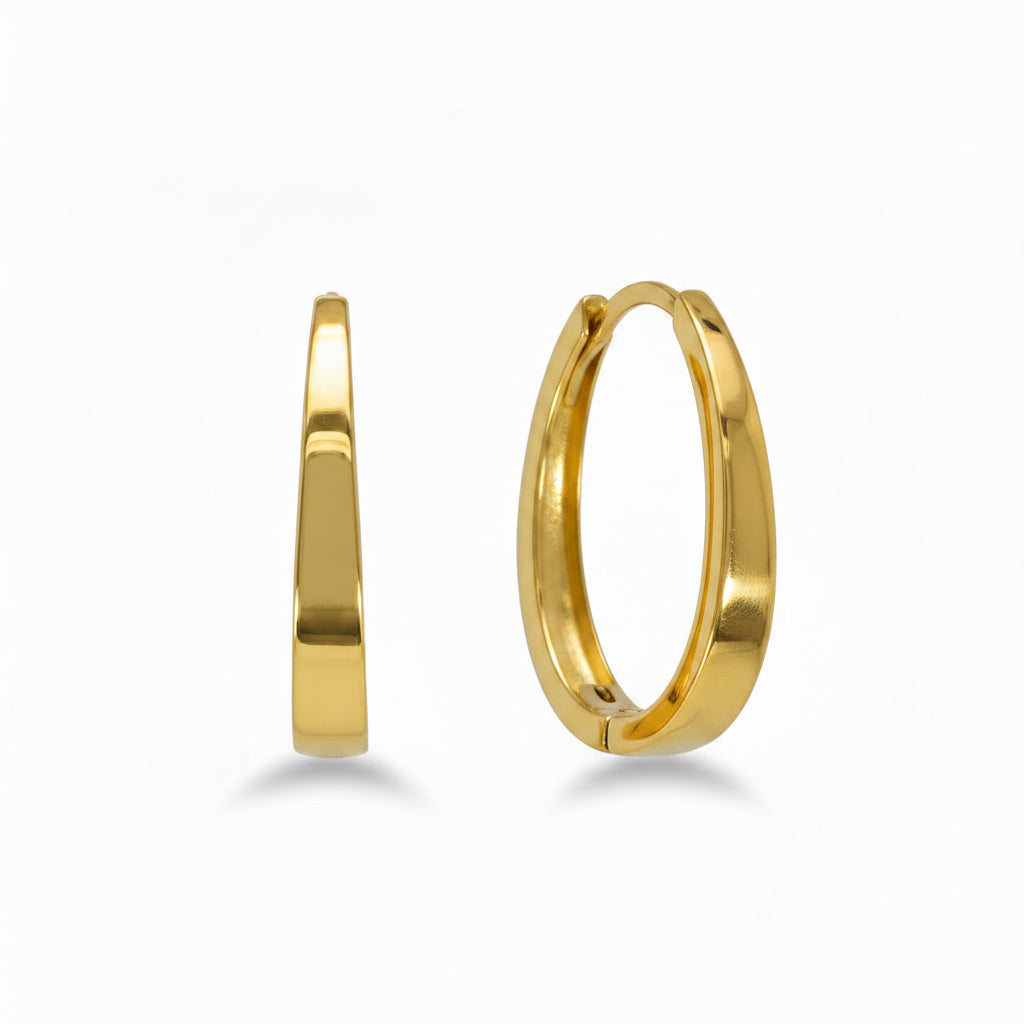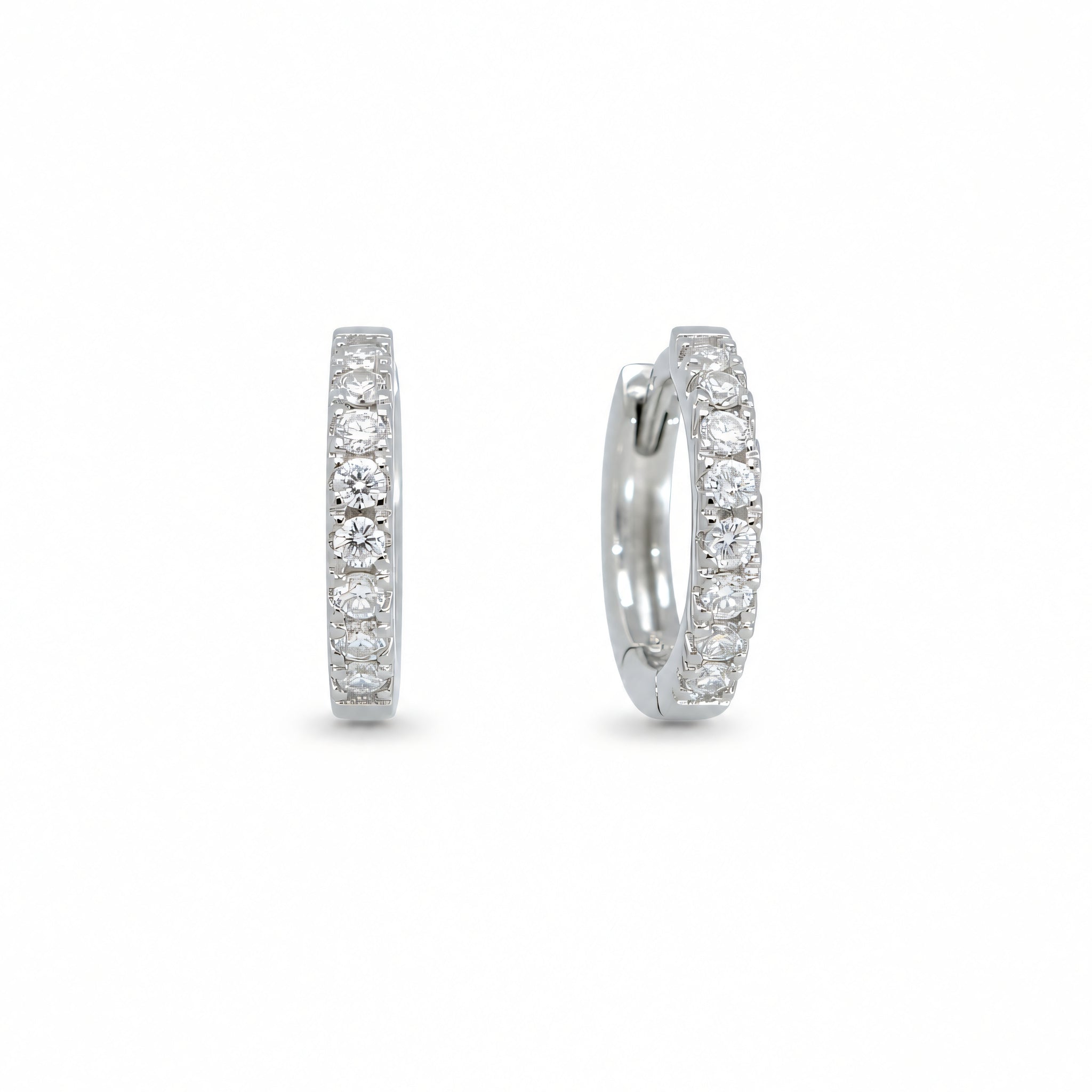









Nickel is one of the most common causes of contact allergies, and jewelry often sits directly on the skin for hours at a time. Whether a piece contains nickel depends on its alloy: nickel can be found in some white gold alloys, in base metals, and under the plating of costume jewelry. If your skin turns red or starts to itch after wearing a piece, a dermatologist is the right person to see.
What is a nickel allergy?
A nickel allergy is a contact allergy: the skin reacts wherever it stays in contact with nickel for a long time. Typical signs are redness, itching, or small blisters, often on the earlobes, the neck, or under rings. Nickel is found in many inexpensive alloys and platings and is one of the most common contact allergens of all. Jewelry that sits close to the skin for long periods is affected most, which means earrings, rings, and new piercings. For this reason, the EU chemicals regulation REACH sets limits on how much nickel such jewelry may release onto the skin.
Only a doctor can tell whether a skin reaction really comes from a nickel allergy, for example with an allergy test at a dermatologist's office. This guide is not a substitute for medical advice.
Does 585 gold contain nickel?
That depends on the alloy. 585 gold is 58.5% pure gold, and the other 41.5% is made up of metals that give the soft gold its strength and color. In yellow gold, these are usually silver and copper. Some white gold alloys contain nickel, while others do not. The 585 stamp is no help here, because it only states the gold content and says nothing about the other metals. If you have a known nickel allergy, ask about the exact alloy before you buy, especially with white gold.

Does 925 silver contain nickel?
You cannot tell from the stamp. 925 silver, also called sterling silver, is 92.5% pure silver. The remaining 7.5% is usually copper, which makes the soft silver harder. As with gold, the 925 stamp only gives the precious metal content. It does not tell you what other metals a particular piece contains or whether its surface is plated. If you have a known allergy, it is worth asking about both.
With white gold, it pays to ask about the exact alloy before you buy.
Splendido JewelryNickel-free, hypoallergenic, and skin-friendly: the difference
“Nickel-free” refers only to the metal nickel, “hypoallergenic” to allergies in general, and “skin-friendly” is a descriptive term used in retail. In everyday use, “nickel-free” usually means that a piece stays within the EU limits for nickel release. That does not necessarily rule out every last trace of nickel. “Hypoallergenic” says that a material rarely causes allergies. This is the seller's own claim about the material and does not come from any official testing. “Skin-friendly” and “suitable for allergy sufferers” likewise describe only how a seller rates its own product. If you are comparing pieces sold as “nickel-free jewelry,” it is better to look at the actual alloy than at the label, and to ask which metal exactly is meant when in doubt.
How can you identify nickel-free jewelry?
You cannot see by looking at a piece whether it contains or releases nickel. These points give you some clues:
- A fineness stamp such as 585 or 925 identifies real gold or silver. It states the precious metal content, not the other metals in the alloy.
- A clear material description such as “585 gold” or “925 silver” tells you more than vague terms like “gold-plated” or “metal alloy.”
- Be careful with plating: gold-plated or silver-plated costume jewelry can have an alloy containing nickel underneath. Once the plating wears off, your skin comes into contact with nickel.
- Only the seller or the maker of a piece knows the details of its alloy. Ask them before you buy.
Earrings and nickel allergies: what should you look for?
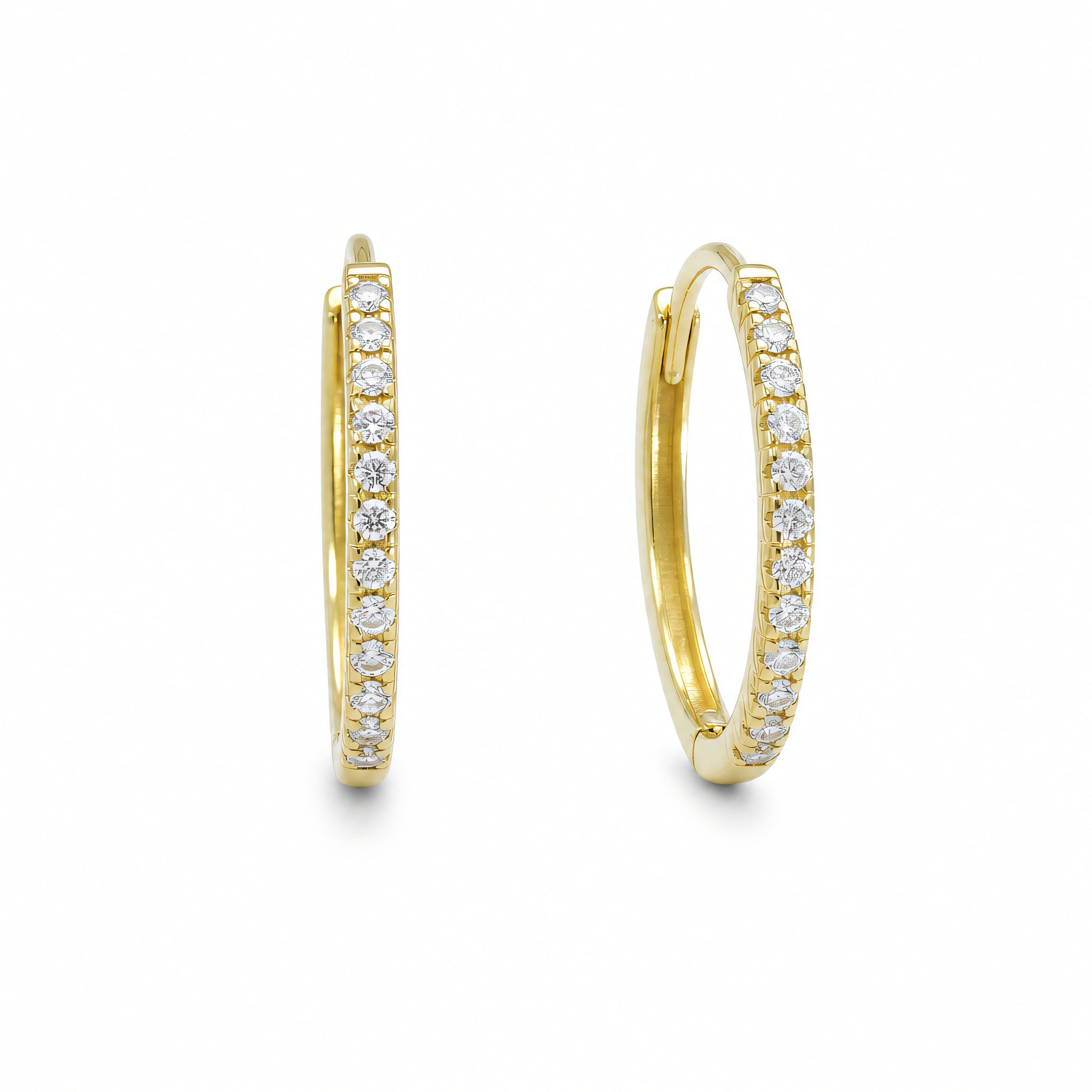
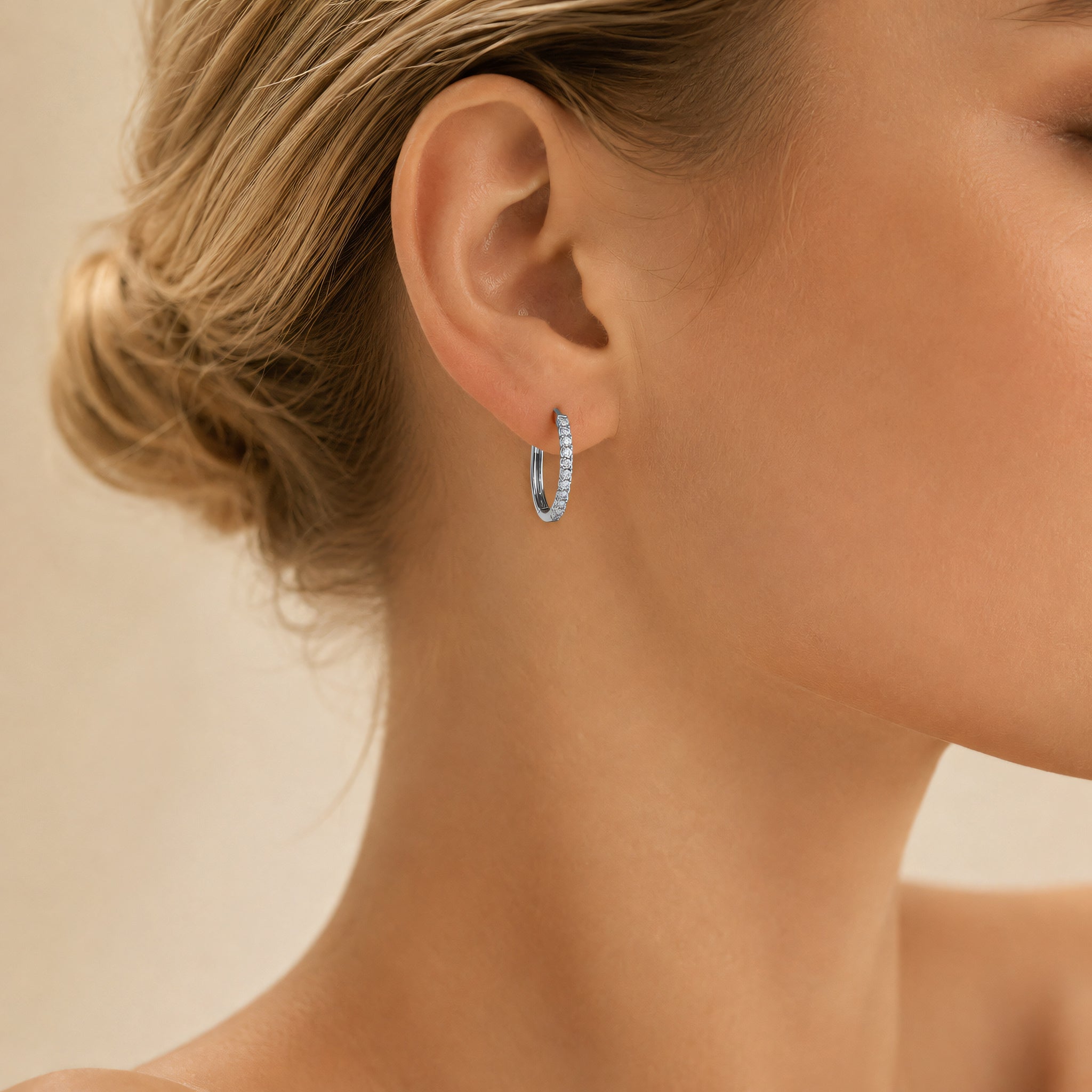
With earrings, the post matters most, because it sits right against the skin inside the earlobe. New piercings are especially sensitive. If you are searching specifically for “nickel-free earrings,” ask about the material of both the post and the back. Gold-plated and silver-plated earrings have the same issue as any plating: once it wears thin, the alloy underneath touches your skin. If an earlobe is irritated, give it a few days of rest before you wear earrings again.
What should you do if you have a nickel allergy?
Take the piece off as soon as your skin turns red or starts to itch, and give the skin time to settle. If the symptoms last or keep coming back, have a possible nickel allergy checked by a doctor, for example a dermatologist. Only an allergy test can tell you for certain. Once you know you have the allergy, avoid plated costume jewelry and ask about the alloy before every purchase, especially with white gold and stud earrings.
What Splendido Jewelry offers
Splendido Jewelry sells jewelry in 585 gold and 925 silver, carefully selected and mostly from Italy. You will find the pieces in our gold jewelry and silver jewelry collections. If you are sensitive to nickel, please write to us before you buy. We will tell you what we know about the specific piece.