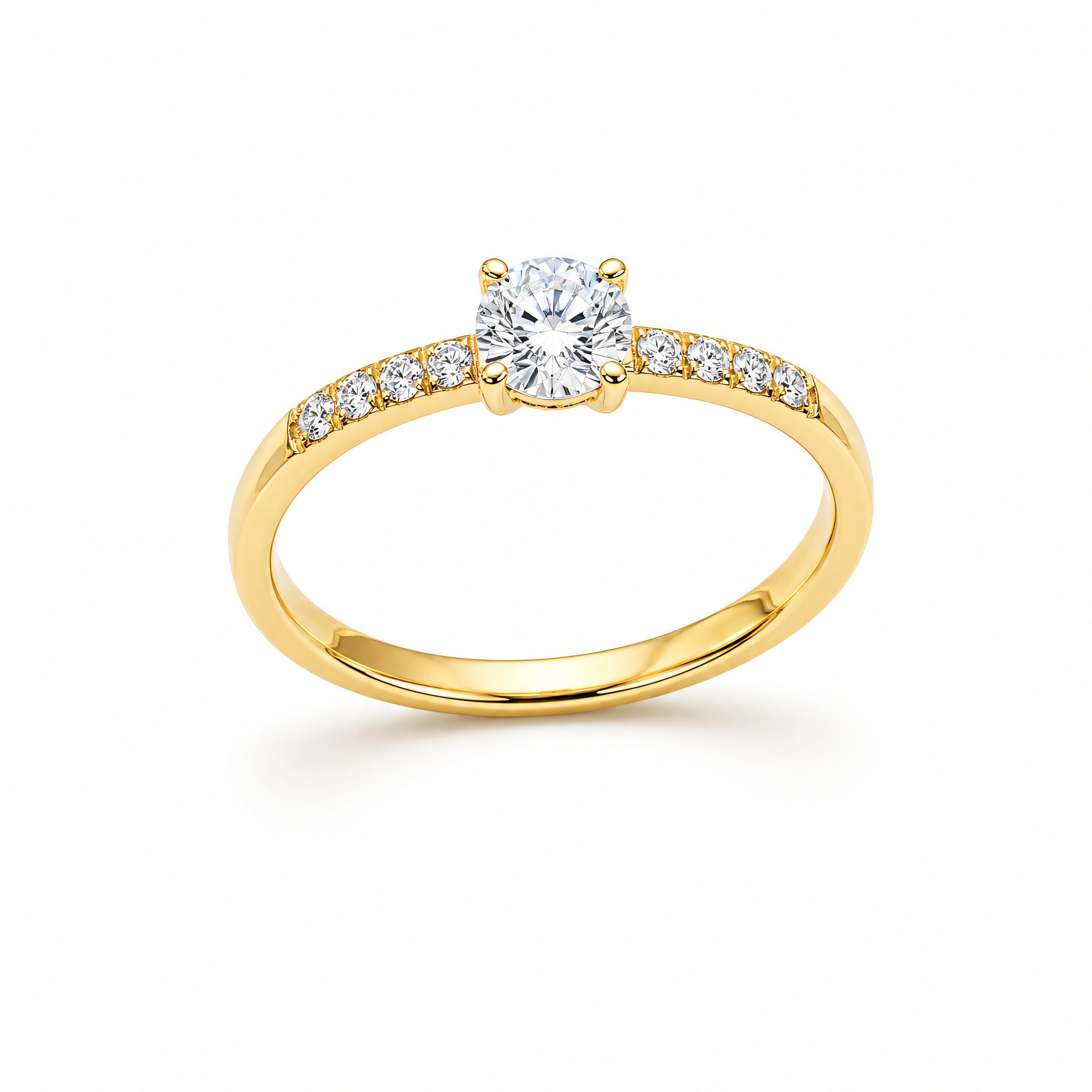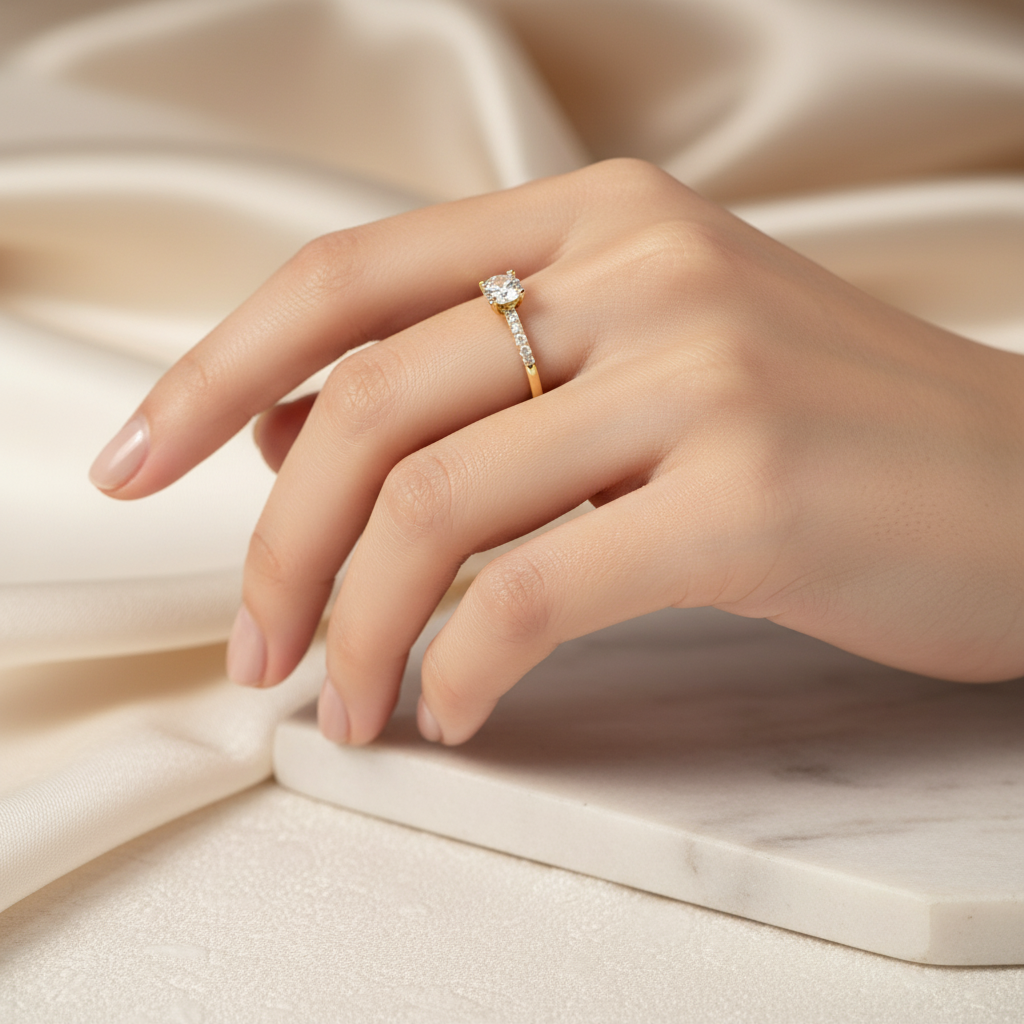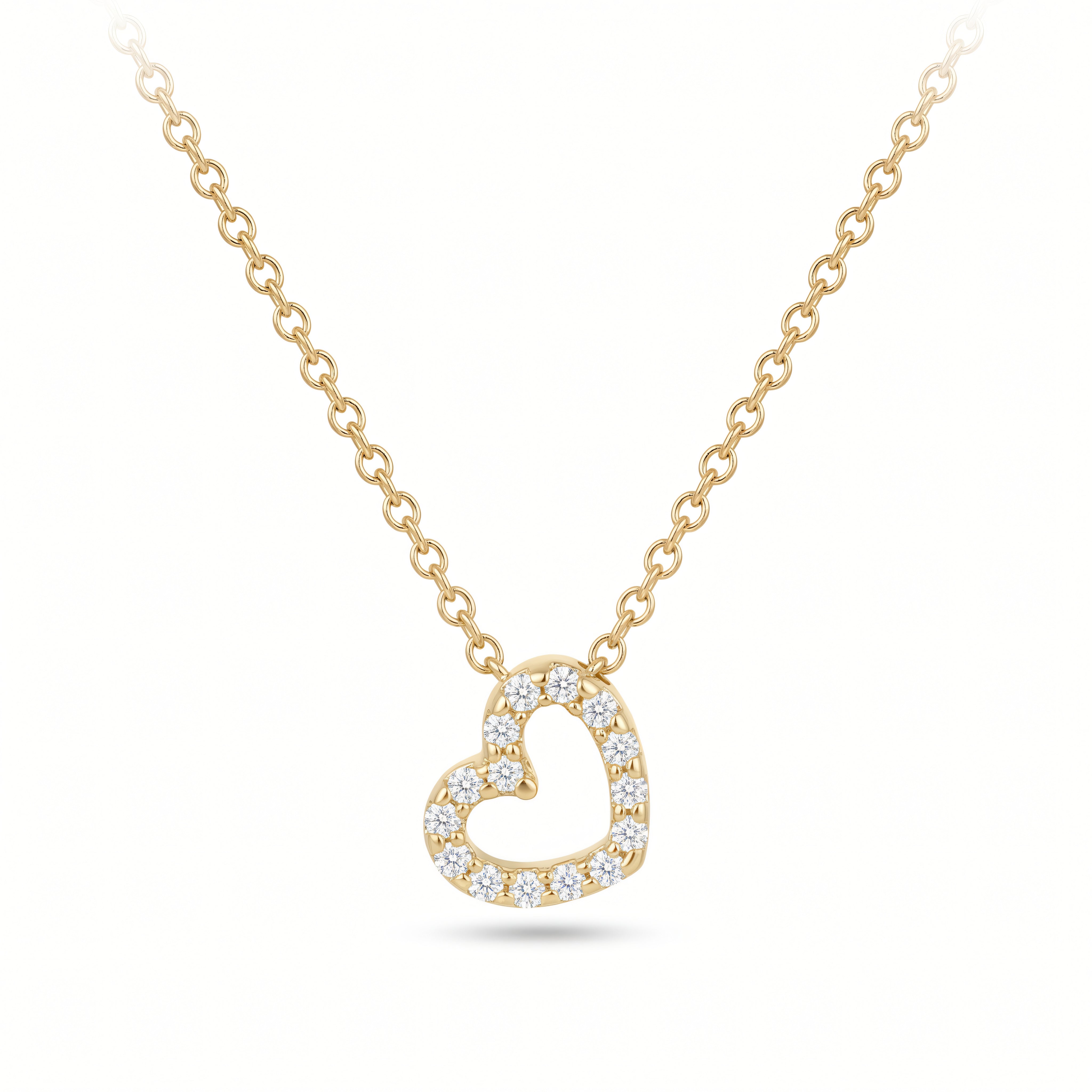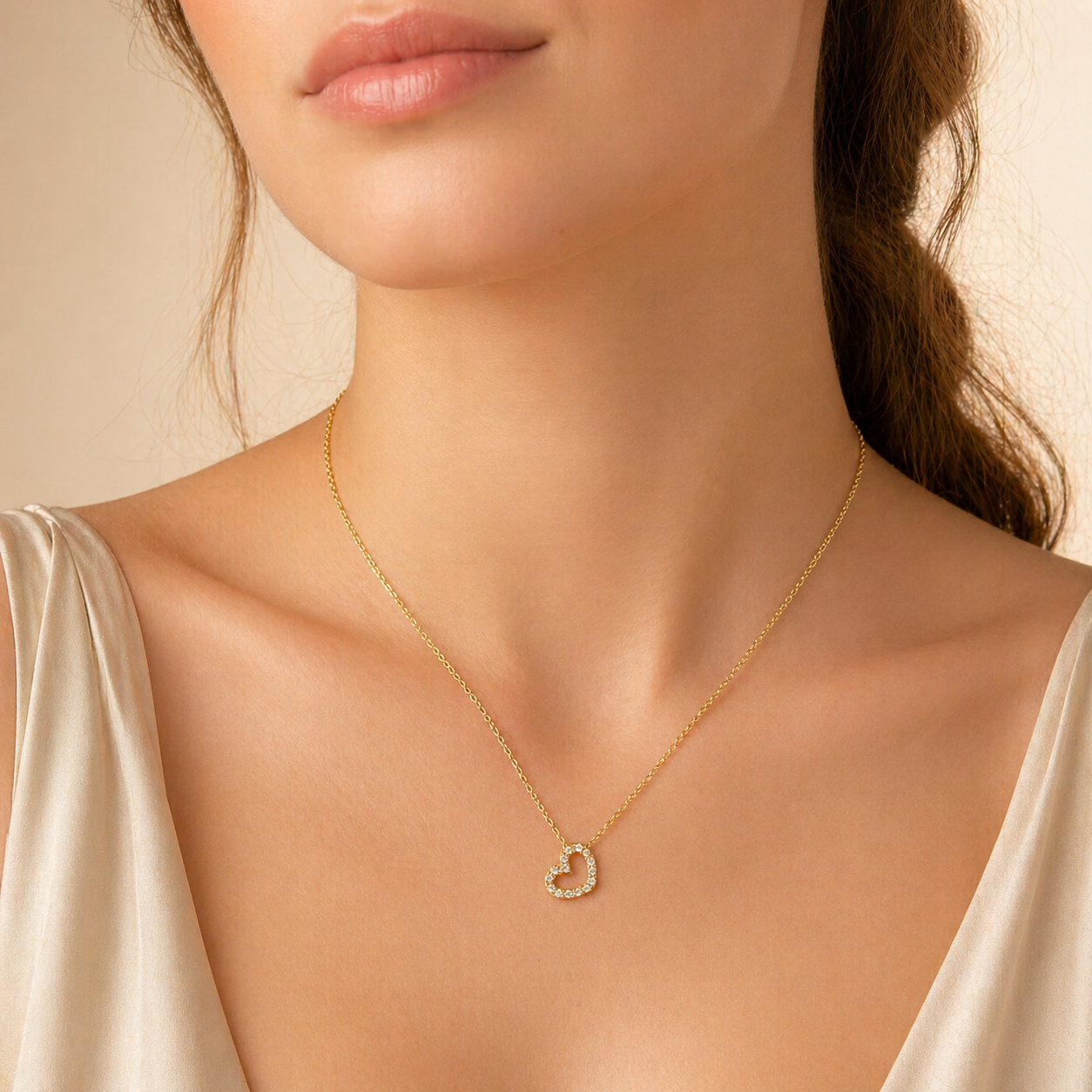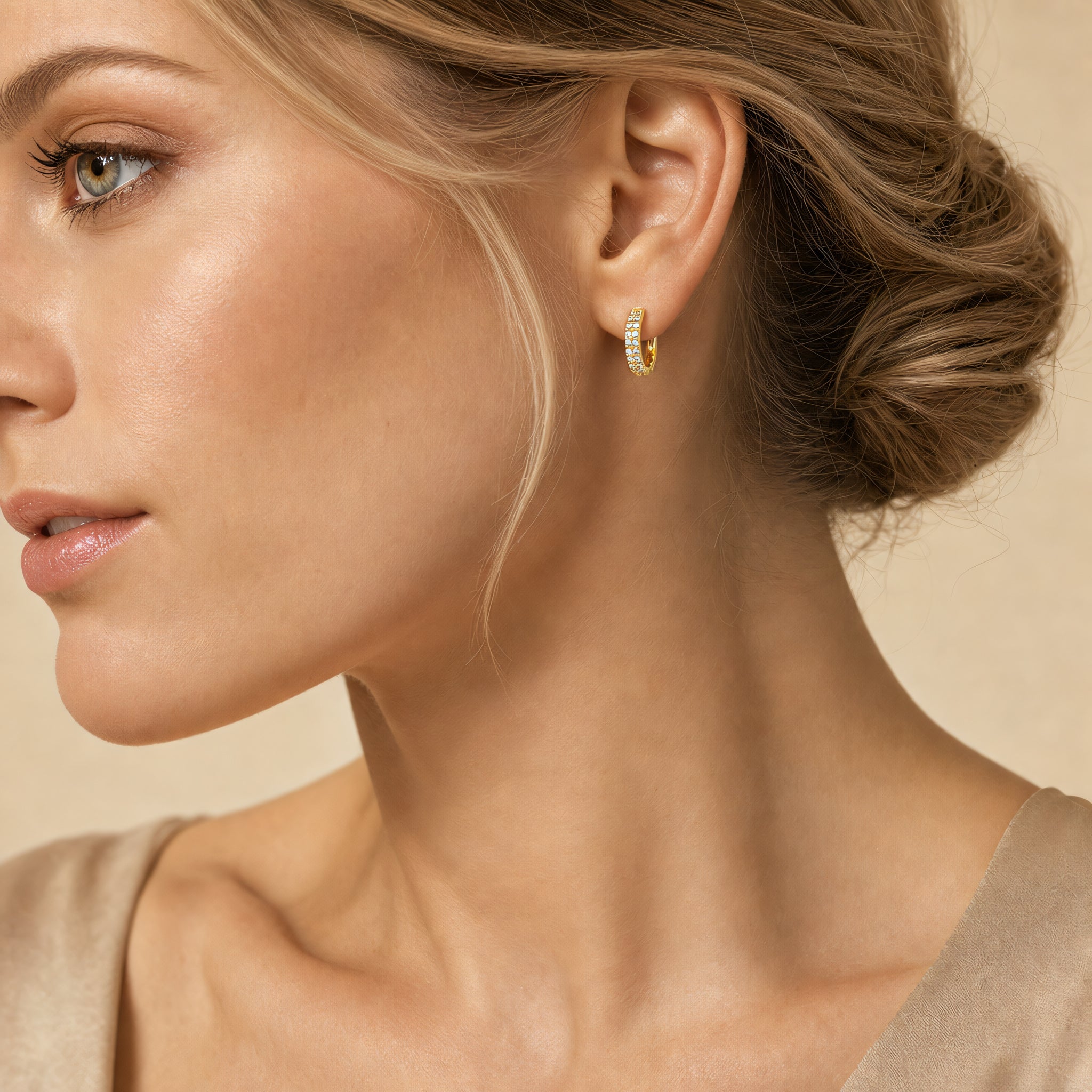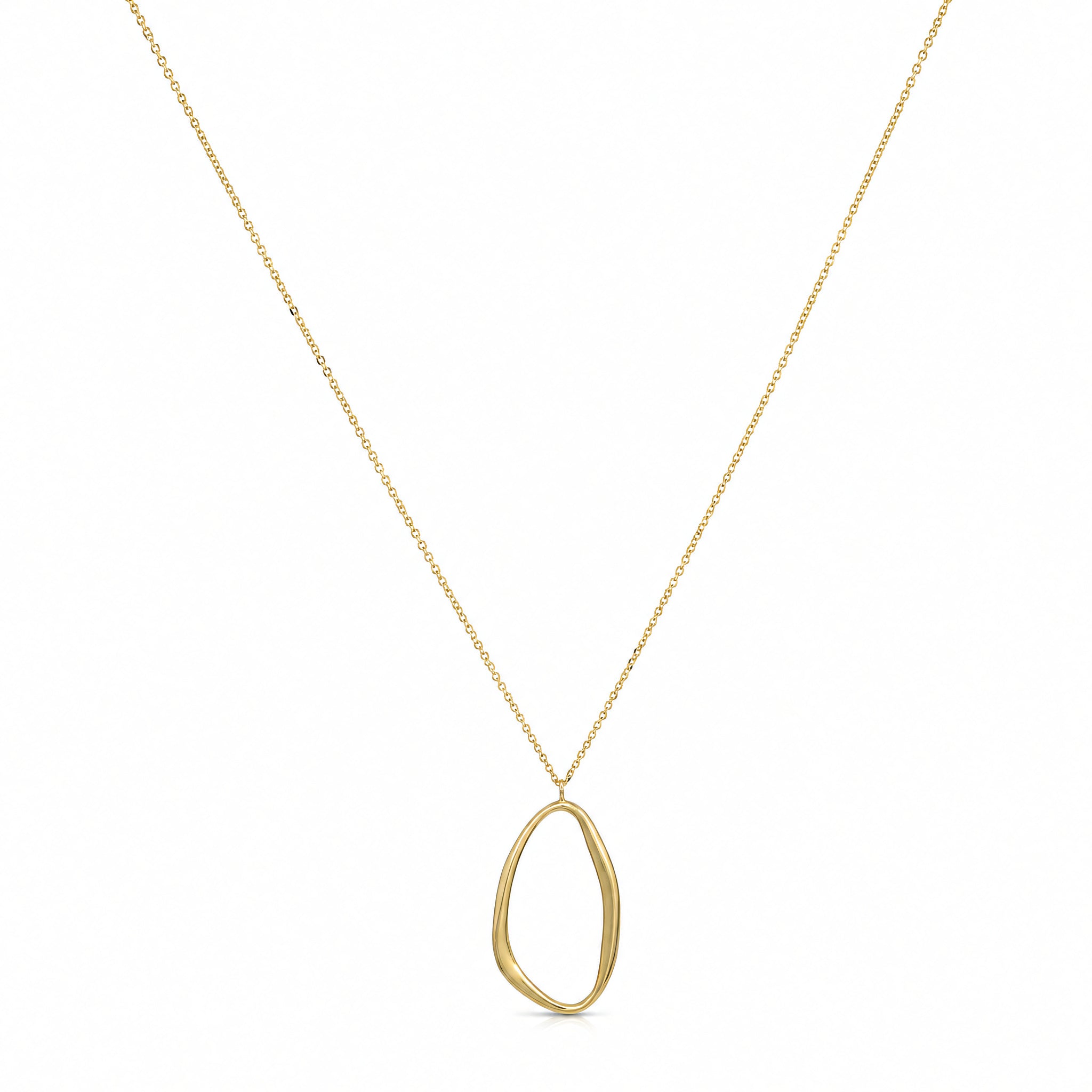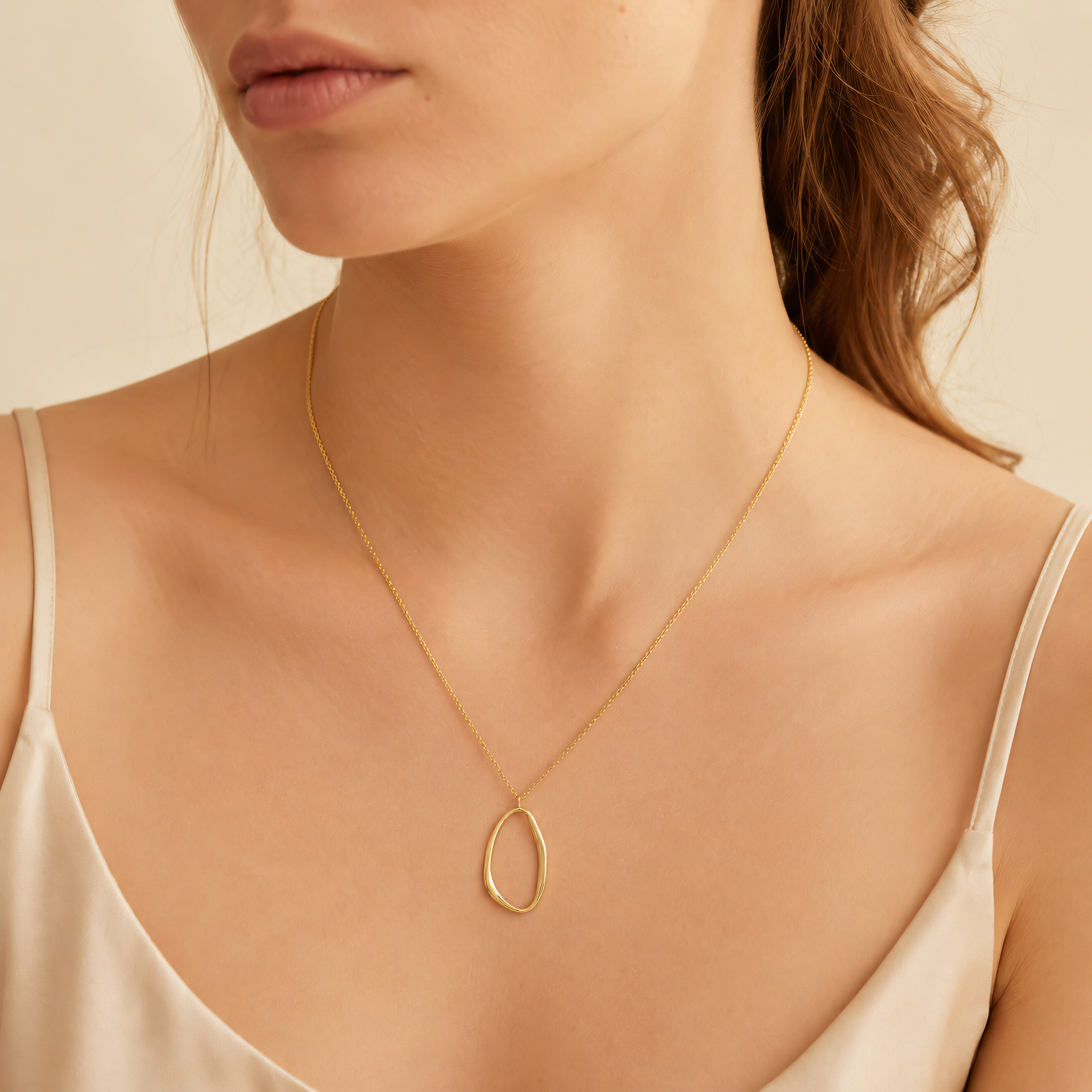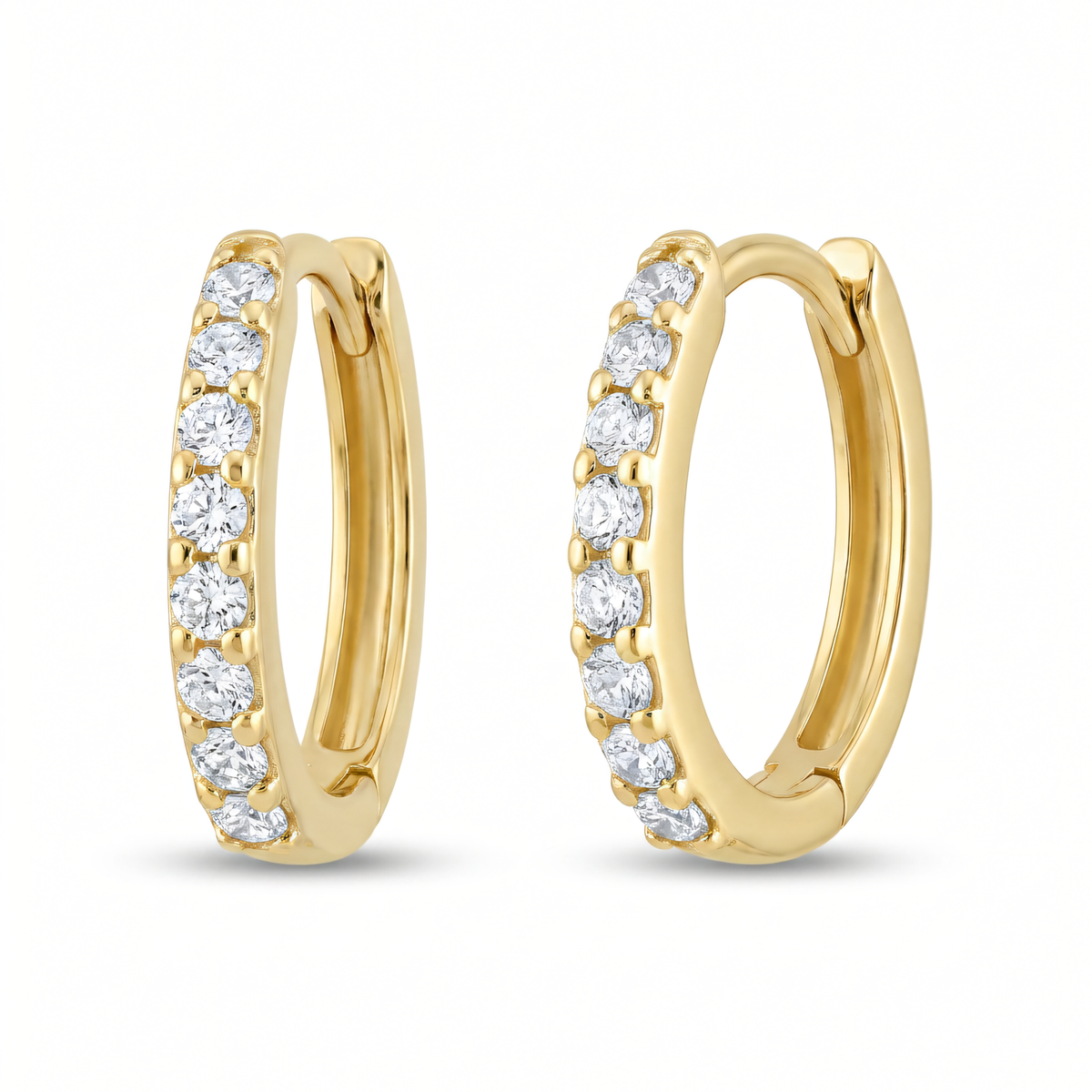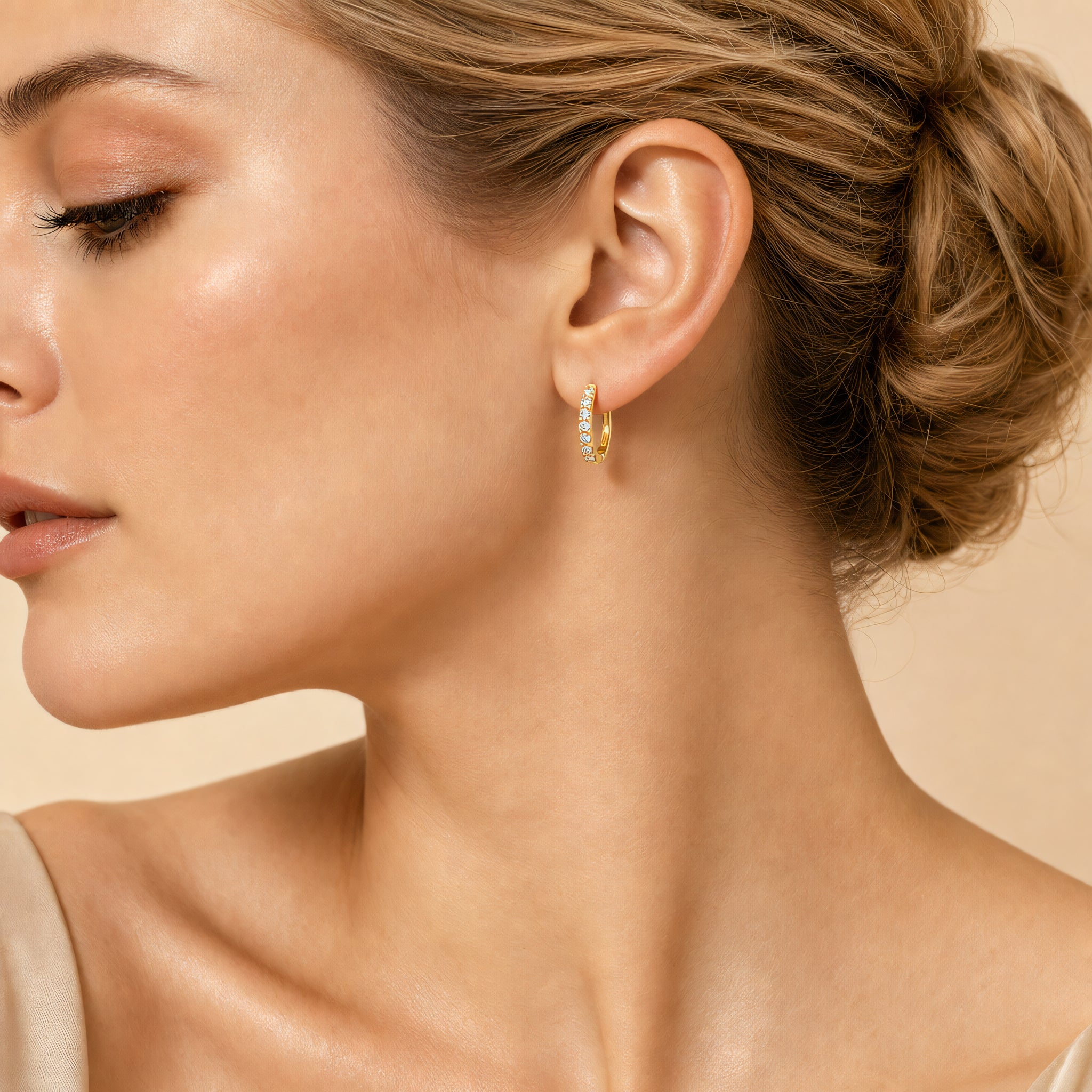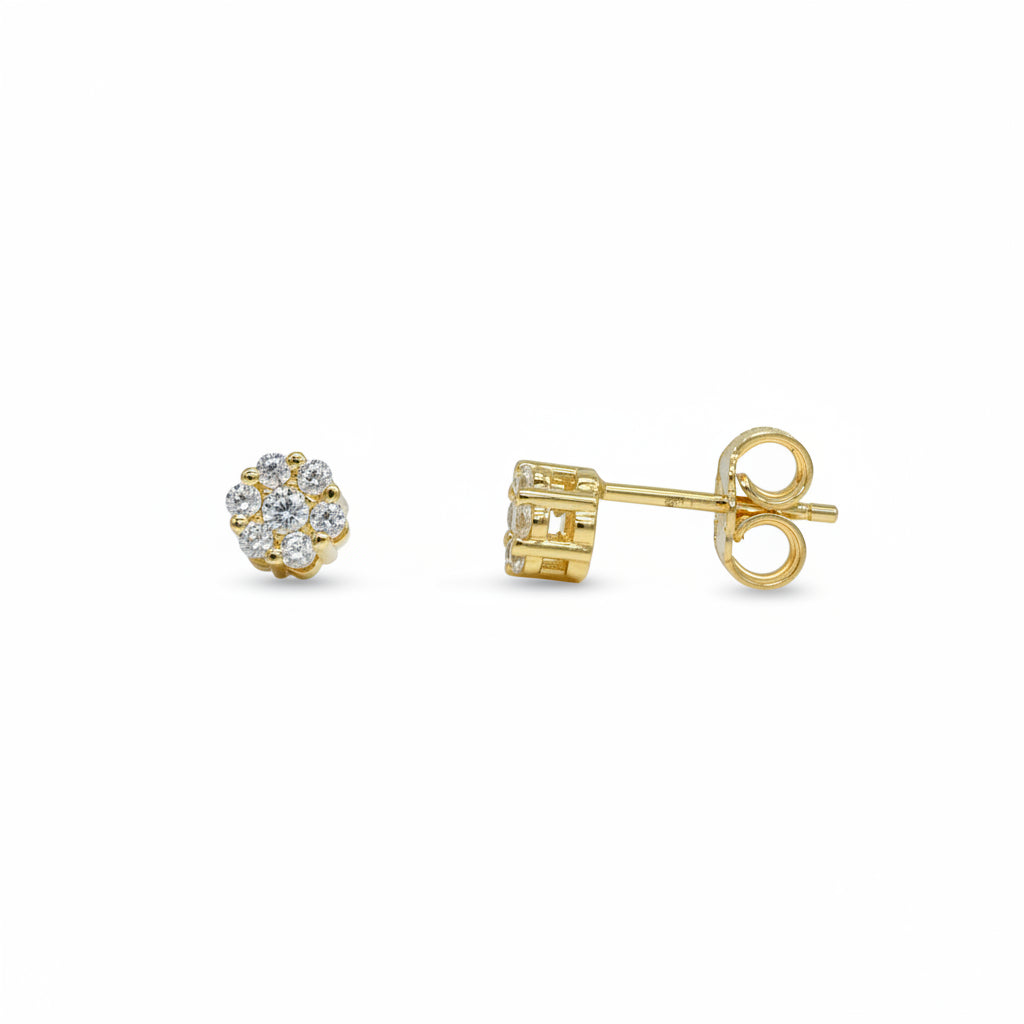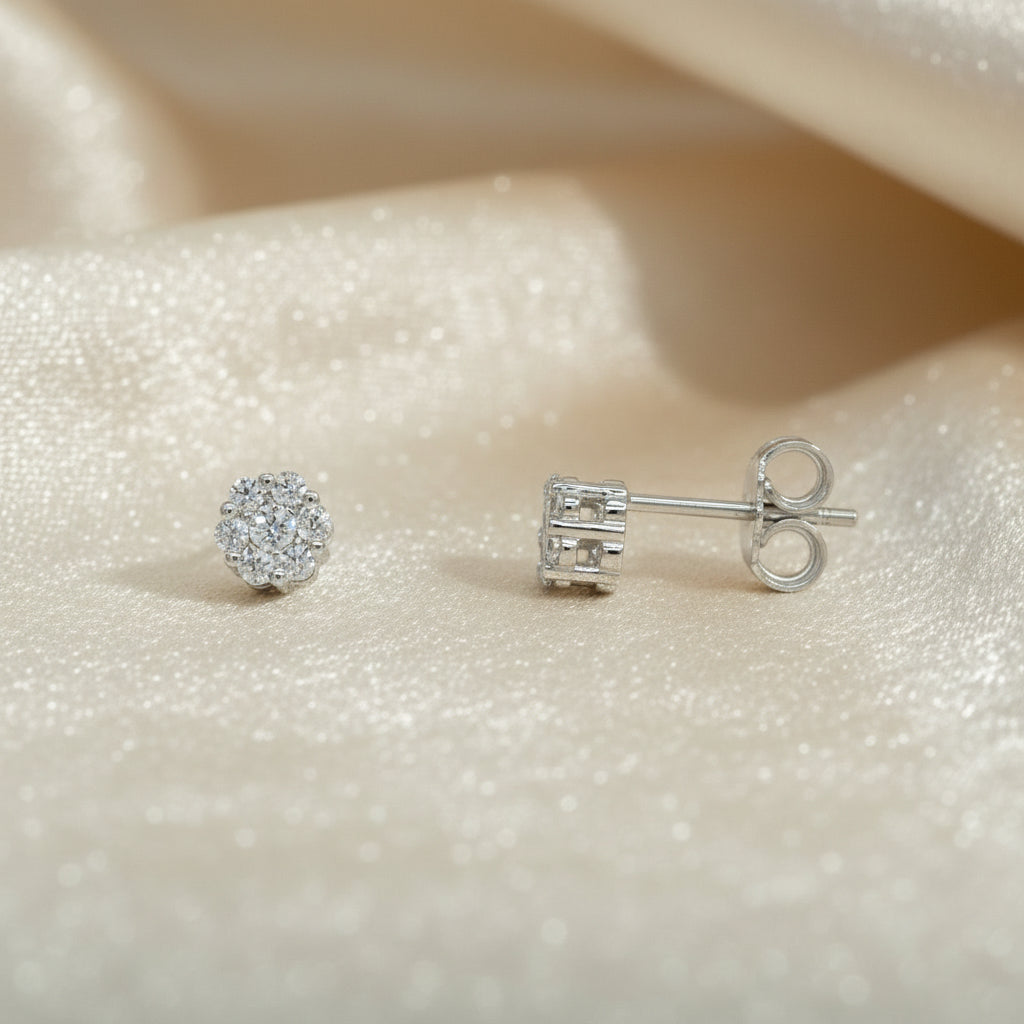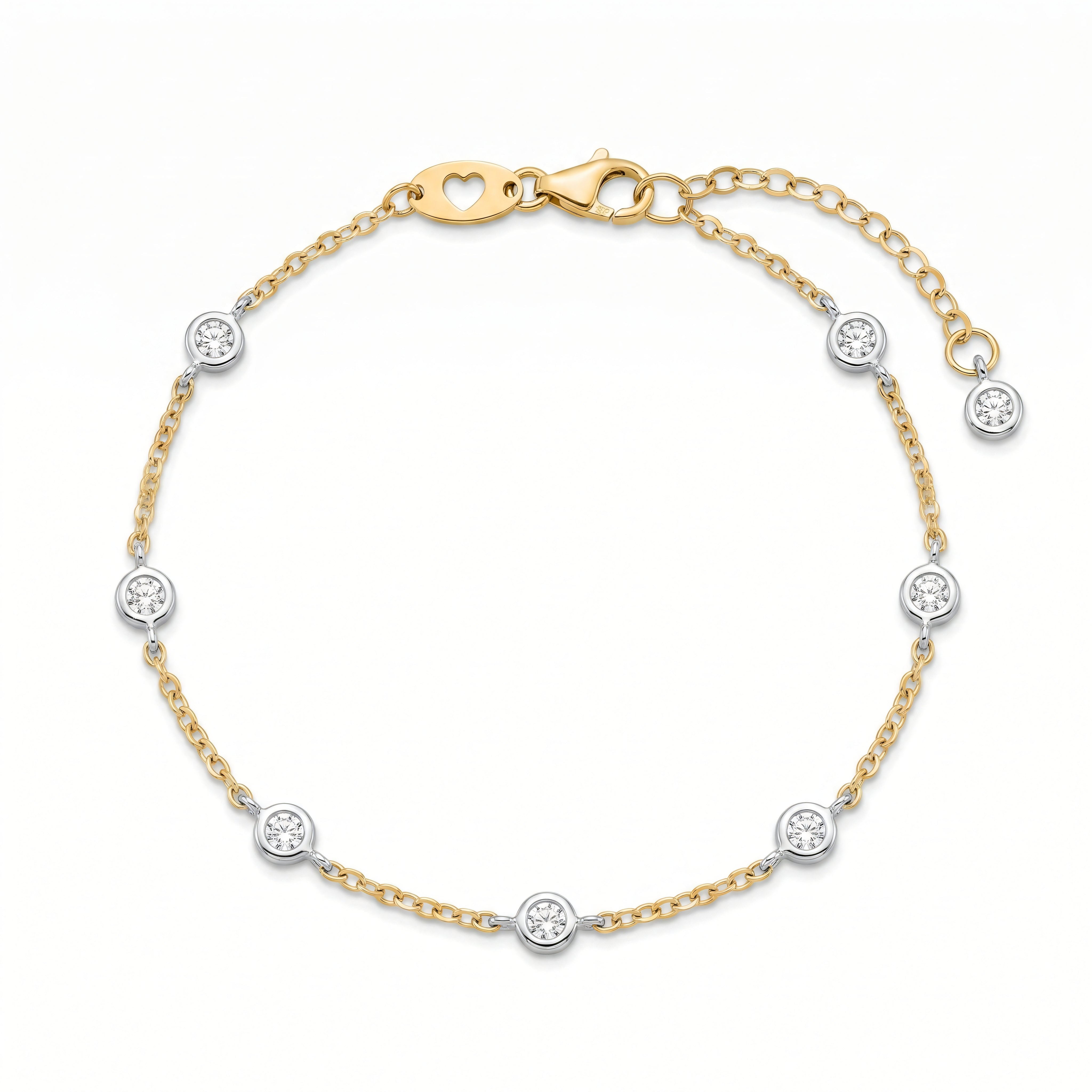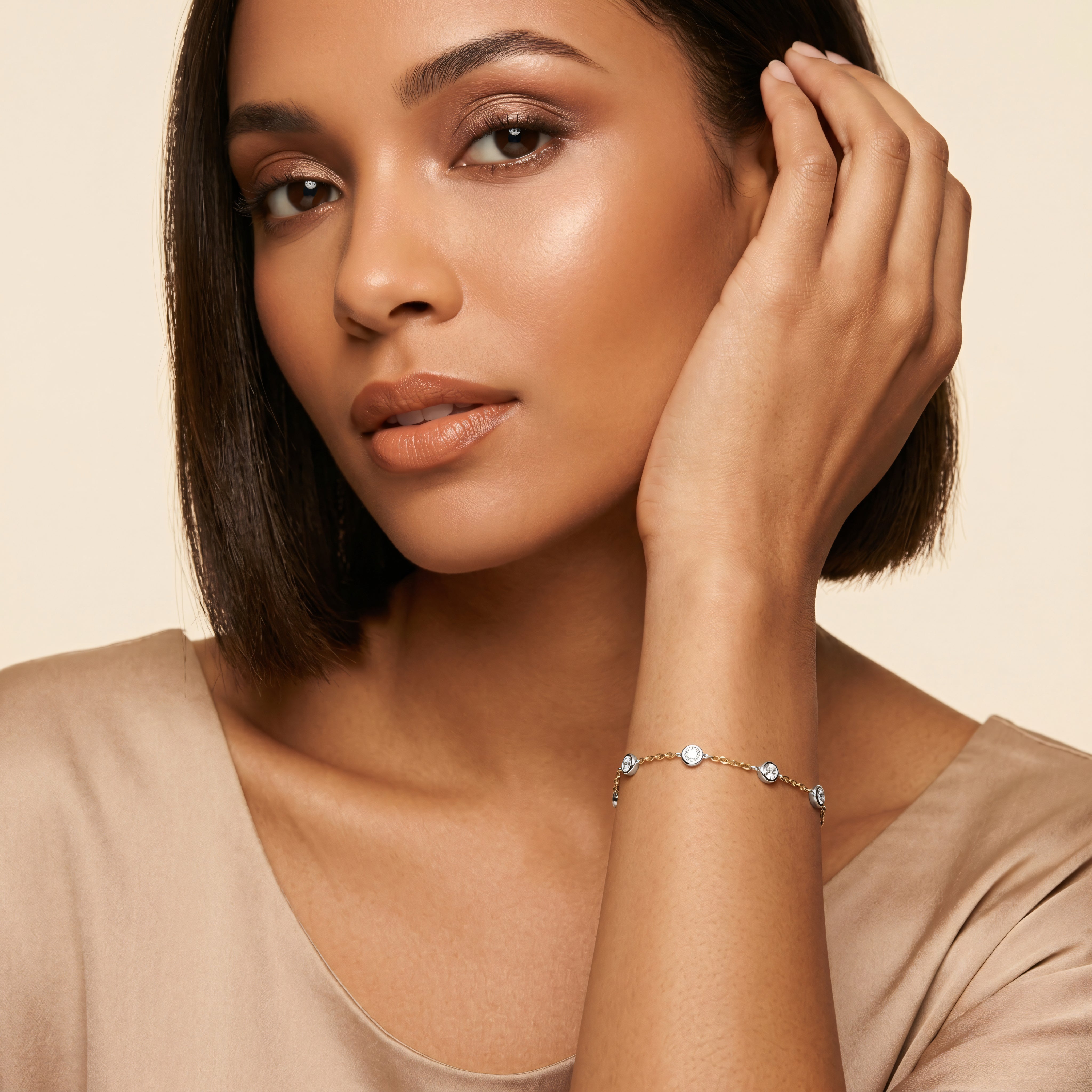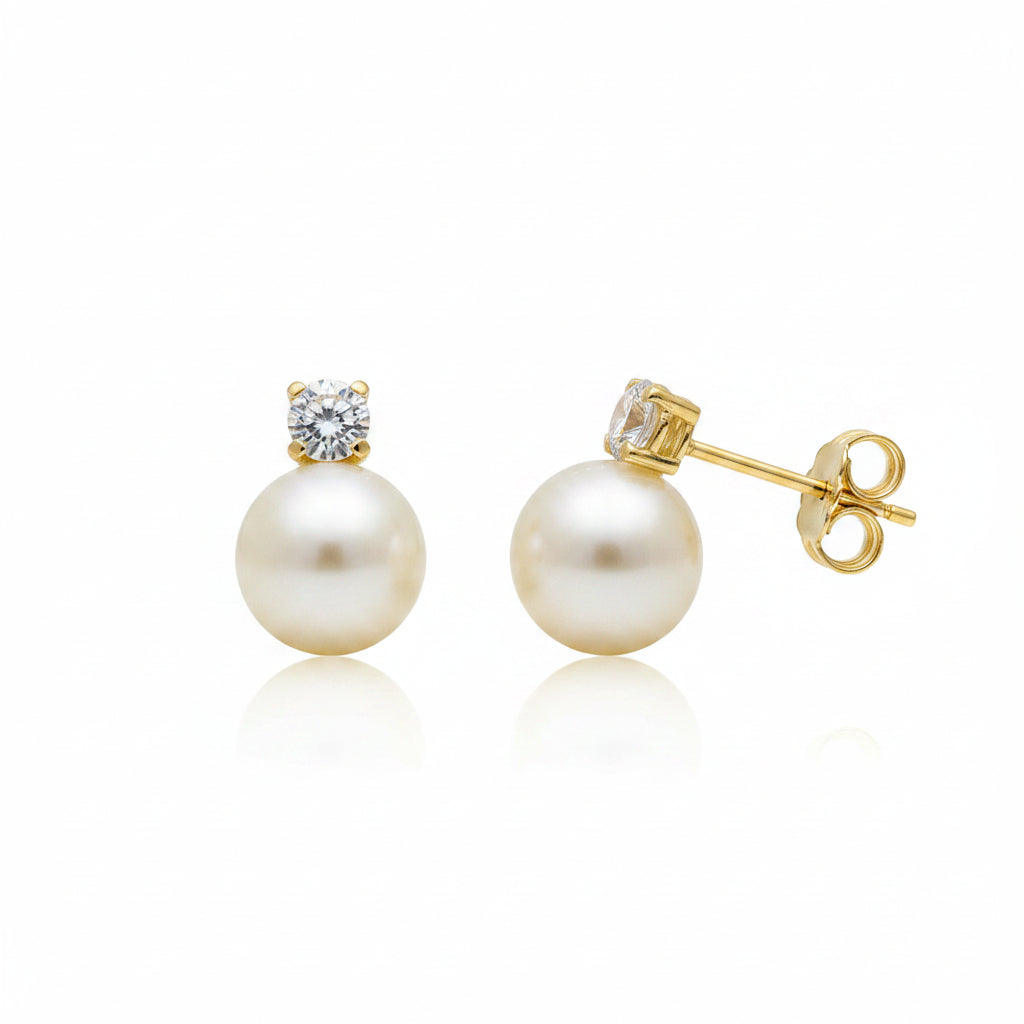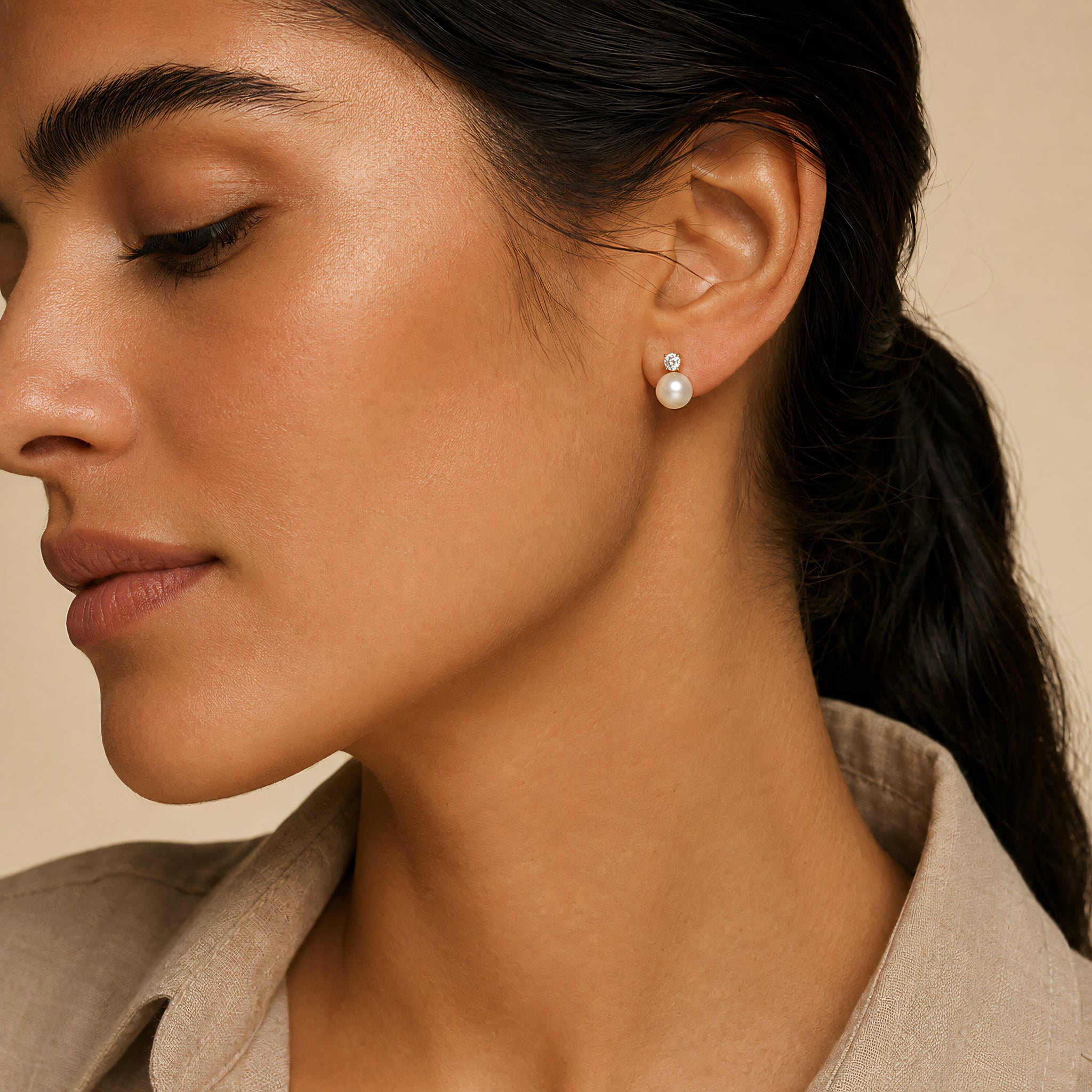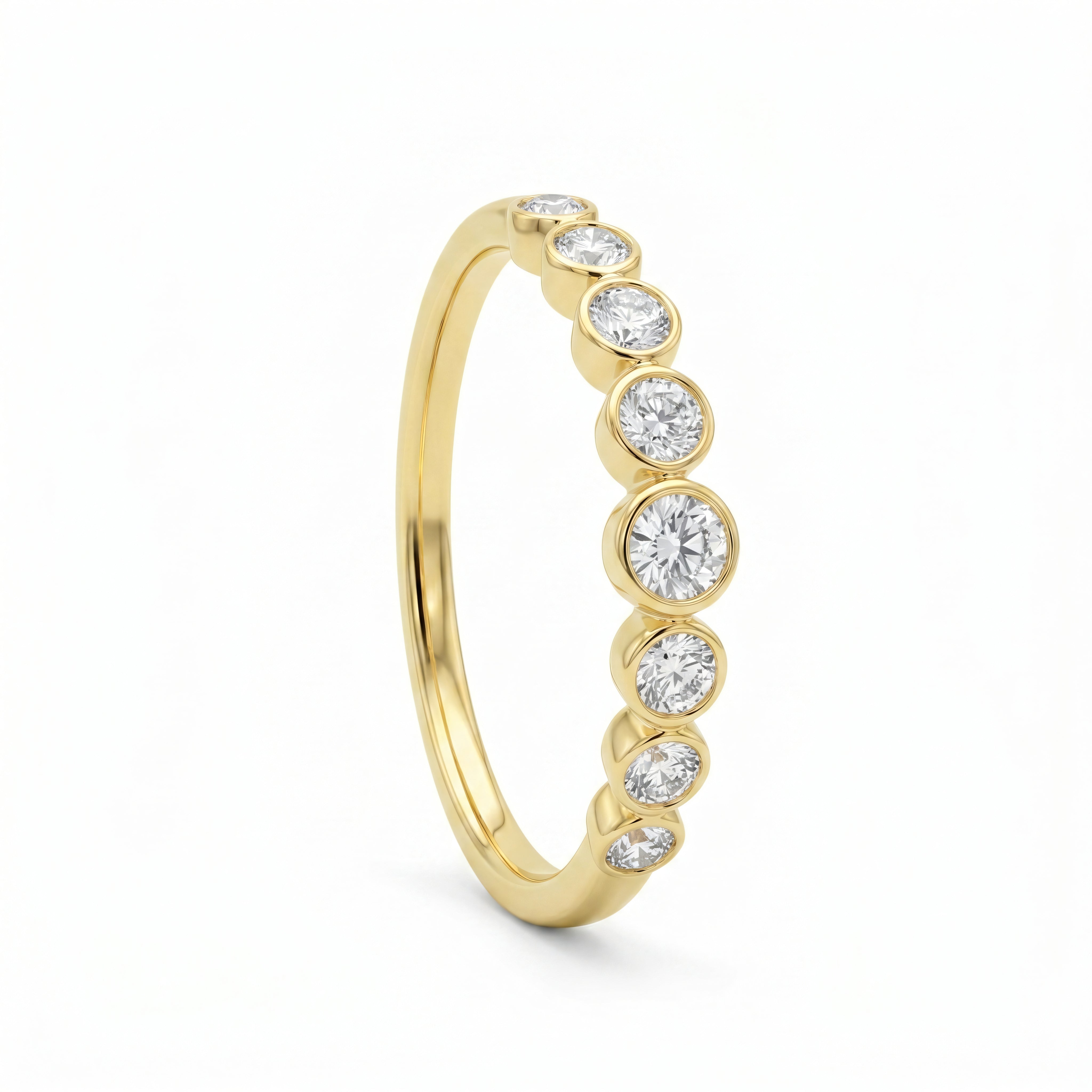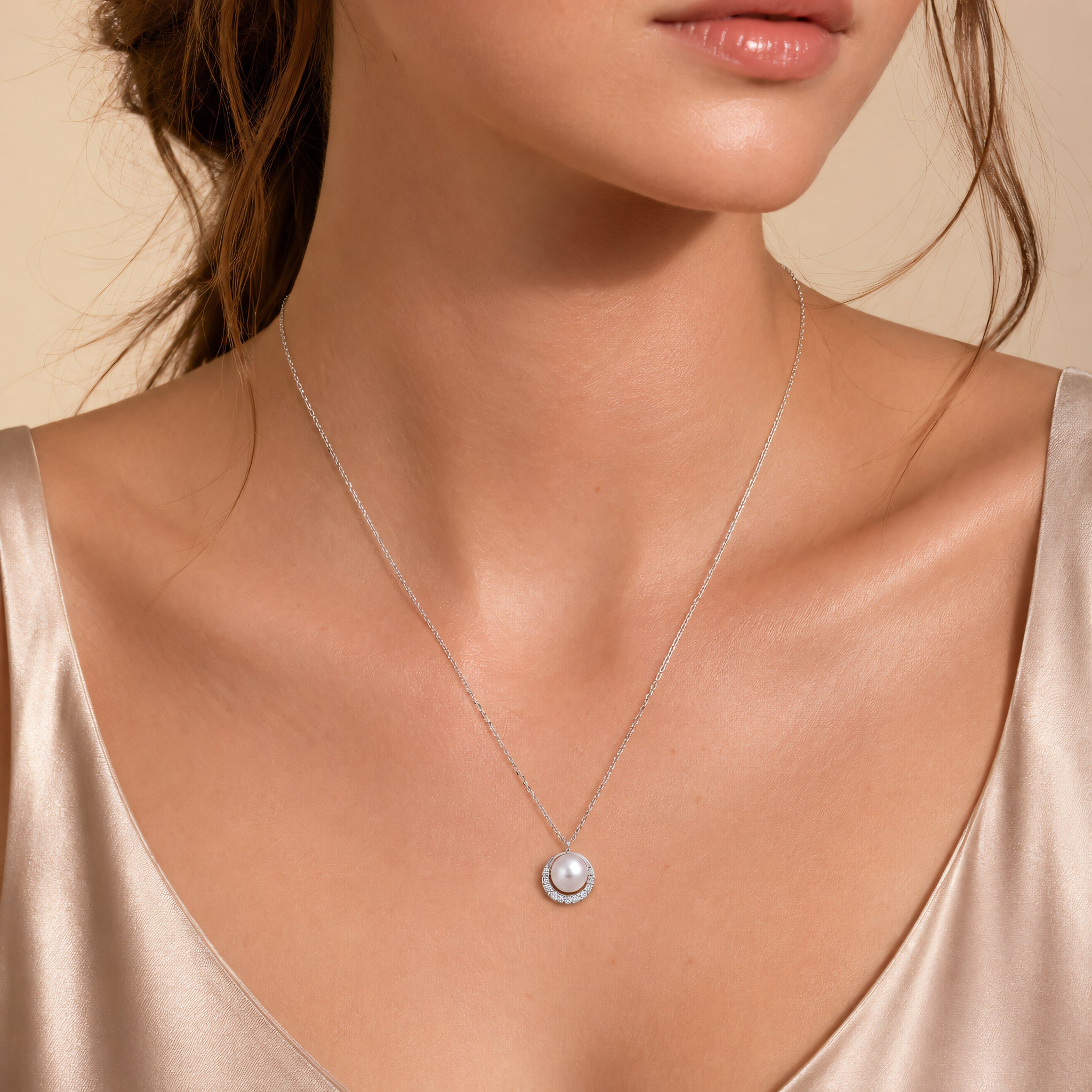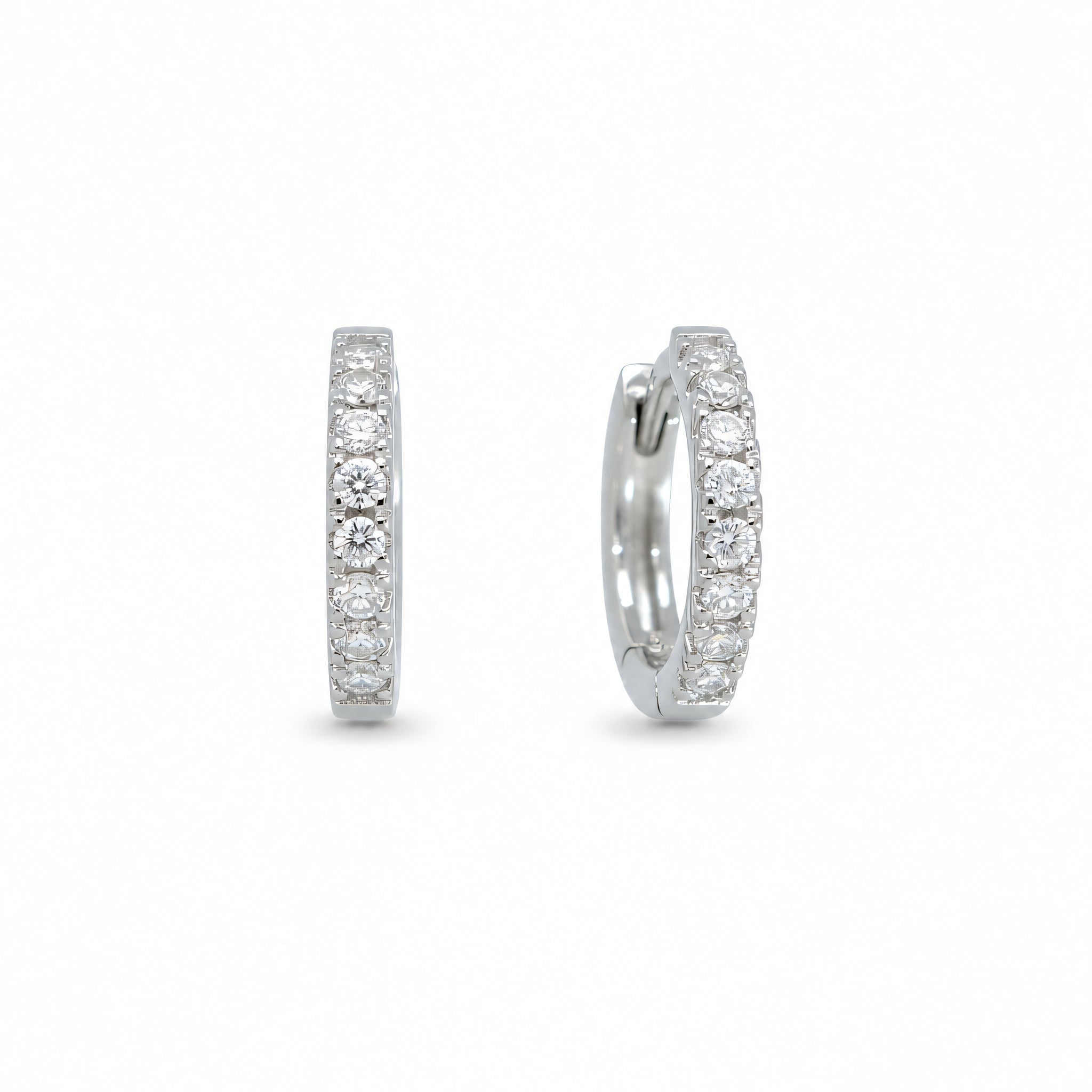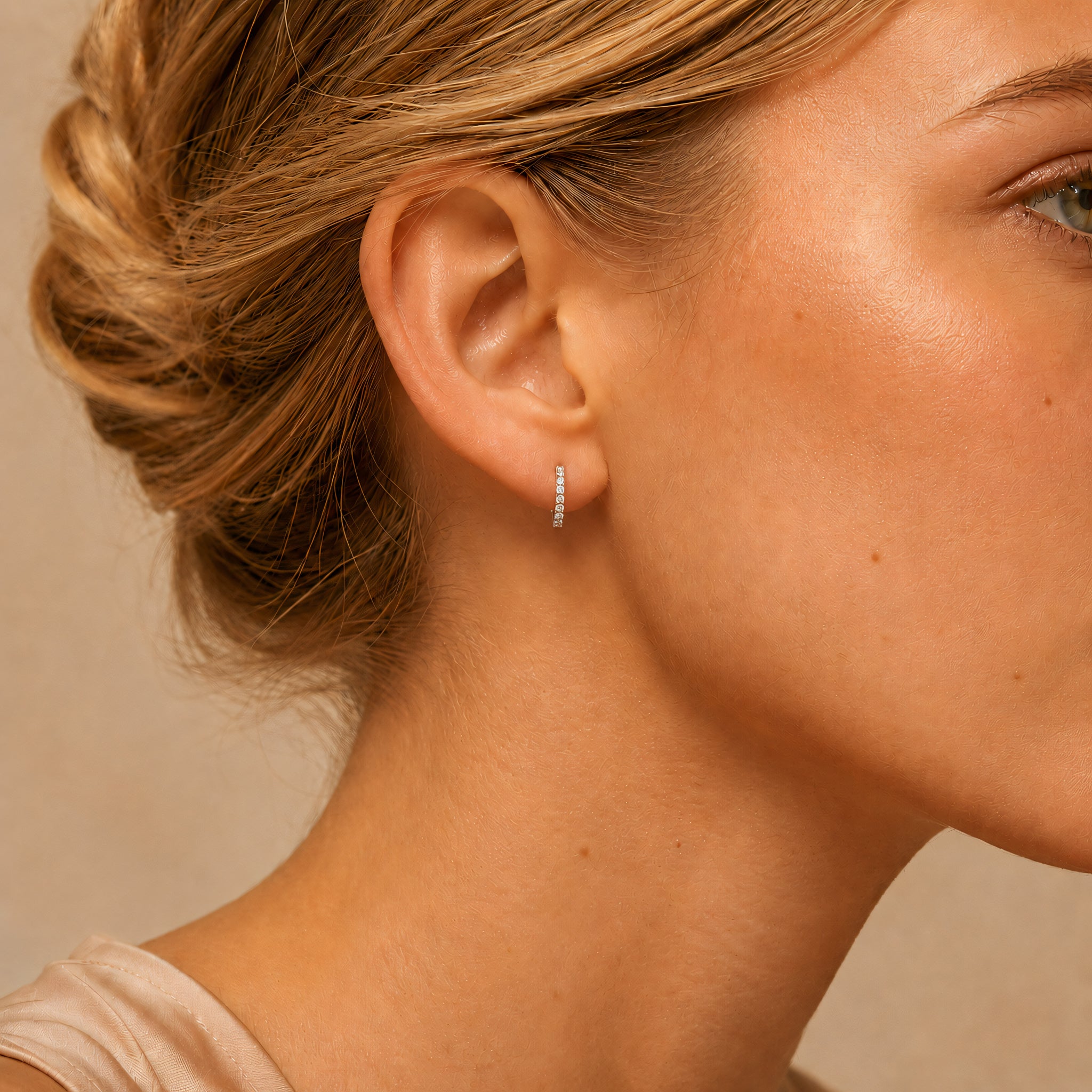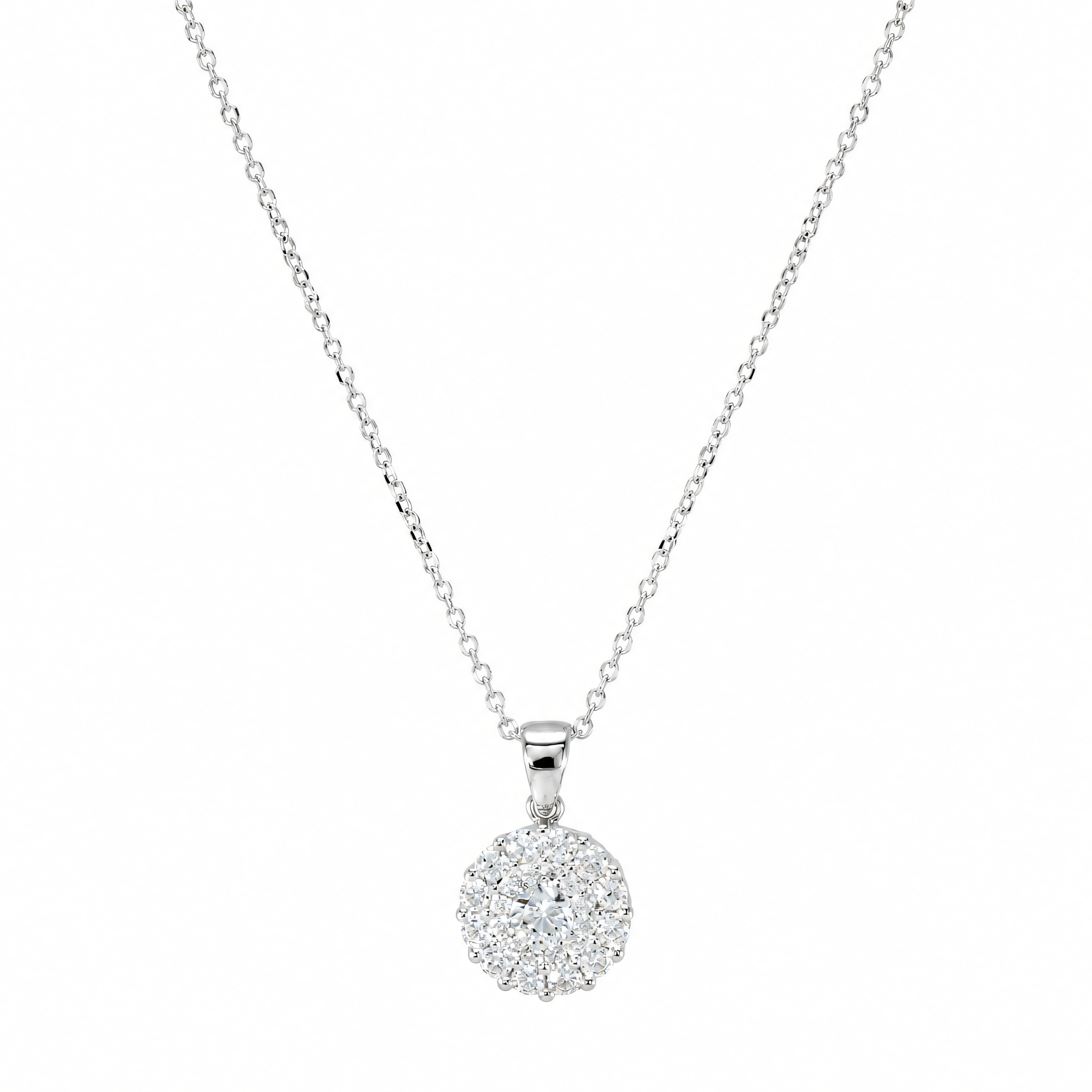





Diamond and brilliant-cut diamond refer to the same gemstone – just in different forms: Every brilliant-cut diamond is a diamond, but not every diamond is a brilliant-cut diamond. The term brilliant-cut diamond describes a diamond in a round brilliant cut with 57 facets – the most common and most brilliant cut. How brilliantly a diamond sparkles and what it is worth are determined by the so-called 4 Cs: Carat, Color, Clarity, and Cut. This guide explains them clearly – so you know exactly what matters when buying.
Diamond or brilliant-cut diamond – what is the difference?
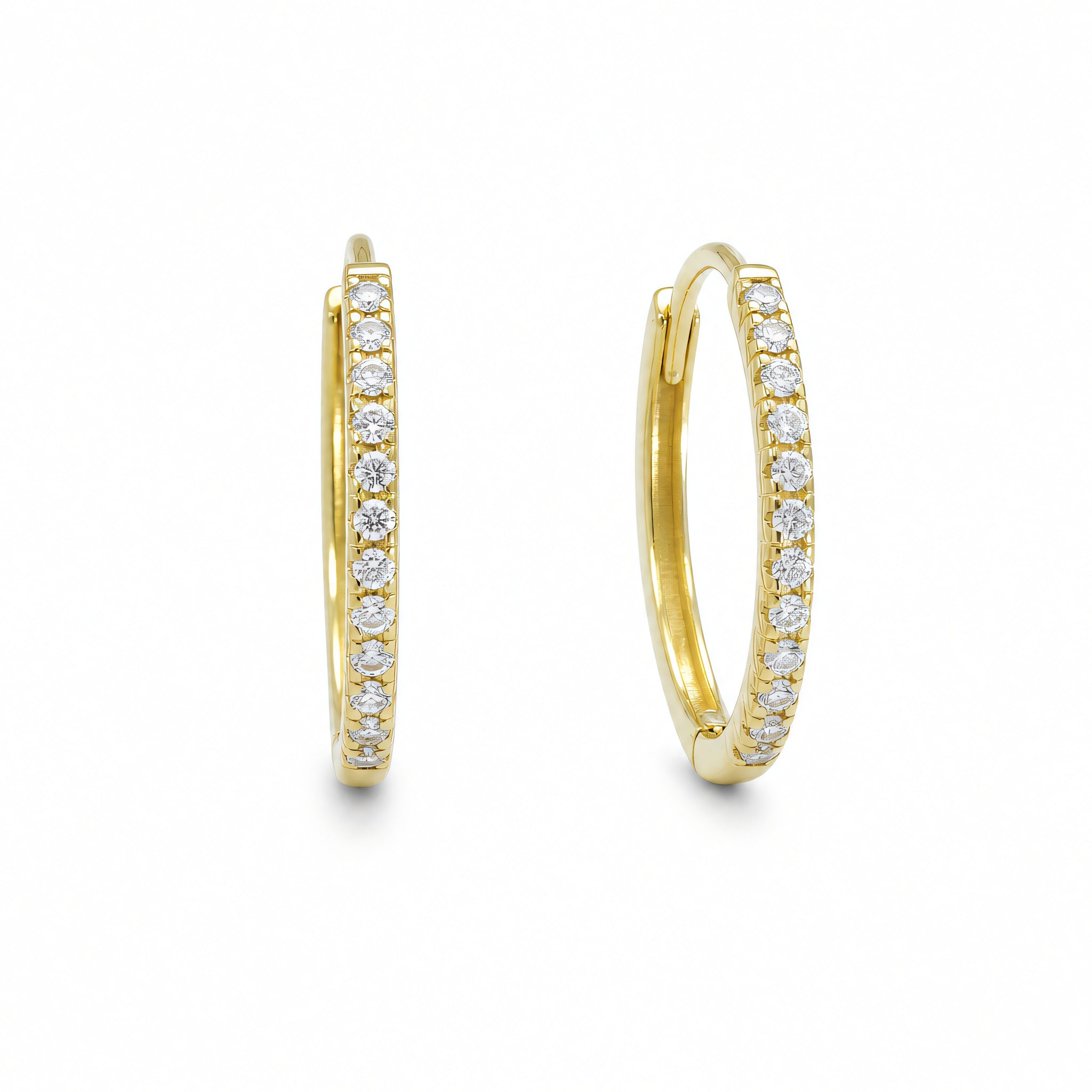
The two words are often used synonymously, but they are not the same. A diamond is the gemstone itself – pure, crystallized carbon and the hardest natural material in the world. A brilliant-cut diamond, on the other hand, refers to the cut: a round diamond in a full cut with 57 (or 58) facets. This cut was developed to refract and reflect light within the stone as effectively as possible – creating the famous sparkle.
Important to know: The term “brilliant-cut diamond” is reserved exclusively for the round brilliant cut. Other cuts such as princess, oval, or emerald are also diamond cuts, but must not be called brilliant cuts. Because the round brilliant cut is by far the most popular, many people colloquially refer to “brilliants” when they mean diamond jewelry.
Every brilliant-cut diamond is a diamond – but only a round-cut diamond with 57 facets is a brilliant-cut diamond. At Splendido Jewelry, you will therefore see the term “brilliant-cut diamond” whenever this classic round cut is involved.
The 4 Cs explained simply
A diamond’s value and beauty cannot be determined at first glance, but by four measurable criteria – the 4 Cs. They come from English and are the worldwide standard for evaluation:
- Carat: the weight of the diamond.
- Color: how colorless the stone is.
- Clarity: how free it is from inclusions.
- Cut: how precisely it has been cut – the C with the greatest influence on sparkle.
The four criteria always work together. A small but perfectly cut and pure diamond can appear more lively than a larger one with a poor cut. Let’s look at the four Cs individually.

Carat: How much does a diamond weigh?
Carat (ct.) is the unit of weight for diamonds – not to be confused with karat for gold, which indicates its fineness. One carat equals 0.2 grams. Larger stones are rarer and therefore disproportionately more expensive: A 1.00 ct. diamond costs significantly more than two stones weighing 0.50 ct. each.
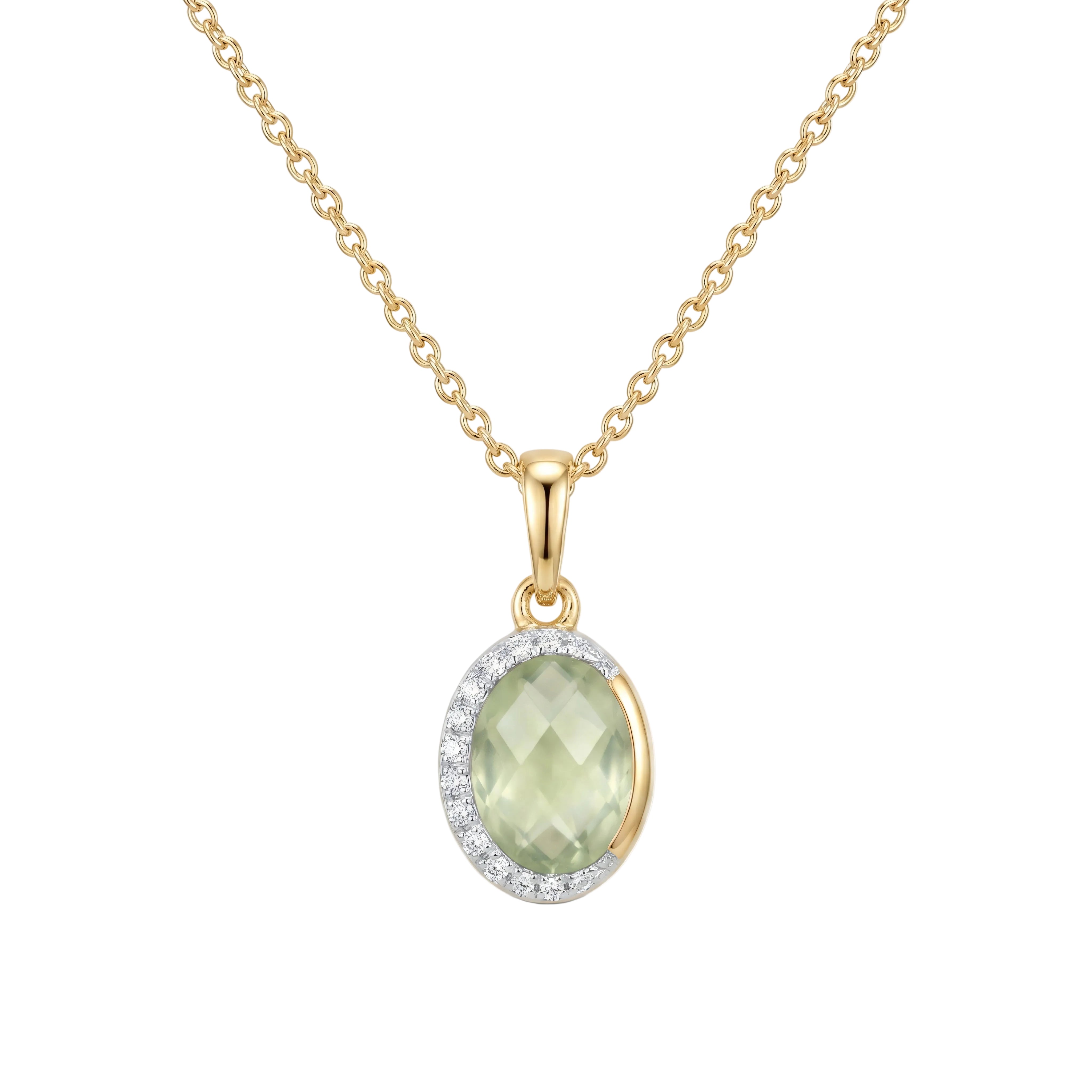
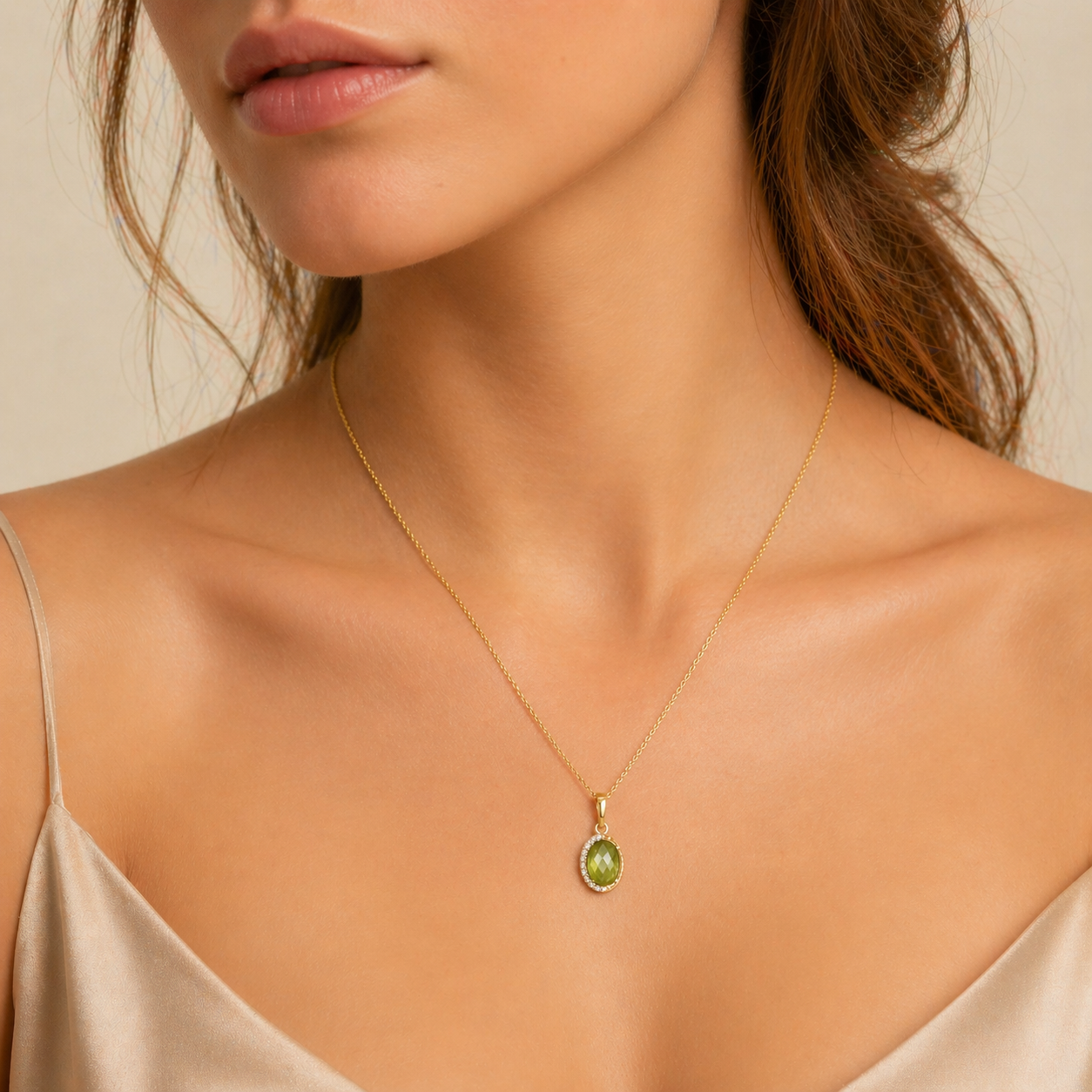
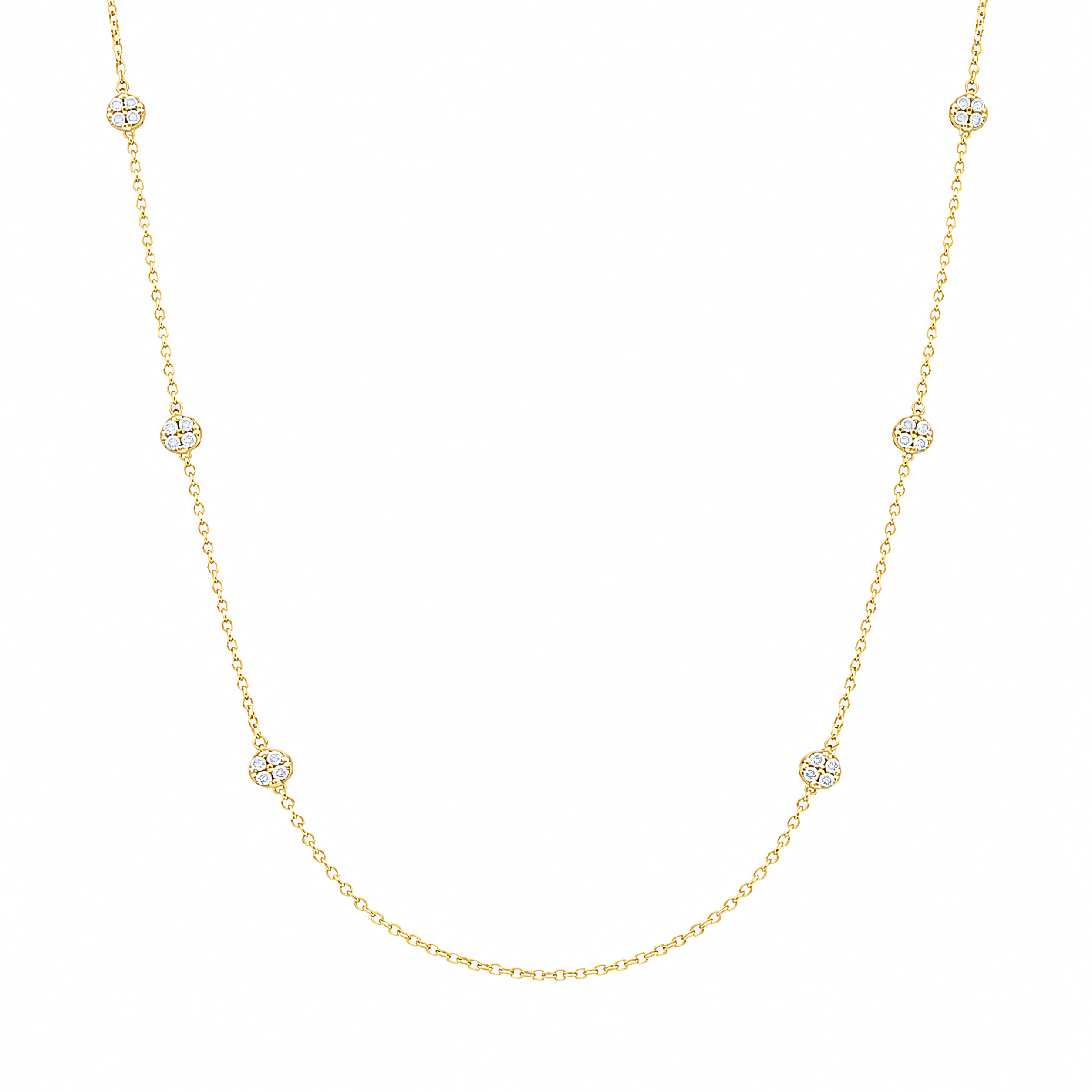
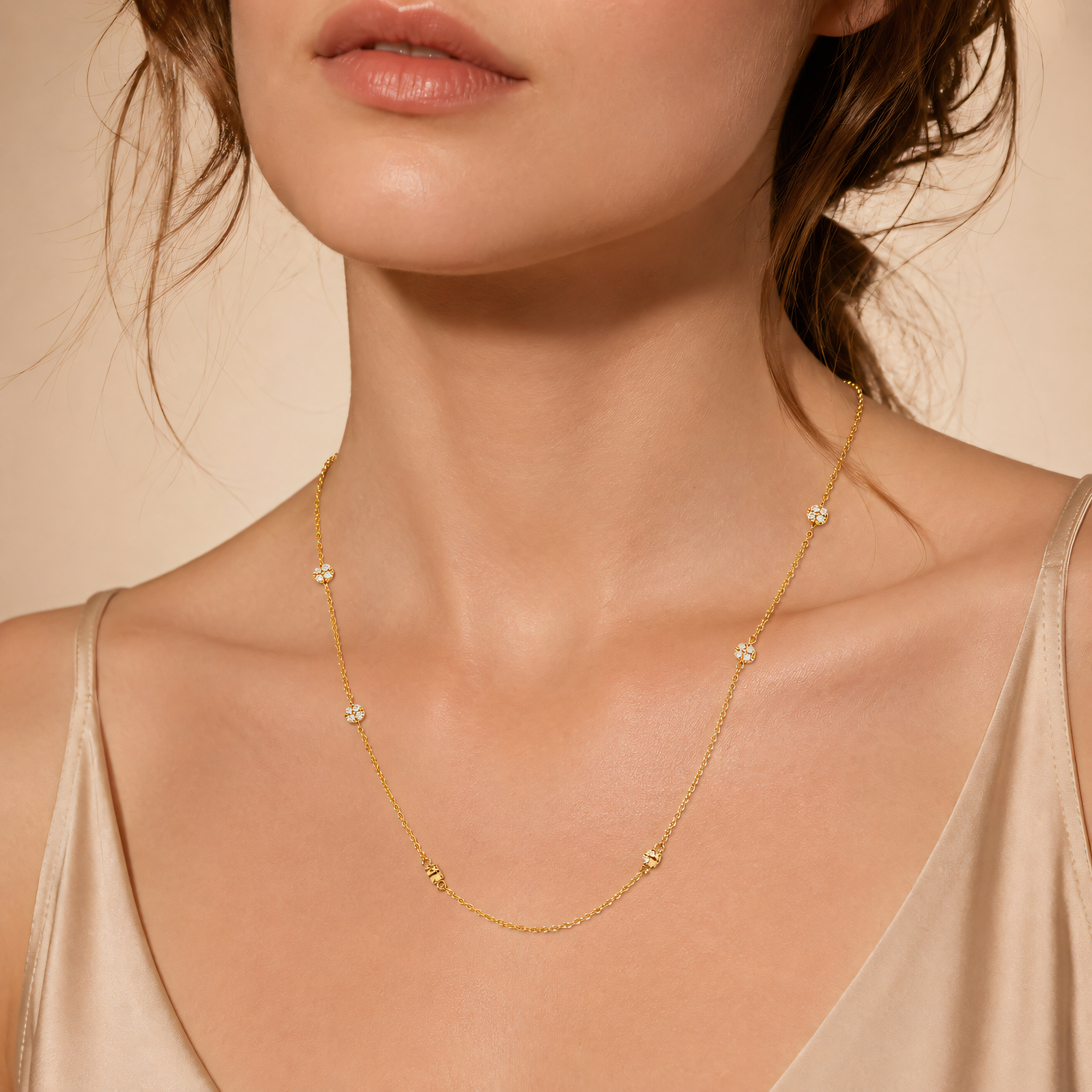
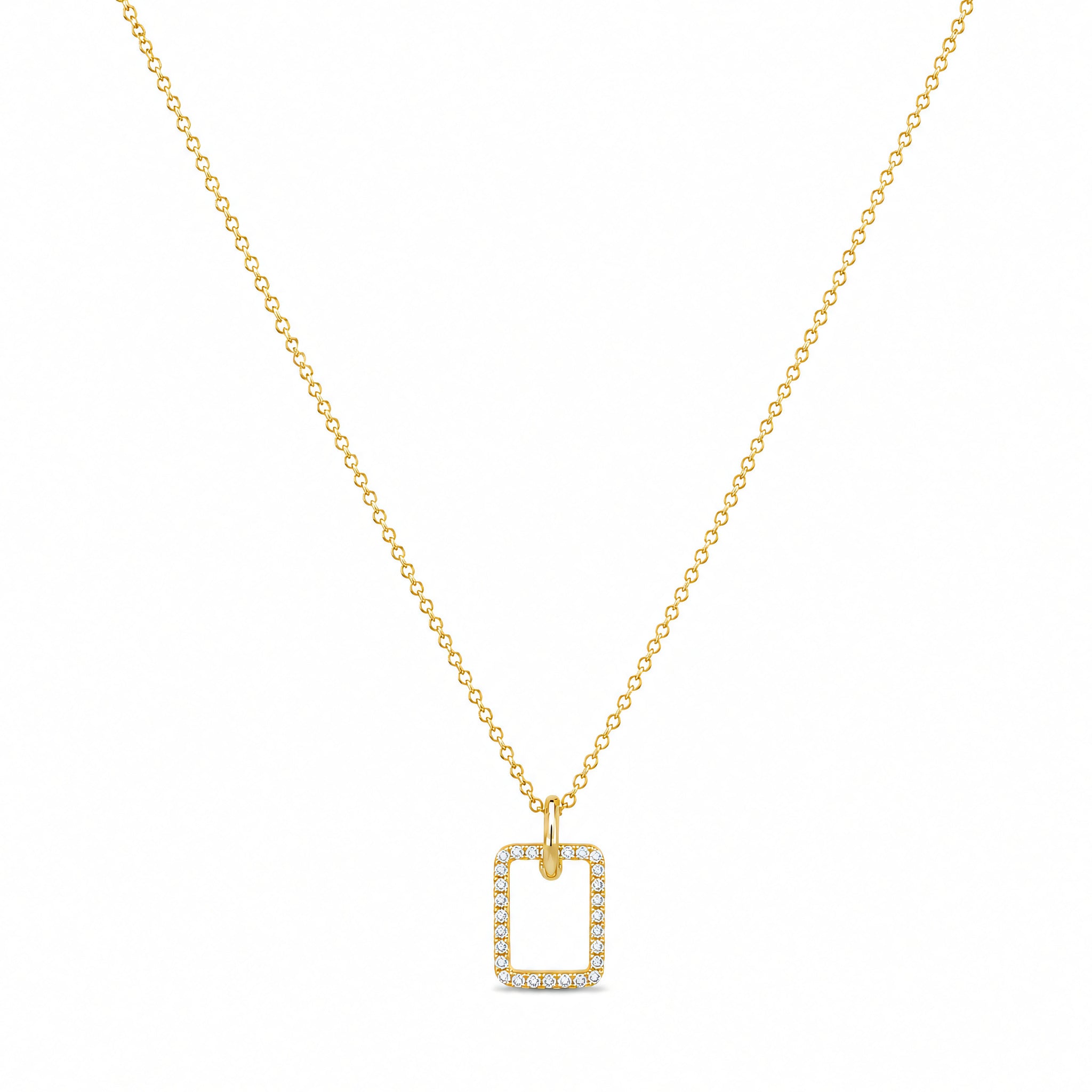
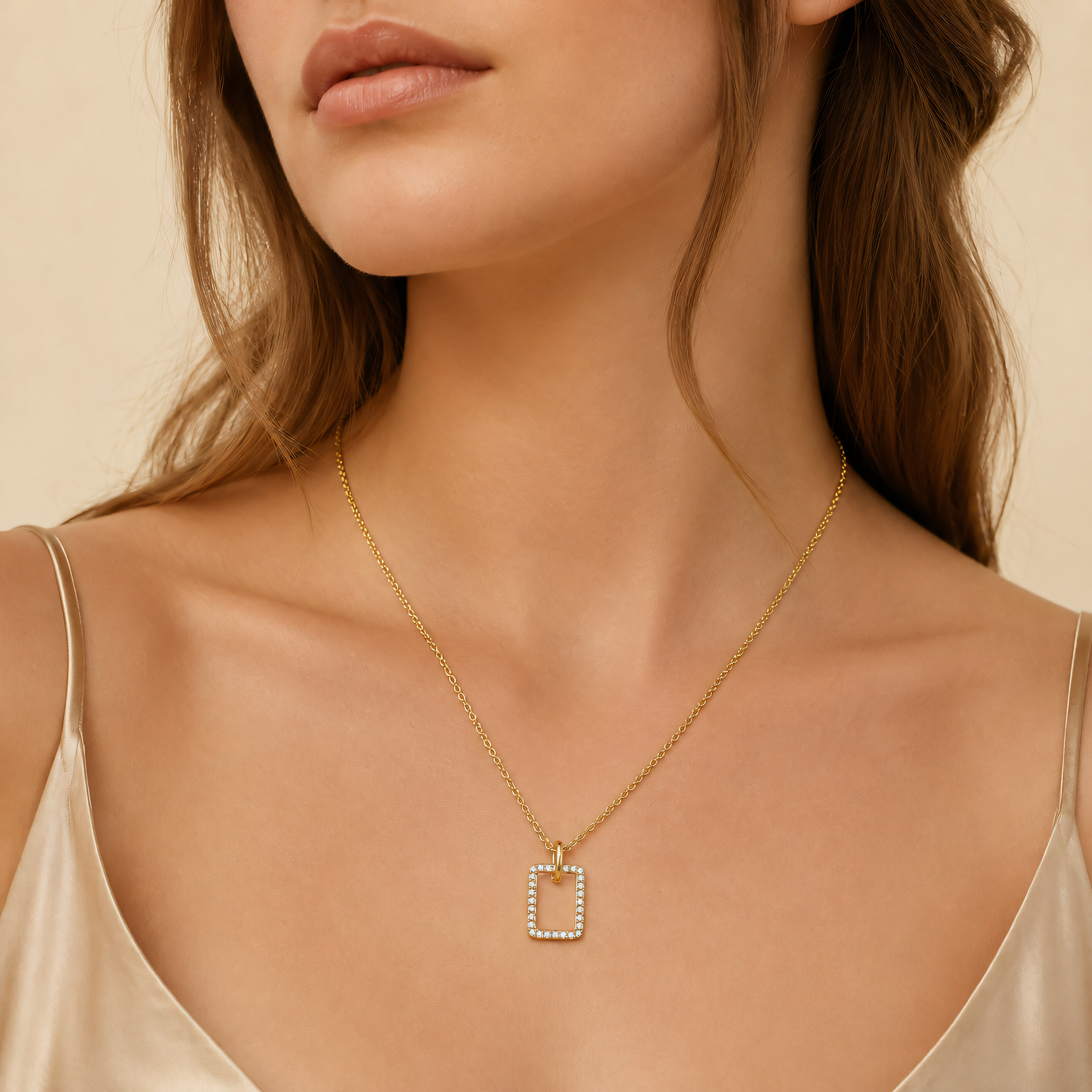
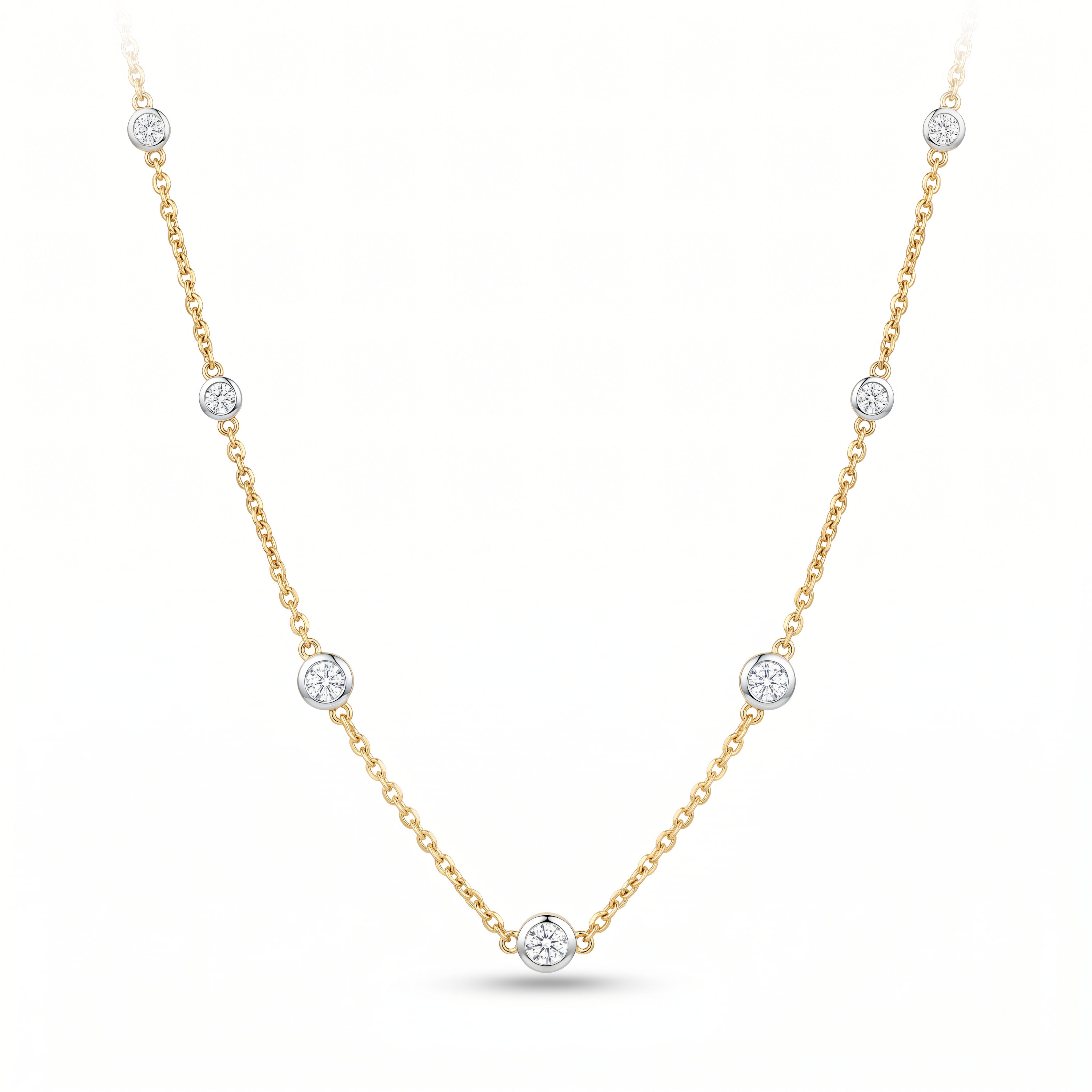
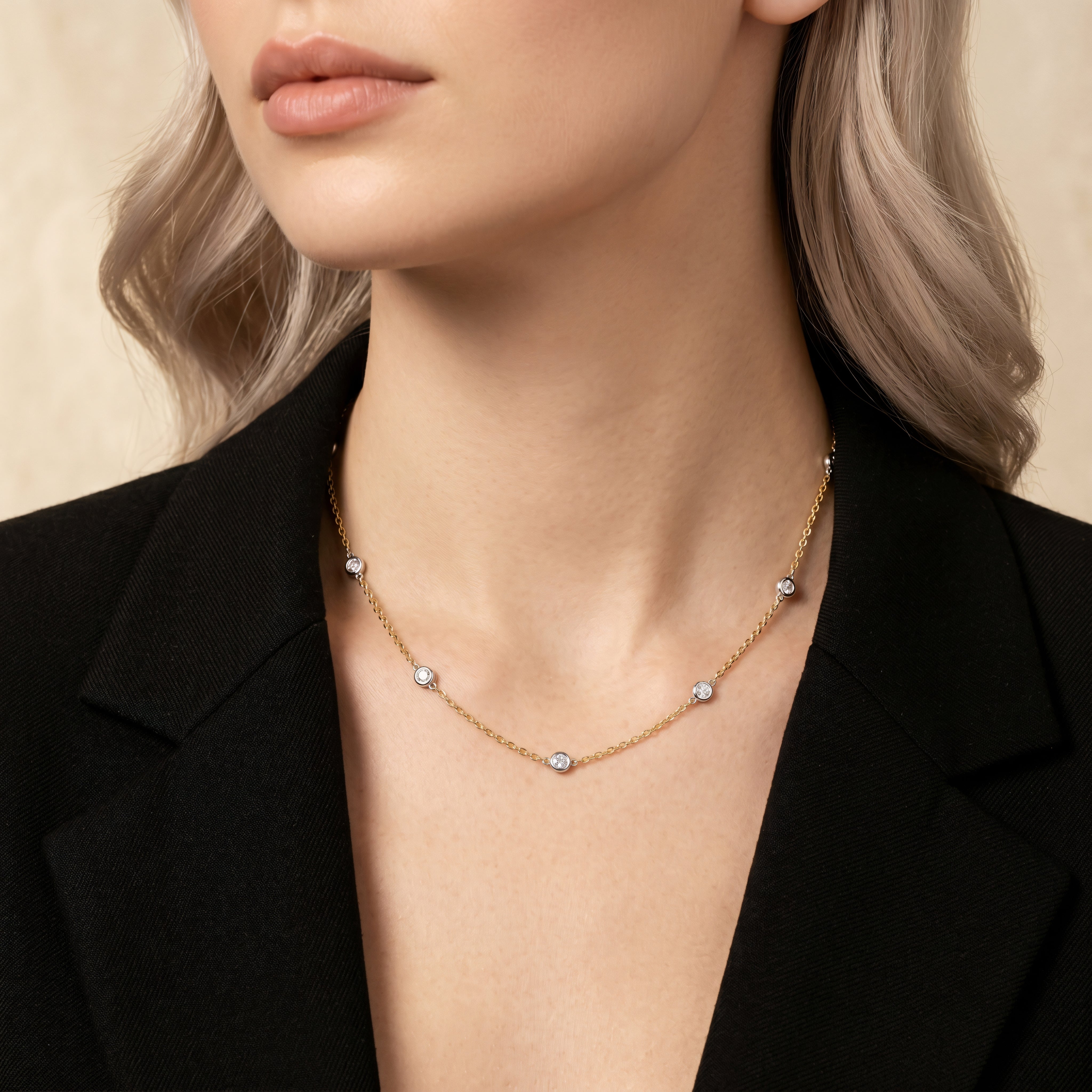
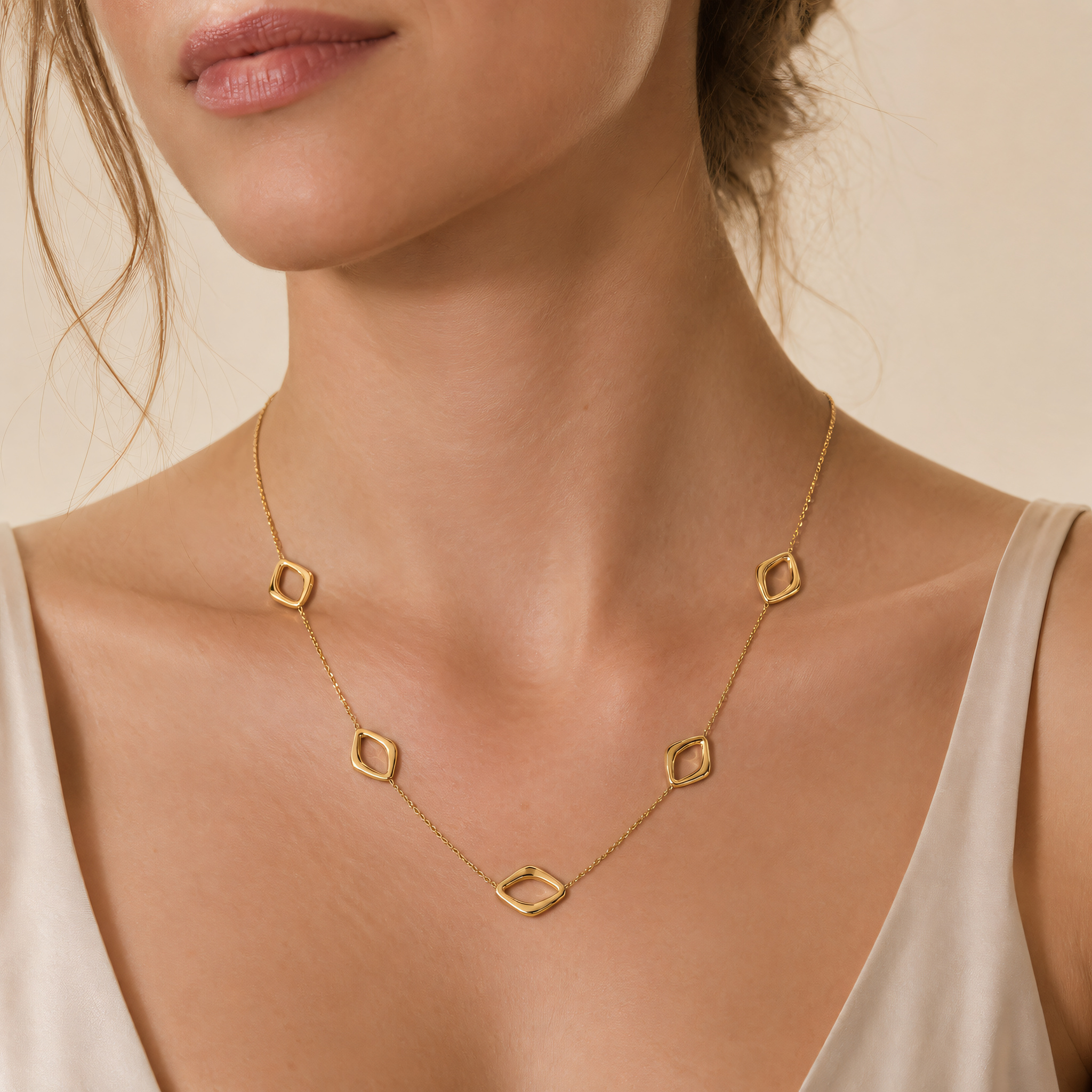
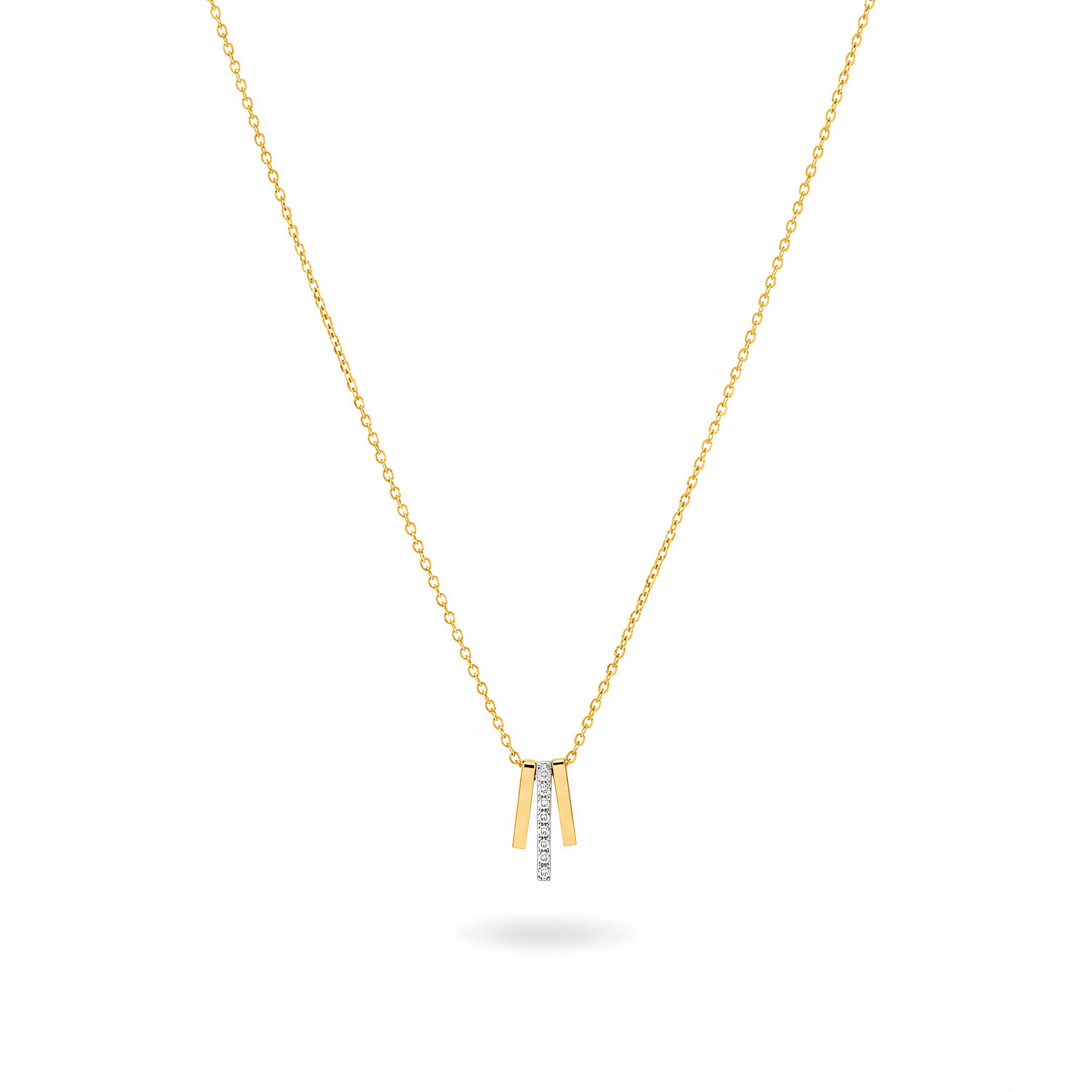
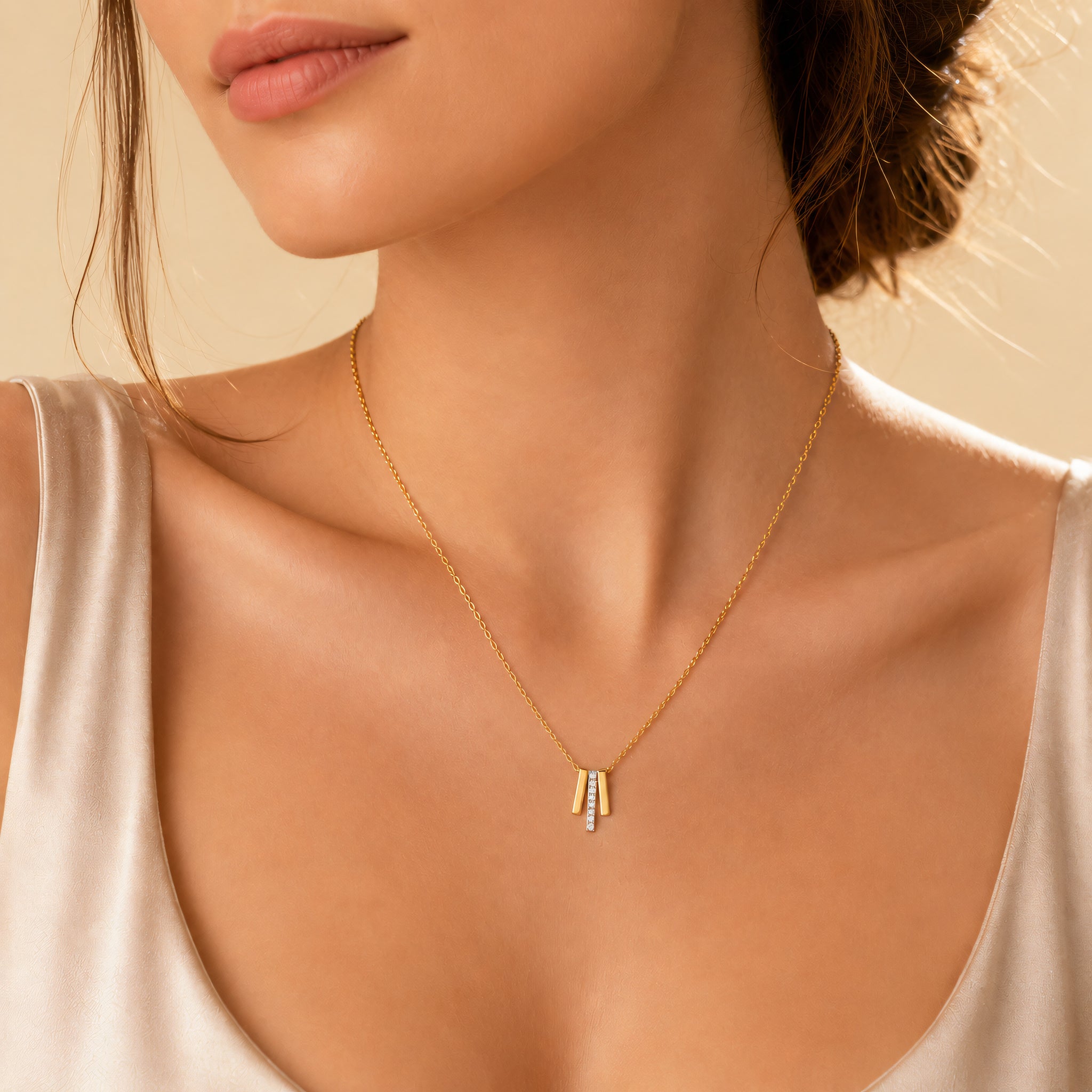
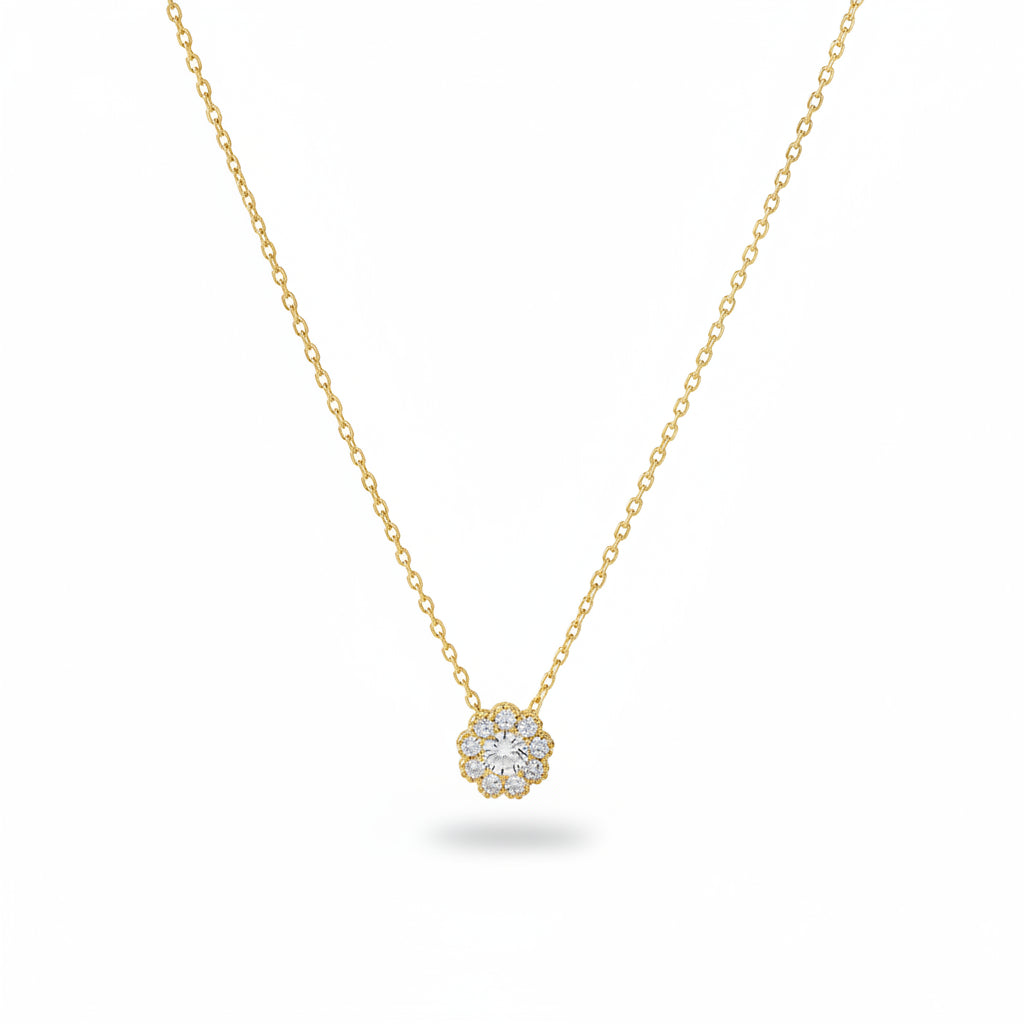
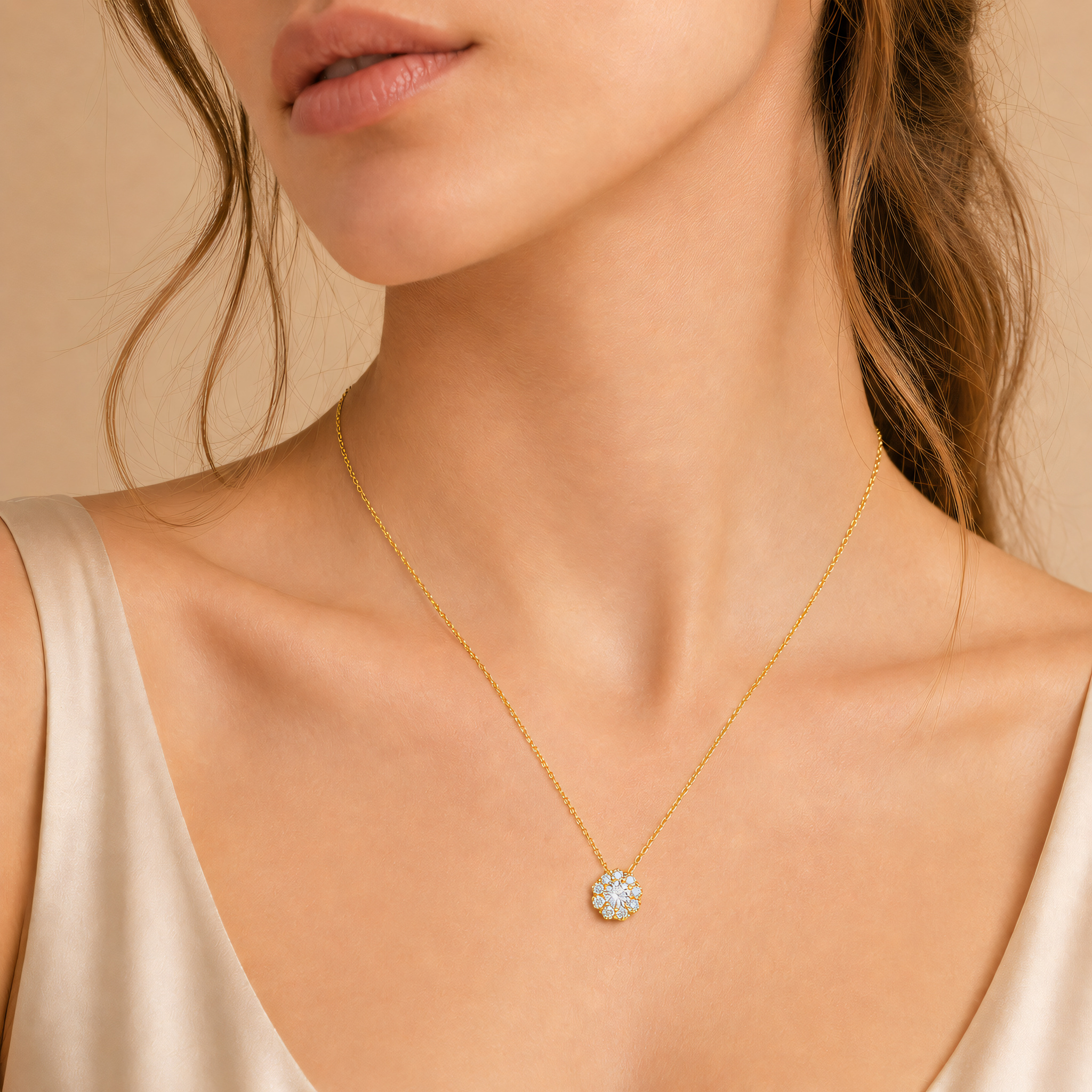
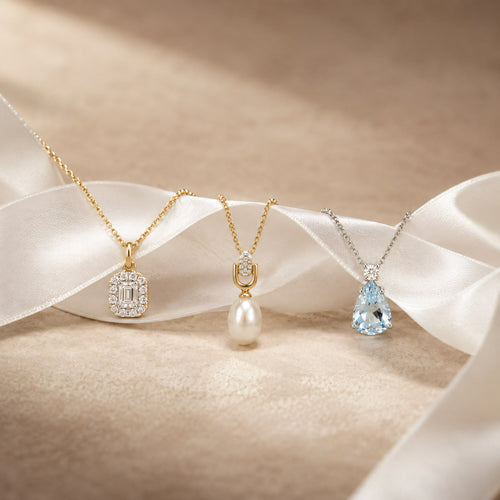
Smaller carat weights are very popular in everyday jewelry because they sparkle elegantly without appearing too imposing. A pendant with a 0.10 ct. brilliant-cut diamond already adds a beautiful, lively accent. In our gold necklaces with brilliant-cut diamonds, you will find pieces ranging from delicate solitaires to sparkling pavé rows.
Color: The more colorless, the more valuable
A diamond’s color is graded on a scale from D (completely colorless) to Z (distinctly yellowish). The more colorless it is, the rarer and more valuable it is. For jewelry, grades D to H are particularly sought after: They appear clear and white without a slight yellow tint becoming visible.
- D–F: colorless – the highest and rarest category.
- G–H: near-colorless – an excellent balance of beauty and value.
- I–J: nearly colorless, with a minimally warmer tone.
Set in yellow gold, a G- or H-grade brilliant-cut diamond harmonizes beautifully with the warm gold tone. In white gold, a stone that is as colorless as possible is shown to particularly clear advantage.
Clarity: What do SI, VS & Co. mean?
Almost every natural diamond contains tiny inclusions – small features formed over millions of years during its creation. Clarity indicates how visible these are. The commonly used scale ranges from internally flawless to visibly included:
- IF: internally flawless, with no inclusions visible under 10× magnification.
- VVS1–VVS2: very, very small inclusions.
- VS1–VS2: very small inclusions, not visible to the naked eye.
- SI1–SI2: small inclusions, usually invisible to the naked eye – a popular level for value for money.
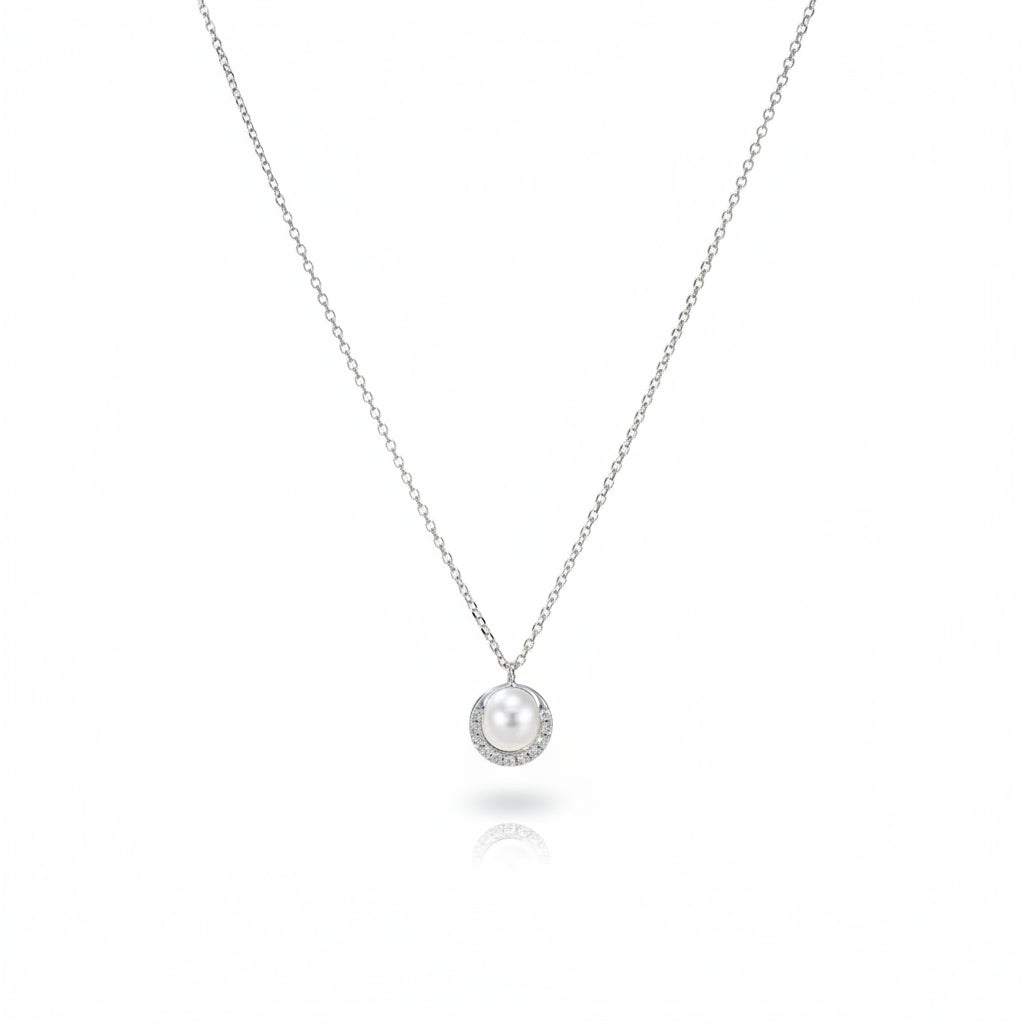
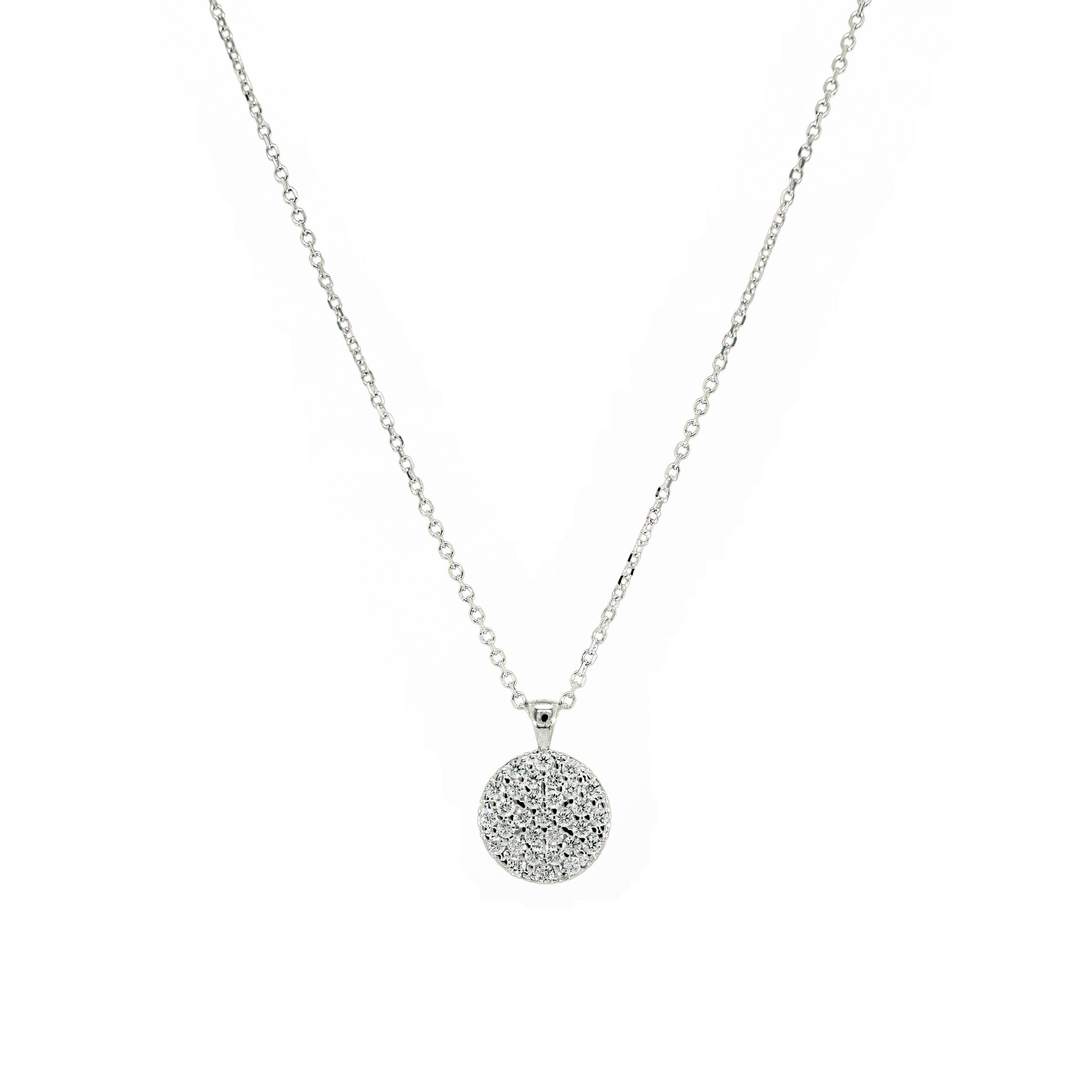
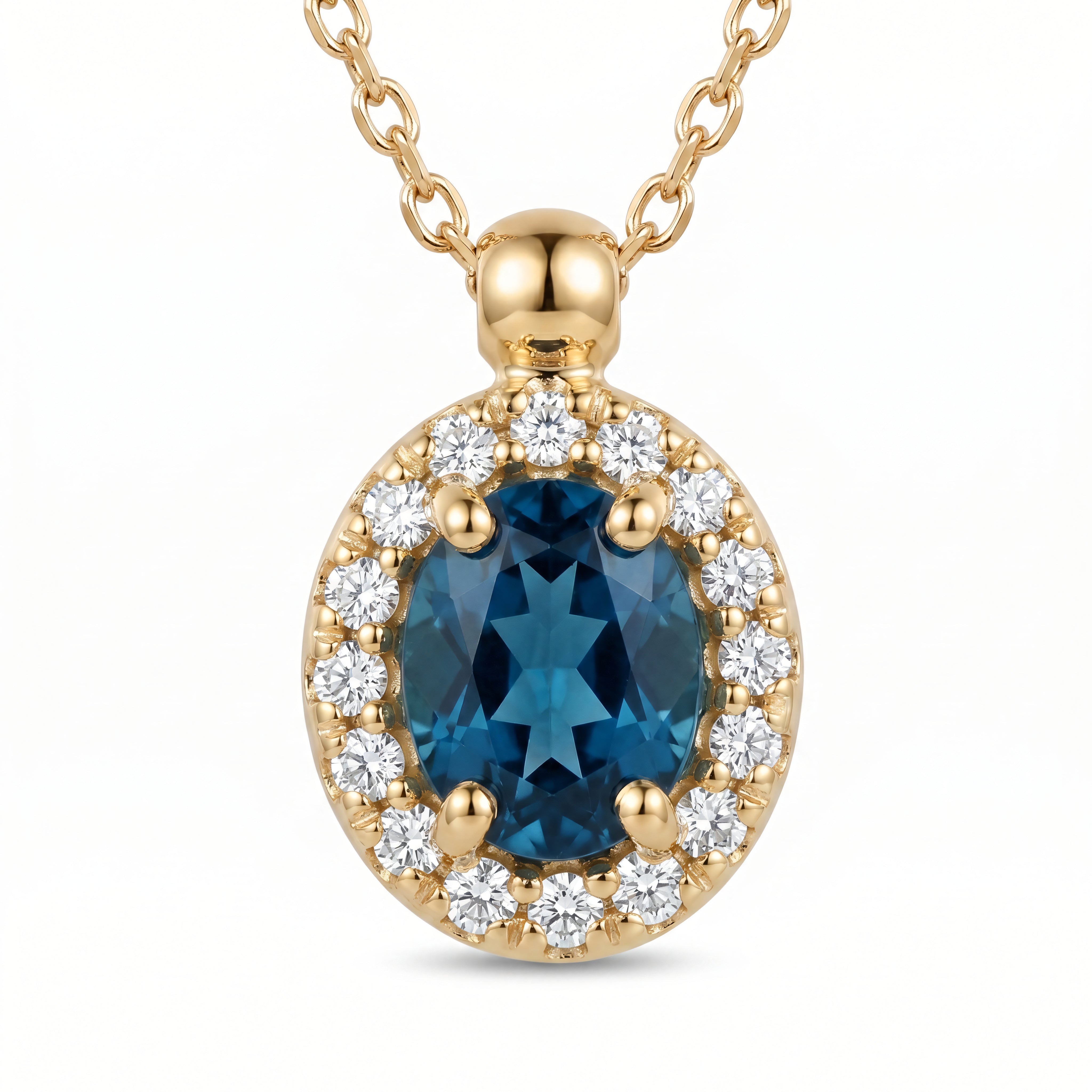
For a beautiful appearance in jewelry, the SI clarity grade is a smart compromise: The inclusions are generally not visible to the naked eye, the diamond sparkles brilliantly – and the price remains appealing. That is why you will find pieces such as this necklace with 0.10 ct. H/SI brilliant-cut diamond in our collection.
It is not the largest stone that sparkles most beautifully, but the one with the best cut.
Splendido JewelryCut: The C that determines the sparkle
The cut is the most important of the four Cs – because it determines how much light the diamond captures and reflects. Even a colourless, flawless diamond appears dull if it is poorly cut. A precise brilliant cut, on the other hand, makes the stone sparkle vividly. The cut is usually graded from Excellent through Very Good to Poor.
The round brilliant cut with its 57 facets is considered the most light-reflective – which is why diamonds are so sought after. When buying, it is therefore worth not compromising on cut: it has the greatest influence on the impression a piece of diamond jewellery makes.
What should you look for when buying? Weigh the 4 Cs wisely
There is no perfect combination – but there is the right balance for your budget. A tried-and-tested rule of thumb for everyday jewellery:
- Do not compromise on cut – it creates the sparkle.
- G–H colour appears clear and white, often without any visible difference from more expensive grades.
- SI clarity is usually “eye-clean” and easier on the budget.
- Carat to suit your preference – slightly smaller, but better cut.
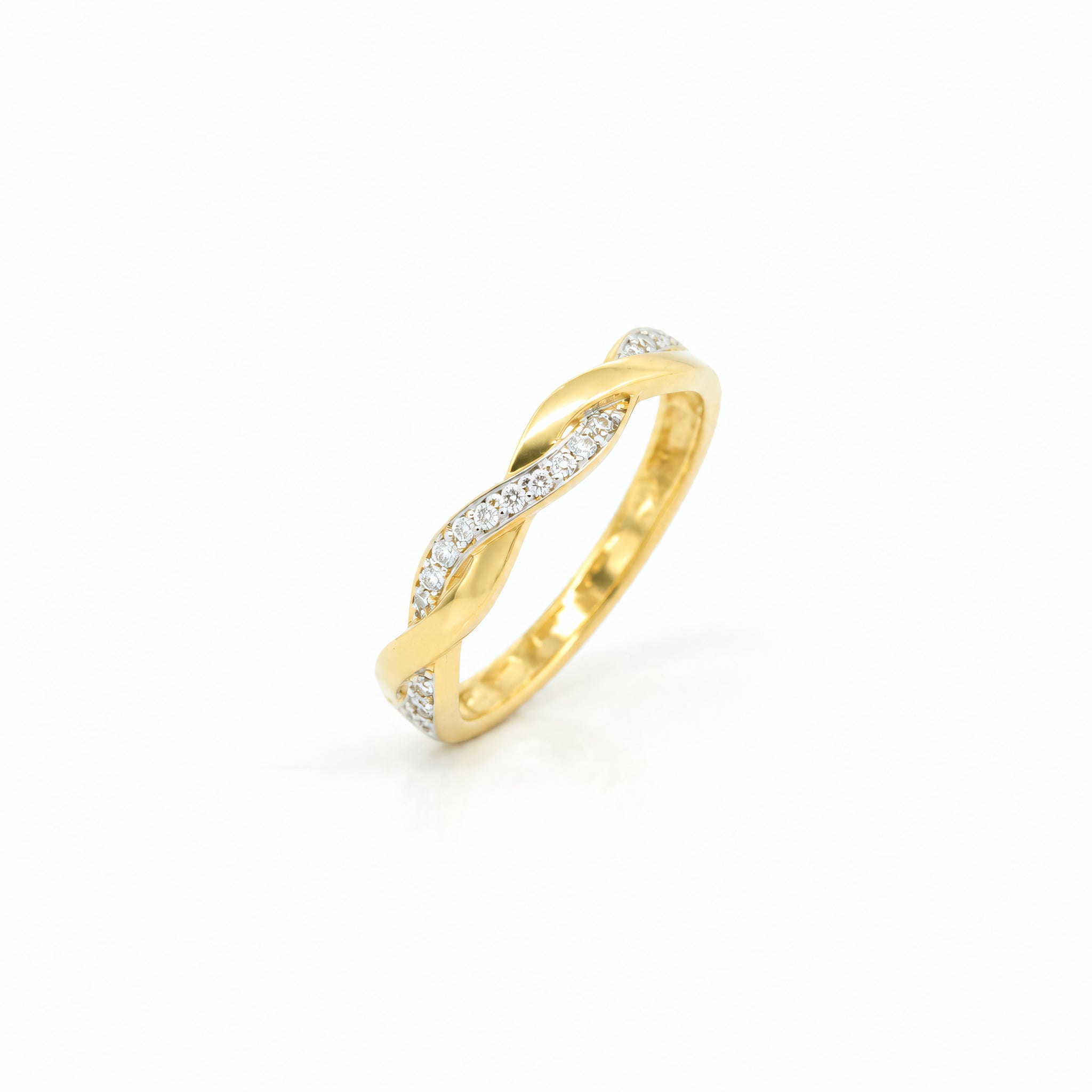
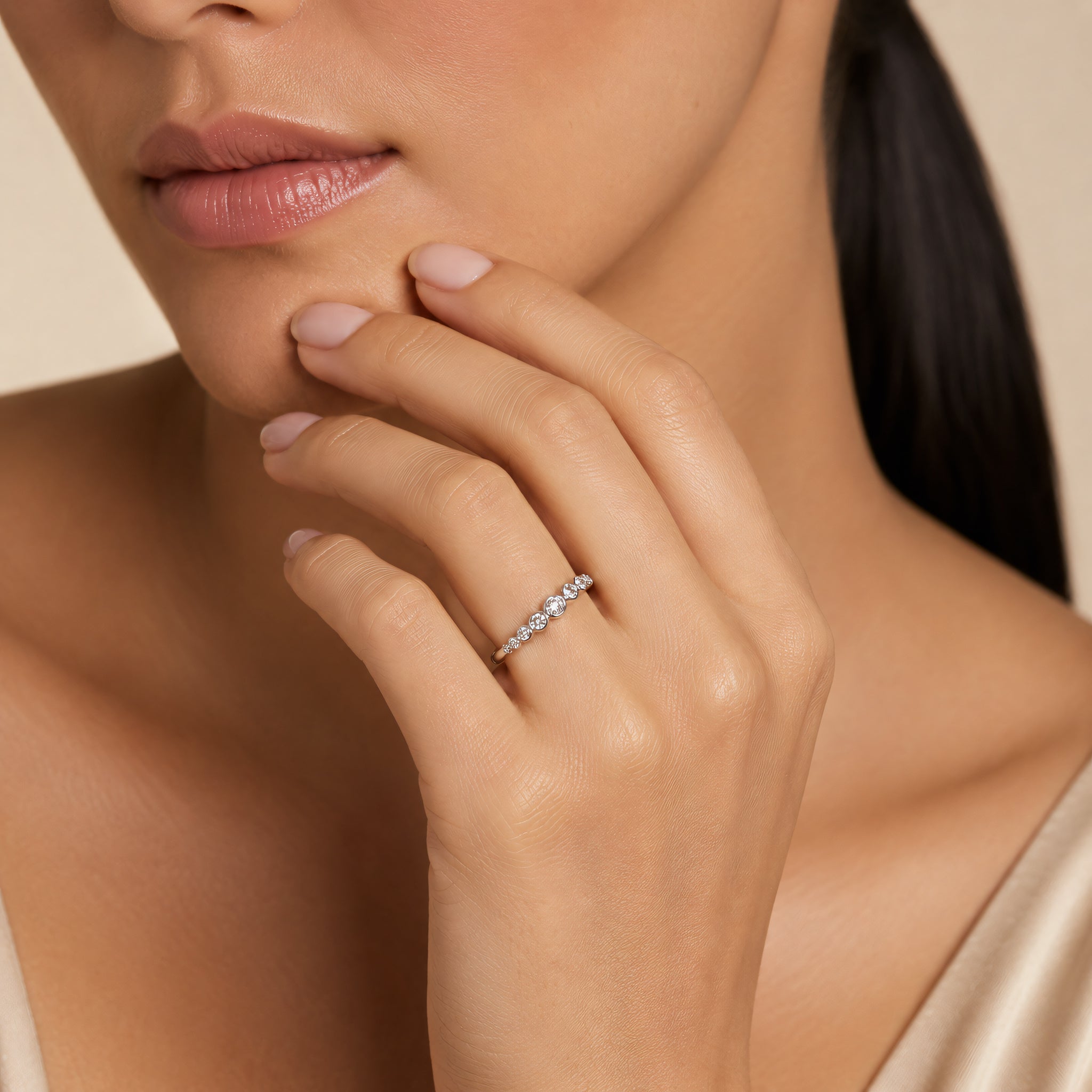
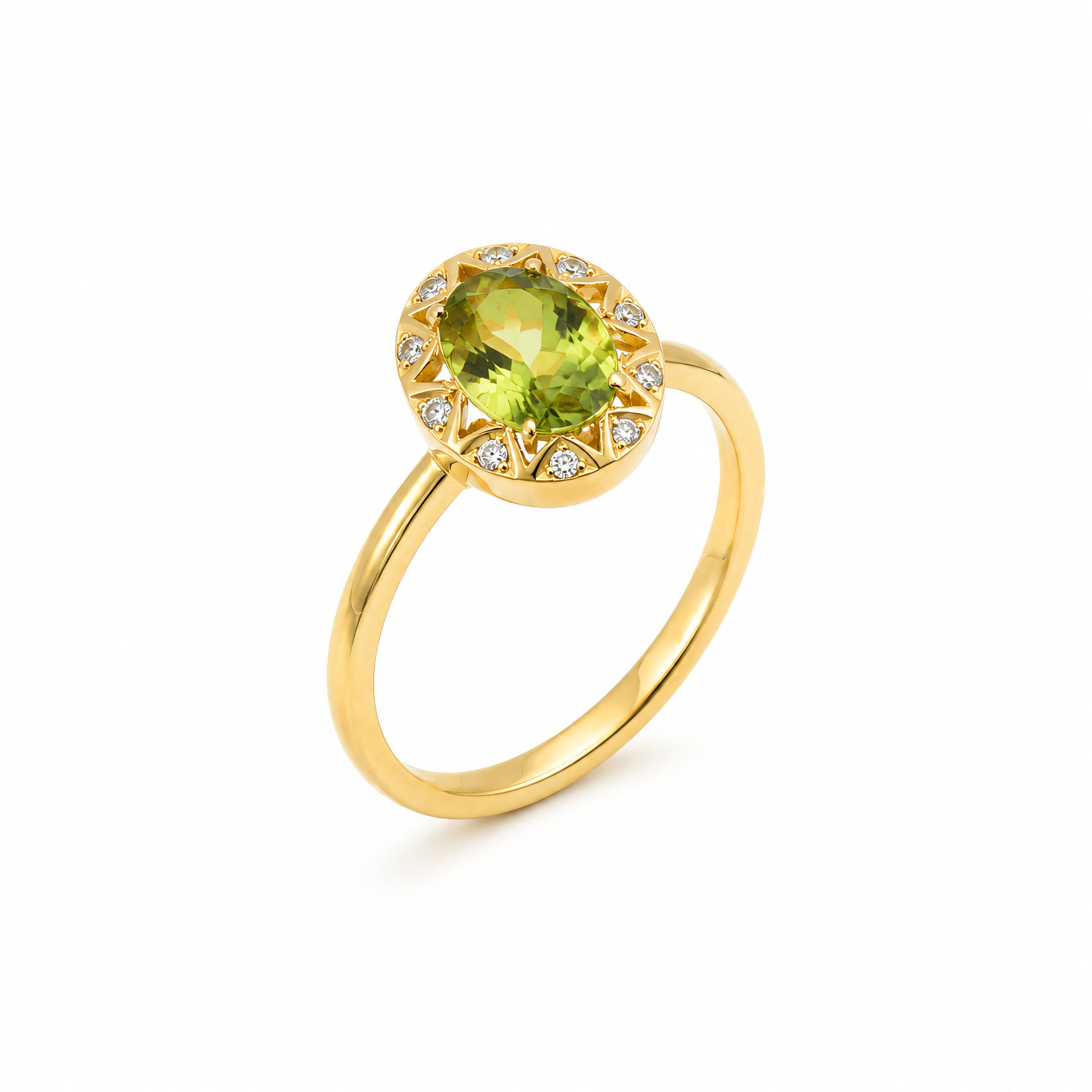
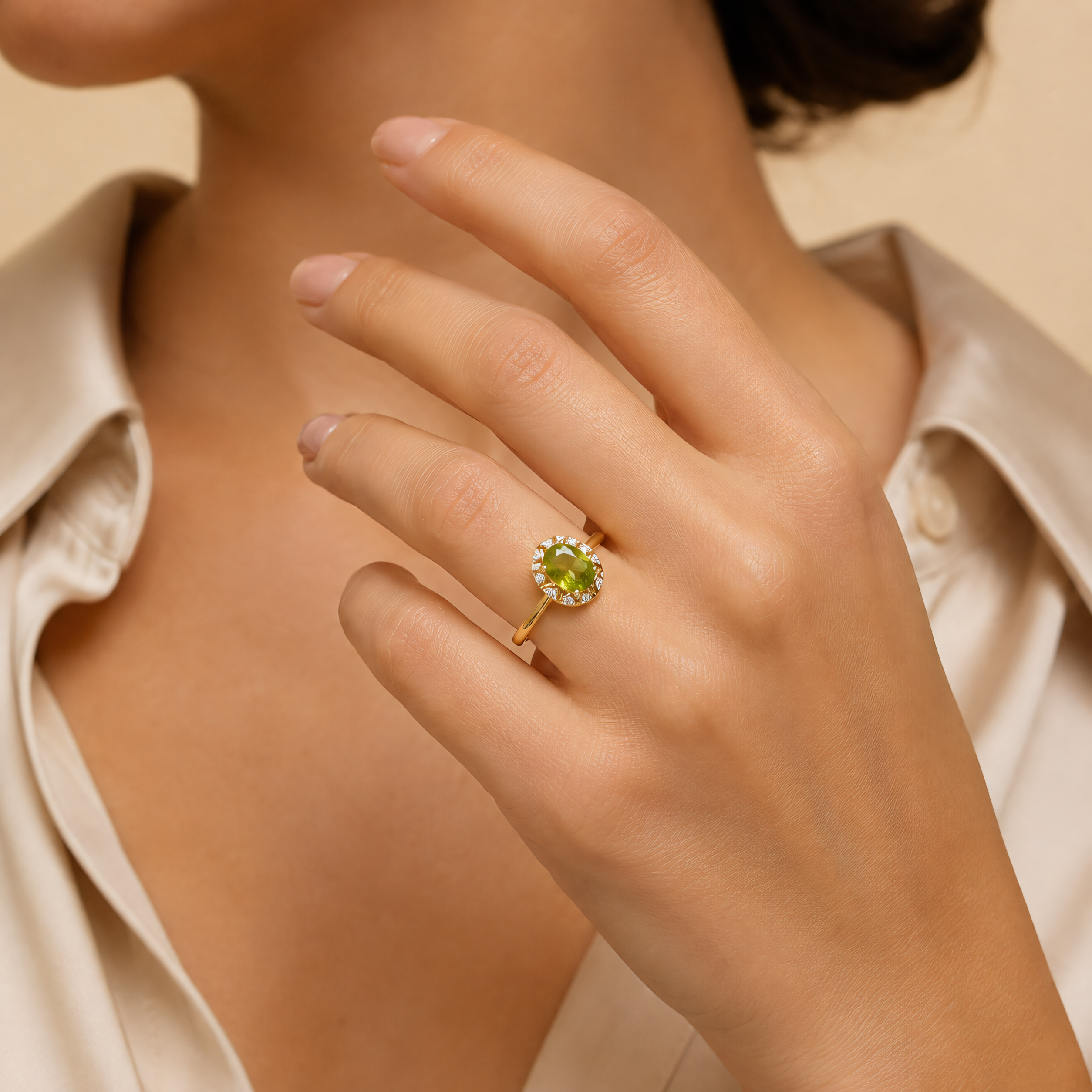
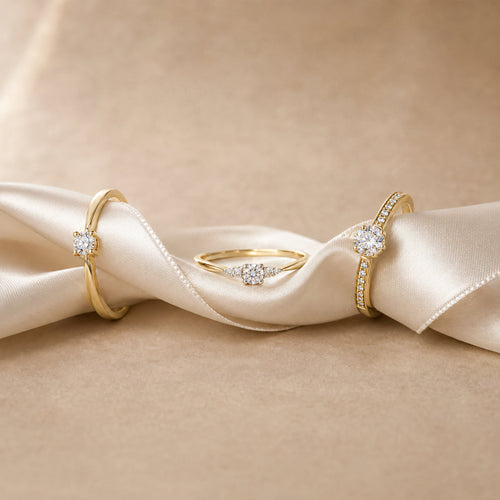
This creates a piece that sparkles vividly in the light, without every euro going towards sheer size. If you are looking for a ring, Splendido Jewelry offers its own selection of gold rings with diamonds – such as a 585 gold ring with a diamond in an open setting.
Diamond in 585 gold – the right setting
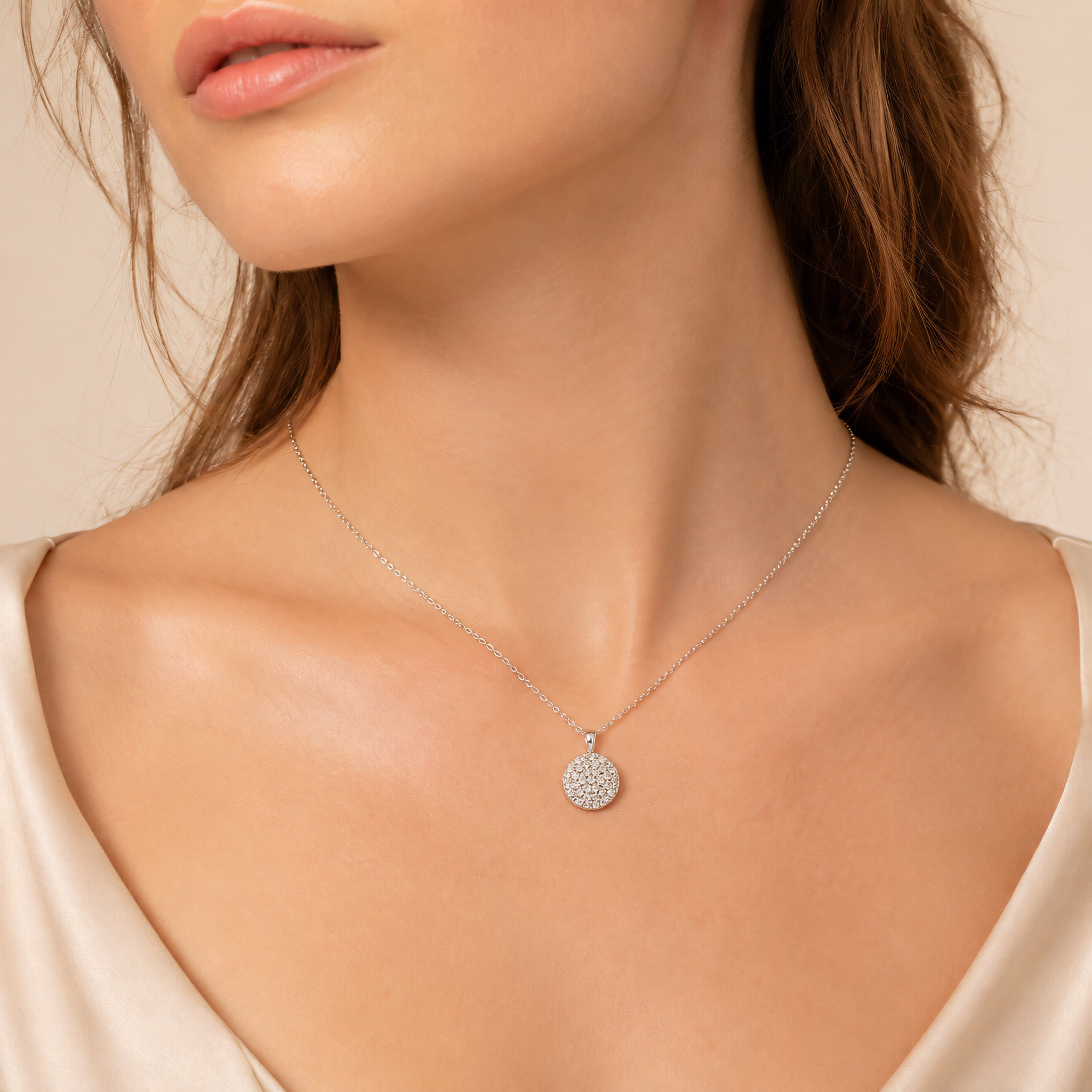
A diamond only reveals its full effect through the precious metal that holds it. At Splendido Jewelry, diamonds are set in genuine 585 gold – nickel-free, skin-friendly and resistant to tarnishing, so the jewellery remains beautiful for a long time. Yellow gold emphasises warmth, while white gold makes a colourless stone appear especially clear, as with this white gold necklace with 0.10 ct diamond.
Splendido Jewelry does not manufacture diamond jewellery itself, but carefully selects each piece from Italian goldsmiths. If you are generally deciding between precious metals, our guide to 585 or 925 and the detailed article on 585 gold will help you.
At Splendido Jewelry, you enjoy free shipping and free returns, as well as a 30-day right of return. This allows you to examine your diamond jewellery at home at your leisure.