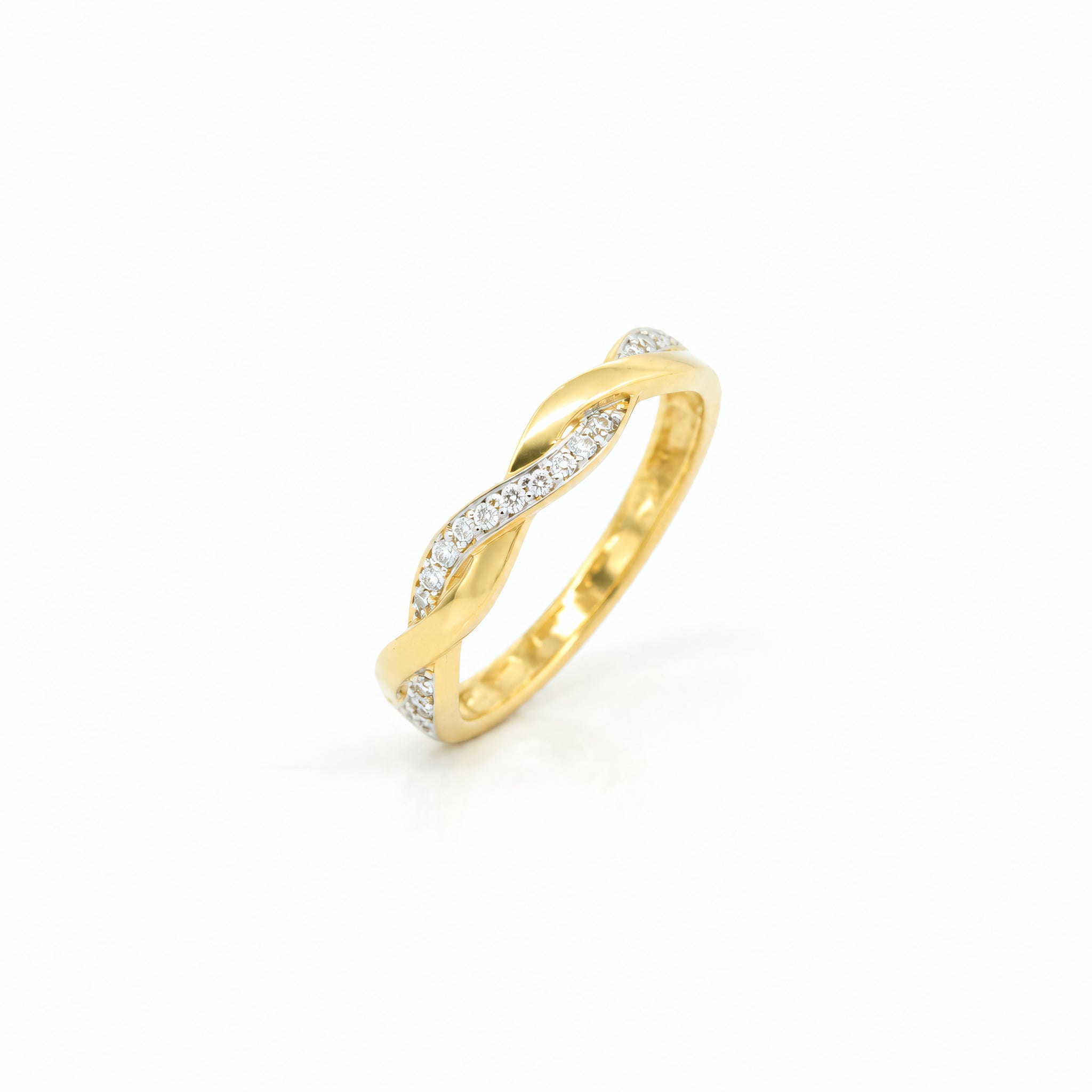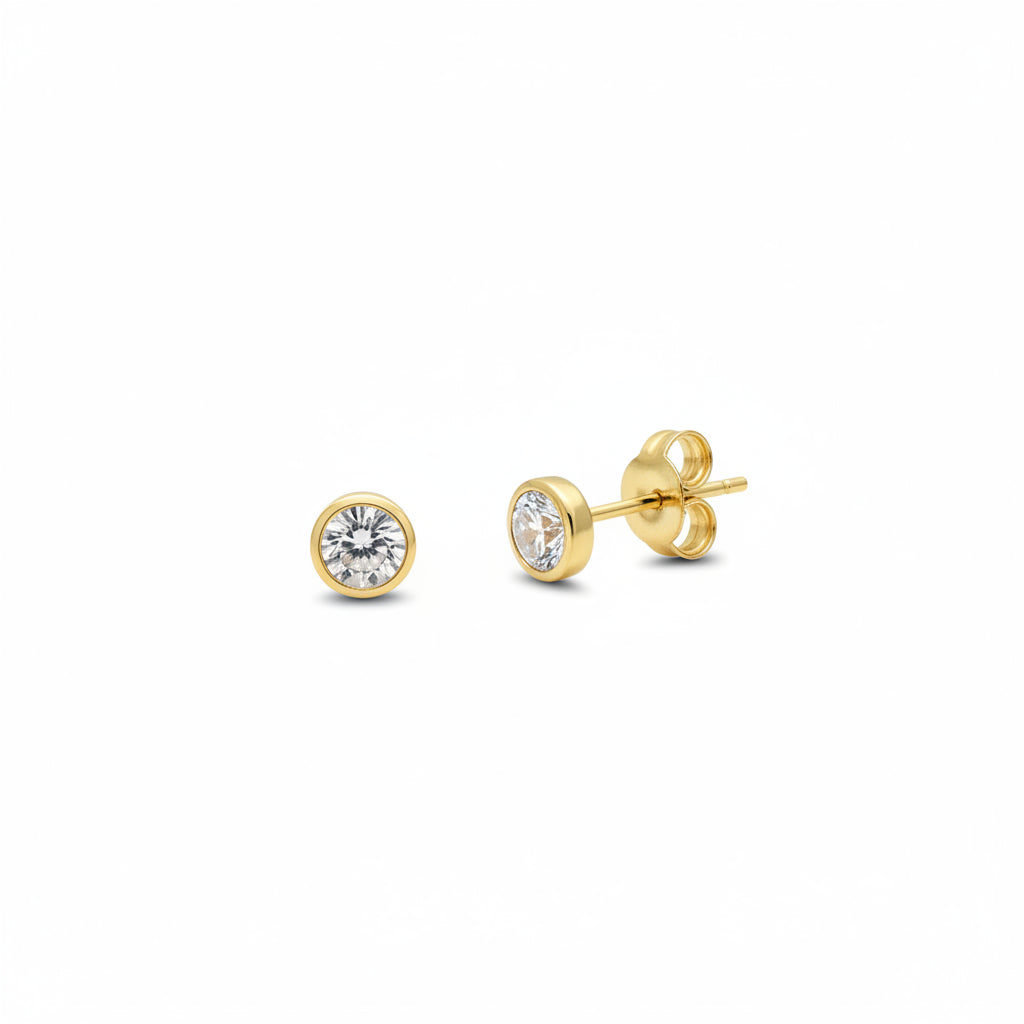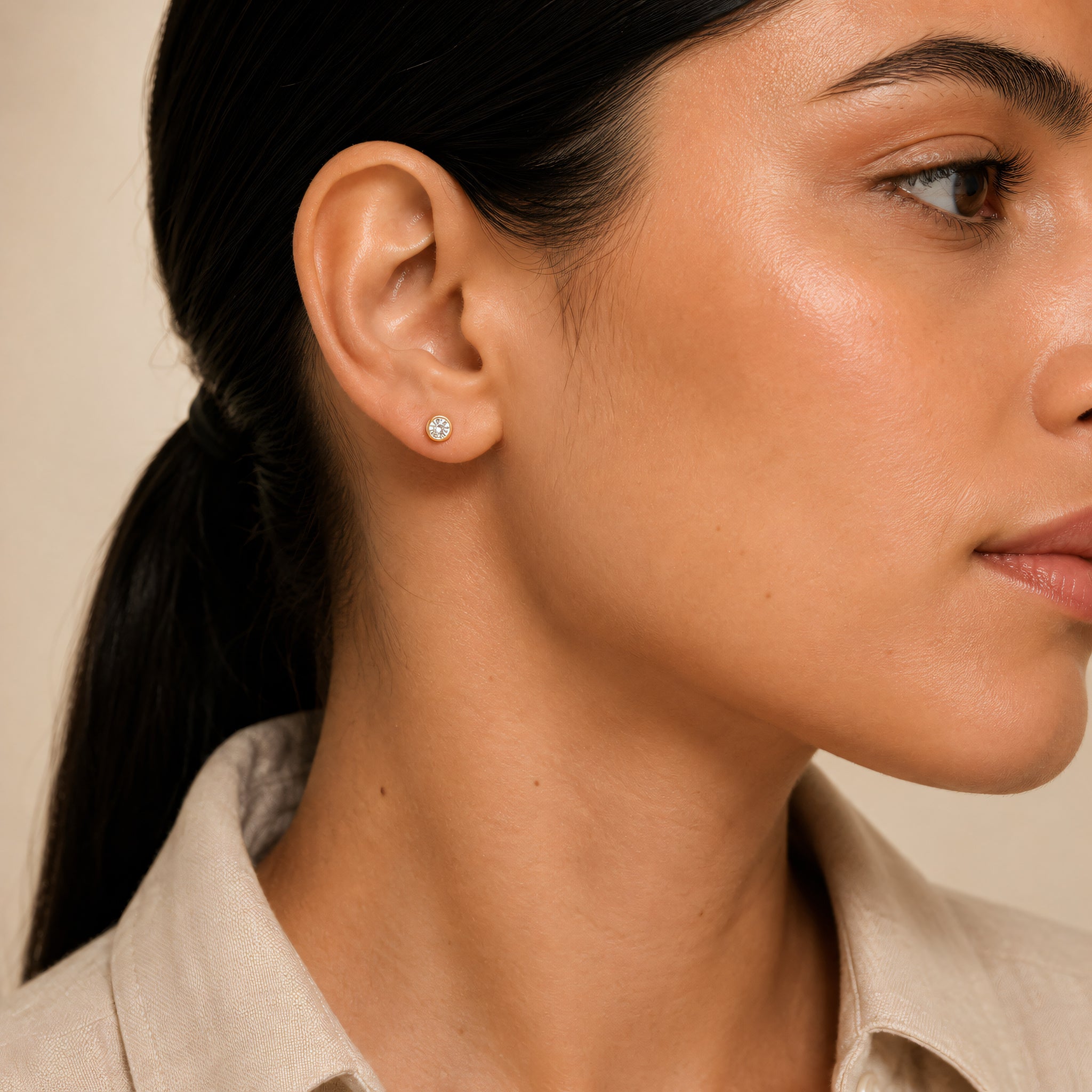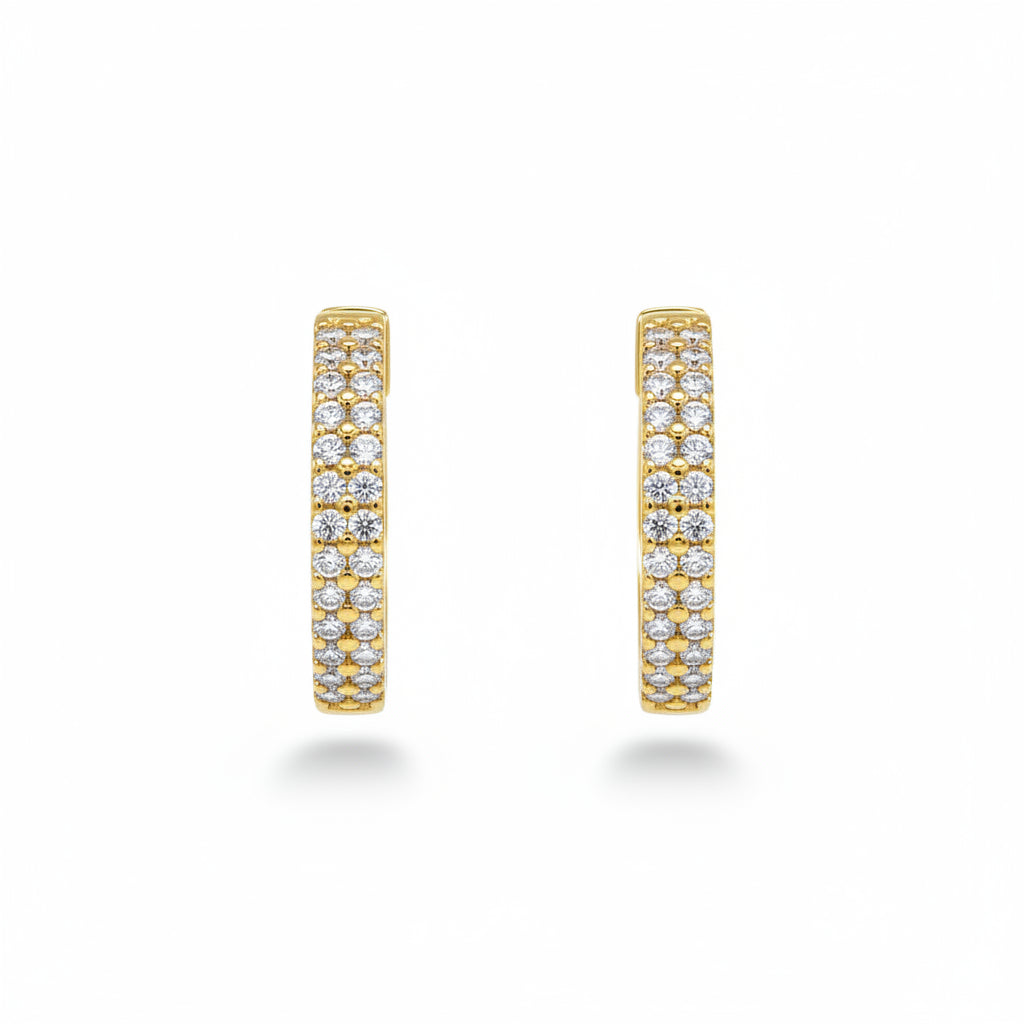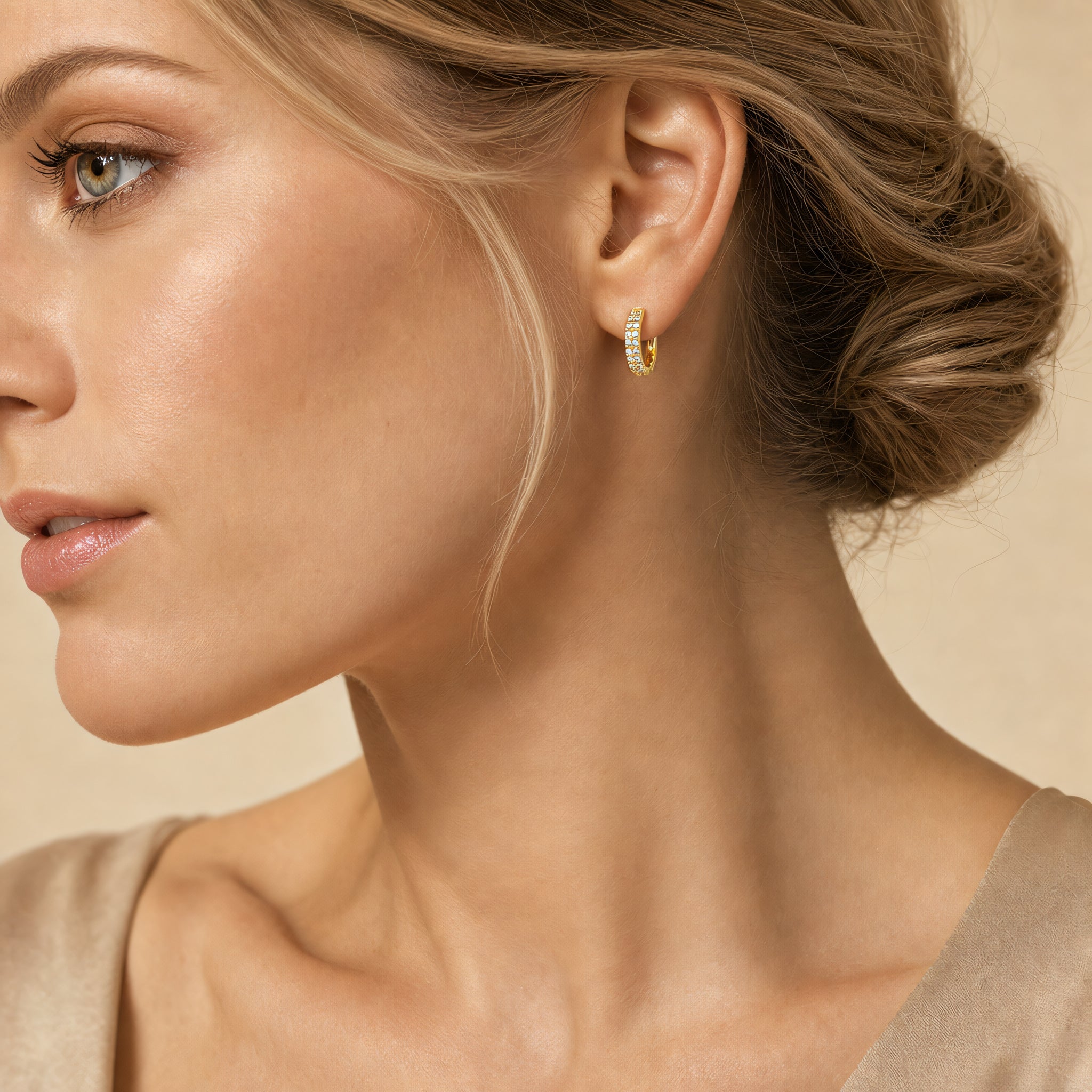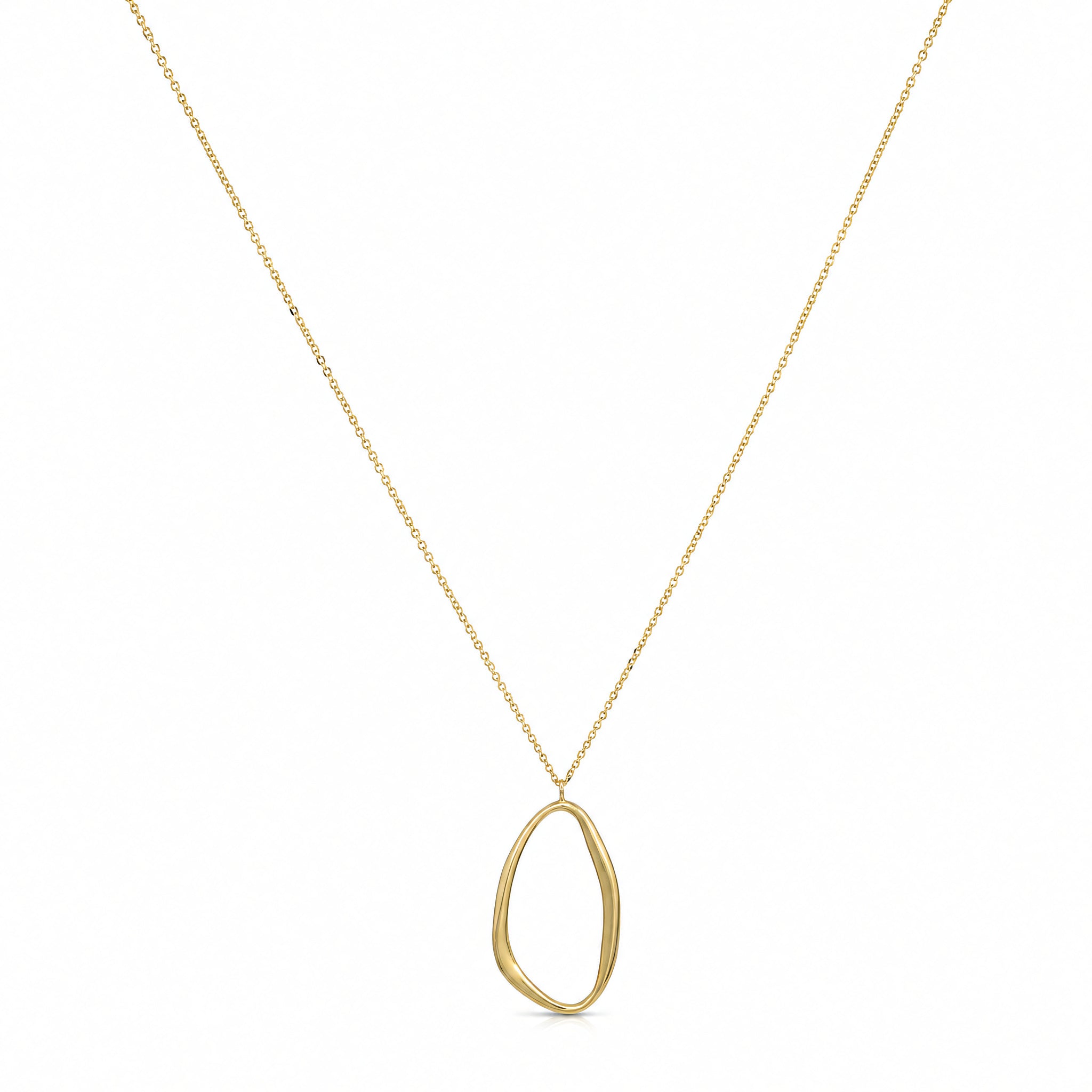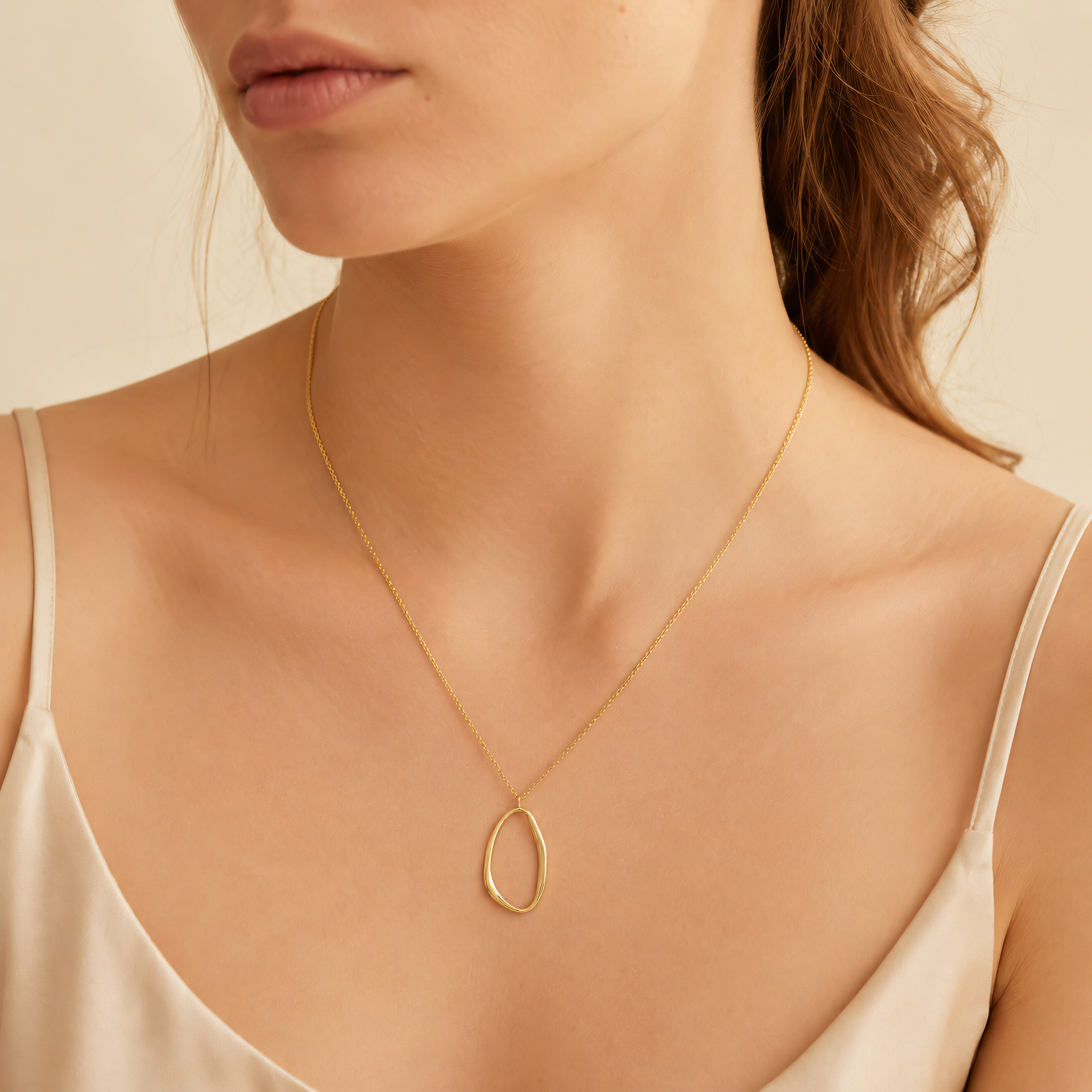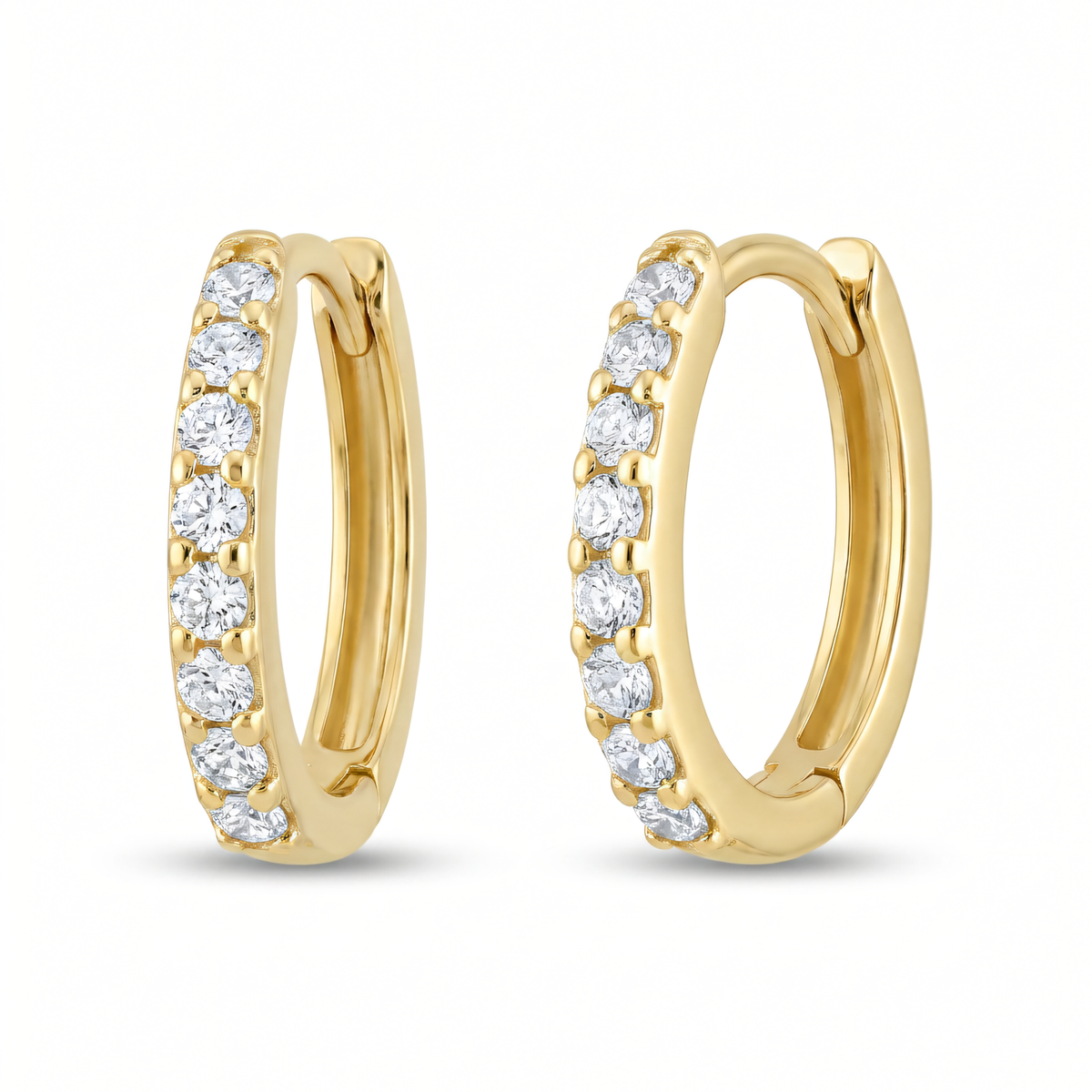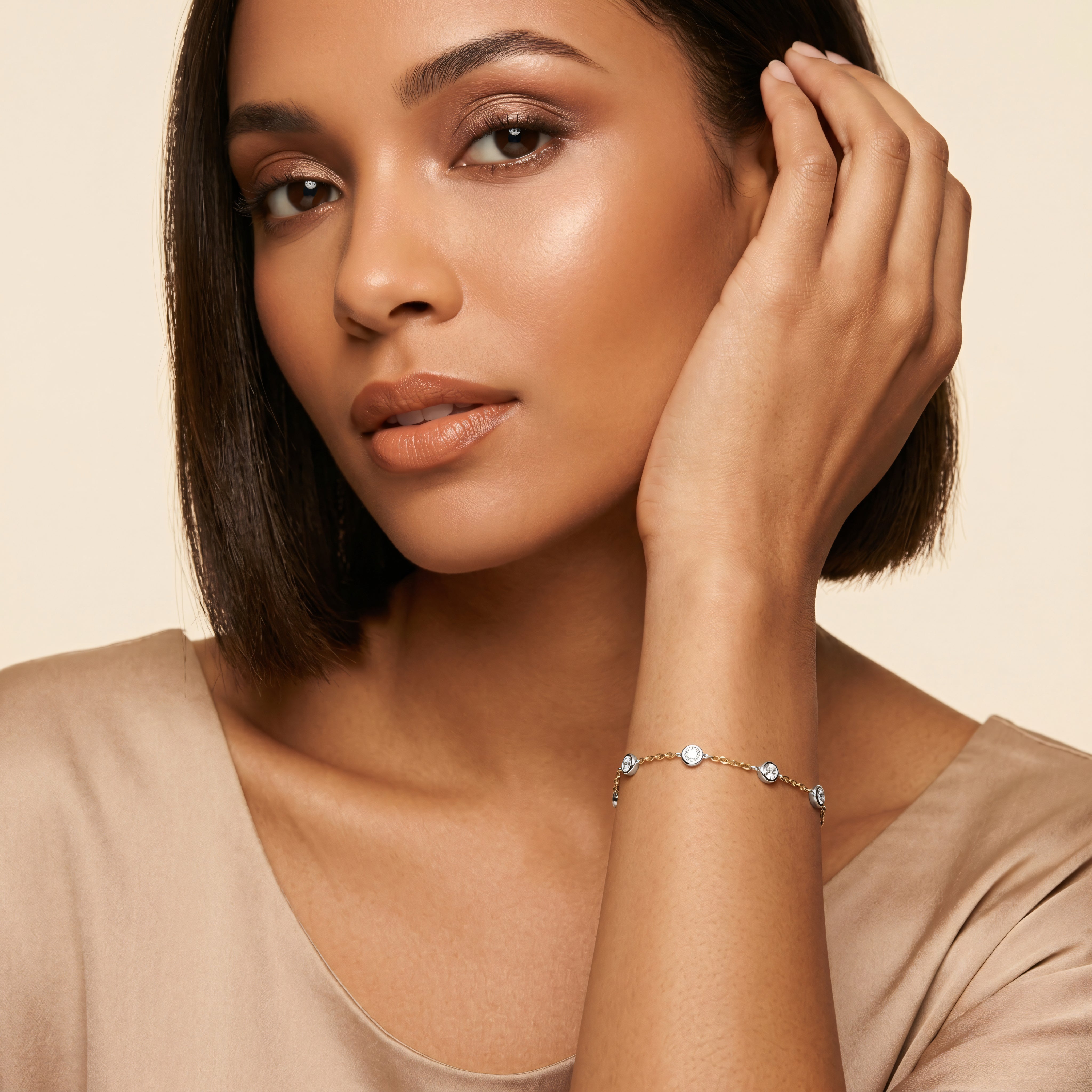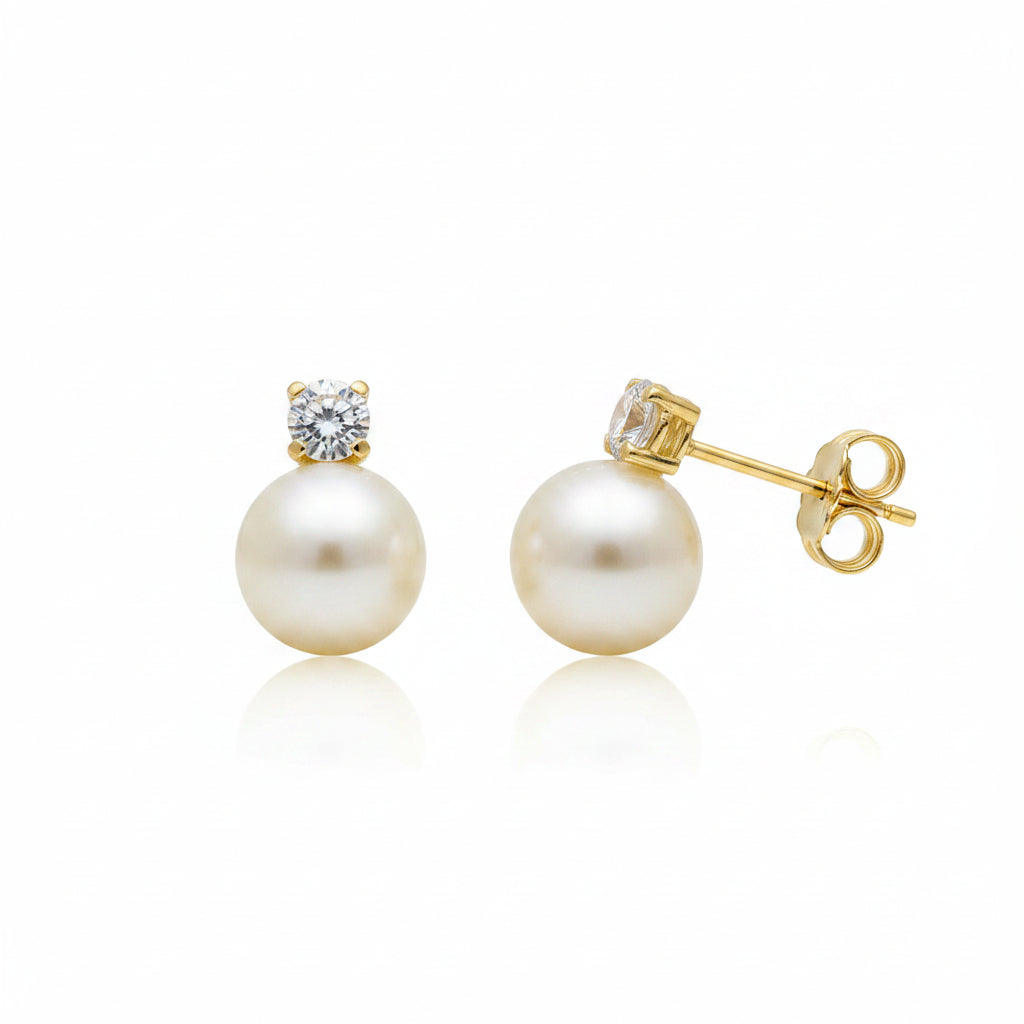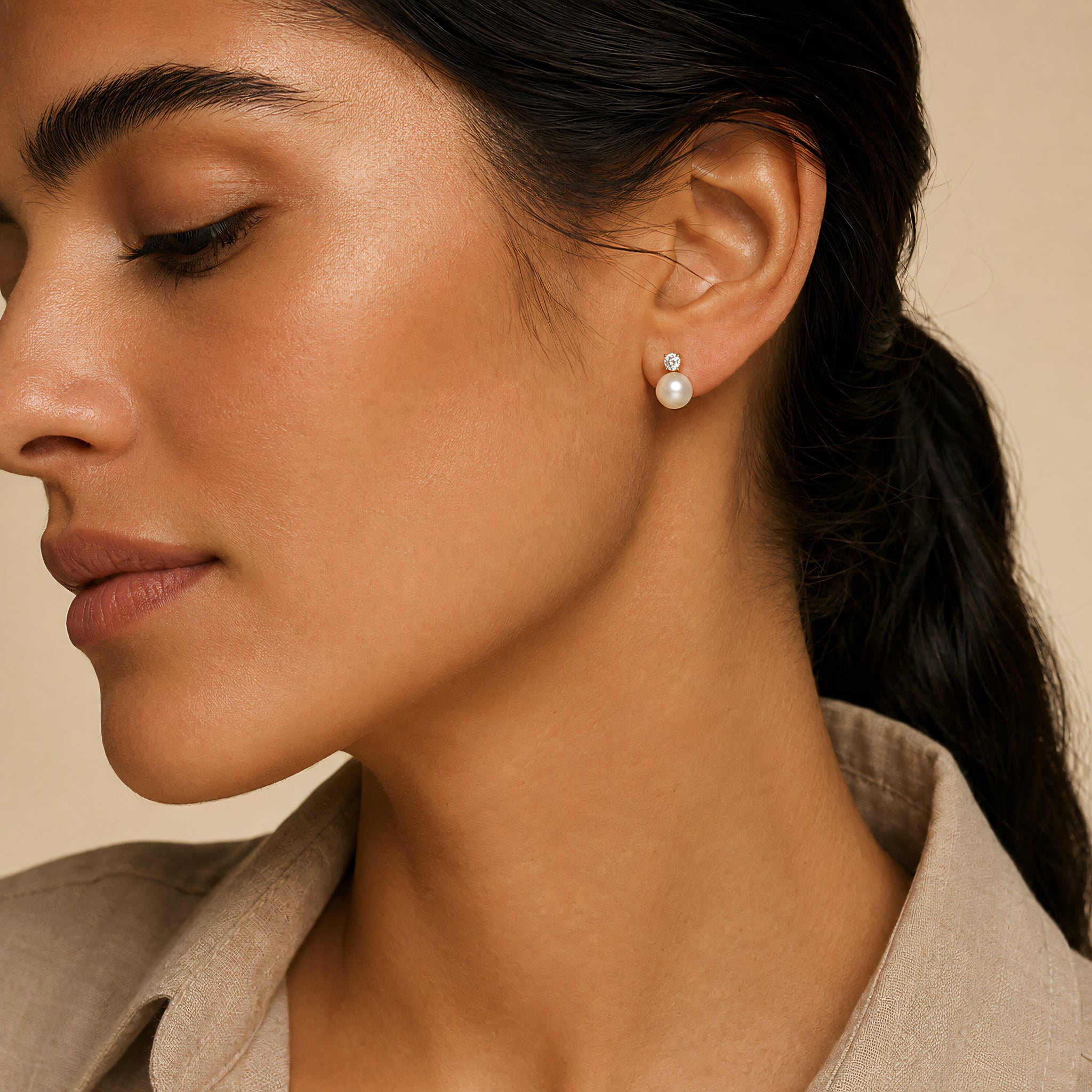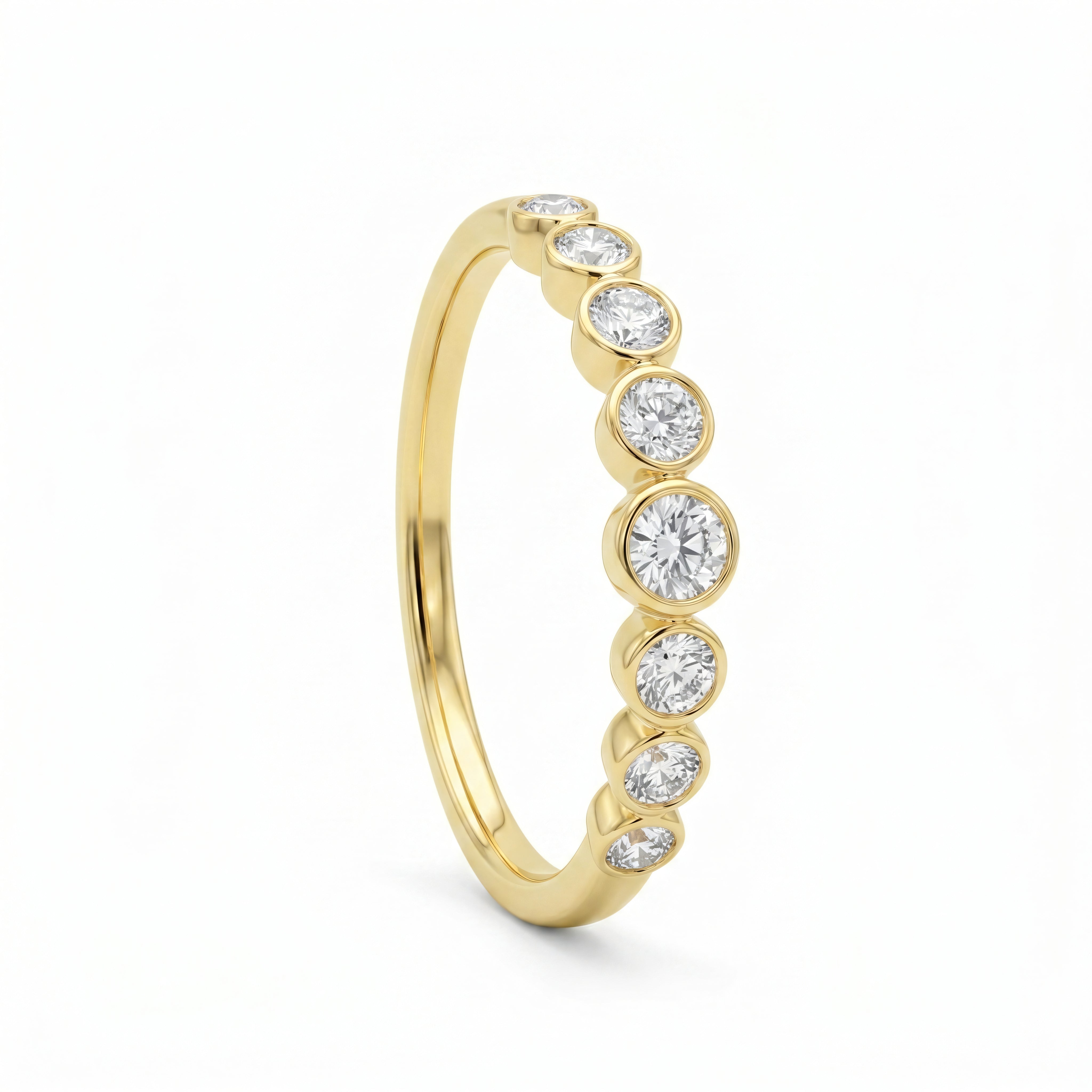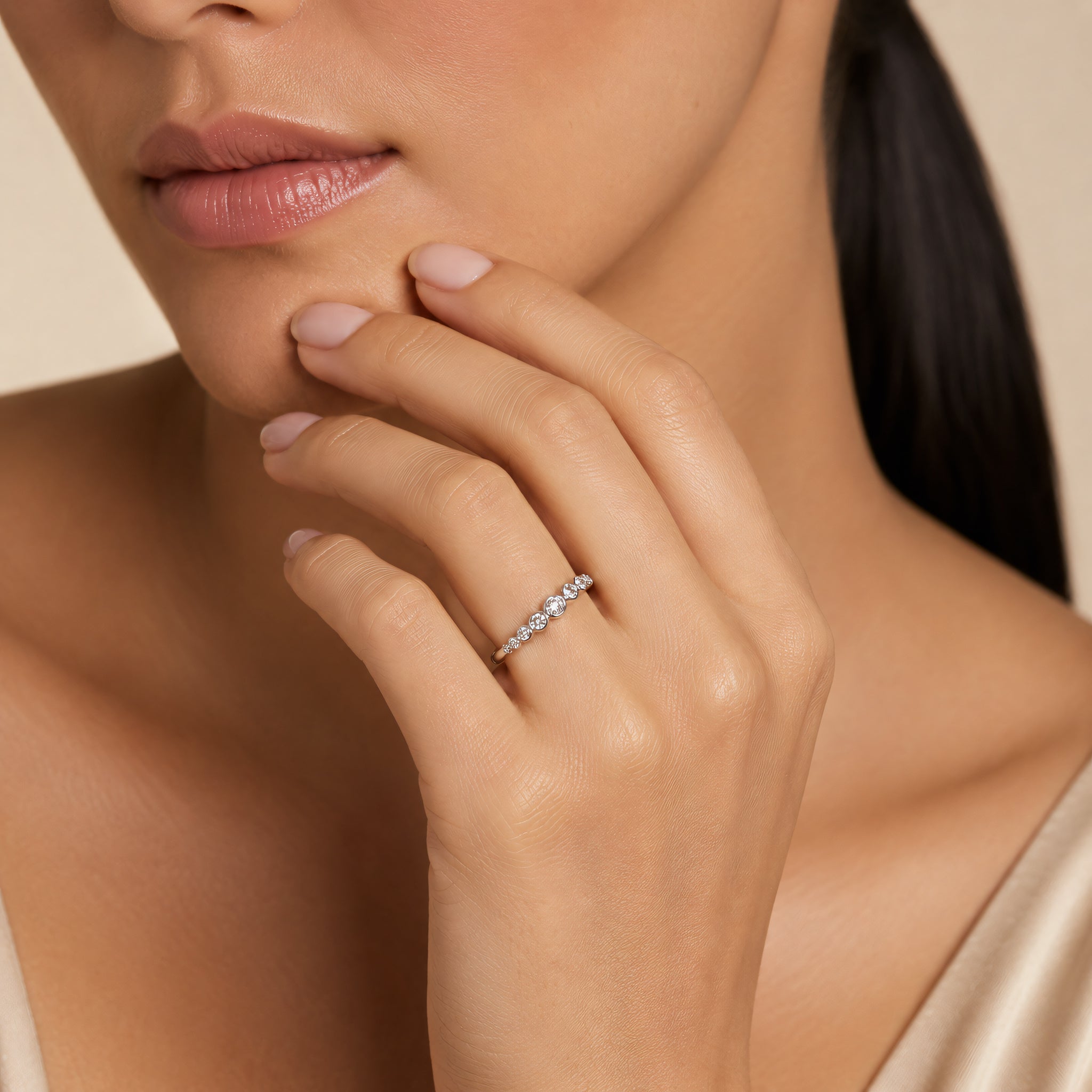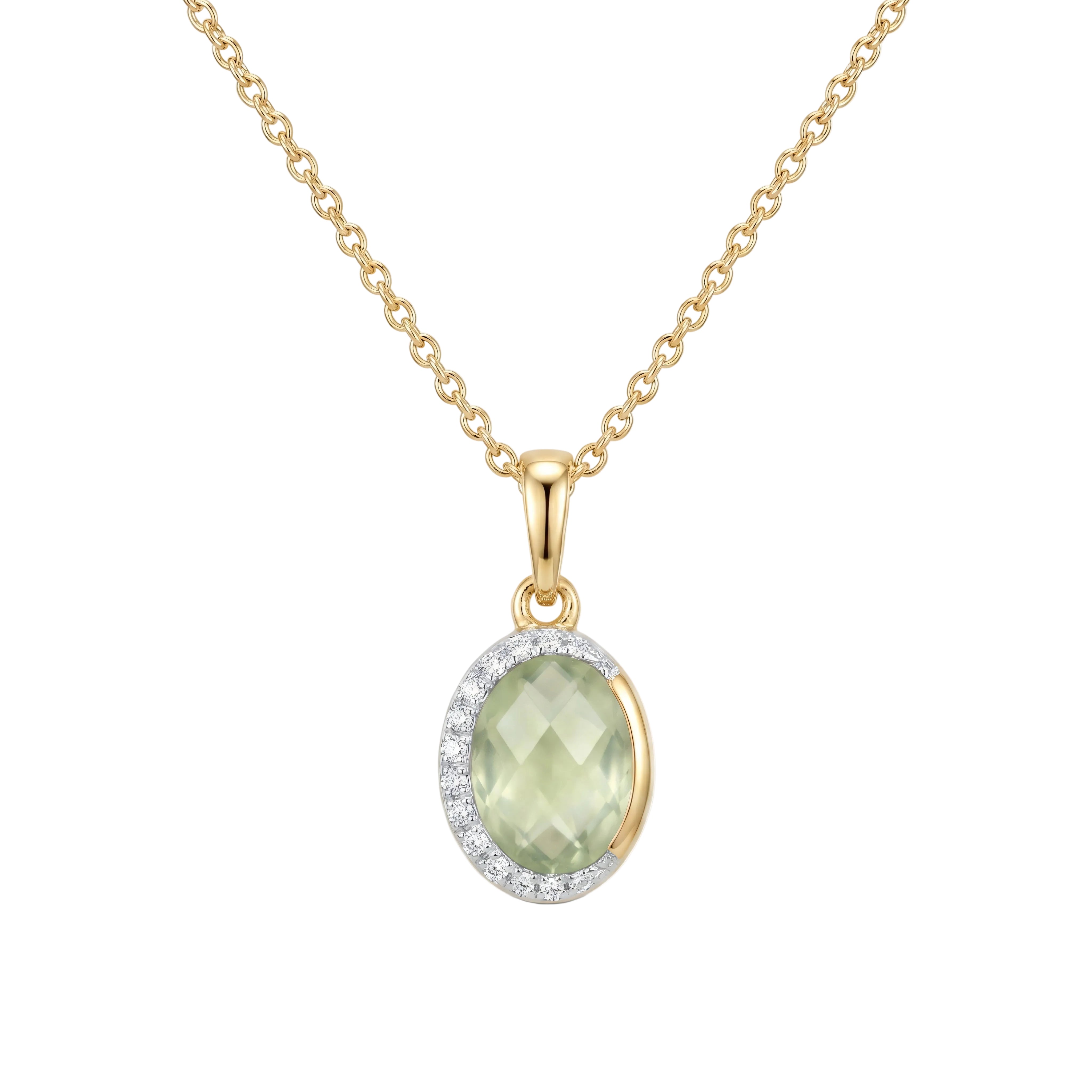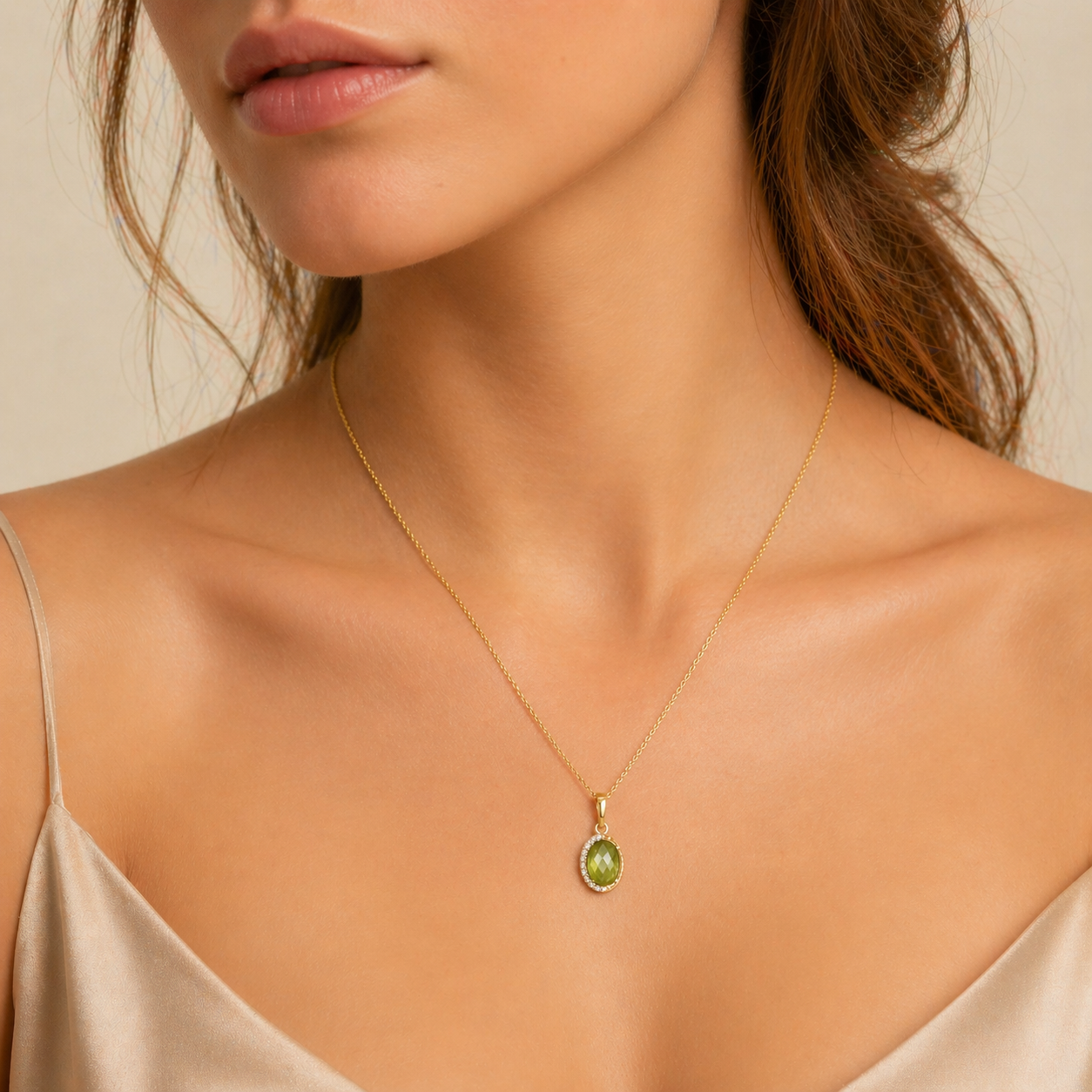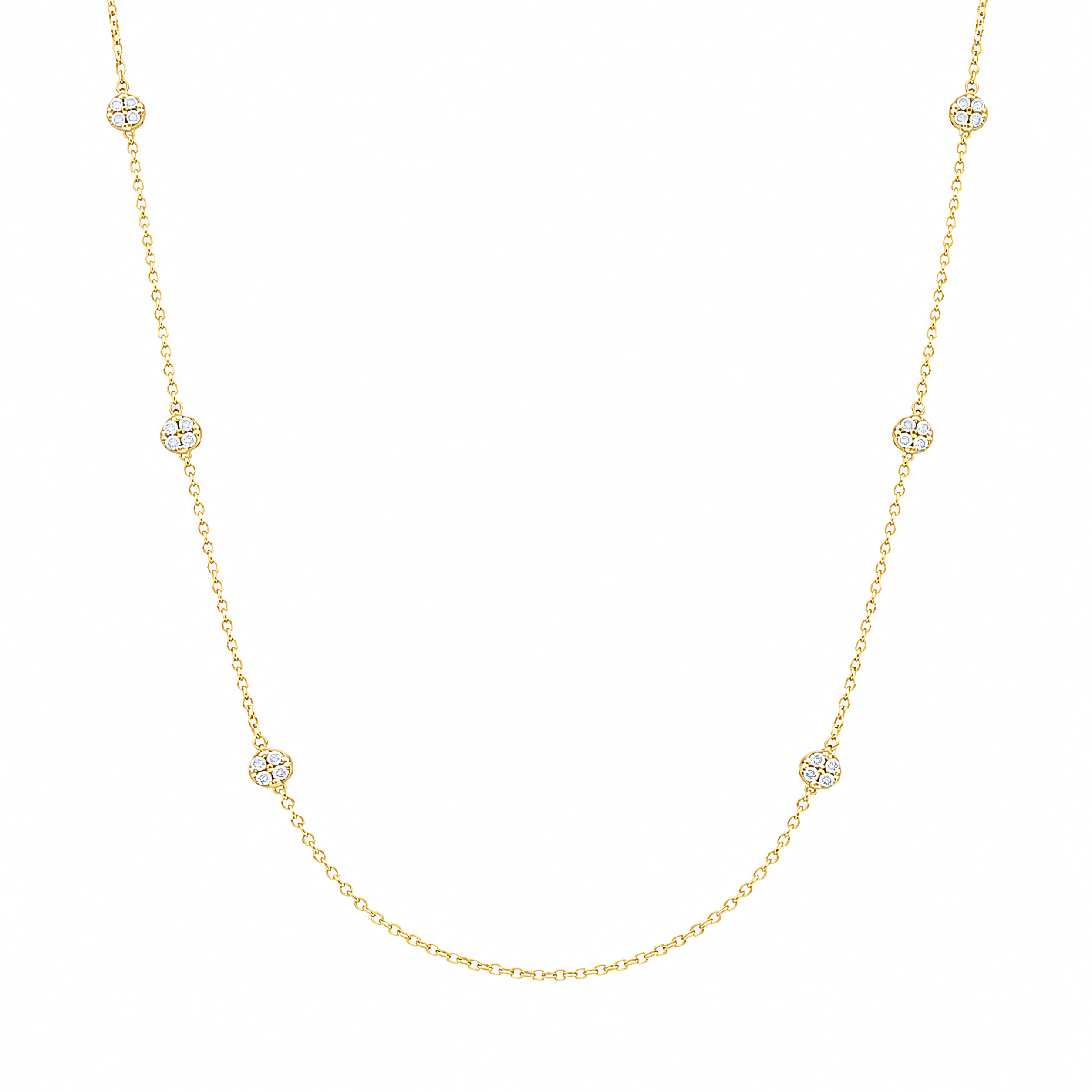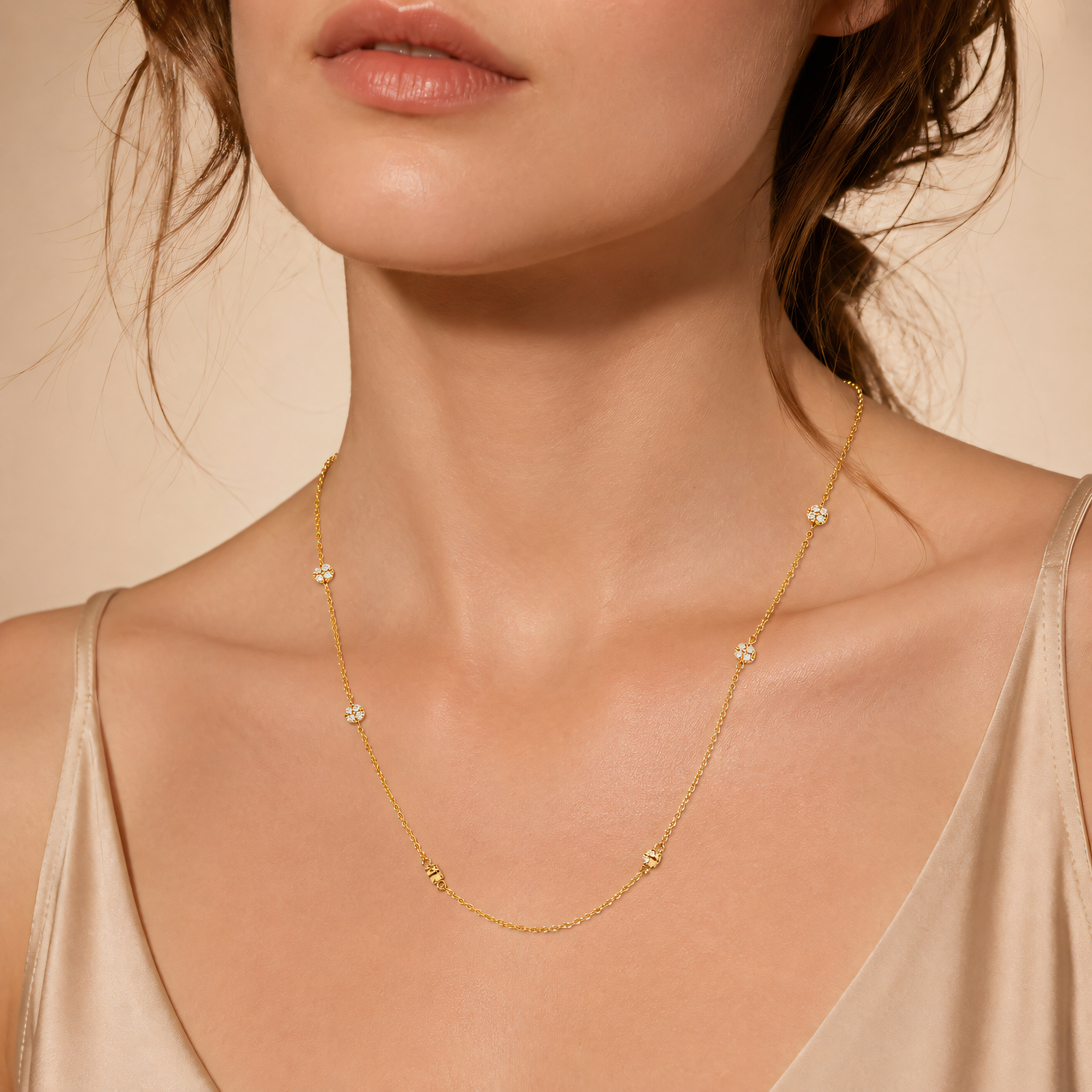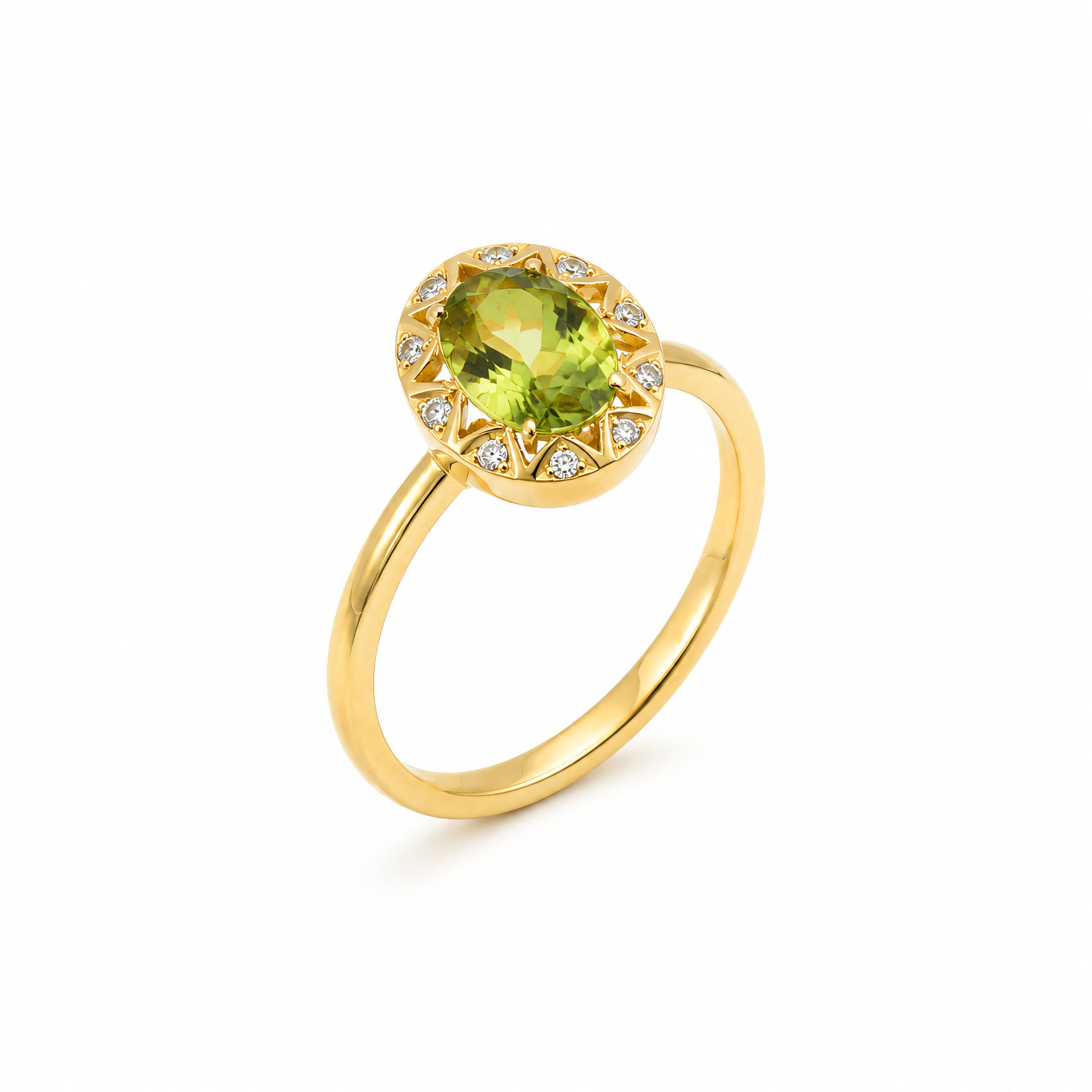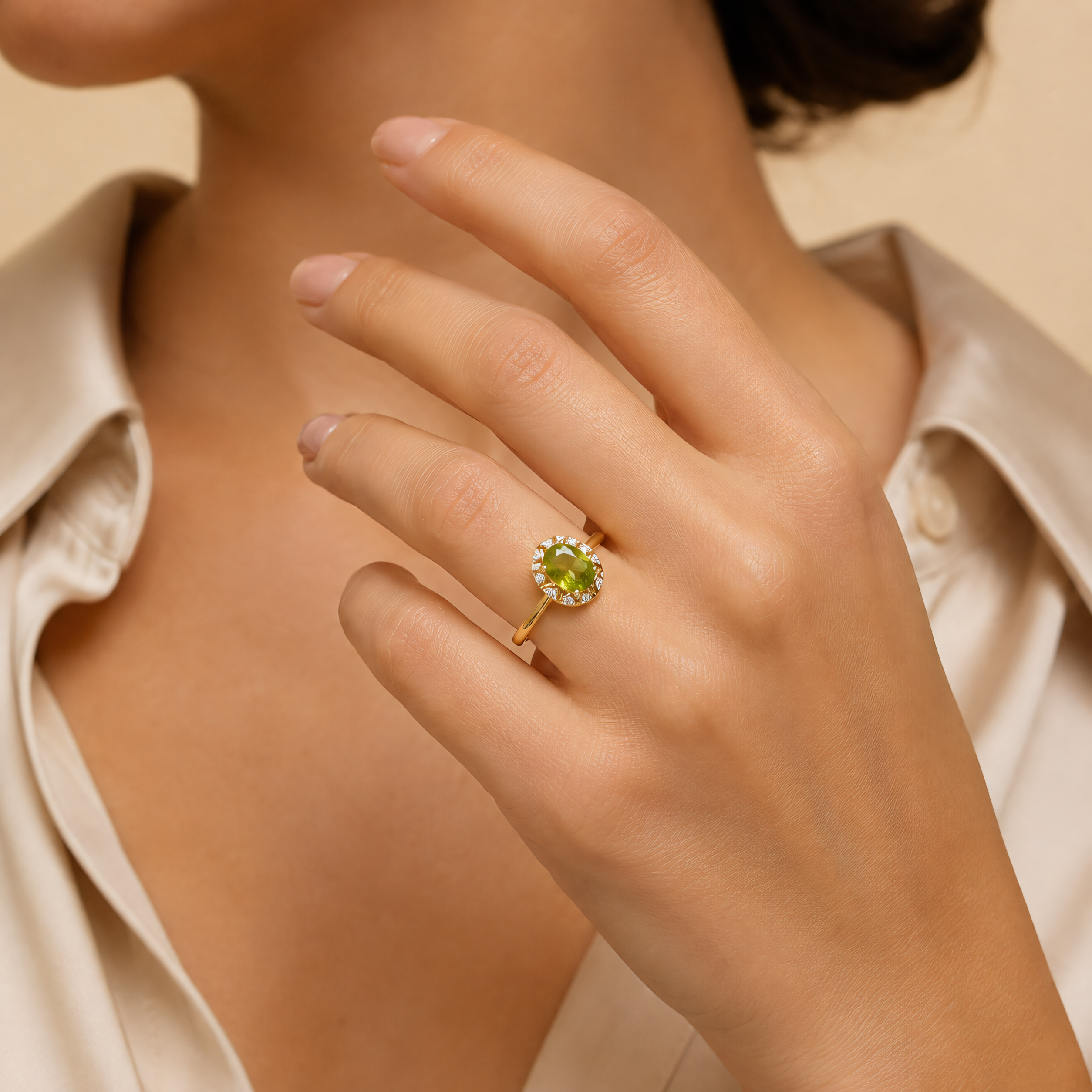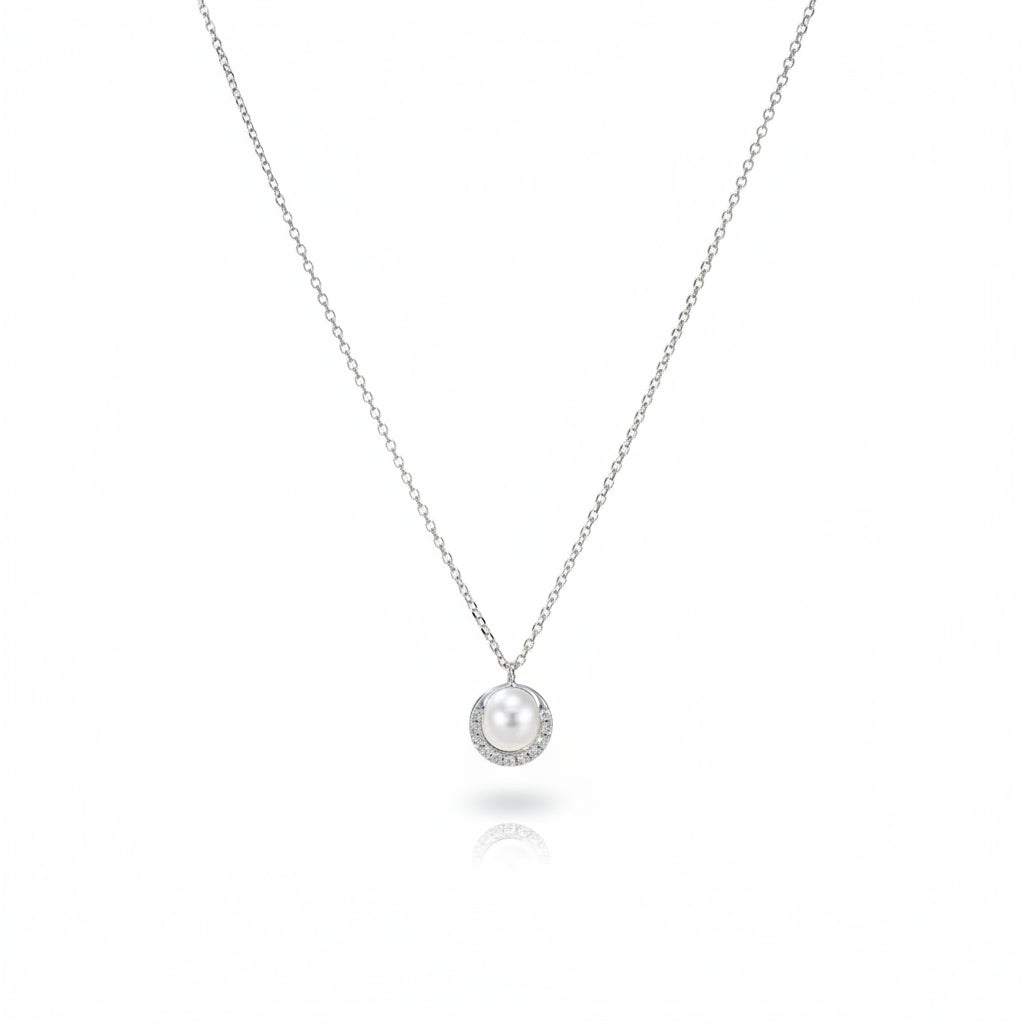



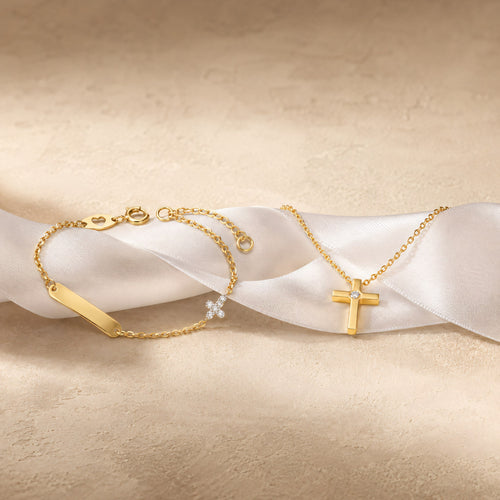
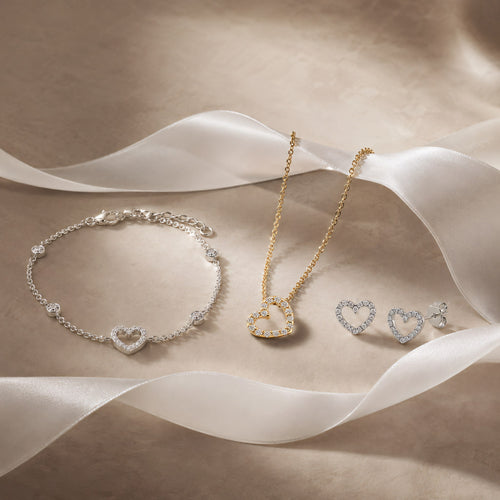
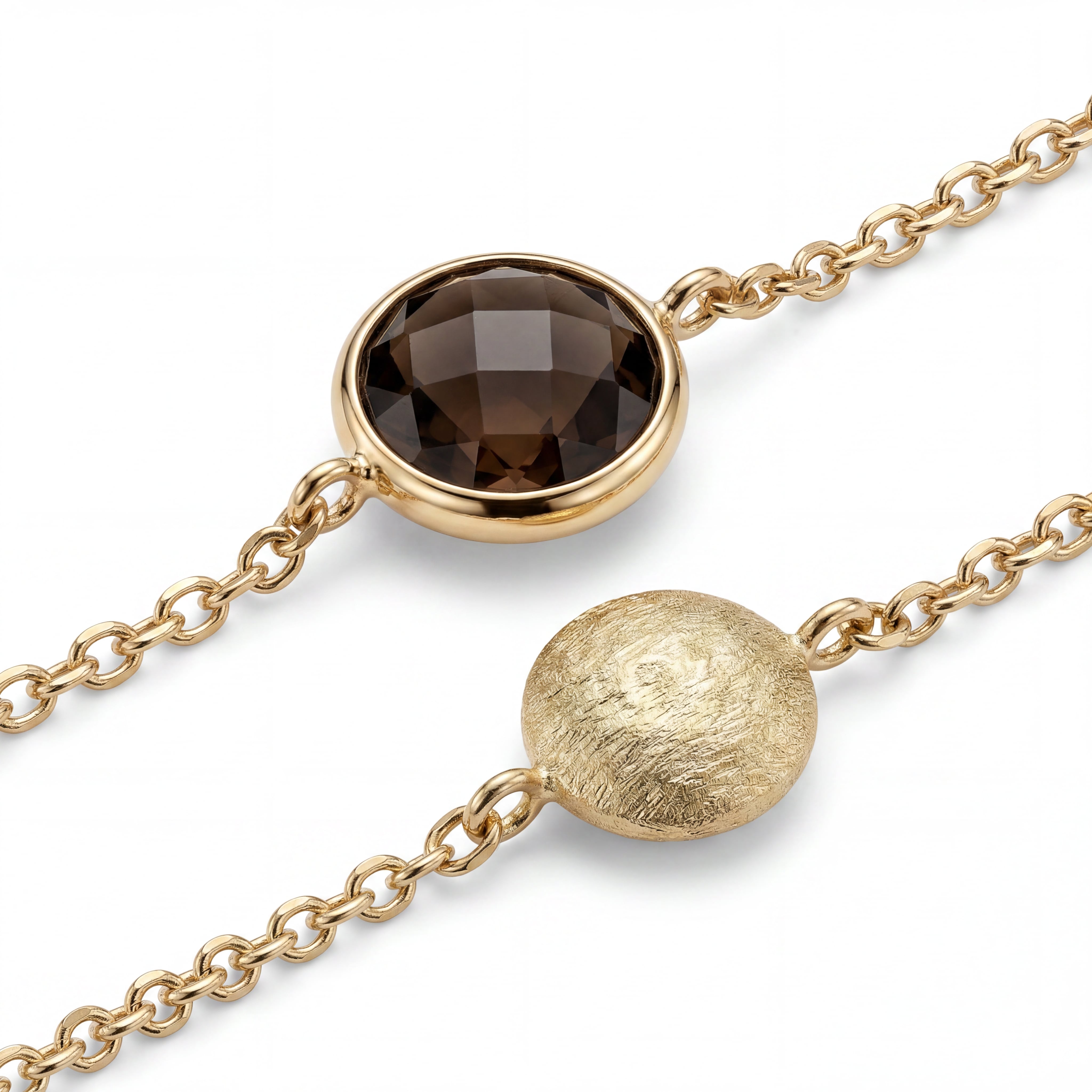

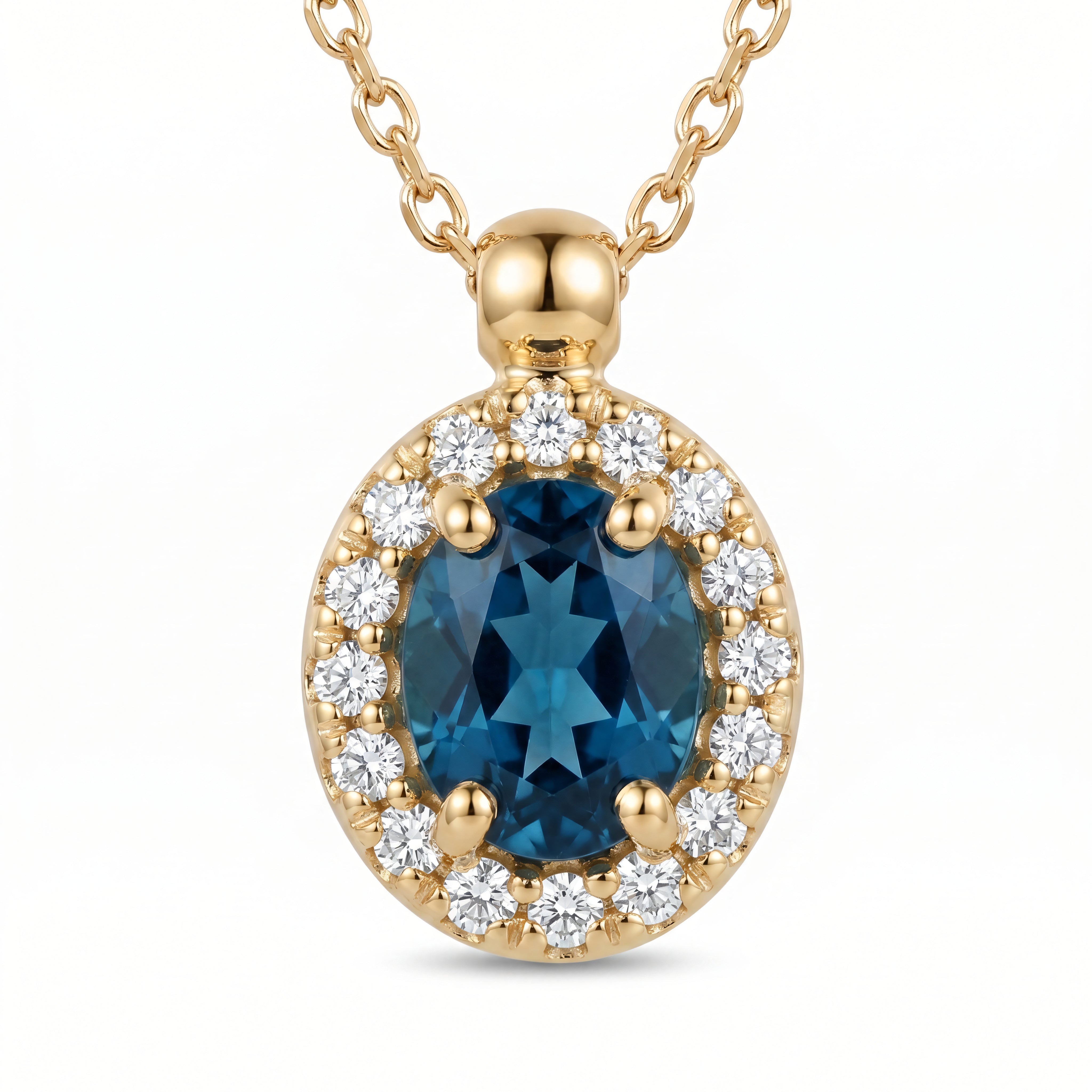

Opal is one of the most fascinating gemstones of all: a single stone displays a lively play of blue, green, orange, and red that changes with every movement. This iridescence is known as opalescence. At the same time, opal is a comparatively soft, water-bearing stone and therefore more delicate than most gemstones—it should be worn and cared for with attention. Those who bear this in mind will wear a true wonder of nature in opal.
What is opal?
Opal is not a classic crystal, but a water-bearing mineraloid made up of tiny silica spheres. These regularly arranged spheres refract light and create the famous play of color. The water content typically ranges between 3 and 21 percent—making the stone both distinctive and delicate. On the Mohs scale of hardness, opal reaches only about 5.5 to 6.5; by comparison, a diamond reaches 10. This means opal is easier to scratch and reacts sensitively to impact, dry air, and heat.
Opal forms over long periods of time: water containing silica seeps into fine cavities in rock, the water gradually evaporates, and leaves behind the characteristic spherical structure. Because this process never occurs in exactly the same way twice, no two opals are alike—each play of color is unique. This individuality is precisely what makes the stone so appealing and distinguishes it from uniformly faceted gemstones such as diamond or sapphire.

What types and colors of opal are there?
Not all opals are the same. The variety ranges from milky white to deep black, which is precisely what makes the stone so appealing:
- White opal: a light, milky base tone with a delicate play of color—the most widespread variety.
- Black opal: a dark background that makes the spectral colors shine particularly brightly—the rarest and most sought-after type.
- Boulder opal: opal in its host rock, often with strong, broad areas of color.
- Fire opal: transparent to glowing orange-red, often without the typical play of color, but with a warm body color.
- Common opal: without play of color, and uniform in tone—for example, pink or green opal.
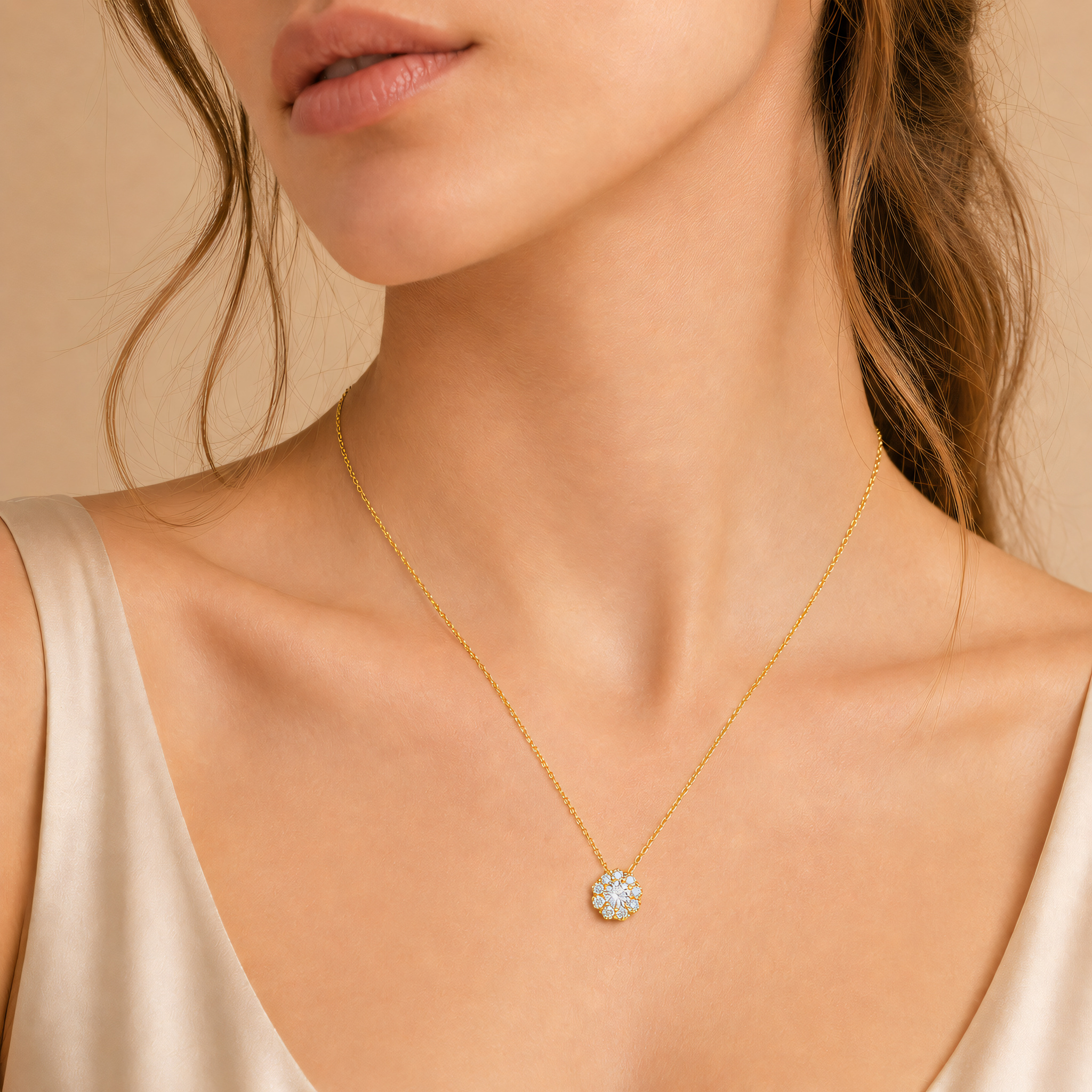
The majority of precious opals come from Australia; other significant sources include Ethiopia and Mexico. Those who appreciate opal’s iridescent play of color may find a beautiful alternative in related cabochon gemstones—such as our 585 gold necklace with peach moonstone, whose gentle shimmer is reminiscent of opal.
What makes an opal valuable?
An opal’s value depends primarily on the intensity and variety of its play of color. A lively, evenly distributed display of all the spectral colors is considered particularly desirable. Important factors include:
- Play of color: the brighter and more varied the colors, the more valuable the opal. Red and orange tones are rarer than blue and green.
- Body color: a dark background, as in black opal, makes the colors stand out more strongly.
- Pattern: large, connected areas of color are considered higher quality than small, fragmented ones.
- Clarity and cut: opal is almost always cut as a rounded cabochon, which showcases its play of color to the best effect.
What does opal symbolize?
Few stones have been interpreted in as many different ways as opal. In antiquity, it was considered a lucky stone and a symbol of hope and purity—the Romans valued it as one of the most precious stones of all. Its name is probably derived from the Latin opalus or the Sanskrit word upala (“gemstone”). Opal has traditionally been said to represent imagination, creativity, and inner transformation—a fitting association for its constantly changing play of color.
In the 19th century, opal temporarily gained a reputation for bringing bad luck—a superstition based primarily on a novel by Sir Walter Scott and entirely without real foundation. Soon afterward, Queen Victoria played a major role in rehabilitating opal: she gave it as a gift to her family and court, helping restore its social acceptance. Today, opal is once again regarded as a stone of joy and beauty. As a birthstone, it is traditionally associated with October and is often given as a meaningful gift for special occasions.
The meanings associated with opal have been passed down culturally and historically. They should be understood as symbolic traditions and not as claims of health or healing effects.
No opal is like another—each stone carries its own play of color, like a fingerprint.
Splendido JewelryHow should opal be cared for?
Because opal is soft and water-bearing, it requires more attention than harder stones. With a few simple rules, however, its play of color can be preserved for a long time:
- Clean only gently: a slightly damp, soft cloth is sufficient. No harsh cleaners and no brushes.
- No ultrasonic baths: ultrasonic and steam cleaners can cause fine cracks—forbidden for opal.
- Protect it from heat and dryness: direct sunlight, heating, or saunas can draw water from the stone and lead to fine fractures.
- Avoid chemicals: apply perfume, hairspray, and cream before putting on your jewelry.
- Avoid impacts: take it off when exercising, cleaning, or gardening.
- Store it softly: keep it separate from harder jewelry in a soft pouch or case.
For more basic knowledge about caring properly for delicate stones, see our guide to cleaning and caring for jewelry.
Opal jewelry and shimmering alternatives
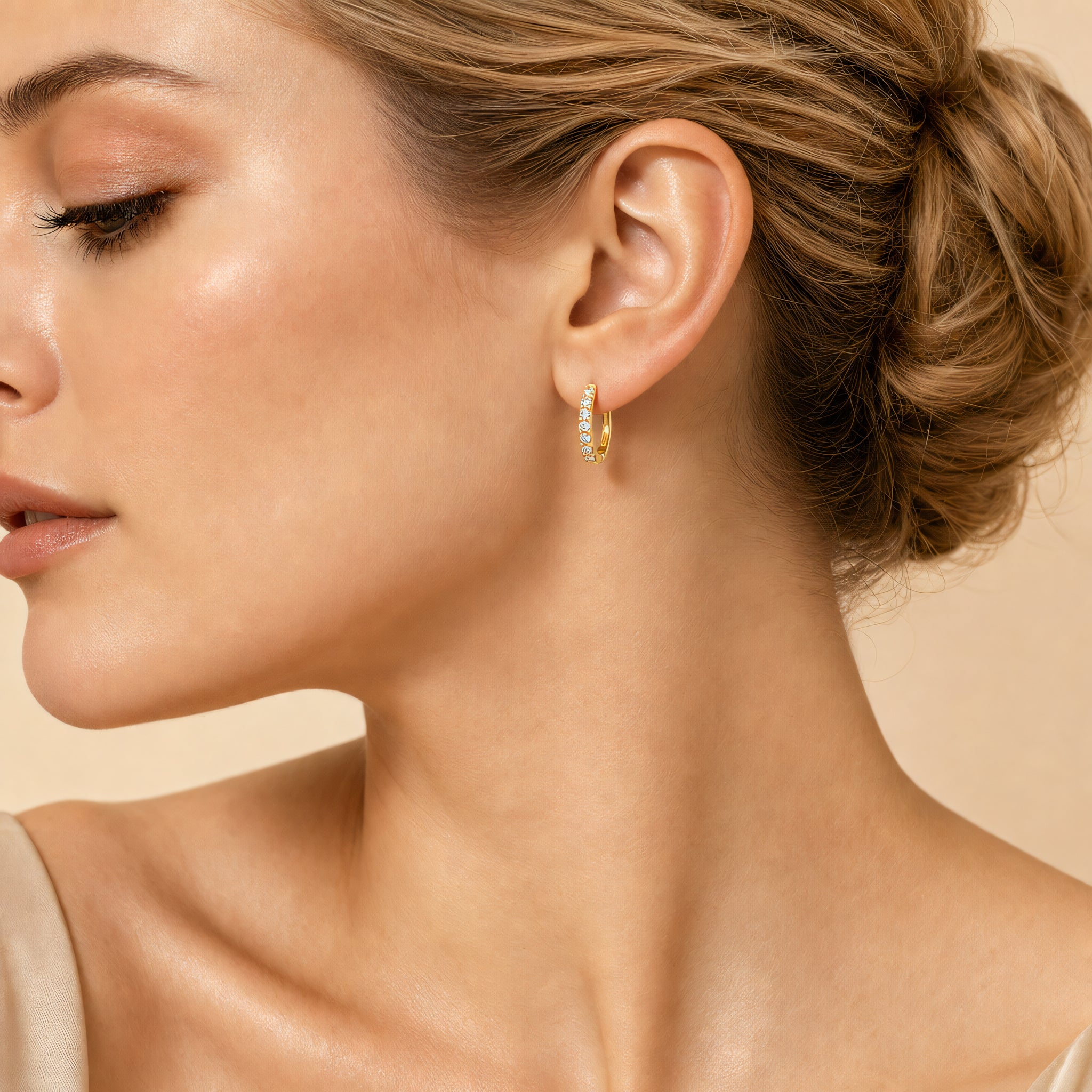
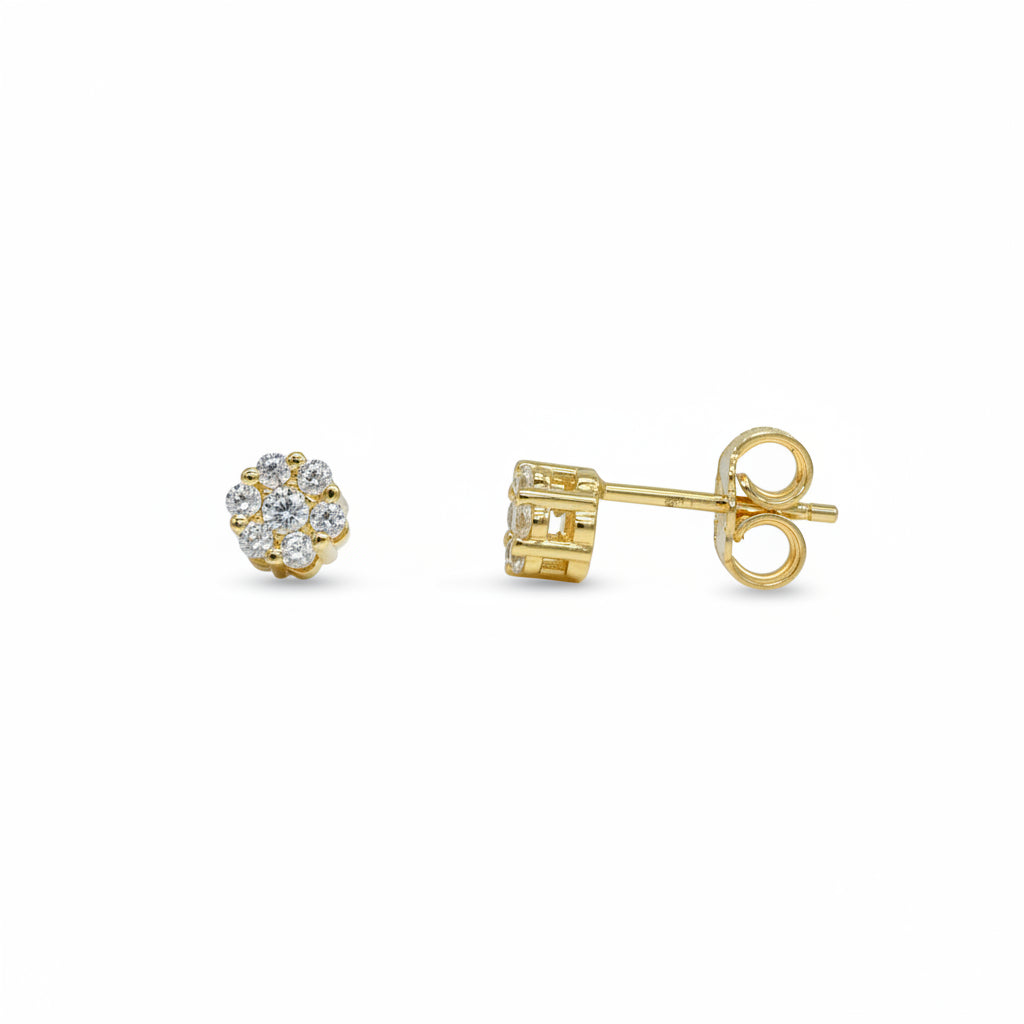
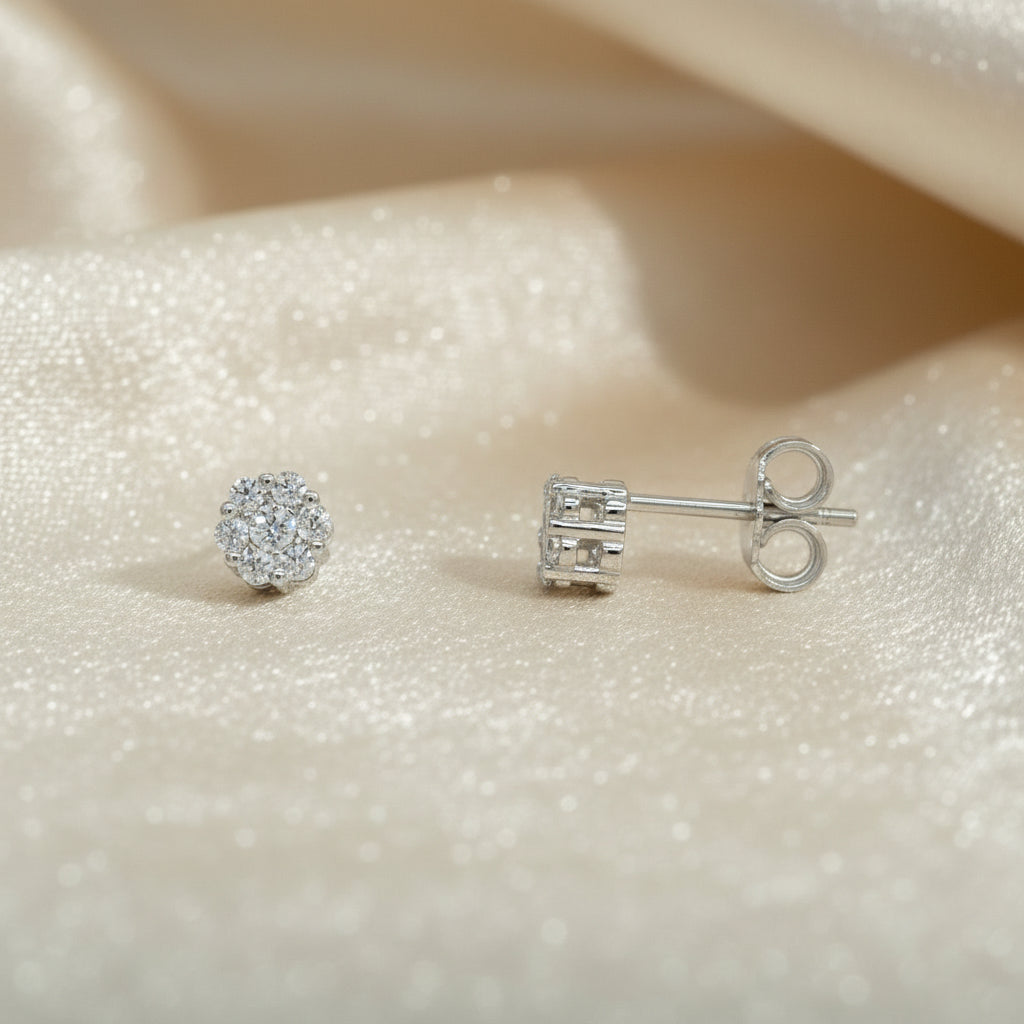
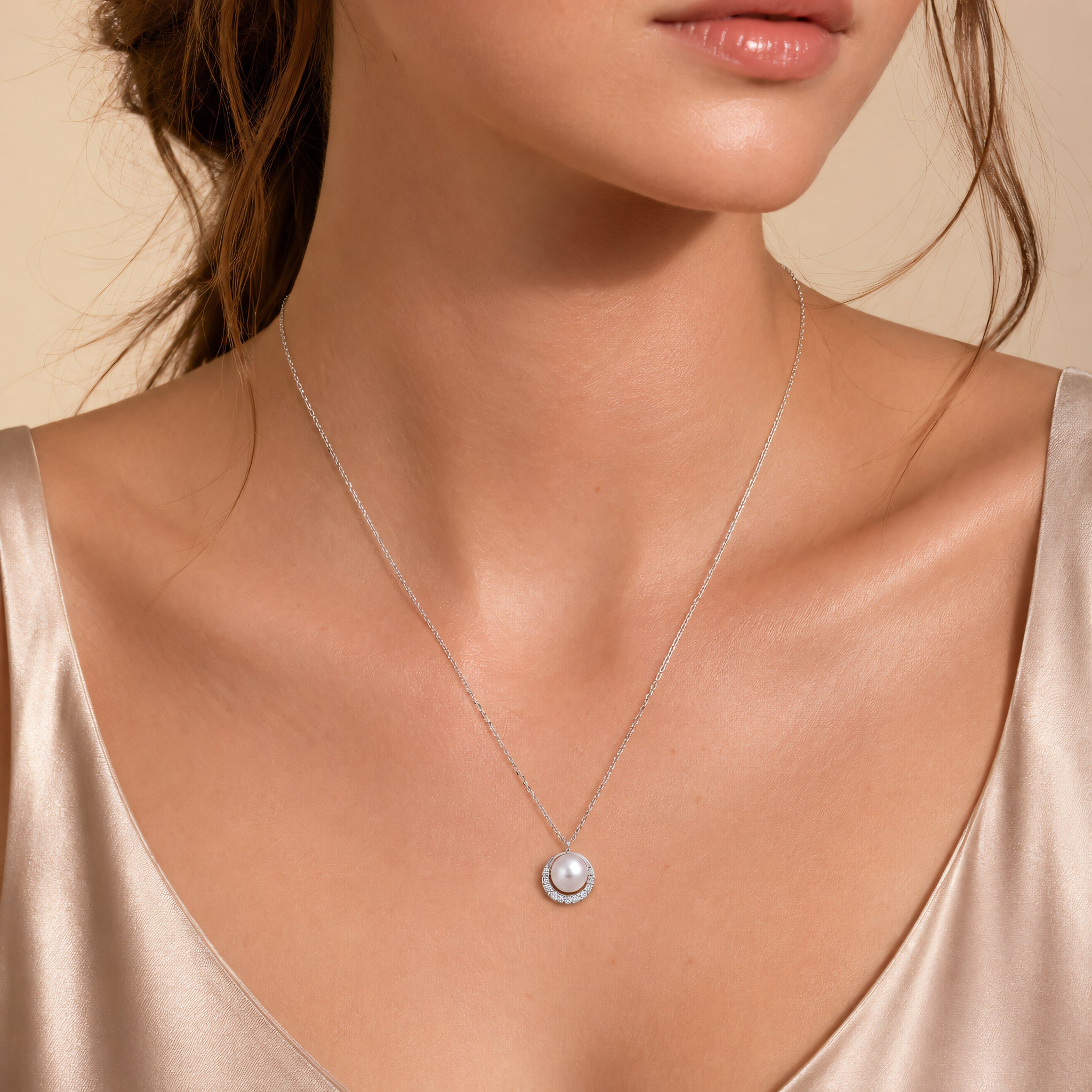
Opal is particularly well suited to jewelry that is worn with care—for example, stud earrings or pendants, which are less exposed to impacts than a ring worn on the hand. Because of its lower hardness, opal is often set in a protective bezel setting that surrounds the stone’s edge and protects it from knocks. As October’s birthstone, opal jewelry is also a personal gift with meaning.
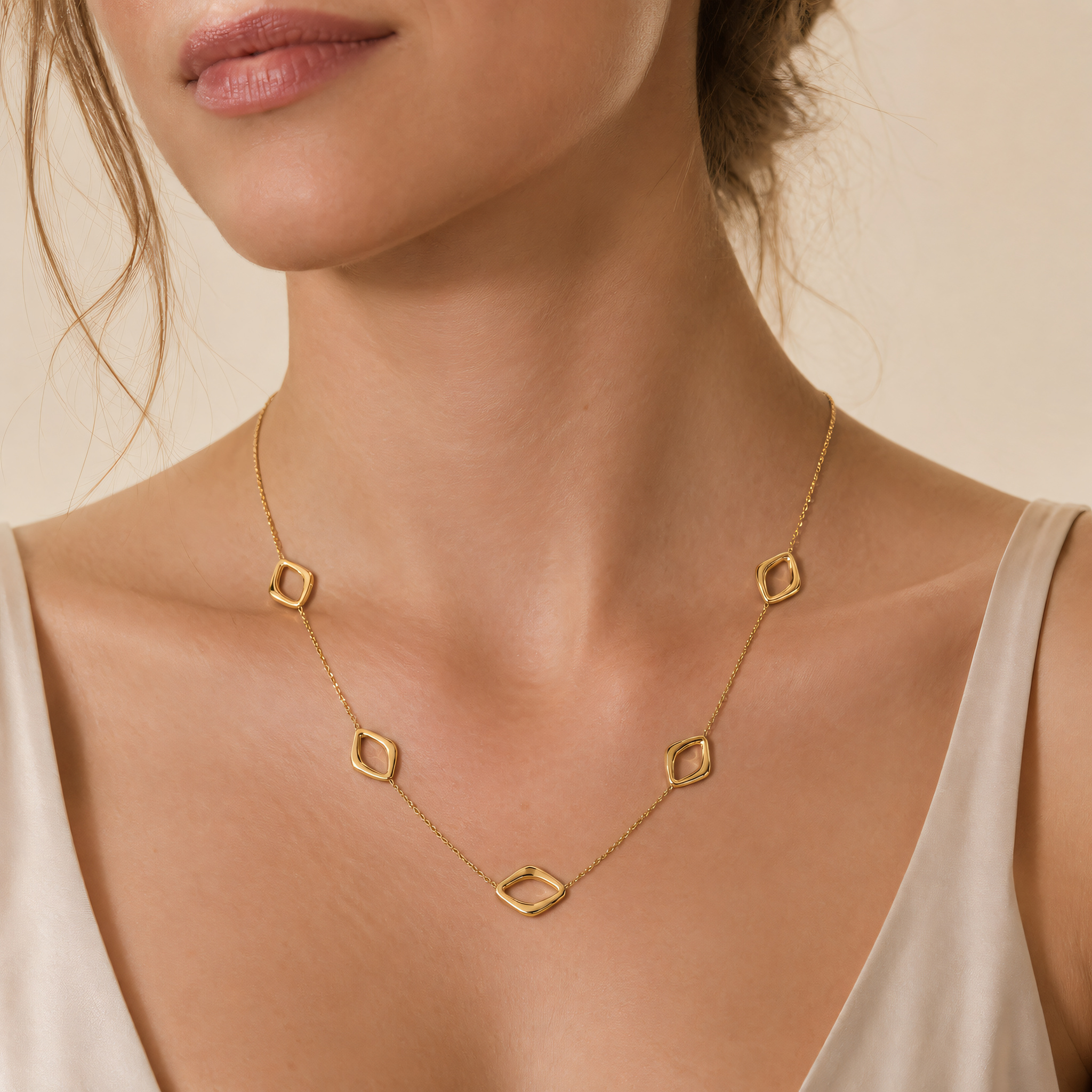
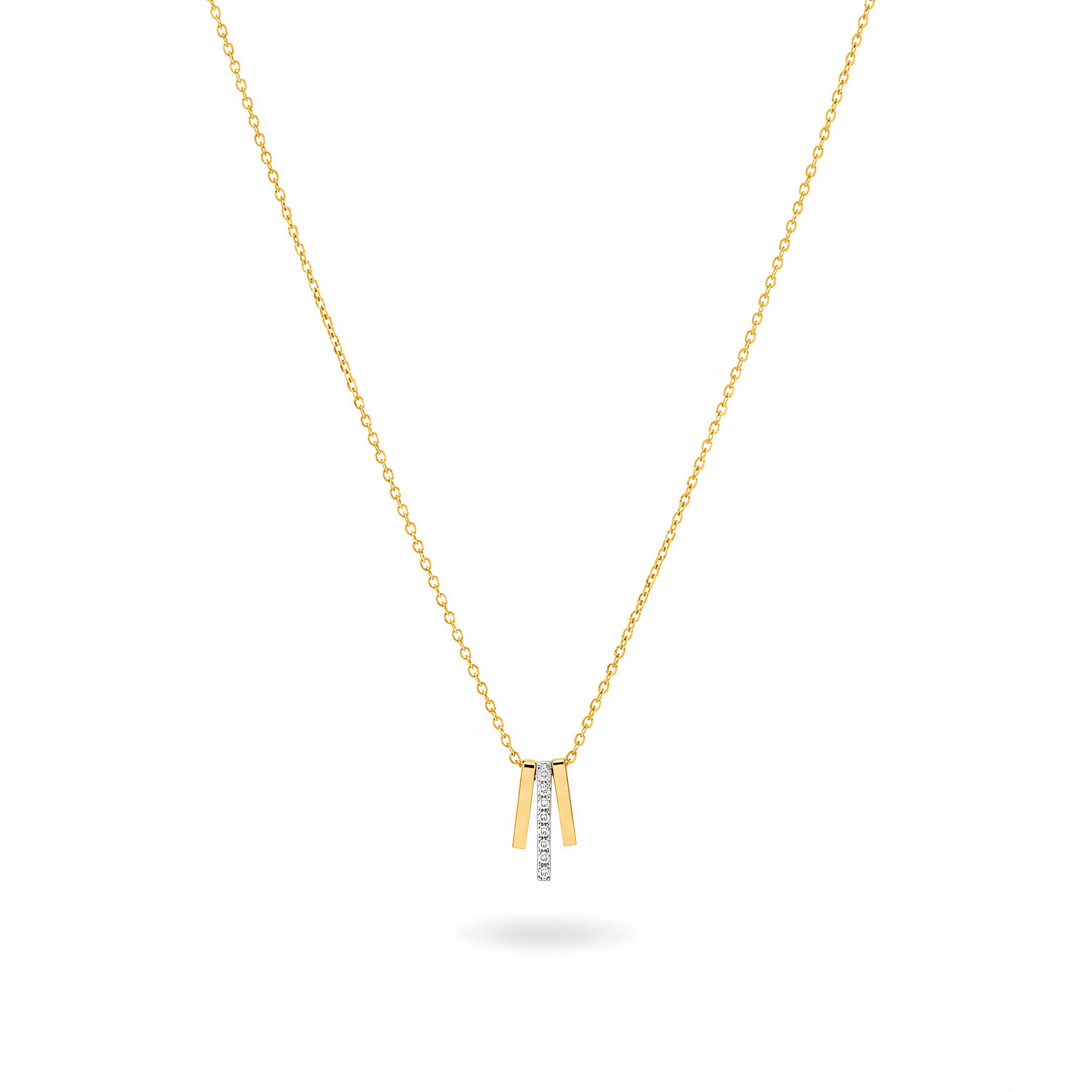
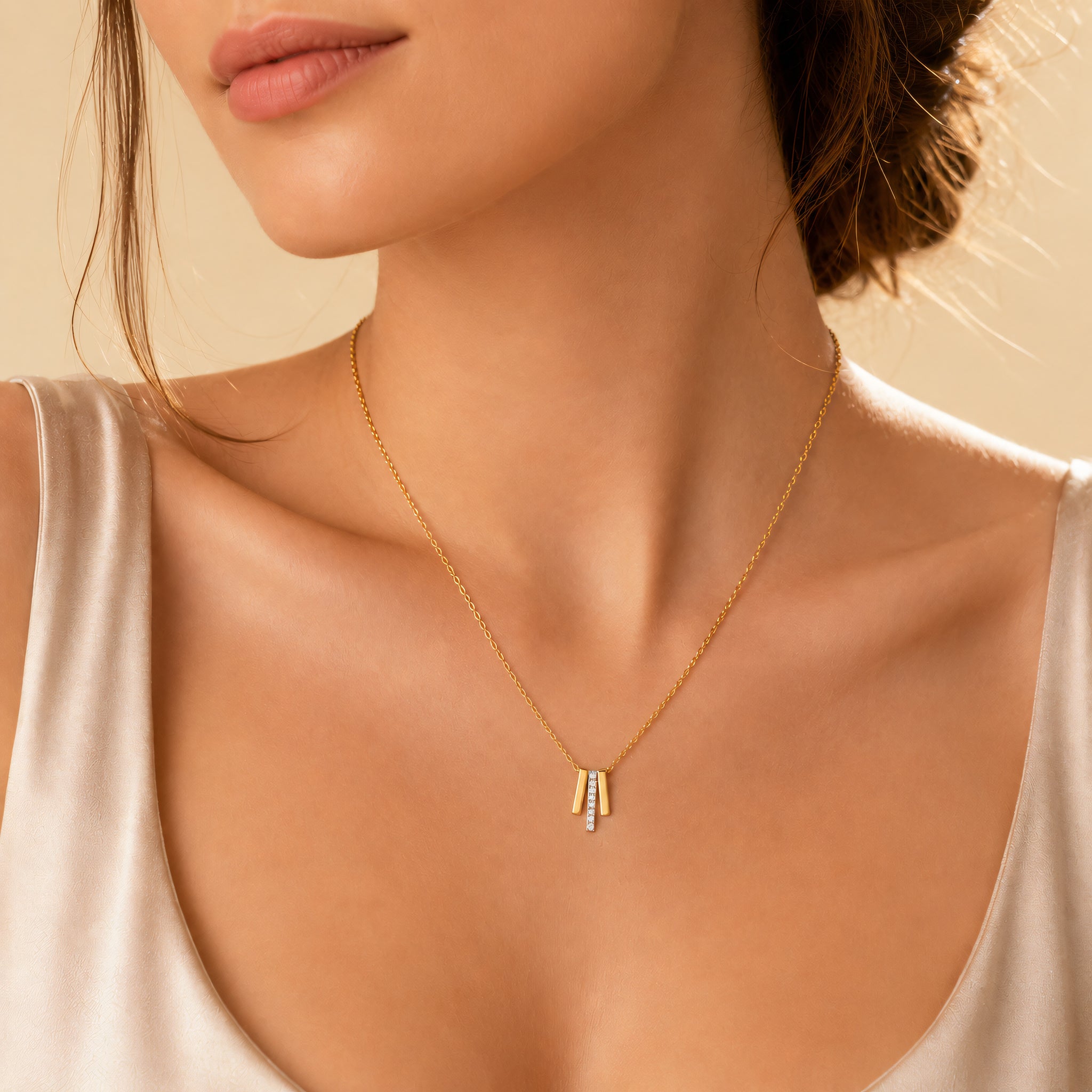
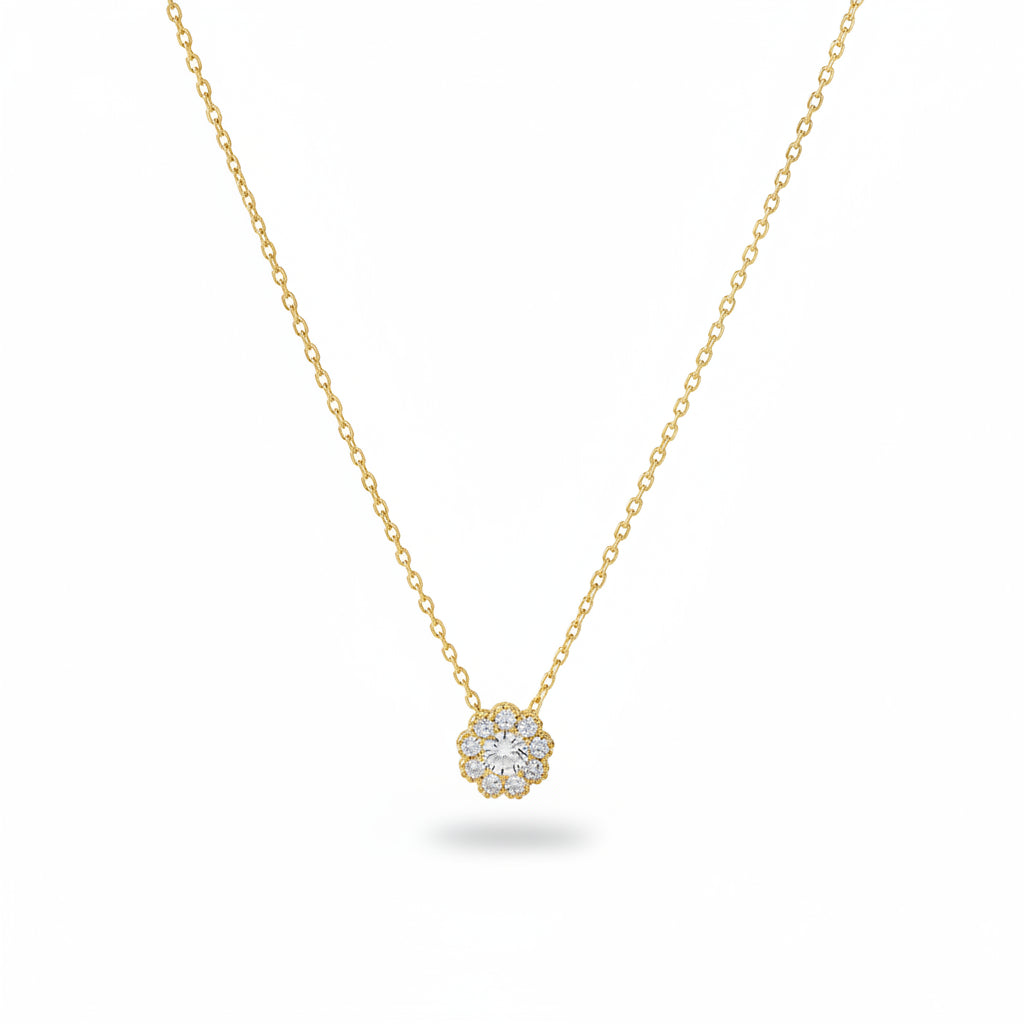
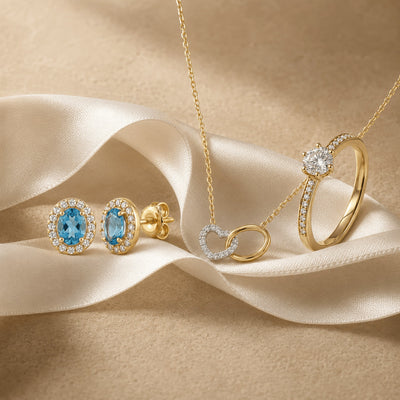
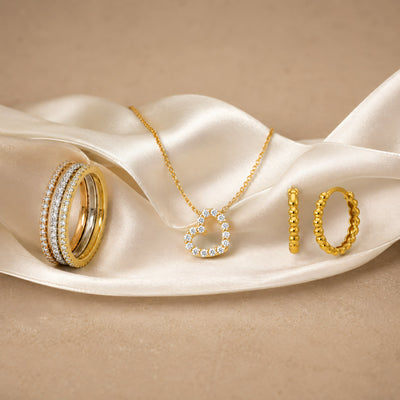
Those who are concerned about opal’s delicacy but love its lively shimmer will find hand-selected pieces at Splendido Jewelry featuring related colored gemstones such as moonstone, amethyst, or topaz. Discover our gold necklaces with gemstones and gold rings with gemstones—or browse our full collections of gold jewelry and silver jewelry.
All pieces are made from genuine 585 gold, which is nickel-free and does not tarnish, as well as solid, rhodium-plated 925 silver—carefully selected from Italian goldsmiths. At Splendido Jewelry, you enjoy free shipping and returns, along with a 30-day return policy.