





Amethyst is the violet variety of quartz and has always been one of the world’s most sought-after gemstones. Its color ranges from delicate lilac to deep purple—the more even and saturated the violet, the more valuable the stone. Amethyst was regarded as a stone of clarity and dignity as early as antiquity and today adorns rings, earrings, and necklaces in 585 gold. One important care note upfront: Amethyst can fade over time with prolonged exposure to strong sunlight.
What is amethyst?
Amethyst is a mineral from the quartz family and is therefore chemically closely related to rock crystal. Its characteristic violet color is created by traces of iron in the crystal lattice, which develop their hue under natural radiation. With a hardness of 7 on the Mohs scale, amethyst is pleasantly durable and therefore well suited to everyday wear in jewelry. It is found all over the world—significant deposits are located in Brazil, Uruguay, and Zambia.
The name comes from Ancient Greek: “amethystos” roughly means “counteracting intoxication.” This word origin also explains many of the cultural stories that still surround the stone today. For thousands of years, amethyst was even one of the four “cardinal gemstones” and stood on a level with diamond, ruby, and emerald—only when large deposits were discovered in the 19th century did it become affordable for many people.
Interesting fact: When amethyst is deliberately heated, its violet color can transform into the warm yellow-orange of citrine—both stones are therefore varieties of the same mineral. This relationship shows how diverse quartz can be in nature.
Amethyst color & quality: what matters
Color is the key quality characteristic of amethyst. A rich, even violet and vibrant brilliance are highly prized. Here is how to recognize a beautiful amethyst:
- Color: from light lilac through lavender to deep purple—a saturated, clear violet is sought after, ideally with subtle reddish or bluish reflections.
- Evenness: the color should be distributed evenly throughout the stone, without pale areas.
- Clarity: high-quality amethysts are eye-clean, meaning free of visible inclusions.
- Cut: a good cut makes the violet glow and creates lively sparkle.
Amethyst therefore offers an exceptional balance of beauty and value—a deep violet stone looks elegant without reaching the price of a classic brilliant-cut diamond. Strong, evenly colored stones are particularly sought after; very pale or patchy specimens are considered less valuable. Since amethyst also occurs in larger crystals, impressive stones can be beautifully set in rings and pendants without the price becoming exorbitant.

Amethyst meaning: history & symbolism
Few stones are as rich in stories as amethyst. In antiquity, it was said to protect against drunkenness and excessive behavior—which is where its Greek name comes from. Drinking vessels were sometimes made from amethyst in the hope of maintaining a clear head.
Over the centuries, amethyst’s violet color has stood for dignity and mental clarity. In the Church, the stone is one of the traditional symbols of bishops, and in many cultures it is regarded as a symbol of calm and composure. As the birthstone for February, amethyst is still a popular gift today. All these meanings are cultural and historical in nature—amethyst has long symbolized clarity and dignity, without any associated medical effects.
Amethyst is the traditional birthstone for February and also a classic gift for the sixth wedding anniversary. This makes it a beautiful choice for personal occasions.
Caring for amethyst: keeping the violet vibrant
With its hardness of 7, amethyst is durable, but it has one characteristic worth knowing: Strong, prolonged sunlight can cause its violet color to fade over time. This is not a flaw, but a natural property of the stone. With a few simple habits, your amethyst jewelry will remain radiant for a long time:
- Do not store amethyst jewelry permanently in direct sunlight—a case or drawer will protect its color.
- Clean the stone gently with lukewarm water, a drop of mild dish soap, and a soft cloth.
- Avoid ultrasonic and steam cleaners, as well as harsh household remedies.
- Put jewelry on only after applying perfume, cream, and hairspray, and remove it before exercising and bathing.
A deep violet amethyst combines the dignity of a gemstone with the warmth of genuine gold.
Splendido JewelryHow to wear amethyst: yellow gold, white gold & occasions
Amethyst’s violet color is remarkably versatile and suits almost every skin tone. The setting determines the overall effect:
- Yellow gold: 585 yellow gold emphasizes the warmth in the violet and gives the stone a rich, classic appearance—ideal for a solitaire ring.
- White gold: 585 white gold creates a cool, modern contrast and makes cool violet tones appear clearer and more radiant.
- Occasion: As February’s birthstone and a gift for the sixth wedding anniversary, amethyst is especially suitable for personal gifts.
If you combine several pieces, it is best to choose a consistent gold tone and let the amethyst serve as the colorful focal point. A single ring or a pair of amethyst stud earrings is often enough to give an outfit character.
Amethyst jewelry: rings, earrings & more
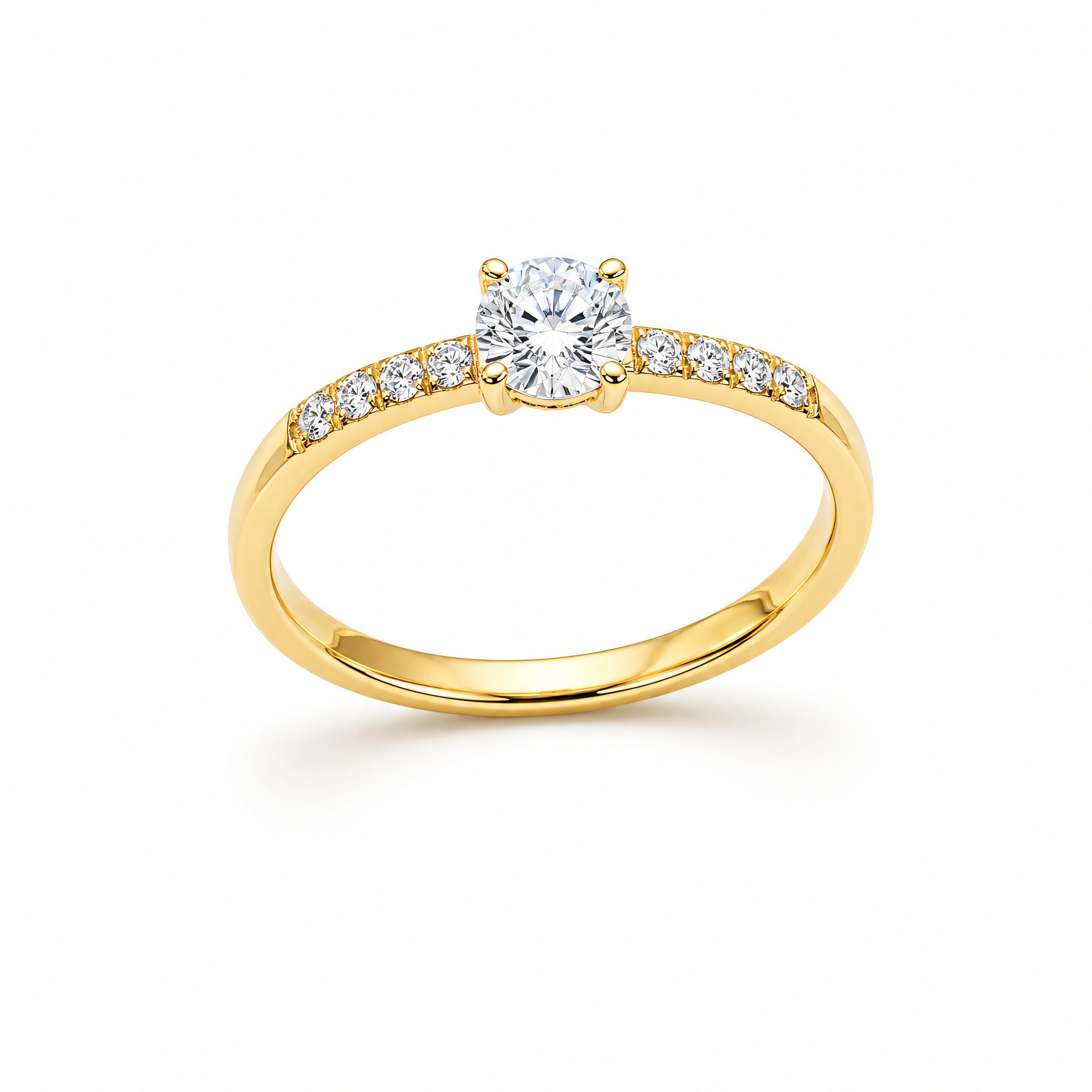
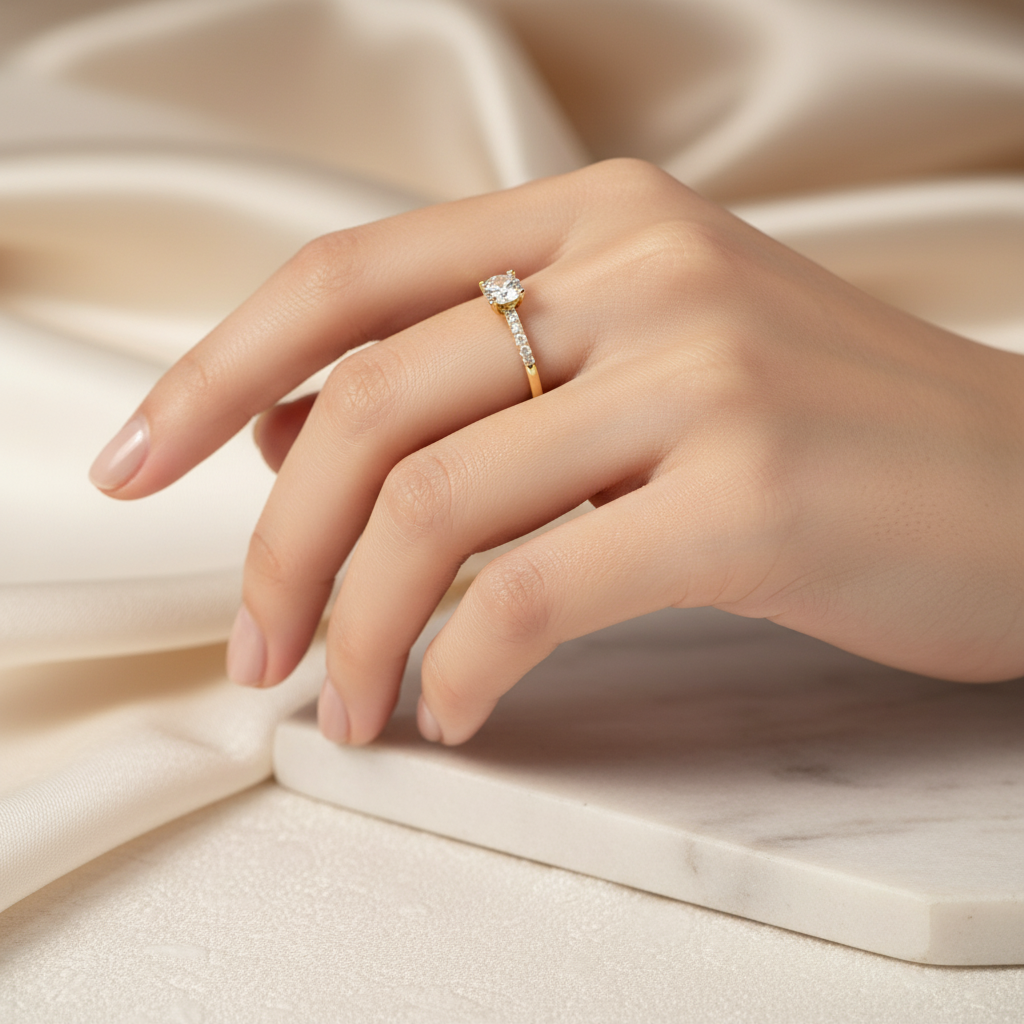
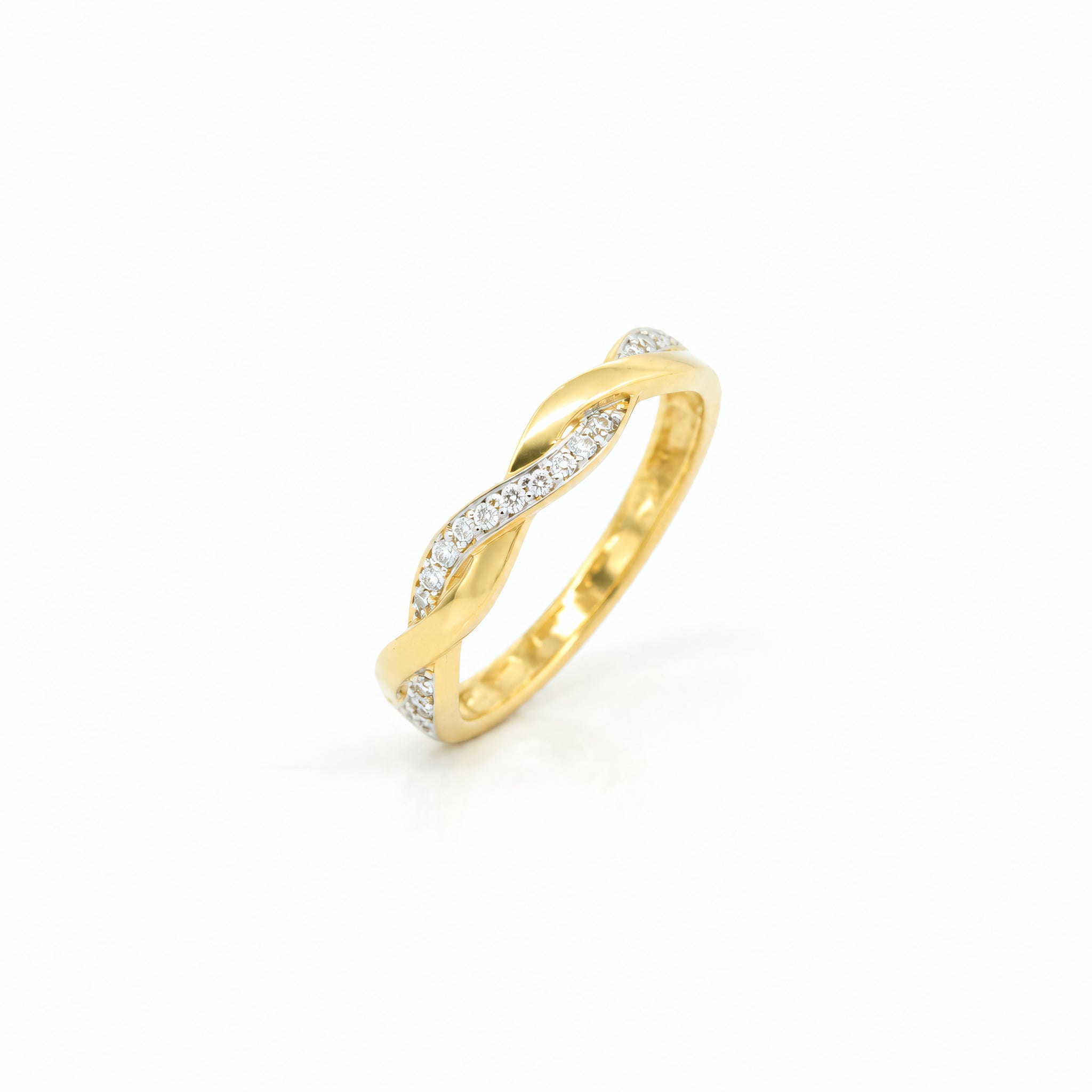
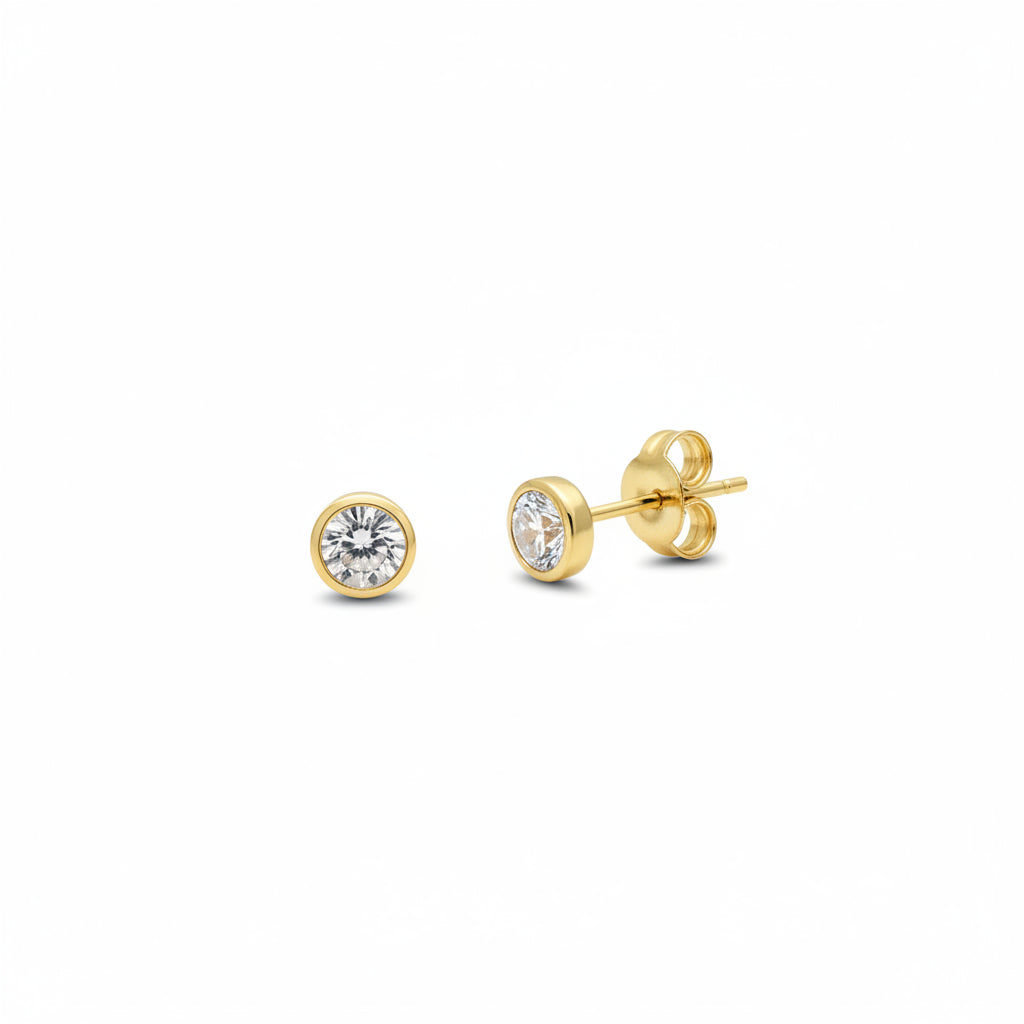
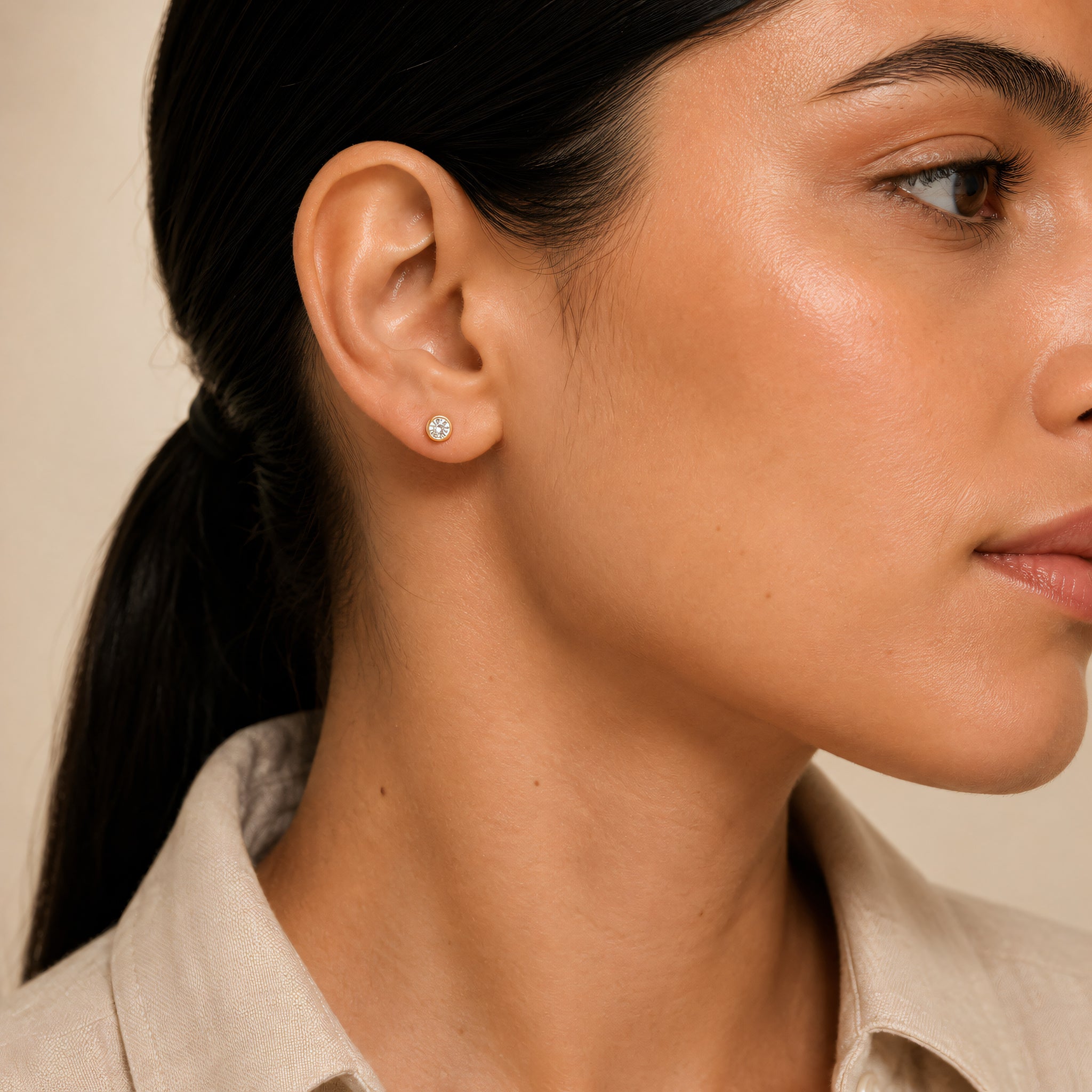
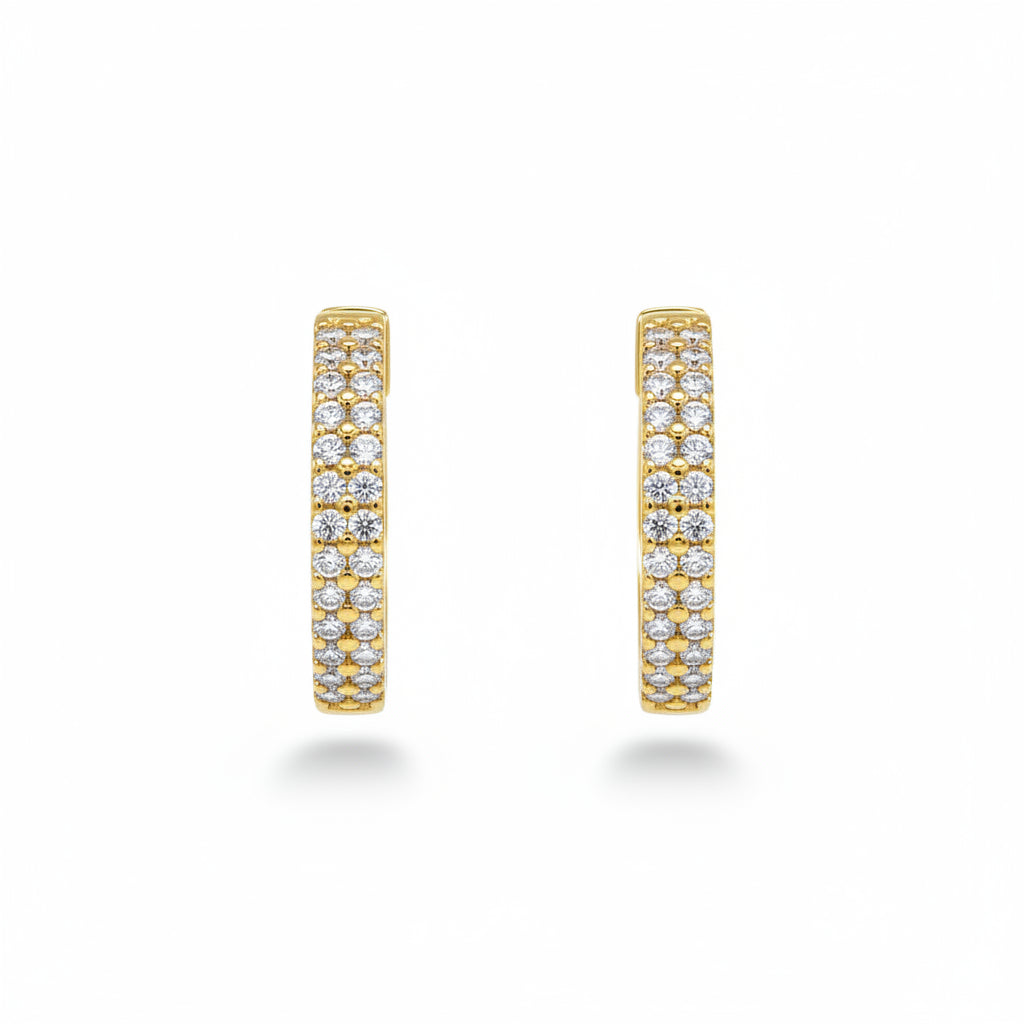
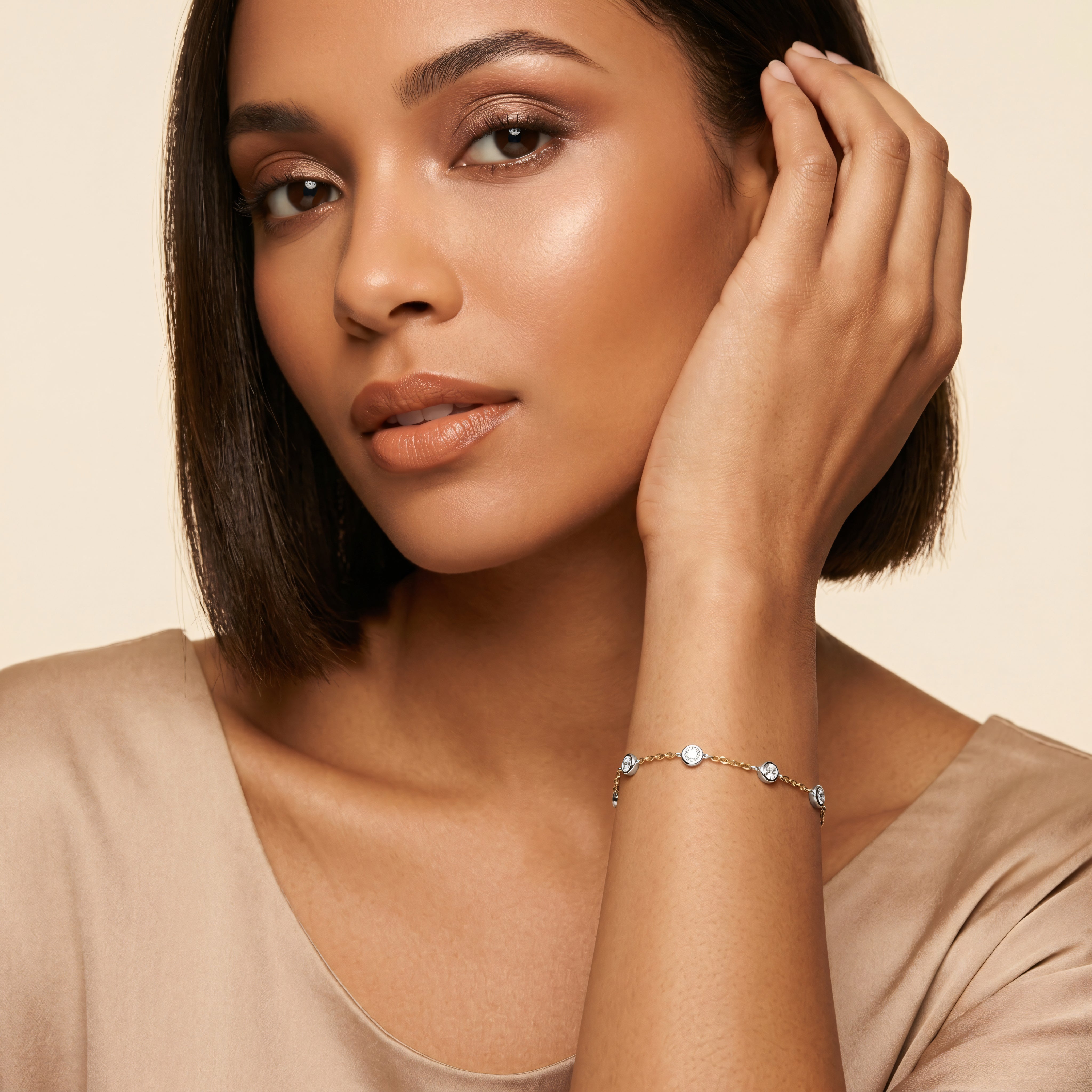
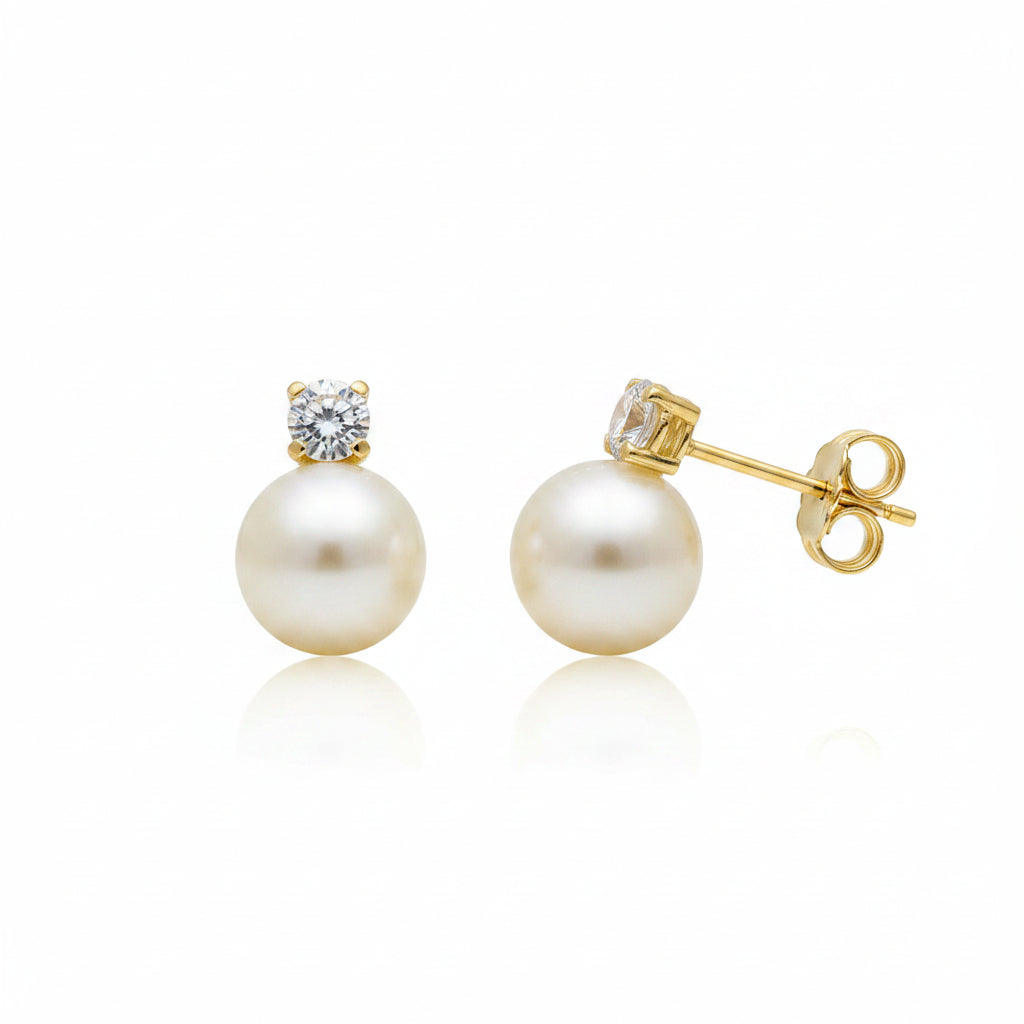
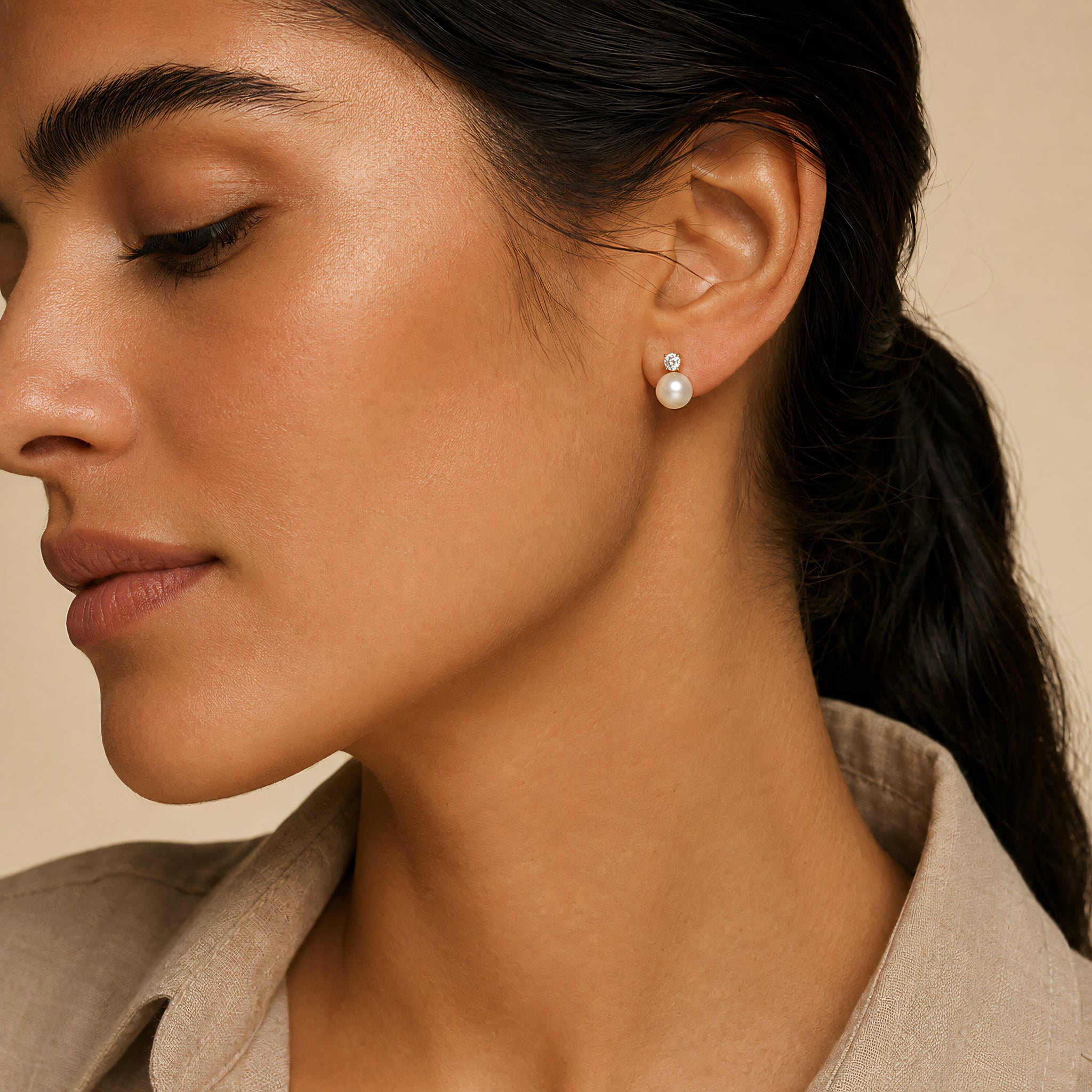
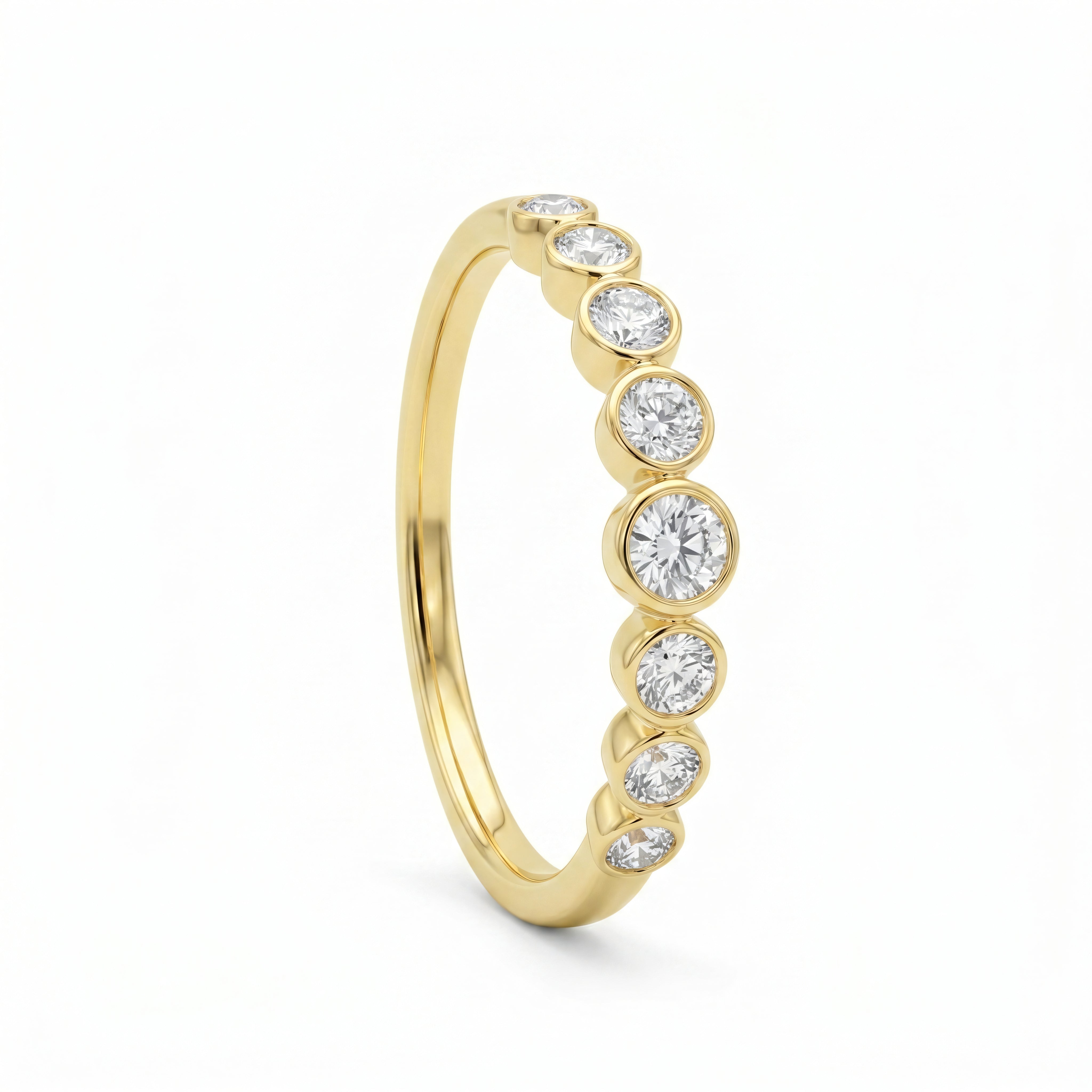
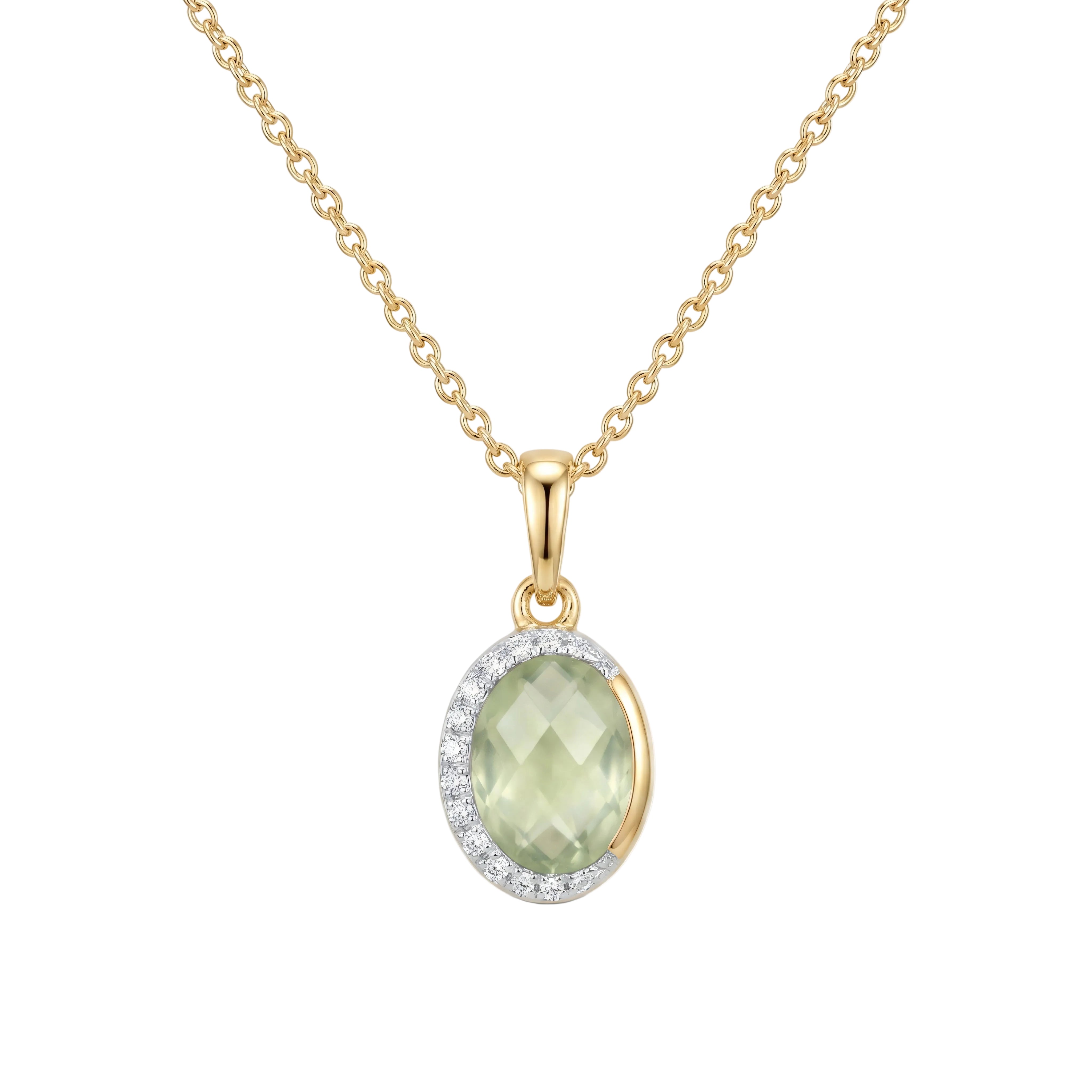
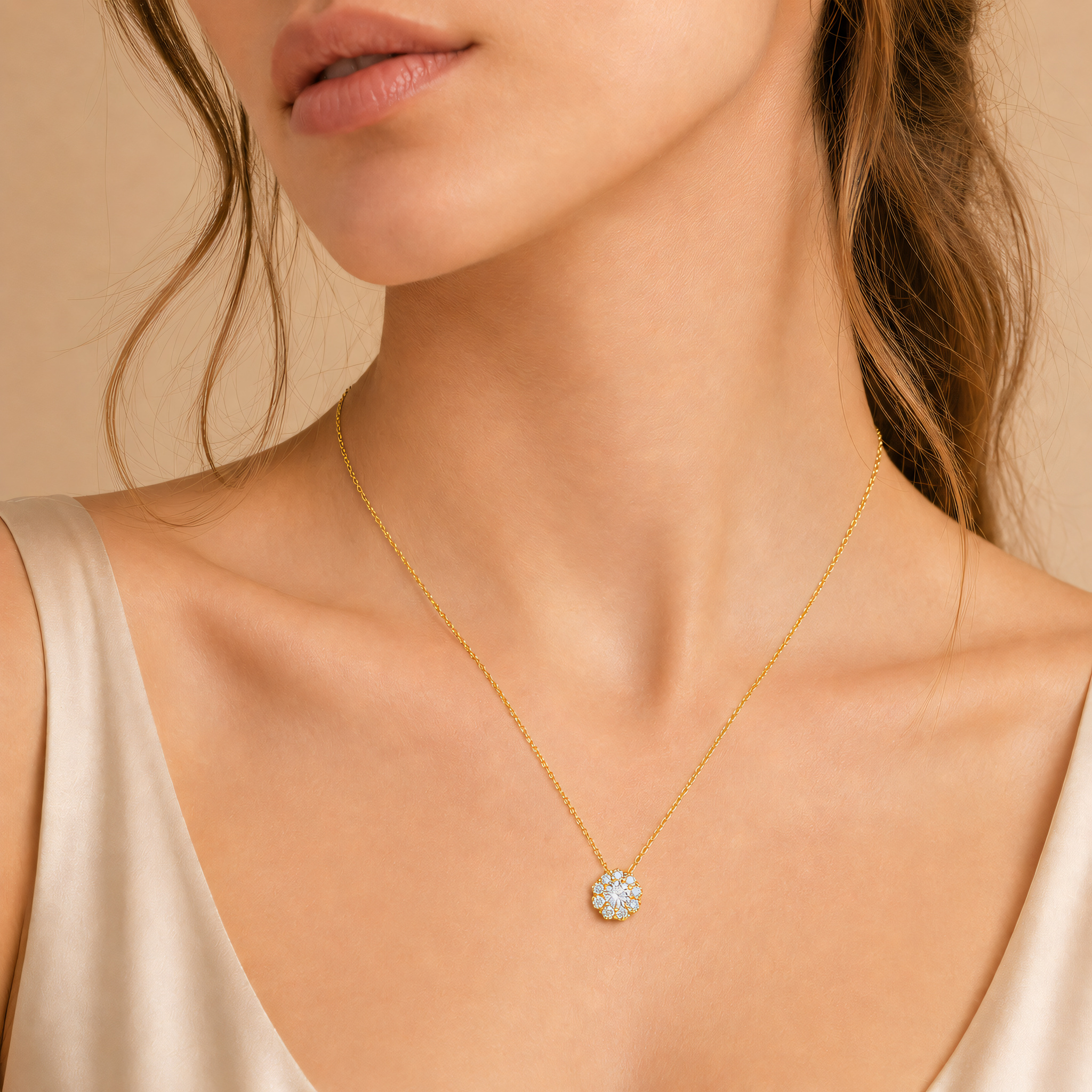
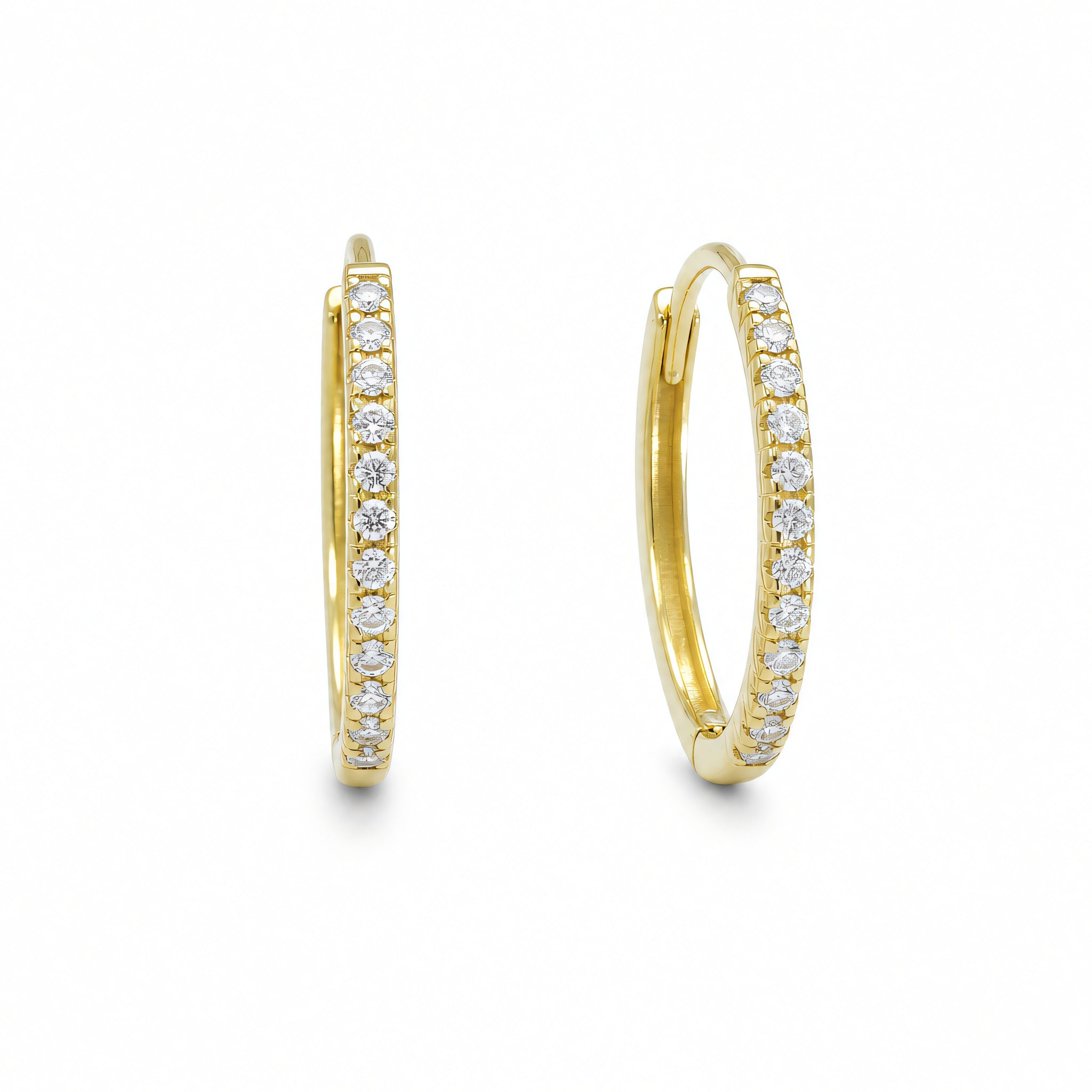
Set in 585 gold, amethyst reveals its full appeal—the warm yellow gold particularly beautifully highlights the violet. At Splendido Jewelry, you will find hand-selected pieces with genuine amethyst in nickel-free 585 gold, carefully chosen for lasting beauty. A classic amethyst solitaire ring showcases the stone to impressive effect, while the amethyst and cubic zirconia stud earrings add a more delicate accent.
Discover the full selection in our gold gemstone rings and gold gemstone necklaces, or browse our entire gold jewelry collection. At Splendido Jewelry, you enjoy free shipping and free returns, a 30-day return policy, and delivery usually within 3–5 business days.
Amethyst effects & meaning
Amethyst is said to represent calm, clarity, and balance. Even in antiquity, violet quartz was regarded as a stone of composure. These effects have not been scientifically proven—as a gemstone, amethyst fascinates with its deep violet color.